Finance on blockchains keeps getting more refined, with an eye to really taking on the banks. Prime Protocol, a decentralized prime brokerage that will work on multiple blockchains at once, has raised $2.75 million in a round co-led by Arrington, Jump and Framework, with multiple angels also participating.
Why it matters: As crypto-powered credit services get more sophisticated, that should eventually put pressure on the traditional banking system to lower fees for users.
A company called Staxxon in Montclair, New Jersey, is planning to sell a newfangled shipping container that's "designed to fold in an accordion-style fashion, and shrink to 1/5 the size of a regular container."
Why it matters: Most standard shipping containers return home empty, so if cargo ships can fit more of them on a return journey by collapsing them, it could help ease today's notorious supply chain woes.
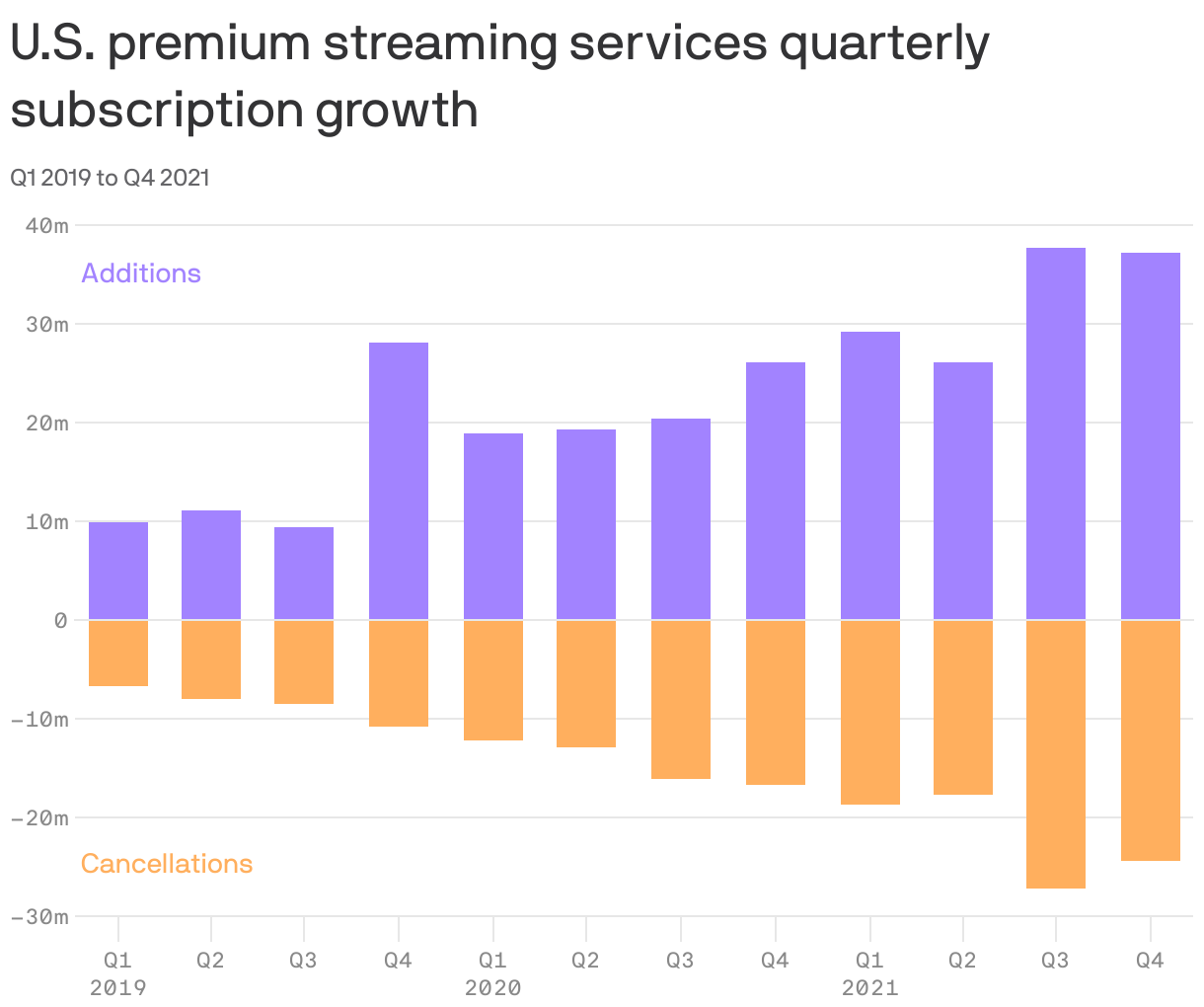
Data: Antenna; Note: Services include Apple TV+, Discovery+, Disney+, HBO Max, Hulu (SVOD-only), Netflix, Paramount+, Peacock, Showtime and Starz; Chart: Jacque Schrag/Axios
Streaming companies are cracking down on password sharing, as the number of quarterly subscription cancellations in the U.S. grows.
Why it matters: Password-sharing used to be a feature of the video subscription economy, allowing consumers to easily sample content across different services. Now that there's so much competition, it's a bug.
U.S. adoption of facial recognition software hit a speed bump recently when the Internal Revenue Service dropped one controversial plan, but public and private institutions are charging ahead with deploying the technology anyway.
Why it matters: Facial recognition systems solve thorny identification problems for government agencies and businesses, but they also raise concerns over bias and privacy, particularly since the U.S. lacks strong data regulations.
Russian journalist Marina Ovsyannikova told Reuters Wednesday she's "extremely concerned" for her safety but hopes her anti-war protest live on state TV this week will help people "open their eyes" to the invasion of Ukraine.
Why it matters: The Channel One editor's on-air demonstration to "millions of viewers" that the Kremlin isn't telling the truth about the invasion "broke the state propaganda machine" and along with it a "long silence" among Russia's journalists — several of whom have since resigned or plan to, writes Russian journalist Denis Kataev in the Guardian.
Britain's government has introduced an online safety bill that aims to strike a balance between holding tech firms more accountable and preserving robust free speech.
Why it matters: The move comes as regulators and legislators around the world are seeking to tighten the rules that govern everything from online privacy to competition in the digital world.
Sony says it takes recent misconduct allegations by eight current and former PlayStation workers “seriously” in a new legal filing, though it otherwise pushes back at a lawsuit claiming widespread gender discrimination at the gaming giant.
Why it matters: This was Sony’s first acknowledgment of the claims that were raised last week.
Shield Capital, a new VC firm focused on dual-use national security startups, raised $125 million for its debut fund.
Why it matters: Timing is everything. Tech's antipathy toward defense and military applications was waning even before the Russia-Ukraine war, in part thanks to the change in White House occupant, and that abatement should now move even quicker.
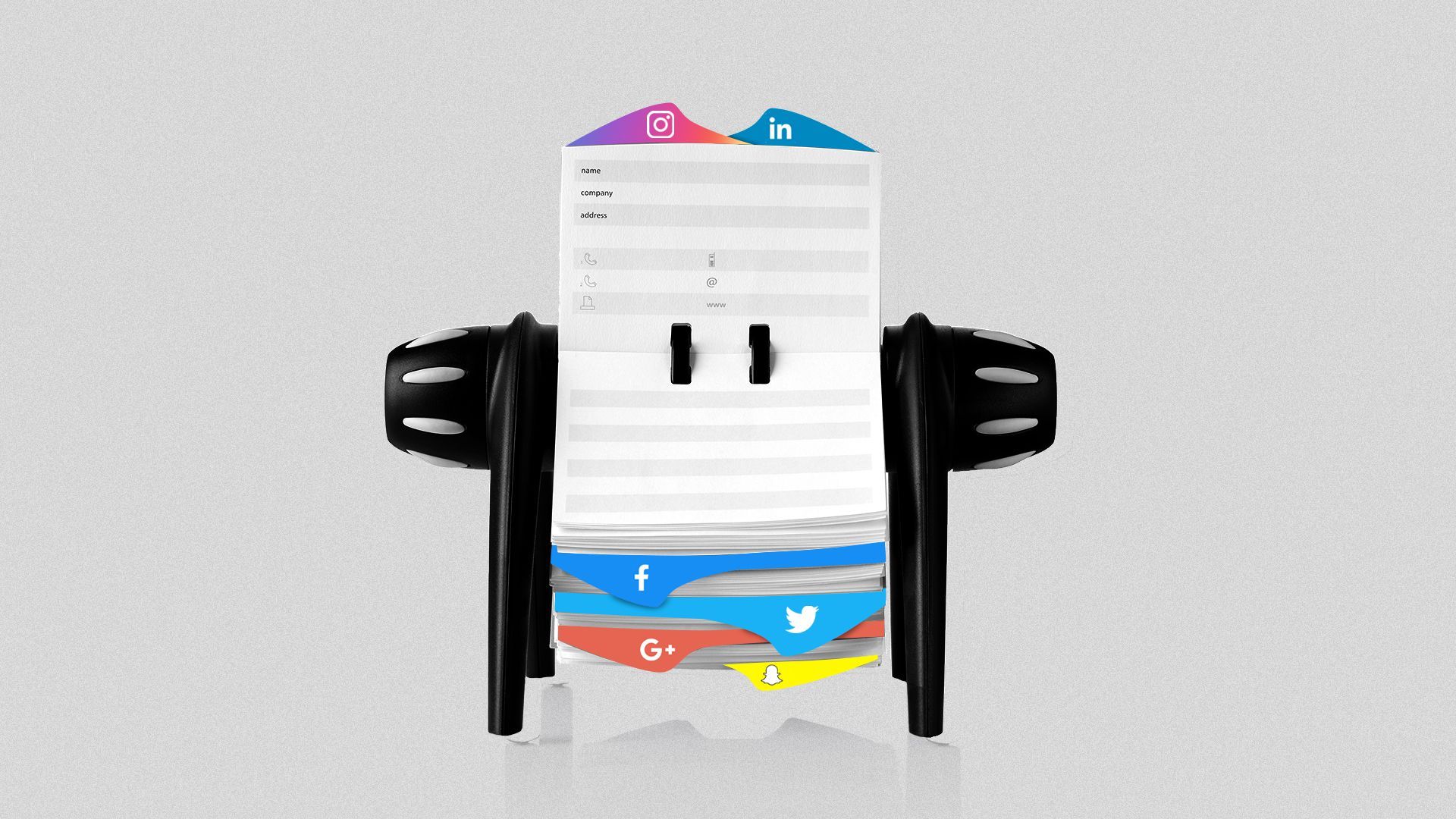
Linktree, the Australian startup best known for its popular "link-in-bio" tool, has raised $110 million at a $1.3 billion valuation, led by Index Ventures and Coatue Management, with AirTree Ventures, Insight Partners and Greenoaks also participating.
Why it matters: As more social media and online content apps appear, Linktree and its investors are betting that it can serve as a unifying "digital business card" amid an increasingly fragmented landscape.
Commerce Secretary Gina Raimondo, President Biden's most powerful appointee on tech, has largely been an ally to the sector, defending U.S. tech firms abroad and pushing for funding domestically.
Why it matters: With Big Tech critics in charge of the government's antitrust enforcement efforts, Raimondo has become the industry's key advocate within the Biden administration.
A Silicon Valley company called Tortoise has introduced a remote-controlled robot that can sell a varied inventory — chocolates, AirPods, knee socks — from tap-to-pay containers on its back.
Why it matters: Retailers can use the Tortoise Mobile Smart Store to generate incremental sales without having to pay someone to oversee the transaction.
Pedestrians can enjoy the novelty and convenience of buying food and accessories from a cute-looking droid, in what Tortoise calls a 15-second experience.
Slack has begun cutting off access to some customers in Russia as it looks to comply with both international sanctions and the policies of parent company Salesforce.
Why it matters: Slack is the lifeblood for internal communications at many businesses and organizations and often contains data and messages not stored in any other format.