Instagram on Tuesday said it's adding a slew of new privacy features aimed at kids under 16.
Why it matters: Lawmakers have proposed changes to children's online privacy laws in the past year, including potentially adding privacy protections for children under 16 and banning targeted ads to kids.
Shawn Layden, former head of worldwide studios for PlayStation, says the rising cost of game development presents an “existential threat” to the booming industry.
Why it matters: While many people are bullish on the medium’s upward trajectory, Layden is highlighting the risks of growing the wrong way.
Google's parent company Alphabet blew past Wall Street expectations on revenue during the first quarter, sending its stock up nearly 5% in after-hours trading.
Driving the news: The tech giant said its video platform YouTube brought in a record $7 billion for the quarter, up 84% year-over-year.
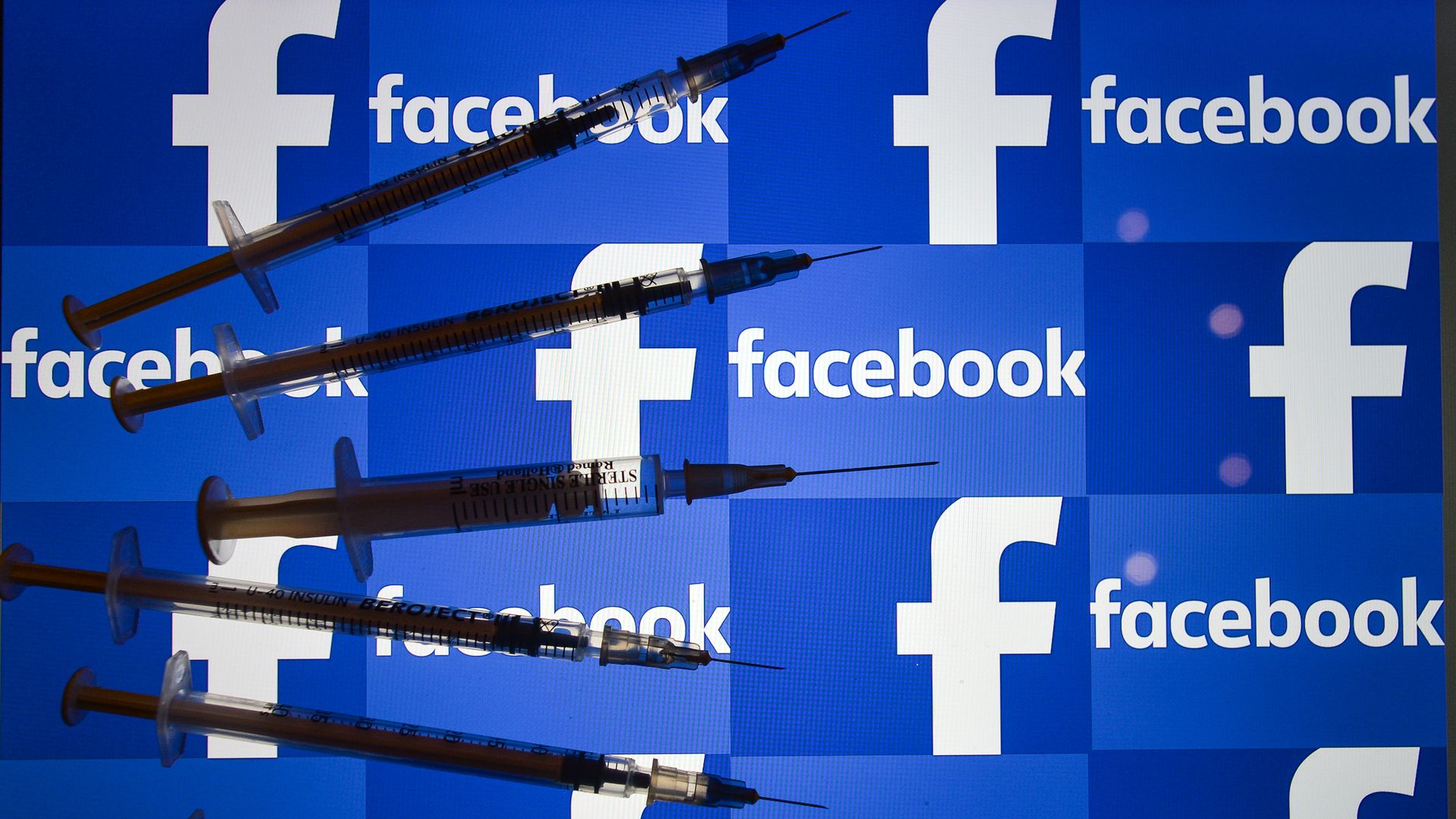
Facebook is partnering with a global tech non-profit called Meedan to give its 80+ fact-checking partner organizations access to training from experts in how to handle health and vaccine misinformation, a spokesperson tells Axios.
The big picture: It's part of an expanded effort by Facebook to reduce health misinformation on its platform. The tech giant is facing increasing criticism from the Biden Administration and others that it isn't doing enough to curb misinformation about COVID-19 vaccines.
Snopes, one of the oldest fact-checking websites in the country, has raised over $1.7 million from over 44,400 supporters to help the company fight a series of lawsuits from a former tech vendor.
Why it matters: It's a massive legal battle for a site that employs 20 people. Snopes founder and CEO David Mikkelson says the legal fees account for roughly 20-30% of Snopes' revenues each year.
The tech industry's leading giants are floating on a cushion of record profits in lakes of reserve cash, and all that money makes them just about unsinkable.
Driving the news: Tech's big five — Google, Apple, Amazon, Facebook and Microsoft — all report their earnings between Tuesday and Thursday this week. Recent quarters have delivered blowout results for these companies, and many observers expect the same again.
Facebook announced Monday it was forming a new Metaverse product group to advance its efforts to build a 3D social space using virtual and augmented reality tech.
The big picture: In an interview with journalist Casey Newton, Facebook CEO Mark Zuckerberg said he sees the metaverse — a term widely used in both tech and science fiction to describe broadly shared, open virtual environments — as "the successor to the mobile internet." Zuckerberg also said it was "not something that any one company is going to build."
The world’s biggest tech companiesare about to open up their books — and some are expected to serve up record-shattering numbers.
Why it matters: The pandemic made many Americans even more dependent on these companies. That put a massive gust of wind — to the tune of billions of dollars — into the sails of Big Tech.
The biggest player in sports video games has plans to get even bigger — on mobile, in football, maybe even with basketball again — EA Sports general manager Daryl Holt said in an exclusive interview with Axios.
Why it matters: Sports gaming doesn’t get much press, but it’s a surging market with increased competition and lots of players up for grabs.
In the latest bit of fallout from investigations into the impact of Israeli company NSO's Pegasus spyware published last week, the leader of Facebook's WhatsApp stepped forward to support some aspects of the investigation's findings.
Why it matters: The Pegasus Project consortium of newsrooms and human rights organizations found evidence suggesting that the spyware is used by authoritarian governments to surveil their enemies, other governments' officials, activists and journalists.
The Biden administration's push to increase competition in the technology industry could be on a collision course with a formidable obstacle: the courts.
Why it matters: Regulatory agency actions — whether it be adopting new rules or bringing enforcement cases against companies — are almost always challenged and litigated in the court system.
Ratings for the Olympic Games opening ceremony were down 36% compared to 2016, according to preliminary numbers from NBC Universal.
Why it matters: The figures for the Tokyo Games event mark the lowest audience for an Olympics opening ceremony event in over three decades, per Reuters.





/2021/07/26/1627336266462.gif?w=3840)