An international hacking group gained access to around 150,000 live-feed security cameras developed by startup Verkada used inside hospitals, companies, police departments, prisons and schools around the world, Bloomberg News reported Tuesday.
Why it matters: The hackers were able to view and copy video from inside multiple health centers, schools, prisons and companies, including carmaker Tesla and software provider Cloudflare.
Major companies are using Clubhouse to hold court with ordinary investors.
Why it matters: Executives are using the invite-only audio app to allow the type of access that was historically only offered up to Wall Street on stodgy, suited-up quarterly earnings calls.
GSMA, the trade group that puts on Mobile World Congress, said Monday the event will take place in person in Barcelona in June, while also announcing a series of new procedures it hopes will assuage health concerns. However, key player Ericsson said Tuesday that it won't be taking part.
Why it matters: The event is the biggest wireless industry trade show and a key source of funds for the GSMA. However, many are skeptical of holding an event with tens of thousands of people, many of whom won't have yet been vaccinated.
Korean automaker Kia is conducting a safety recall of nearly 380,000 vehicles in the U.S. due to concerns of potential engine fires, according to a letter published by the National Highway Traffic Safety Administration.
Why it matters: The recall comes after the NHTSA opened an investigation in 2019 into Kia and Hyundai engine fires. In November 2020, the agency announced that it was fining the automakers $137 million for not recalling cars with potentially faulty engines quickly enough, according to the AP.
An influx of tech antitrust hardliners in the Biden administration signals a new toughness on tech from the Democrats.
Why it matters: Tech companies that grew unfettered by regulation during the Obama administration will now be under scrutiny from advocates that have made a name for themselves by targeting the behemoths' size and power.
Neeva, a search engine startup led by former Google Ads boss Sridhar Ramaswamy, raised $40 million in Series B funding co-led bySequoia Capital and Greylock.
Why it matters: Venture capitalists often ask founders, "Why wouldn't Google just build that and crush you?" In this case, the founder is driving straight into Google's core business.
Spot, a new startup born after nearly a year of incessant Zoom video calls, has raised $1.9 million in new funding led by Chapter One for a voice conference call alternative with some bells and whistles.
Why it matters: When the pandemic sent everyone to work from home, many workers seemed to forget that phone calls exist, opting instead to turn every work conversation into a videoconference.
Last week's revelation of a new cyberattack on thousands of small businesses and organizations, on top of last year's SolarWinds hack, shows we've entered a new era of mass-scale cyber war.
Why it matters: In a world that's dependent on interlocking digital systems, there's no escaping today's cyber conflicts. We're all potential victims even if we're not participants.
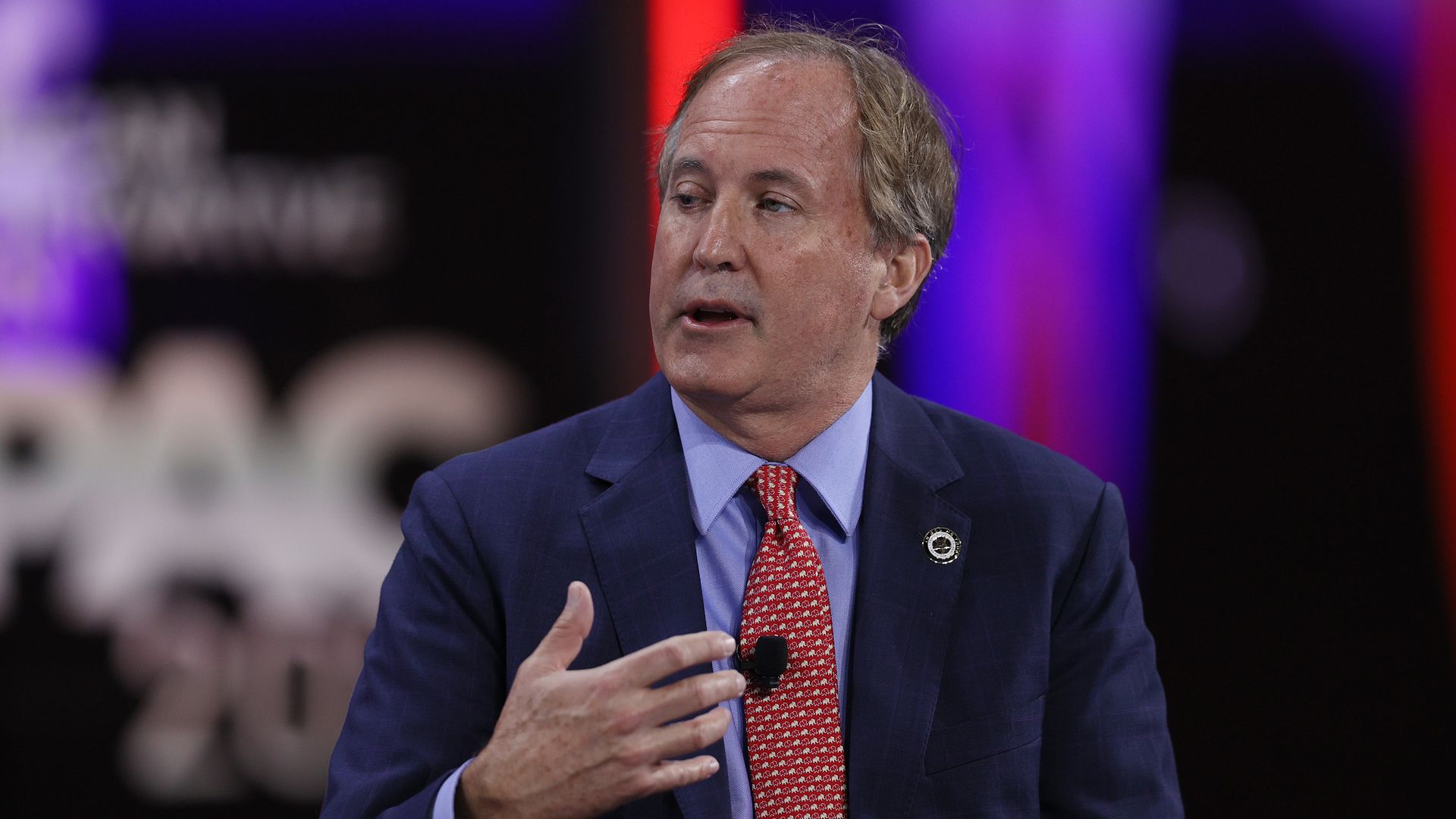
Twitter on Monday filed a lawsuit against Texas Attorney General Ken Paxton (R), saying that his office launched an investigation into the social media giant because it banned former President Trump from its platform.
Driving the news: Twitter is seeking to halt an investigation launched by Paxton into moderation practices by Big Tech firms including Twitter for what he called "the seemingly coordinated de-platforming of the President," days after they banned him following the Jan. 6 Capitol insurrection.