Airbnb on Wednesday raised $3.5 billion in its IPO at a fully diluted valuation of around $47.3 billion, and will begin trading Thursday on the Nasdaq under ticker symbol ABNB.
Why it matters: This is the culmination of a remarkable rebound for the hospitality giant, which many counted out once the pandemic began its rampage.
As the theoretical limits of classical computing come into sight, quantum computing is taking its first steps from the lab to the real world.
Why it matters: The modern world has been built on the back of extraordinary advances in computing power, but as that progress slows, quantum computers could take up the baton, bringing computing into a new era — and providing massive rewards to the companies and countries that lead the way.
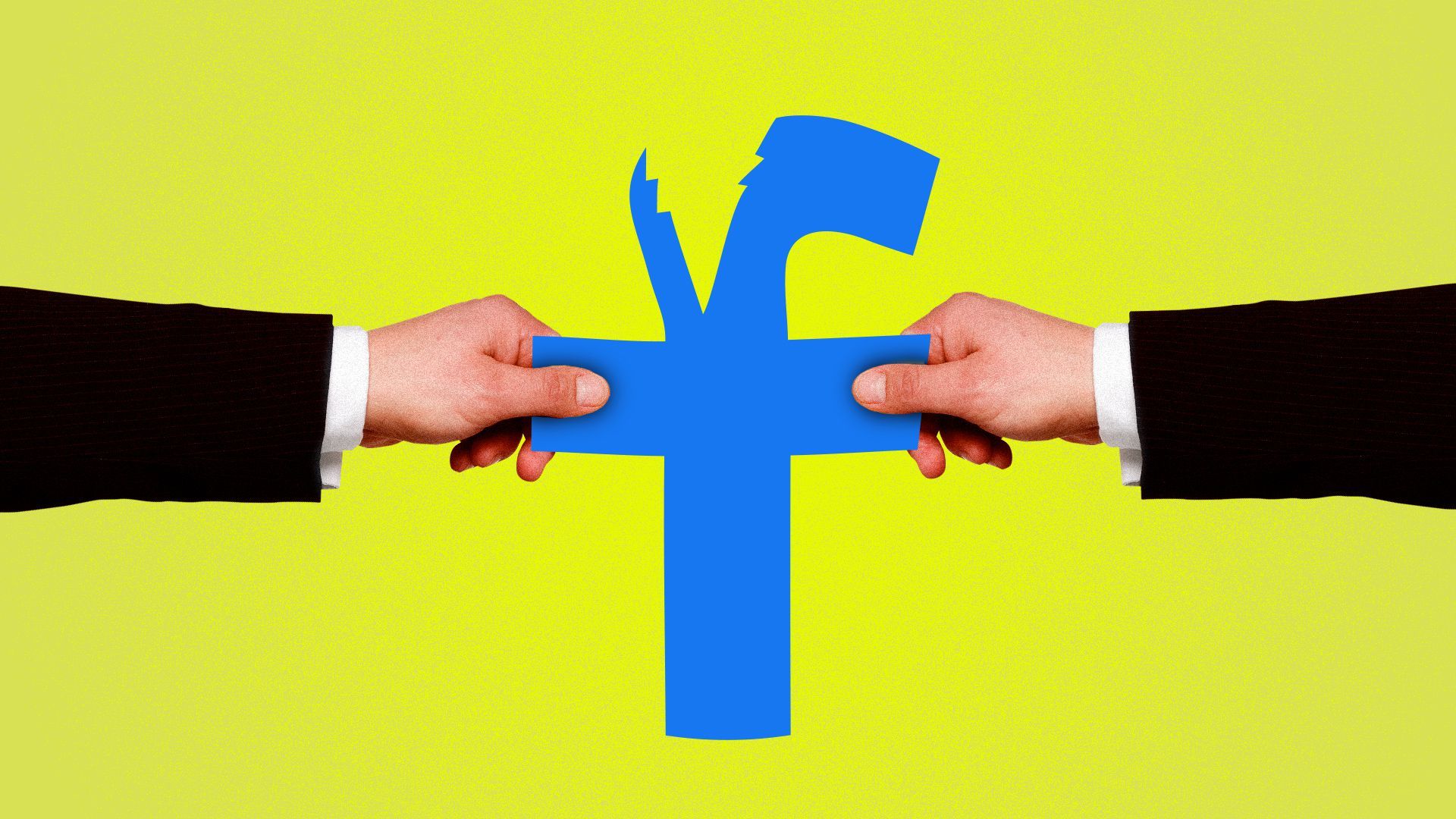
Facebook on Wednesday was hit with landmark antitrust lawsuits, with the Federal Trade Commission and 48 states suing to force the Big Tech giant to spin off its Instagram and WhatsApp units.
Axios Re:Cap goes deeper in a special pop-up episode, with Axios tech reporter Ashley Gold and editor Scott Rosenberg.
The market for mental wellness products and services is booming, as the pandemic has gotten on just about everyone's last nerve.
Axios Re:Cap goes deeper with Michael Acton Smith, co-founder and co-CEO of meditation app Calm, which was just valued at $2 billion. The discussion includes how mental wellness differs from mental health, the B2B of the industry and those election night ads on CNN.
State and federal antitrust enforcers accused Facebook of illegally hurting competition by buying smaller rivals and engaging in other harmful behavior in a pair of antitrust lawsuits Wednesday.
Why it matters: With Google already facing an antitrust lawsuit from the Justice Department and state attorneys general, the Facebook case is another major test of the government's power to police internet giants.
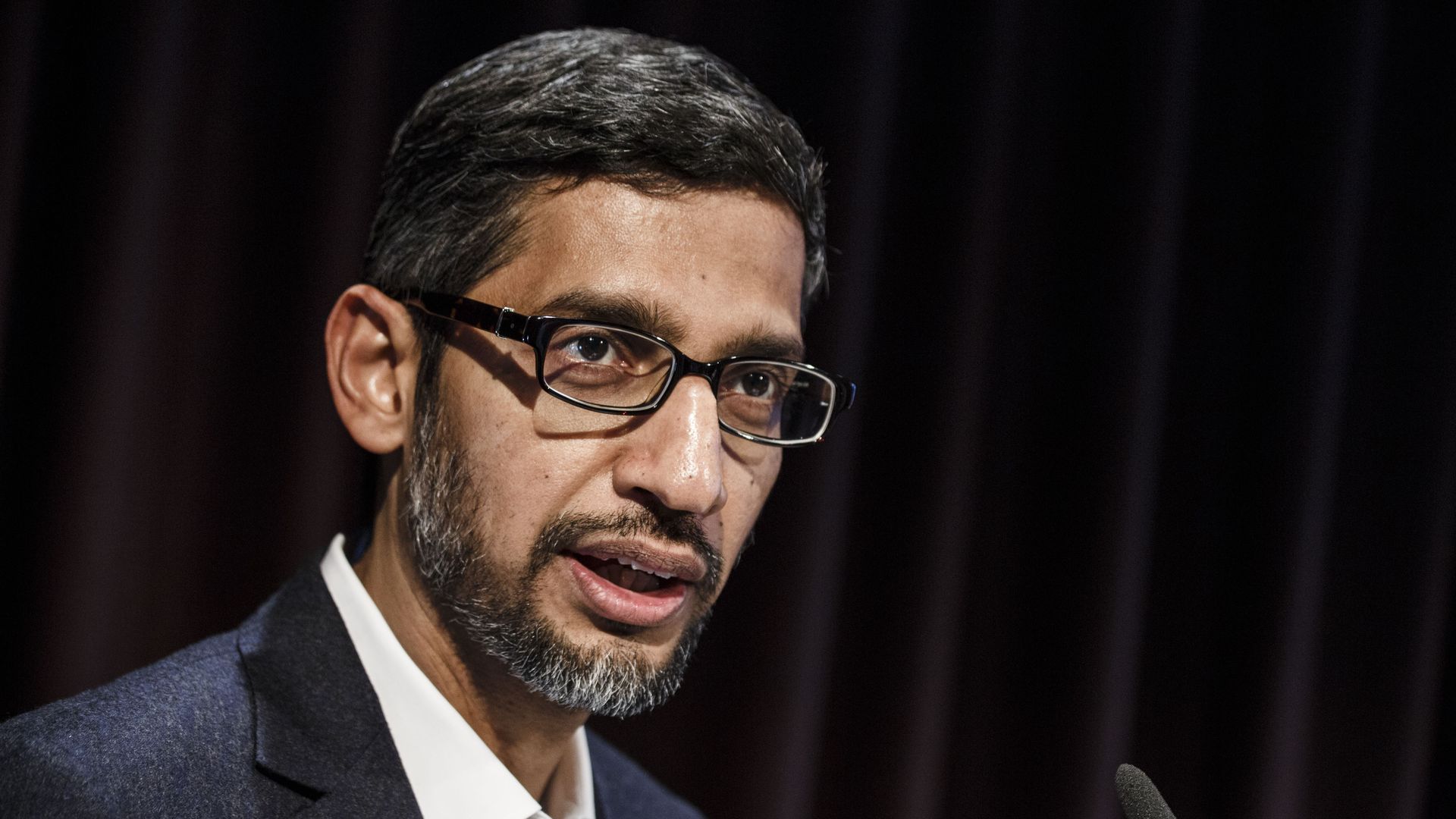
Google CEO Sundar Pichai apologized Wednesday for the company's handling of the departure of AI ethics researcher Timnit Gebru and said he would investigate the events and work to restore trust, according to an internal memo sent companywide and obtained by Axios.
Why it matters: Gebru's exit has provoked anger and consternation within Google as well as in academic circles, with thousands of people signing an open letter urging Google to reexamine its practices.
Facebook's past moves cutting off competitors' access to its platform will be one target of the multi-state antitrust lawsuit against Facebook expected to be filed today, according to a person familiar with the case.
Why it matters: State attorneys general are looking to build a case that Facebook has illegally used a monopoly in social networking to elbow out competitors.
The business world has a muddled view of the cybersecurity challenges and opportunities presented by the rollout of 5G networks and services, per a paper out yesterday.
Why it matters: Secure hardware and systems will be a must in order to fulfill the vision of a 5G future filled with ubiquitous super-fast internet and a plethora of connected devices. Business leaders having a dim understanding of where things stand on that front could presage some headaches to come.
Google informed its advertising partners on Wednesday that beginning Dec. 10, it will lift the post-election political ad ban that went into effect after polls closed on Nov. 3, according to an email obtained by Axios.
The big picture: The lift comes about a month ahead of two crucial Georgia runoff races that will determine control of the Senate.
Facebook's global messaging service WhatsApp is protesting Apple's requirement that app owners submit information about the user data they collect for use in new privacy labels coming to Apple's app store.
The state of play: WhatsApp says that the provision is anti-competitive because Apple's own encrypted messaging service, Messages, is preinstalled on iPhones and doesn't need to be downloaded from Apple's app store, where the privacy labels are now required.
Facebook and other big online platforms insist they're removing more and more misinformation. But they can't say whether they're actually stemming the tide of lies, and neither can we, because the deluge turns out to be impossible to define or measure.
Why it matters: The tech companies mostly won't share data that would let researchers better track the scale, spread and impact of misinformation. So the riddle remains unsolved, and the platforms can't be held accountable.