ByteDance is closing in $2 billion in new funding co-led by KKR and existing backer Sequoia Capital at a $180 billion valuation, per Reuters.
Why it matters: This would cement China-based ByteDance as the world's most valuable VC-backed company, worth 3X the next-largest unicorn, and comes despite the U.S. government's efforts to force its divestiture of TikTok.
Because today's tech landscape harbors multiple giants rather than a single behemoth, regulators trying to restrain the companies' power face a bedeviling challenge: It's tougher to make a "monopoly" charge stick to companies that are busy competing with one another.
Driving the news: This week's double-whammy antitrust suits against Facebook by the Federal Trade Commission and a coalition of states comes on the heels of a Department of Justice suit against Google and a broadly damning report from House Democrats, both in October.
Airbnb began trading Thursday on the Nasdaq at a valuation north of $100 billion, which is more than Marriott, Hilton and Expedia combined.
Axios Re:Cap digsinto the year's largest IPO, and how Airbnb has navigated a perilous year for travel and hospitality, with company co-founder and CEO Brian Chesky.
While Airbnb is surging on the stock market, its fundamental business might not be quite as healthy as I thought back in September, when an Edison Trends report showed consumers spending 86% more money with the company than they did during the same week of 2019.
Why it matters: Edison Trends strips out any transactions over a certain amount — in this case, $30,000. There are still outliers near that amount, however, — very expensive rentals for multiple months, perhaps — that can skew the aggregates. When the company went back to re-run its data with a different cohort of users, the difference between 2019 and 2020 largely disappeared.
Agriculture startup Planet FWD has raised $2.5 million in additional seed funding, and is debuting its first product: a snack cracker that the company says boasts a fully carbon-neutral manufacturing process.
Why it matters: About 25-30% of global greenhouse gas emissions come from the food production system, according to research from the United Nations.
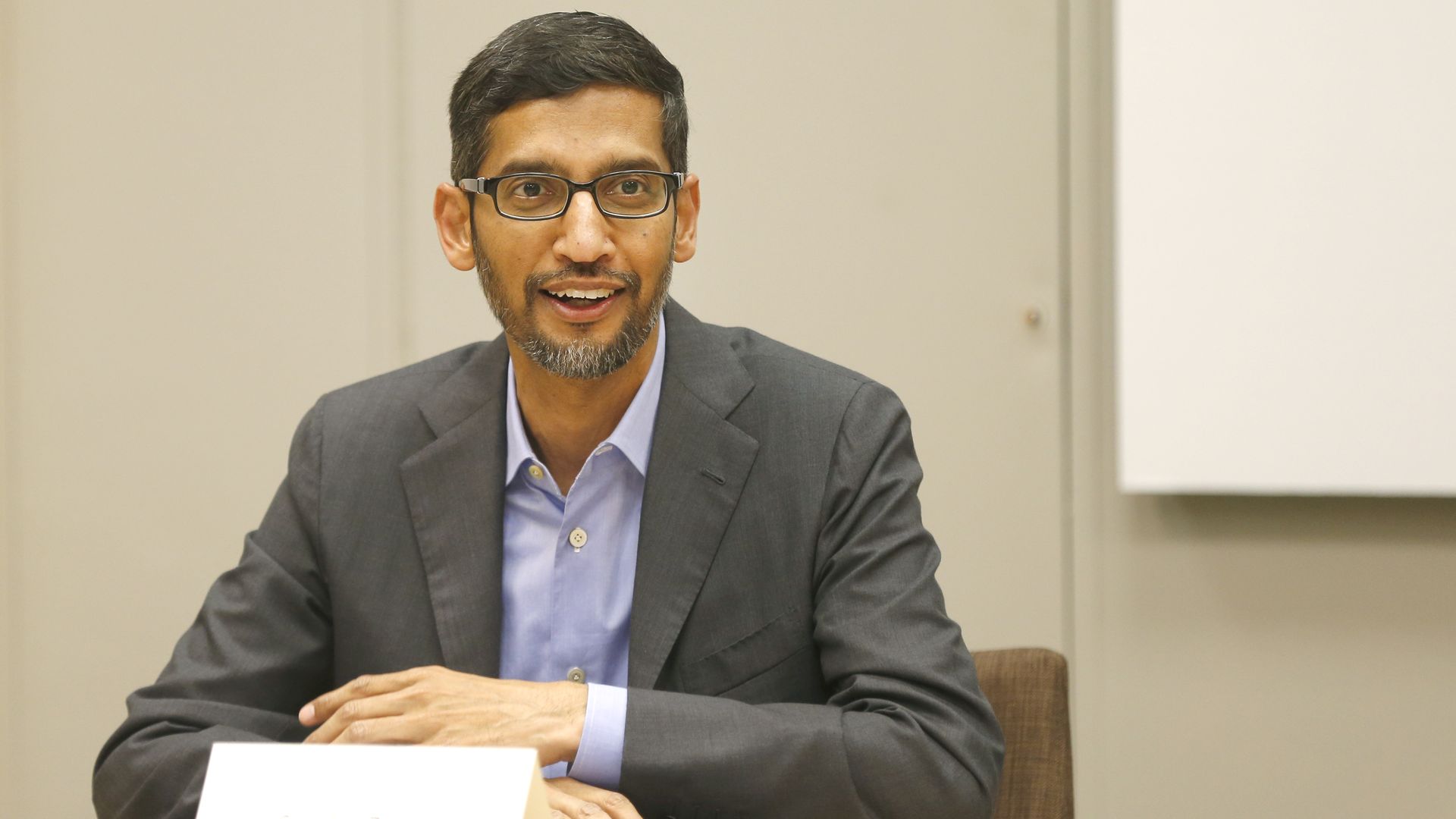
Far from stemming criticism, a memo Wednesday from Google CEO Sundar Pichai has further inflamed tensions over the company's treatment of prominent AI ethics researcher Timnit Gebru.
Why it matters: Google is facing an intense backlash, especially from those who say the incident reflects a weak commitment both to academic freedom in its research unit and to true diversity and inclusion. Gebru is one of the few prominent Black women in the artificial intelligence ethics field and has done groundbreaking work around bias within AI systems.
Pornhub tightened its rules around violent and underage content this week. Those changes are a good start, experts say, but they won't be sufficient to combat a growing problem of non-consensual videos.
Why it matters: The New York Times story, by Nick Kristof, reported that Pornhub's vast user-generated content library contains plenty of revenge porn and videos with underage participants. It also details the harm that being on Pornhub can cause for people whose videos were posted without their consent.
Facebook has been under federal scrutiny for more than a year, and Wednesday's new lawsuits brought by the Federal Trade Commission and a coalition of state attorneys general showed enforcers want to go a lot further than many observers thought.
Here's what we know now that the suits have landed.
The historic lawsuits brought against Facebook Wednesday could be the first serious threat to the tech giant's booming business.
Why it matters: Facebook's user growth and bottom line have historically been resilient in the face of external pressure. But the lawsuits, if they succeed, would fundamentally limit Facebook's ability to keep growing so fast.

/2020/12/11/1607699691865.gif?w=3840)