A Silicon Valley-based nonprofit is creating a talent program called Rise to cultivate and support young people from around the world.
Why it matters: Talent doesn't respect geography — but too often, opportunity does. The new program seeks to identify future leaders wherever they are, which research suggests may be one of the best ways to help the world advance.
School districts are reporting declining grades as students struggle to adjust to the challenges of remote education.
Why it matters: It's bad enough that many children around the country are receiving sub-par remote schooling. But in an economy that will increasingly reward cognitive skills, those struggling today risk being left behind permanently.
The incoming administration will face a slew of cybersecurity-related challenges, as Joe Biden takes office under a very different environment than existed when he was last in the White House as vice president.
The big picture: President-elect Biden's top cybersecurity and national security advisers will have to wrestle with the ascendancy of new adversaries and cyberpowers, as well as figure out whether to continue the more aggressive stance the Trump administration has taken in cyberspace.
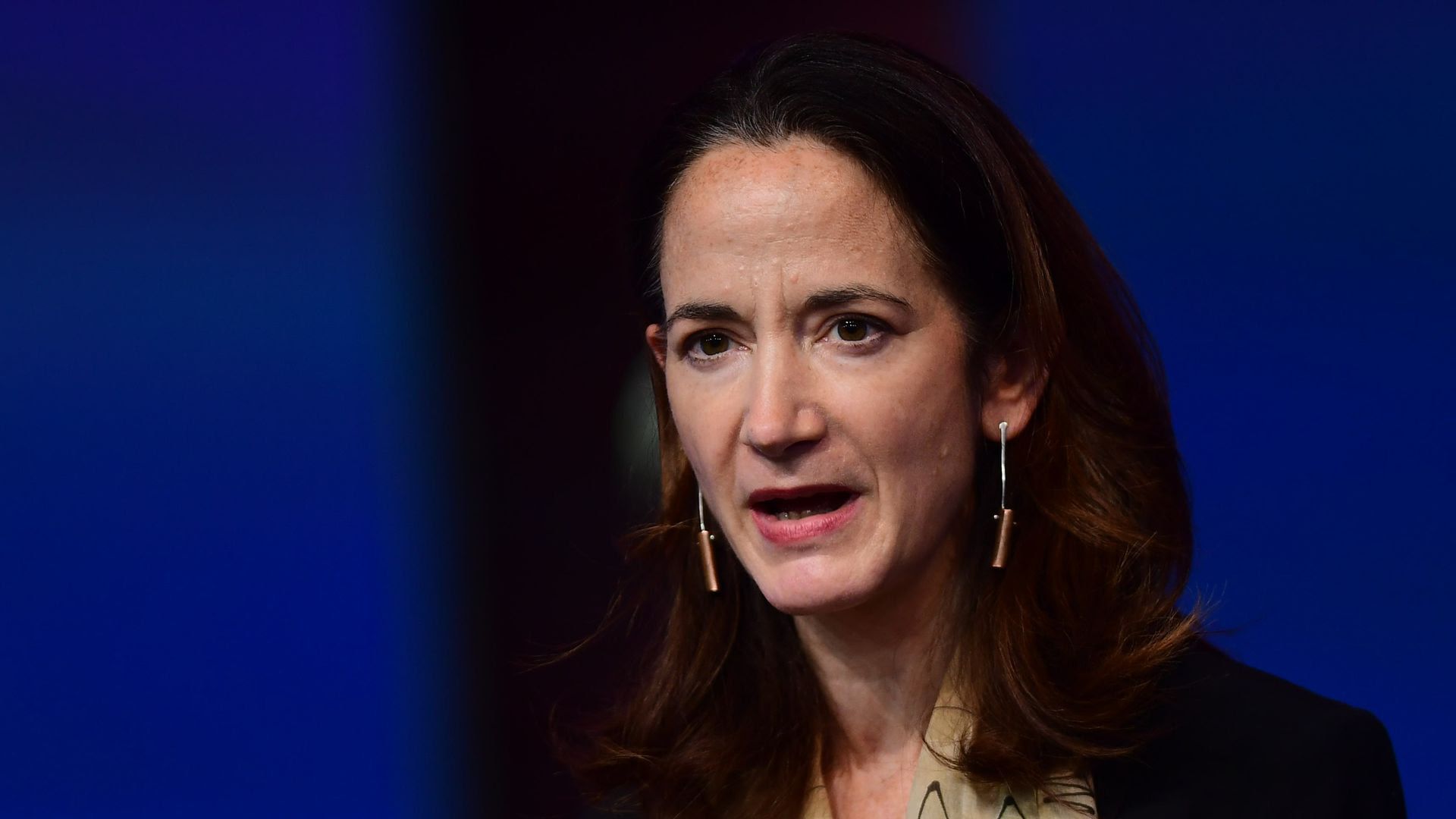
Avril Haines, Biden’s pick for director of national intelligence, has a long history of working on critical cybersecurity and digital challenges facing the intelligence community.
Why it matters: A deep understanding of cyber issues is of great value in the position, including as the Biden administration seeks to restore faith in a role that has faced accusations of politicization in the Trump era.
The U.S. Securities and Exchange Commission has proposed rule changes that would make it possible for gig companies to give equity to their workers as part of their compensation if they meet certain requirements.
Why it matters: This is something gig companies including Uber and Airbnb have asked the SEC to do over the years as a way to share their companies' upside with these non-employees.
YouTube has barred One America News Network from posting new videos for a week and stripped it of its ability to make money off existing content after the Trump-friendly channel uploaded a video promoting a phony cure for COVID-19, YouTube spokesperson Ivy Choi tells Axios.
Why it matters: YouTube has been criticized for allowing OANN to spread misinformation using its platform, particularly around coronavirus and the election. This marks the Google-owned service's first crackdown against OANN.
There's a new tradition in sports: finding out you've been traded on social media.
The latest: Ricky Rubio found out he'd been traded by the Suns last week while scrolling Twitter at his home in Barcelona, he told The Athletic.
Kelly Oubre found out he'd been dealt after a workout at the Suns' facility.
"I just see people looking at me with like a glare in their eyes," he said. "I was like, hmm. And then Cheick Diallo was like, 'Hey, my boy, check Twitter.'"
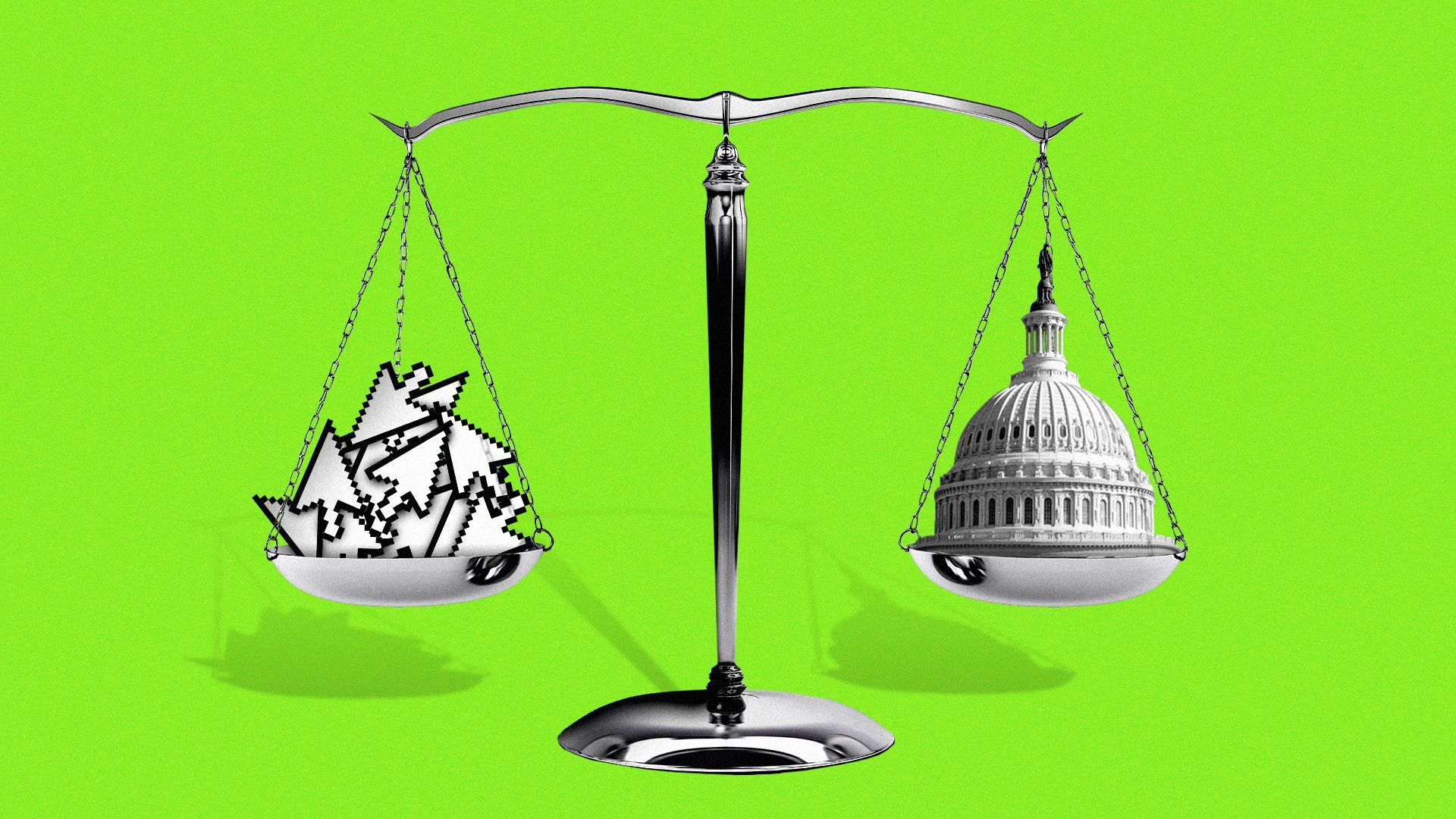
House Democrats and Republicans are finding common ground on a set of principles for countering tech monopolies that they believe could drive a bipartisan push in the new Congress to update antitrust law.
The big picture: Representatives from both parties are finding it easier to agree on antitrust policy ideas than on proposals about content moderation and liability, where the two parties couldn't be further apart despite agreeing on the need for change.
Snapchat on Monday launched Spotlight, a video tab within its app that, like TikTok, distributes videos based more on how popular they are than on who created them. Facebook in August launched its TikTok competitor, called Reels.
Driving the news: Snapchat's news comes days after Twitter said it would be adding "Fleets," which are basically Snapchat stories for people who tweet. (Nearly every social media app has launched some version of Stories in the past few years.)