YouTube has barred One America News Network from posting new videos for a week and stripped it of its ability to make money off existing content after the Trump-friendly channel uploaded a video promoting a phony cure for COVID-19, YouTube spokesperson Ivy Choi tells Axios.
Why it matters: YouTube has been criticized for allowing OANN to spread misinformation using its platform, particularly around coronavirus and the election. This marks the Google-owned service's first crackdown against OANN.
There's a new tradition in sports: finding out you've been traded on social media.
The latest: Ricky Rubio found out he'd been traded by the Suns last week while scrolling Twitter at his home in Barcelona, he told The Athletic.
Kelly Oubre found out he'd been dealt after a workout at the Suns' facility.
"I just see people looking at me with like a glare in their eyes," he said. "I was like, hmm. And then Cheick Diallo was like, 'Hey, my boy, check Twitter.'"
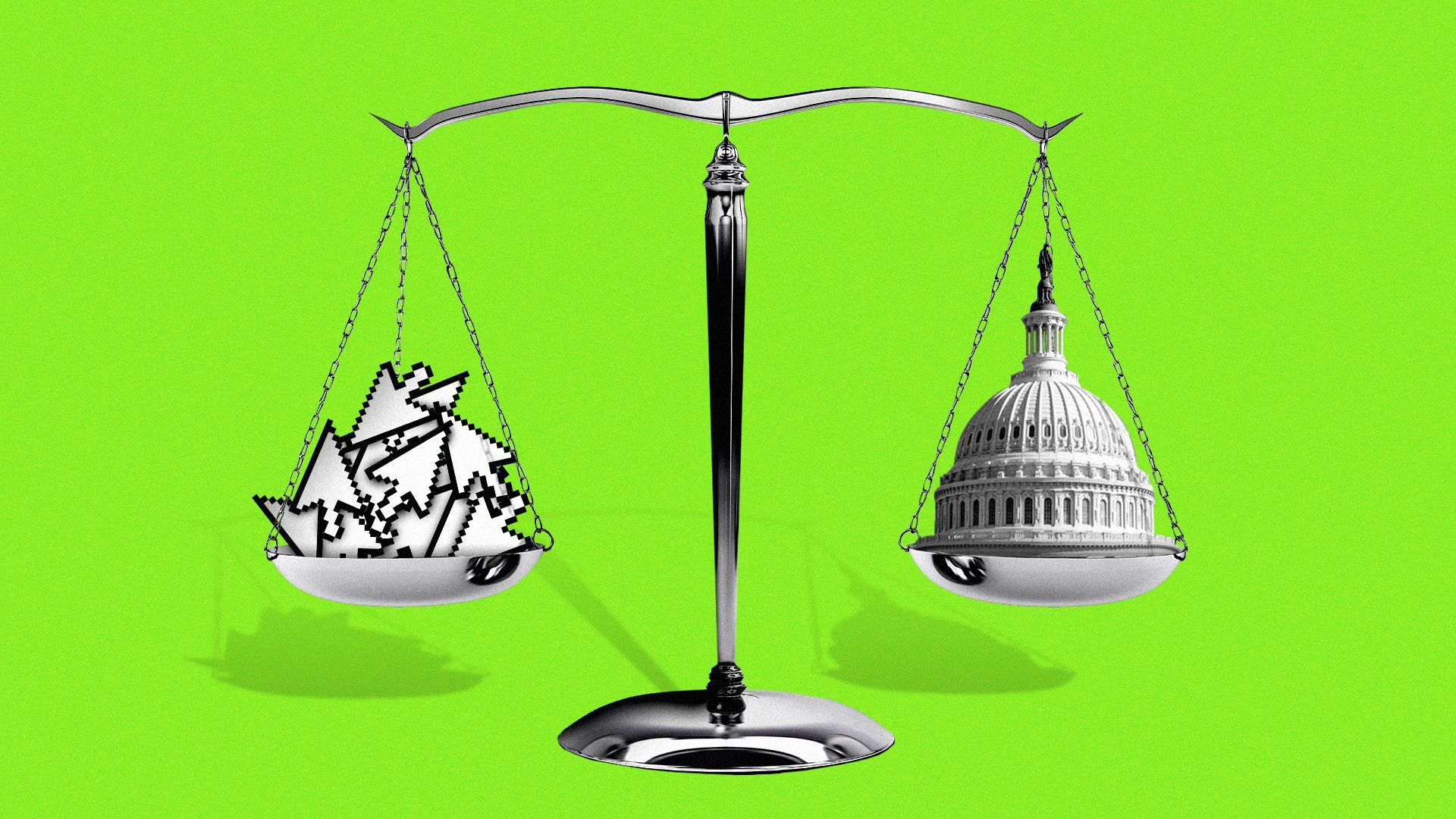
House Democrats and Republicans are finding common ground on a set of principles for countering tech monopolies that they believe could drive a bipartisan push in the new Congress to update antitrust law.
The big picture: Representatives from both parties are finding it easier to agree on antitrust policy ideas than on proposals about content moderation and liability, where the two parties couldn't be further apart despite agreeing on the need for change.
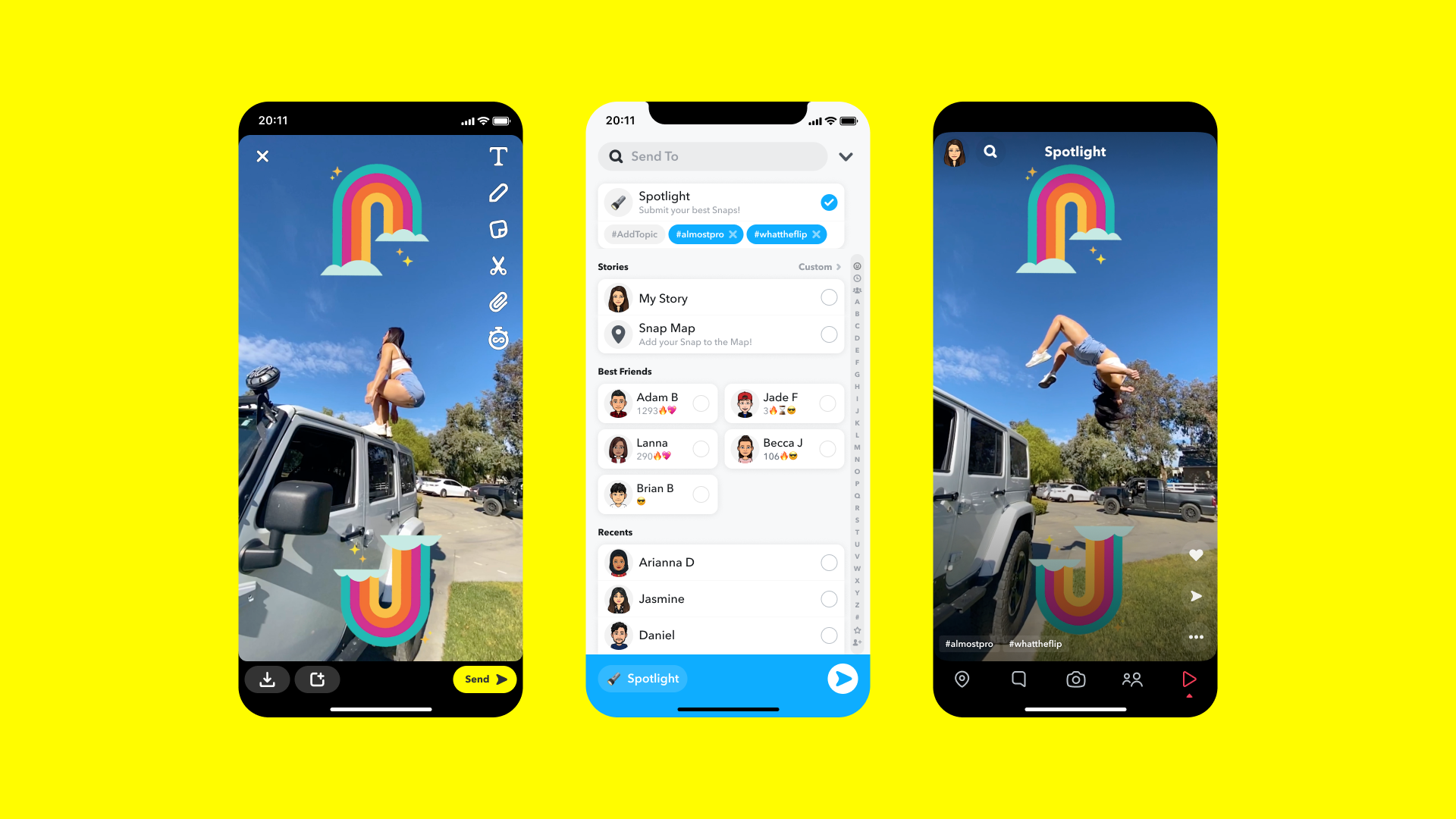
Snapchat on Monday launched Spotlight, a video tab within its app that, like TikTok, distributes videos based more on how popular they are than on who created them. Facebook in August launched its TikTok competitor, called Reels.
Driving the news: Snapchat's news comes days after Twitter said it would be adding "Fleets," which are basically Snapchat stories for people who tweet. (Nearly every social media app has launched some version of Stories in the past few years.)
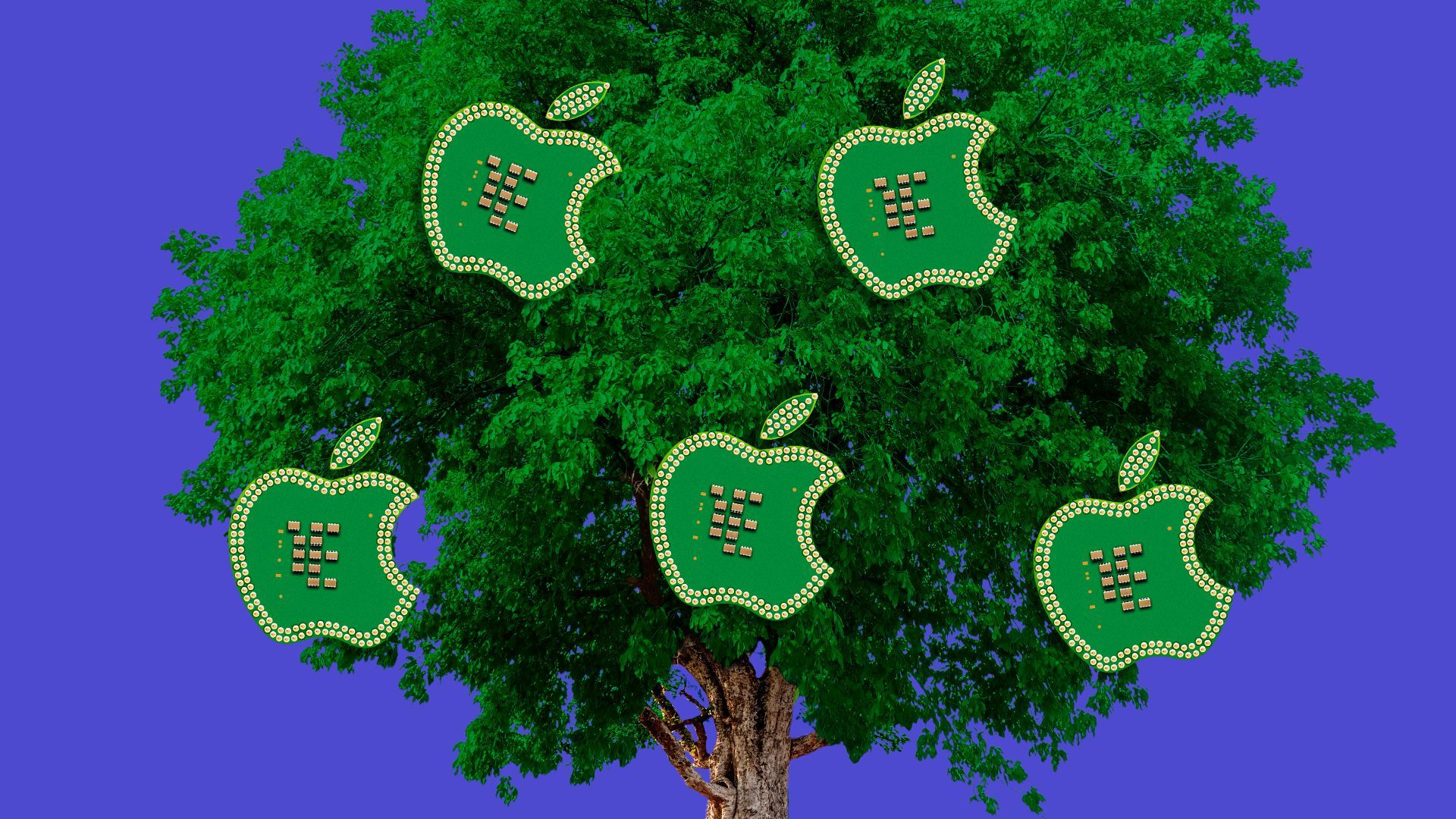
For now, Apple's new M1 chip — fast, power-smart, and literally cool — is just a major hardware upgrade that's winning rave reviews.
But down the road, the M1 will pave the way for new Apple devices that could bridge the divide between Mac and iPhone/iPad computing and transform the devices we use every day.
Item No. 1 on President-elect Joe Biden's day-one tech agenda, controlling the flood of misinformation online, offers no fast fixes — but other tech issues facing the new administration hold out opportunities for quick action and concrete progress.
What to watch: Closing the digital divide will be a high priority, as the pandemic has exposed how many Americans still lack reliable in-home internet connections and the devices needed to work and learn remotely.
Combatting the global "infodemic" of harmful information online requires structural changes in how states exercise power over tech giants, a new report this month from an international human rights coalition argues.
Driving the news: The report, from the Forum on Information and Democracy's Working Group on Infodemics, recommends a broad new set of regulations to govern global digital platforms.
IBM last month offered a public apology to Lynn Conway, a pioneering computer scientist whom the company fired in 1968 when it learned of her gender transition.
The big picture: Conway broke new ground in both tech and transgender rights, and IBM's apology, first reported in Forbes, came with a Lifetime Achievement Award.
Snapchat Monday launched Spotlight, a video tab within its app that, like TikTok, distributes videos based more on how popular they are than on who created them.
Of note: In an effort to lure users to try the new feature, Snapchat says it will give away $1 million total to the creators of the top-performing videos on Spotlight each day for the remainder of 2020, and potentially beyond.