A Silicon Valley-based nonprofit is creating a talent program called Rise to cultivate and support young people from around the world.
Why it matters: Talent doesn't respect geography — but too often, opportunity does. The new program seeks to identify future leaders wherever they are, which research suggests may be one of the best ways to help the world advance.
School districts are reporting declining grades as students struggle to adjust to the challenges of remote education.
Why it matters: It's bad enough that many children around the country are receiving sub-par remote schooling. But in an economy that will increasingly reward cognitive skills, those struggling today risk being left behind permanently.
The incoming administration will face a slew of cybersecurity-related challenges, as Joe Biden takes office under a very different environment than existed when he was last in the White House as vice president.
The big picture: President-elect Biden's top cybersecurity and national security advisers will have to wrestle with the ascendancy of new adversaries and cyberpowers, as well as figure out whether to continue the more aggressive stance the Trump administration has taken in cyberspace.
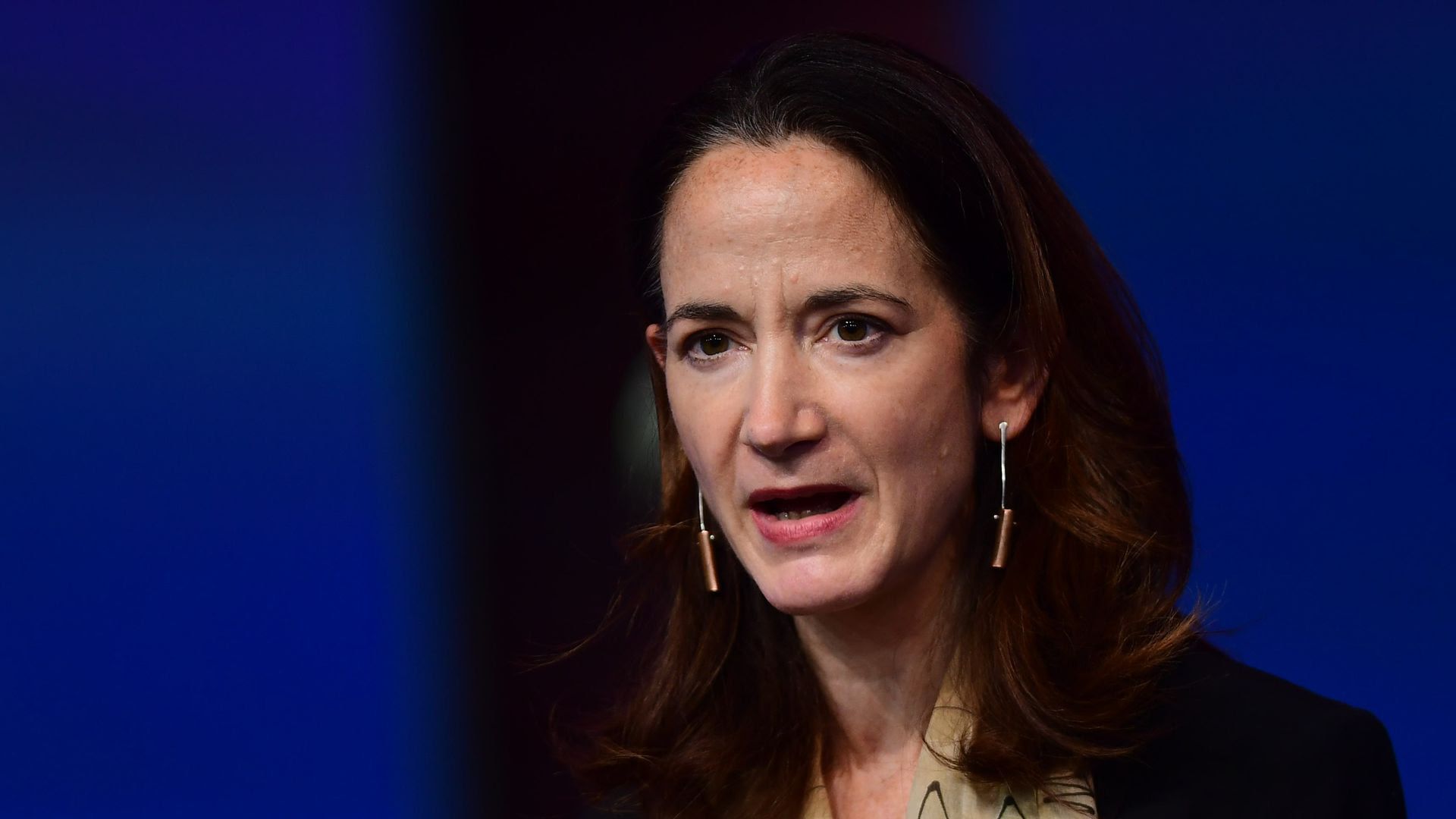
Avril Haines, Biden’s pick for director of national intelligence, has a long history of working on critical cybersecurity and digital challenges facing the intelligence community.
Why it matters: A deep understanding of cyber issues is of great value in the position, including as the Biden administration seeks to restore faith in a role that has faced accusations of politicization in the Trump era.
The U.S. Securities and Exchange Commission has proposed rule changes that would make it possible for gig companies to give equity to their workers as part of their compensation if they meet certain requirements.
Why it matters: This is something gig companies including Uber and Airbnb have asked the SEC to do over the years as a way to share their companies' upside with these non-employees.