Palantir, the secretive data analysis software company known for working with governments, has filed to go public via a direct listing on the New York Stock Exchange.
The big picture: Palantir long eschewed going public until changing its tune recently. The company is also confirming recent rumors that it's choosing a rare alternative to the traditional IPO. Direct listings skip the underwriting process of an IPO, typically letting investors cash out shares without raising fresh capital for the company.
YouTube said on Tuesday that it removed 11.4 million videos last quarter, largely by relying more heavily on automated content moderation. The company said 95% of the problematic videos removed at first detection were found by its software.
The big picture: With fewer human reviewers, thanks to COVID-19 forcing people to work remotely, YouTube had to choose between relying more on automated systems and over-removing content or relying on fewer humans and allowing more rule-violating videos to remain online. It says it chose the former to protect its community, but removal appeals doubled as a result.
Google has named Halimah DeLaine Prado its new general counsel, taking over day-to-day oversight of the company's legal team from Kent Walker, who had essentially retained the GC role since being promoted to a broader position in 2018.
The big picture: Tech giants' legal teams are in a busy season as policymaker scrutiny rises and potential antitrust cases loom.
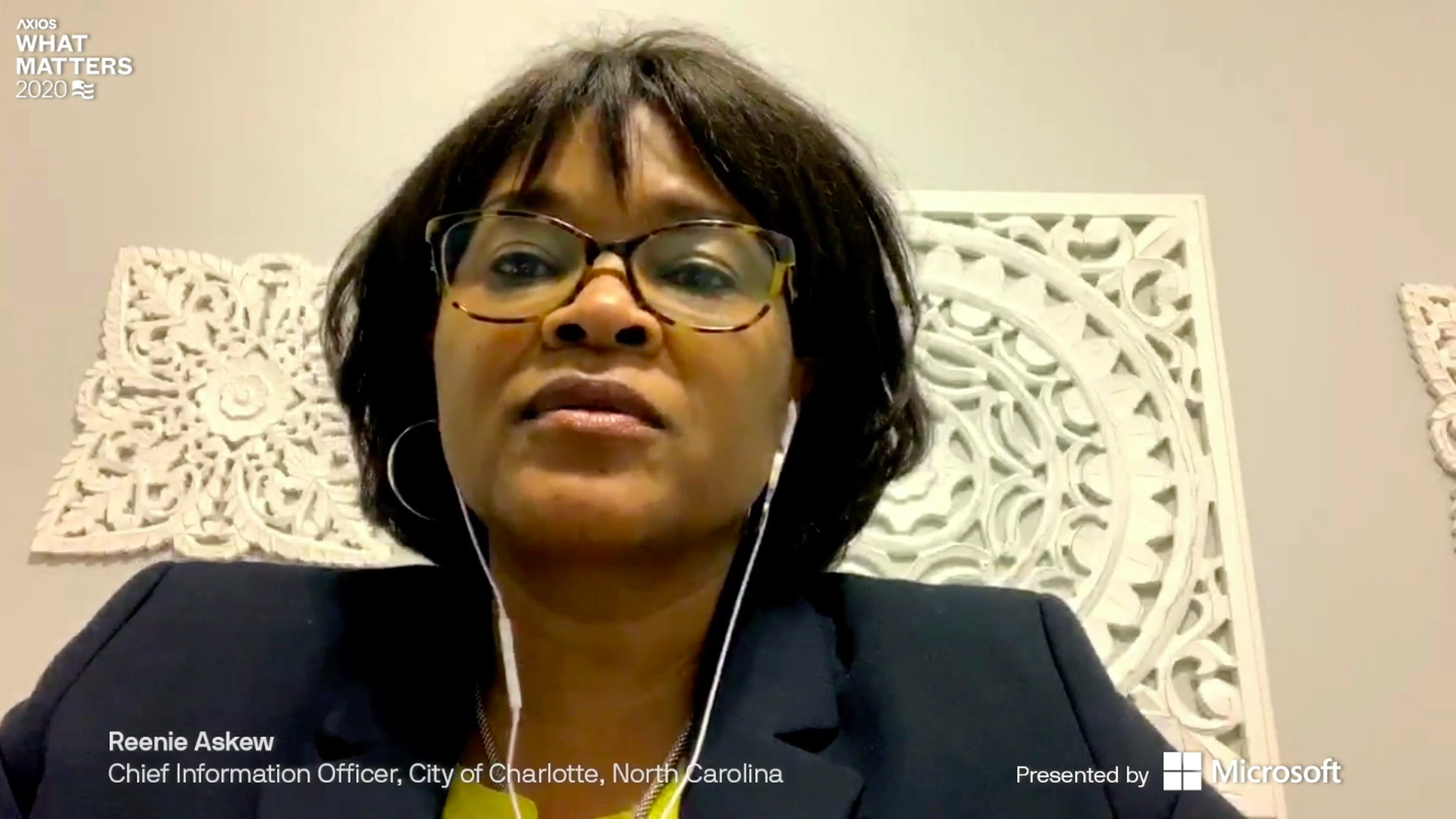
The coronavirus pandemic has emphasized the need for connecting underserved communities to the digital world, Thomas Parrish, the acting chief information officer of North Carolina's Information Technology Department, said on Tuesday at an Axios virtual event on the Future of Employability.
Why it matters: Countries around the world have been investing in connectivity, Parrish said, and the U.S. is now starting to realize that broadening internet access is "now something we can no longer afford to miss."
Taiwan has recently issued a series of restrictions on Chinese tech companies, from streaming apps to e-commerce.
Why it matters: Critics say that recent U.S. restrictions on Chinese tech companies stem from Trumpism rather than legitimate concerns. But Taiwan is spooked by Chinese tech as well.
Sales of PCs, webcams and other tech products that help people work, learn and play at home are up, while products designed for the highly mobile are losing ground.
The big picture: The pandemic has shifted where Americans spend their time — and, consequently, where they are spending their tech dollars.
Facebook is expediting the launch of its Facebook News tab in countries beyond the U.S., the company will announce Tuesday. Sources tell Axios that Facebook is working out deals to pay publishers in several countries to include their content in the News tab, just as the firm does in the U.S.
Yes, but: One notable absence from the list of countries is Australia. A source confirms that the company likely won't be launching Facebook News there for the foreseeable future, because of a battle Facebook is fighting with Australian regulators who intend to require the platform to pay news companies on the regulators' terms.
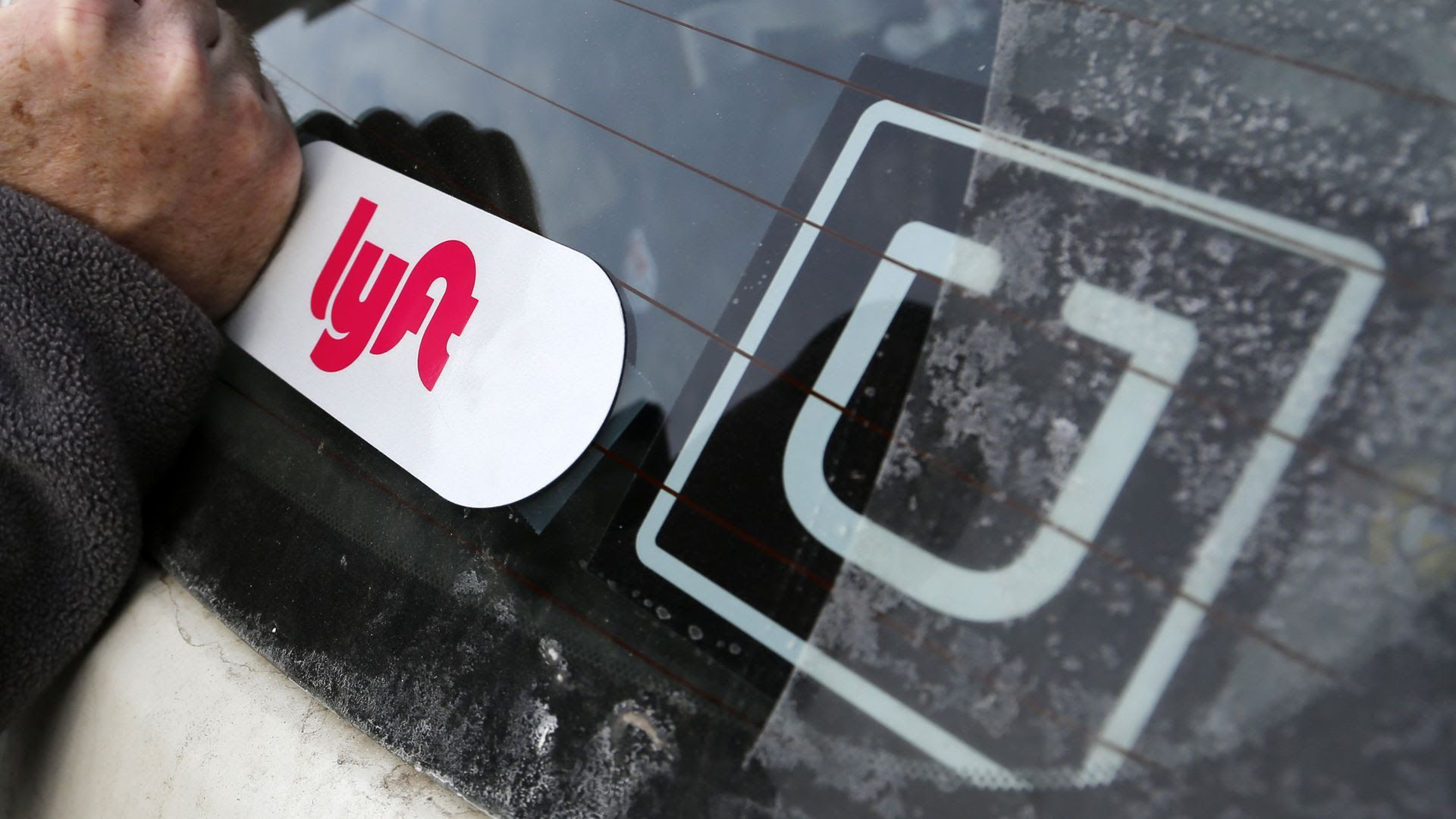
Uber, in a fierce fight in California to continue treating drivers as independent contractors, on Tuesday will release a Benenson Strategy Group poll finding support for a new benefits approach outlined in a New York Times op-ed by CEO Dara Khosrowshahi.
What it says: "Drivers and Voters overwhelmingly support Uber’s new Independent Contractor (IC) plan ... that allows Drivers to continue to work as Independent Contractors, maintaining the flexibility and freedom of working independently, but gives them access to benefits that today are only available to employees under existing labor laws."
The latest startups from Silicon Valley accelerator Y Combinator that showed off their products at its demo day Monday are the first group to experience the entire three-month program under COVID-19's shadow.
What's new: The pandemic not only pushed the whole Y Combinator process fully online but in many cases also shaped the startups' choice of market and product, with many tackling suddenly booming areas like online education, e-commerce, and remote communications.
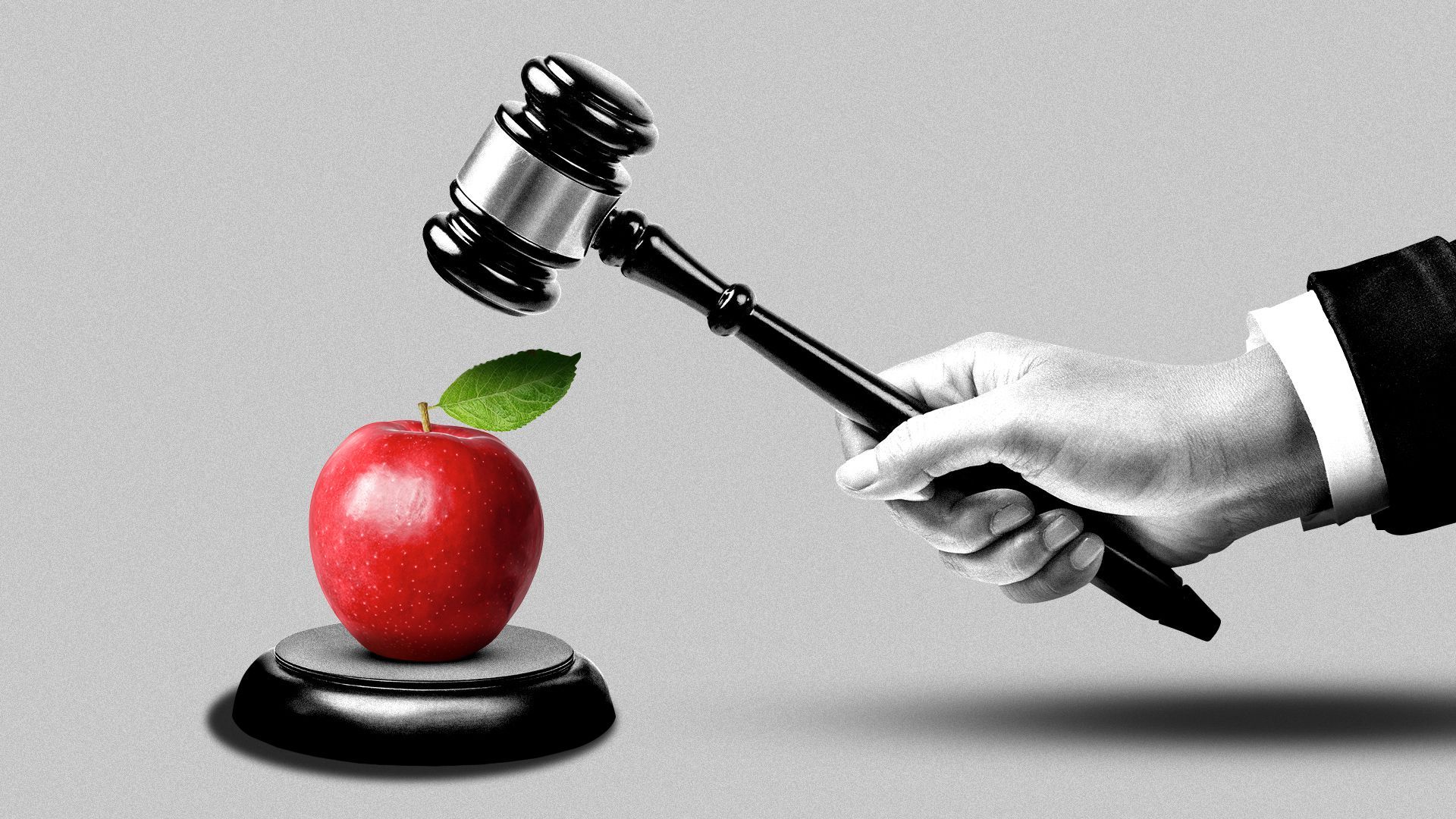
A federal judge temporarily ruled late Monday that while Apple doesn't have to reinstate Epic Games' Fortnite app, it cannot cut off the company's Apple developer account or restrict the use of its Unreal gaming engine by third-party developers as it had threatened to do on Aug. 28.
Why it matters: Epic Games picked a fight earlier this month with Apple over some of its strict App Store rules. The dispute has drawn other app makers critical of the iPhone maker's stronghold on how iOS apps are distributed and taxed by Apple just as the company faces increased antitrust scrutiny.
Apple is acquiring Spaces, a virtual reality firm that recently pivoted from creating theme park attractions to bringing traditional video conferencing software to VR headsets.
Why it matters: Apple has shown continued interest in both virtual and augmented reality and has been reportedly testing headsets internally, but it has yet to release such a product publicly.