Apple on Friday urged a court not to give Epic Games a reprieve from being kicked out of iOS, saying the firm acted akin to a shoplifter by inserting its own payment system into Fortnite.
Why it matters: The battle between Apple and Epic is a high-stakes one, with Apple risking attracting even more antitrust scrutiny and Epic potentially not only seeing Fortnite permanently banned from the App Store, but also left unable to update its Unreal gaming engine.
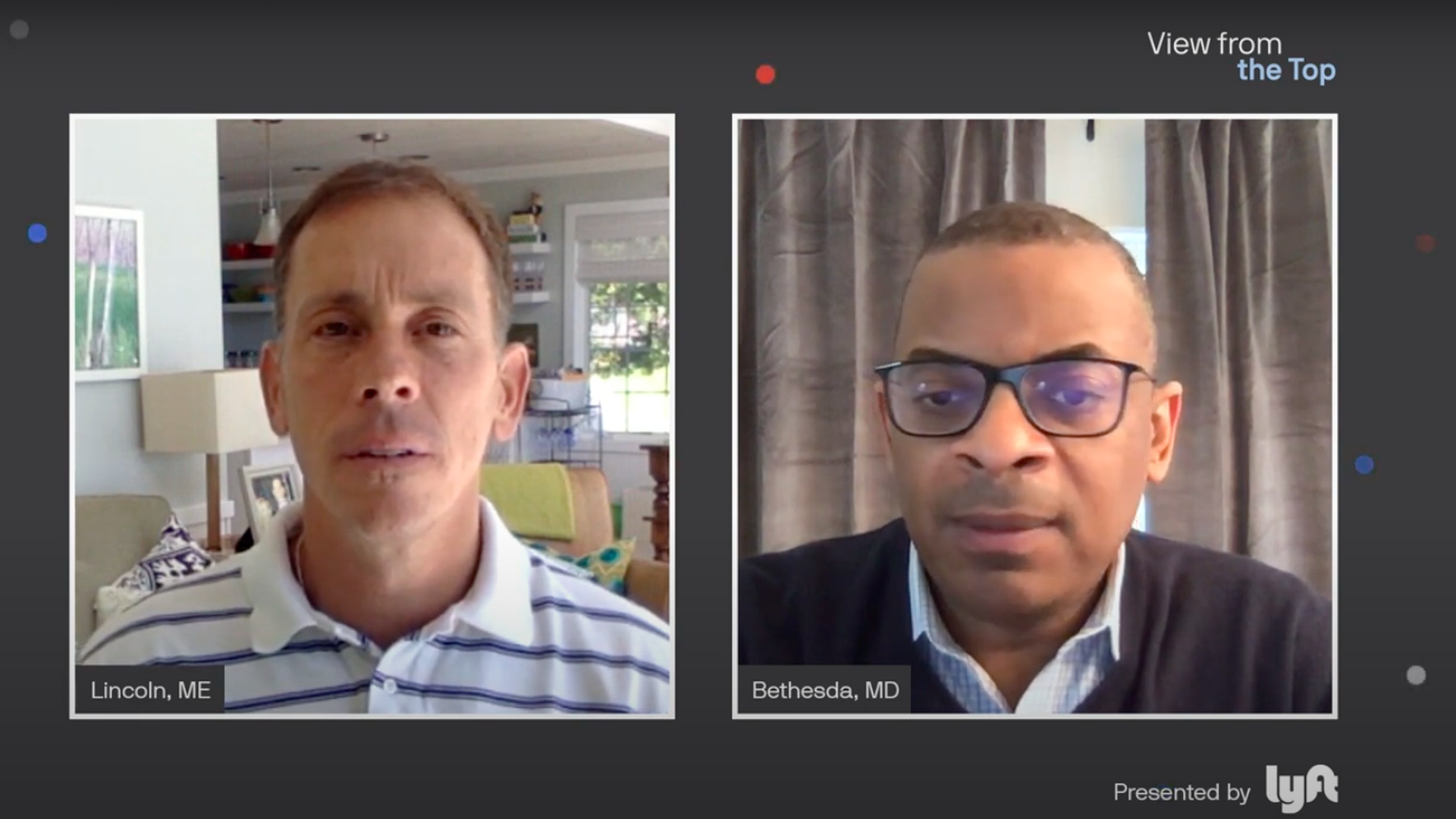
In one of his first interviews since ride-sharing companies won its court order delay in California, Lyft's Chief Policy Officer Anthony Foxx tells Axios that drivers "don't want to be employees and want more flexibility."
The big picture: An appeals court in California Thursday granted Uber and Lyft a stay on an injunction that would have forced the companies to reclassify drivers as employees.
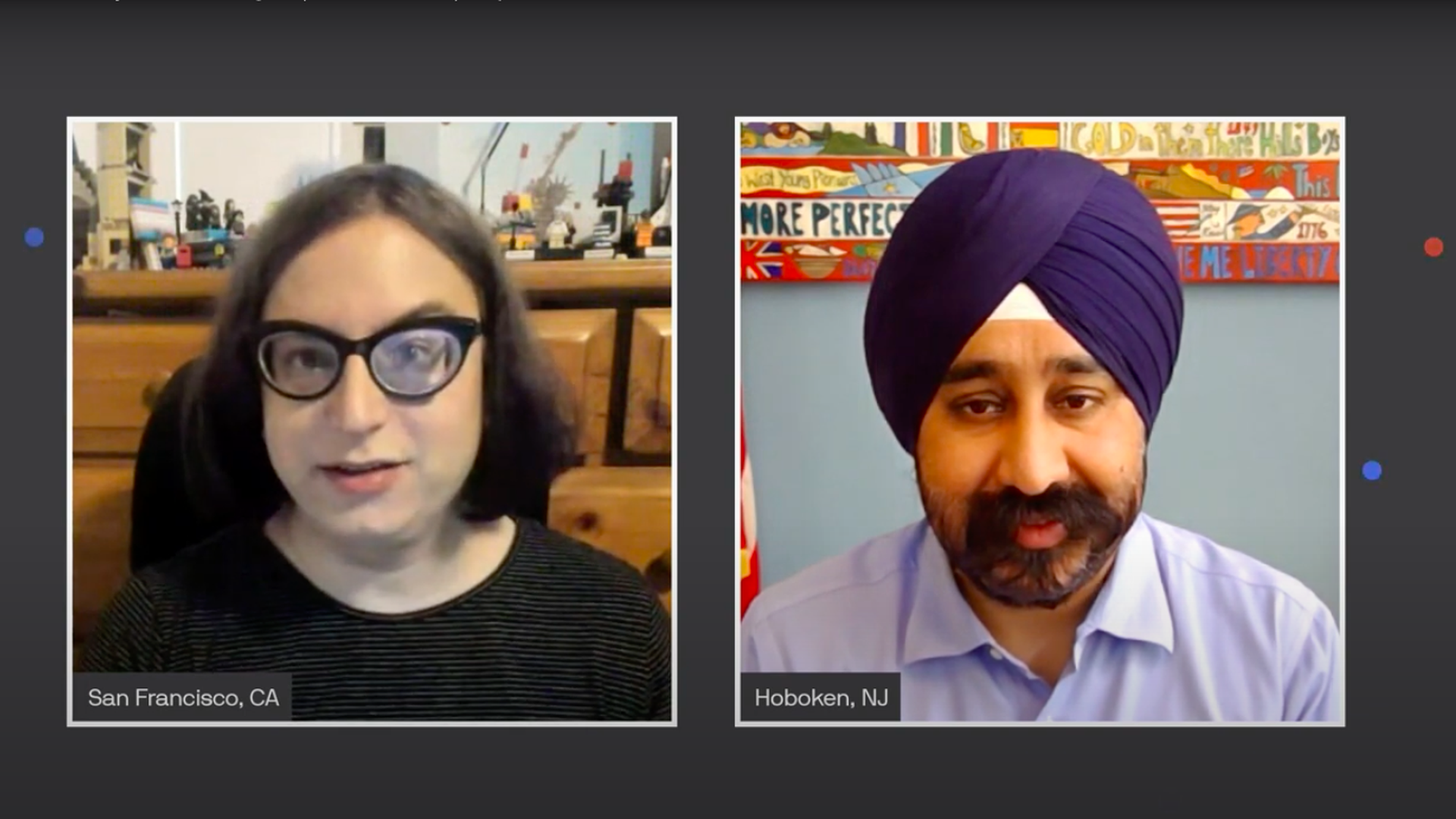
Hoboken, N.J., Mayor Ravinder Bhalla said at an Axios virtual event Friday that the city is ramping up its bike-share program with Citi Bike to make commuting to Manhattan and Jersey City easier.
Why it matters: Hoboken is the fifth-most densely populated city in the country and many of its residents use public transit. Fear of using public transit is still high during the coronavirus pandemic.
Consumers want more camera views in their vehicles, but don't care for gesture controls, according to the J.D. Power 2020 U.S. Tech Experience Index (TXI) Study.
Why it matters: New technology can be a big factor in deciding which vehicle to buy, but high-tech features need to be intuitive and reliable — or consumers will get frustrated and feel they've wasted their money, the study found.
The TikTok shot clock is down to just 25 days, by which time it either has a deal for its U.S. business or has a presidential shutdown notice pinned to its back.
The state of play: Everyone is taking this timeline very seriously. It's possible that President Trump would give an extension, or find another rhetorical wriggle to save millennial face, but those close to the situation say it's a risk they have no intention of taking.
Some 13,500 tech workers with day jobs at companies like Facebook, Google, Netflix and Disney are volunteering in their spare time to help down-ballot Democratic candidates in competitive state-level races with digital tools and marketing.
Why it matters: Democrats in recent years have fared worse at harnessing technology to their advantage in campaigning, treating campaigns less like a business than their Republican counterparts. The stakes are higher in building a tech-savvy campaign in 2020's incredibly competitive landscape.
The gig economy model powering a number of key tech giants threatens to break down in California, in a battle that may spill out across the country over whether gig workers should be considered employees.
Why it matters: Treating gig companies' workers as employees would guarantee them benefits and other rights they don't necessarily get as independent contractors. But the prospect presents an existential threat to the firms' business models.
The Open Technology Fund (OTF) is suing the U.S. Agency for Global Media (USAGM) over roughly $20 million in congressionally appropriated funds it says the government is refusing to provide, Axios has learned.
Why it matters: There's bipartisan uproar from Congress over the funding that OTF says is being withheld. The USAGM, whose new CEO is seeking to replace OTF leaders with Trump loyalists, is required by law to provide the funding via federal grants, but it has given shifting rationales for why the money has been held up.
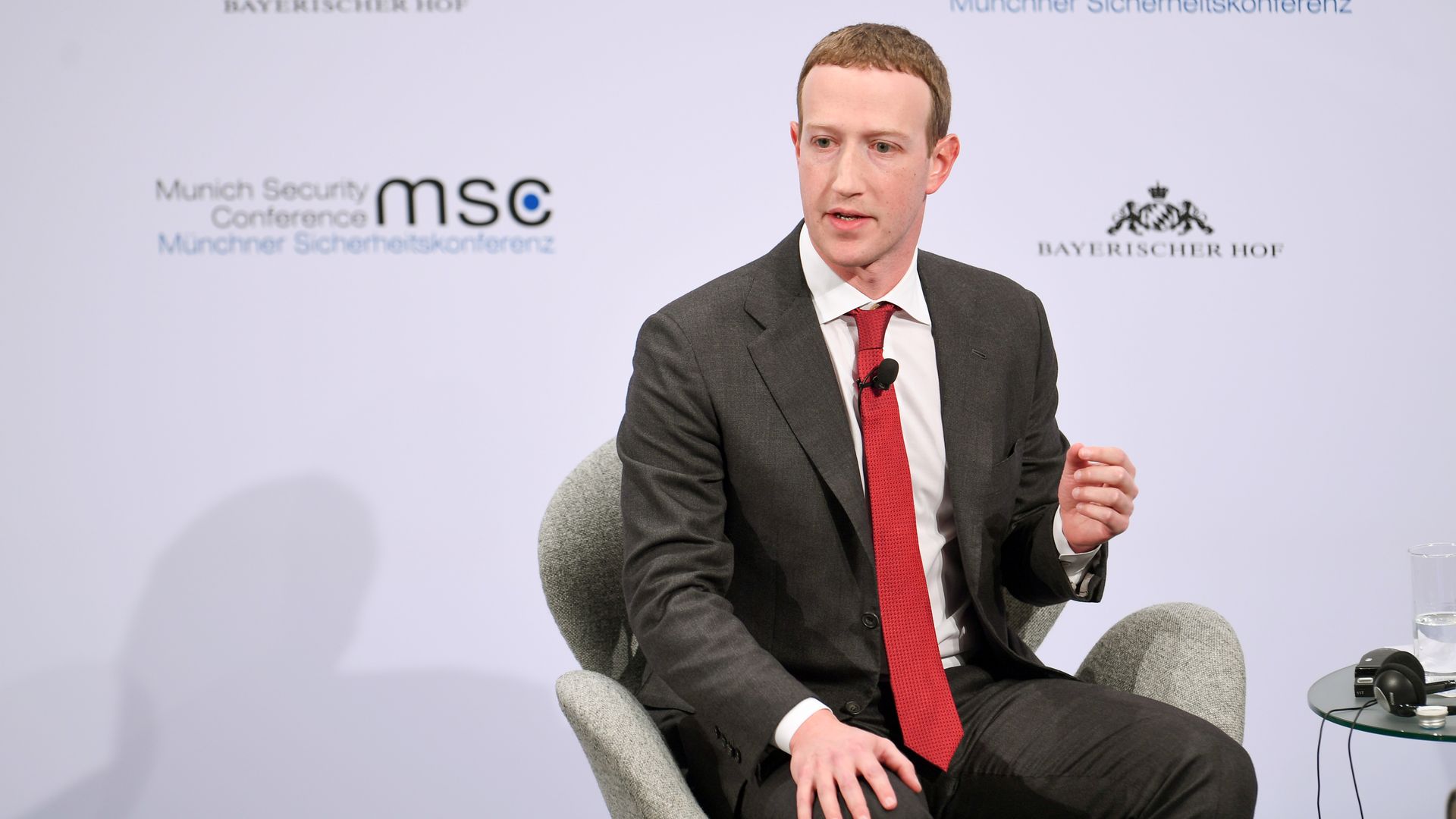
Facebook CEO Mark Zuckerberg testified during a Federal Trade Commission hearing this week as part of the agency's antitrust investigation into the social media company, Politico reports.
Why it matters via Axios' Ashley Gold: The FTC deposing Zuckerberg is not a surprising move in an antitrust case that may result in a lawsuit. It also gives the agency some cover after being criticized for not having Zuckerberg testify in the Cambridge Analytica data scandal case.
Uber's former chief security officer, Joe Sullivan, was charged Thursday for obstructing justice and concealing a felony for his role in attempting to cover up a 2016 hack that compromised the data of millions of Uber customers and drivers.
The big picture: The hack didn't become public until a year after it happened, prompting the company's then-new CEO, Dara Khosrowshahi, to fire Sullivan and some of his deputies for their handling of the incident.
An appeals court in California granted Uber and Lyft a stay on an injunction that would have forced the companies to reclassify drivers as employees Friday morning.
Why it matters: The stay came just 12 hours before the companies planned to suspend their ride-hailing services across California rather than comply with the injunction. They're now free to continue with business as usual while the appeal process plays out.
Congressional Democrats and Republicans are crying foul as evidence mounts that an agency meant to promote U.S. interests abroad is undermining the Open Technology Fund.
Why it matters: The OTF supports tech tools to help dissidents in authoritarian regimes escape government surveillance and censorship. That mission is in jeopardy as the U.S. Agency for Global Media (USAGM), which is looking to revive its own Office of Internet Freedom, threatens OTF funding.
TikTok has removed thousands of accounts, videos and comments linked to hate speech this year, the company said Thursday.
Why it matters: As the platform grows bigger and faces more scrutiny, TikTok wants to be proactive in how it approaches sensitive issues, like hate speech, especially in the lead up to the 2020 election.
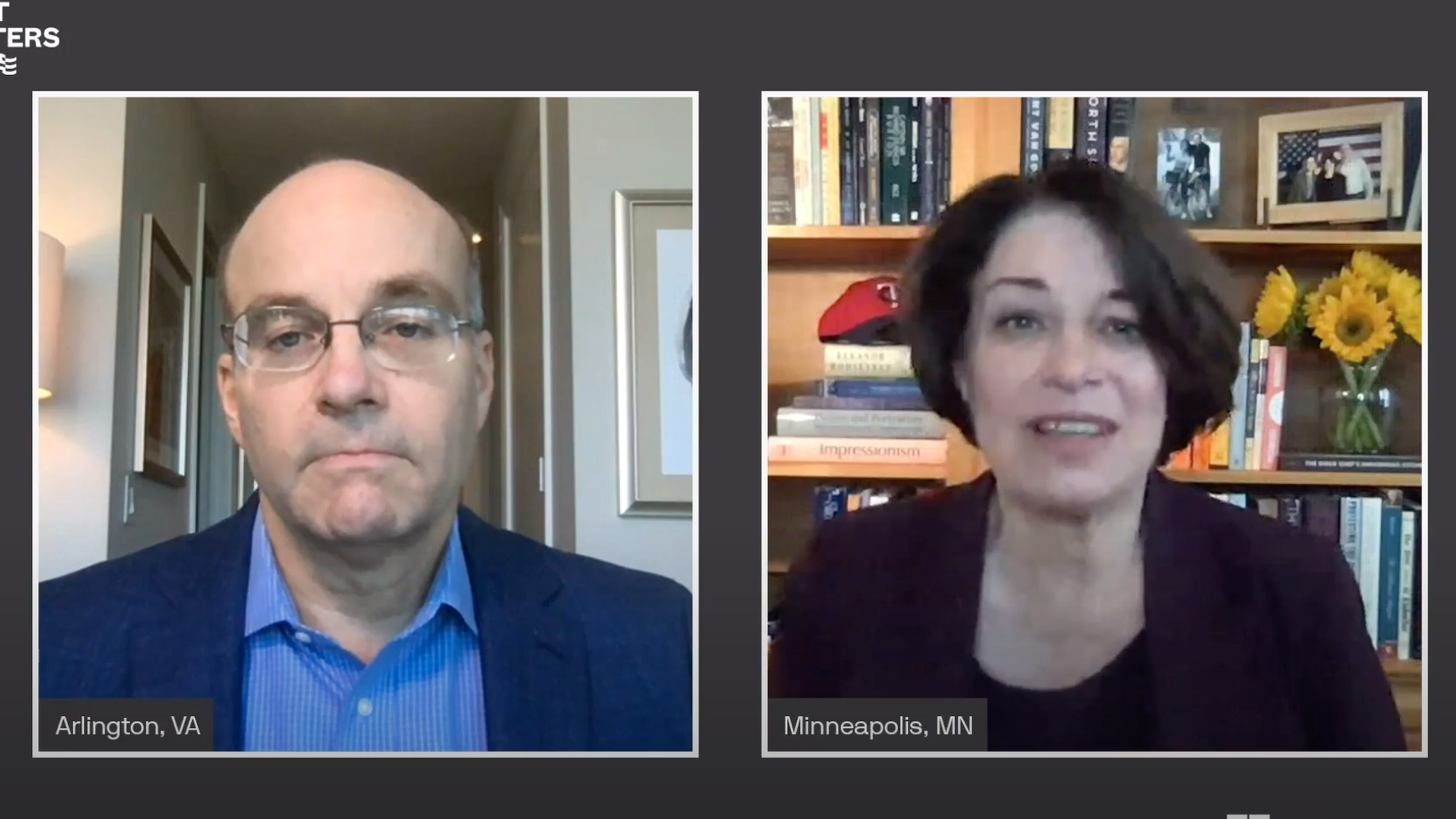
Sen. Amy Klobuchar (D-Minn.) and Microsoft President Brad Smith warned of ongoing election interference through technology on Thursday at an Axios virtual event on the Future of Employability.
What they're saying: "It was four years ago at the Democratic National Convention in Philadelphia that our eyes were first opened to nation-state cyberattacks on candidates and campaigns ... Here we are again four years later ... We have stronger defenses ... but the threats are becoming more sophisticated," Smith said.
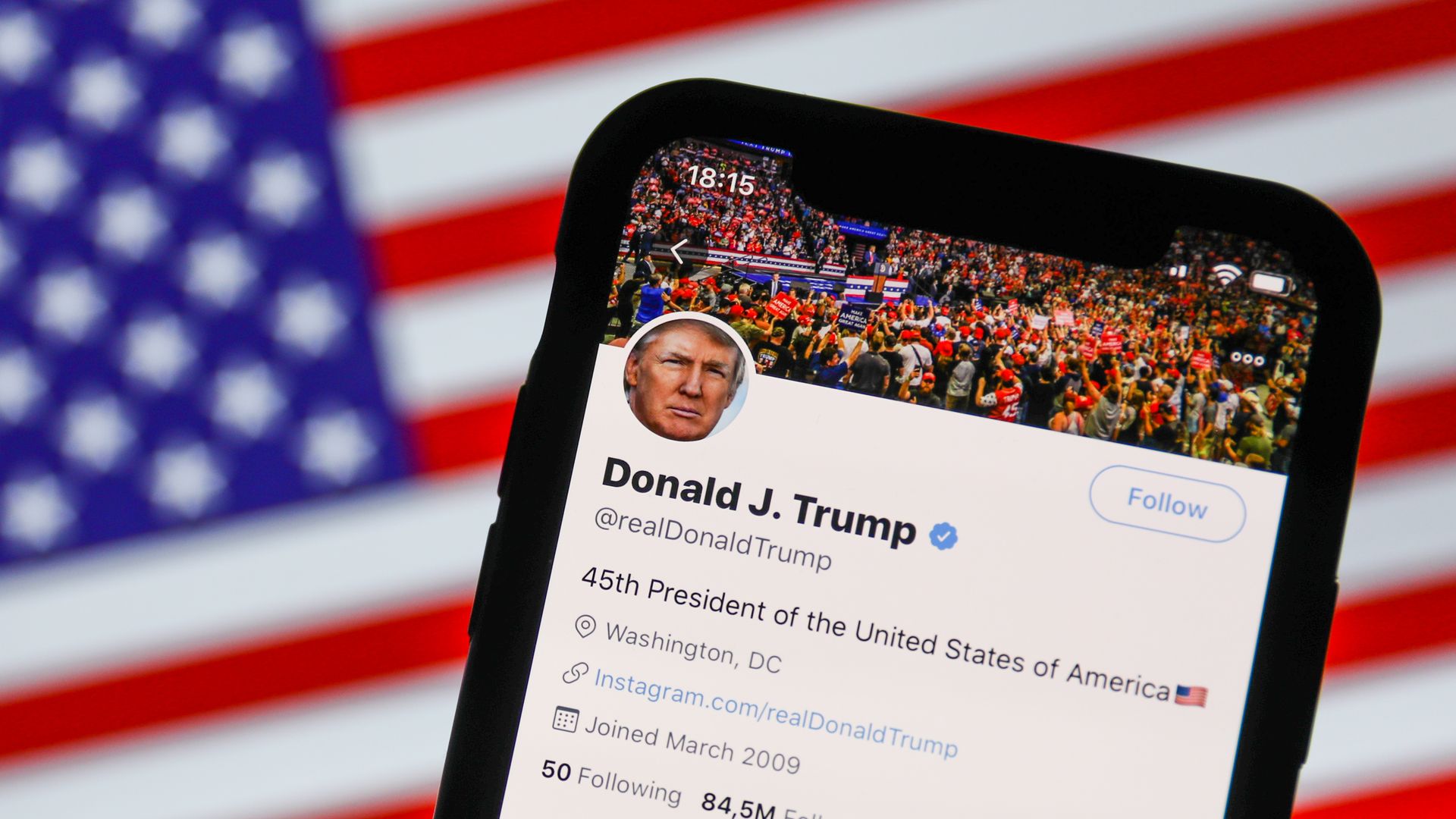
The Trump administration Thursday asked the U.S. Supreme Court to overturn a lower-court ruling that the president can't block critics on Twitter because doing so violates the First Amendment.
The big picture: Trump's use of Twitter has been a defining feature of his presidency, with his habit of often posting and retweeting inflammatory and misleading content. Despite the earlier ruling and Twitter becoming more willing to push back on his false tweets, Trump largely has free rein on the platform.
Nearly two months after Reddit made changes to its hate speech policies, including banning the pro-Trump subreddit r/The_Donald, along with 2,000 other subreddit groups and users, it says it's already seeing a lot less hate speech on its platform.
Why it matters: Reddit has for years faced intense scrutiny for its hands-off policies on hate speech. The recent protests around racial justice finally pushed it to make changes to its rules this summer.
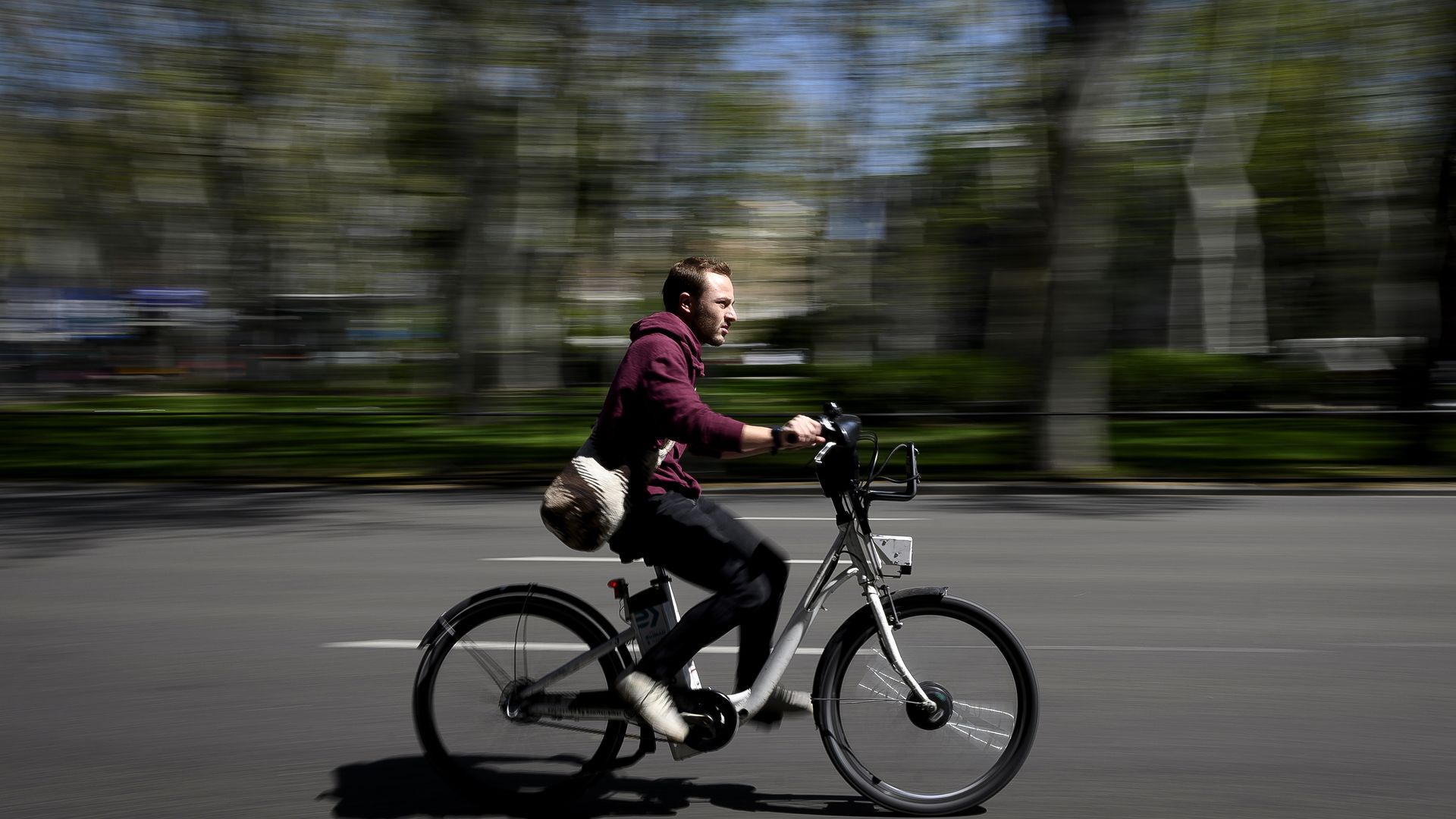
Electric bikes are seeing a major spike in sales that began even before the coronavirus pandemic but has sharply accelerated since March.
Why it matters: E-bike manufacturers are racing to keep up with the newfound demand as people, wary of crowded public transit and facing less congestion from commuting cars, adopt new ways of getting around.
A Defense Department agency is giving the green light to the military and federal agencies to buy U.S.-manufactured drones from five companies.
The big picture: The move comes amid a crackdown on Chinese-made drones and is the result of an 18-month effort from the Defense Innovation Agency, a unit that makes it easier for the government to do business with small, innovative companies.
Efforts by Facebook to appear politically neutral are growing complicated as critics on the left allege the company is over-pandering to conservatives and critics on the right allege the tech giant is biased against them.
Why it matters: Because of the enormous role Facebook plays in political campaigns, it risks being blamed for the outcome of the presidential election — regardless of who wins.
The government should establish a new Digital Platform Agency to regulate major tech firms, three Democratic former federal officials argue in a new paper from Harvard's Shorenstein Center shared first with Axios.
Why it matters: This is the latest proposal being offered up as policymakers weigh possible methods of reining in Big Tech beyond rewriting antitrust laws or taking a gamble on enforcement action under existing ones.
Oracle is a rare creature: a tech giant that's managed to remain fully in President Trump's good graces. Now, that position could help it end up acquiring TikTok over Microsoft.
Between the lines: Typically, a company's relationship with the president would have little bearing on who prevails in competing M&A bids. But these are atypical times.