A tiny, lightweight beetle-inspired robot fueled by alcohol can crawl on its own for up to two hours.
Why it matters: Researchers have long dreamed of creating tiny autonomous robots that could explore small spaces to inspect infrastructure, assist in disaster relief or drop pollen on flowers. But bringing the required power and control to insect-sized robots has been challenging.
Apple on Friday urged a court not to give Epic Games a reprieve from being kicked out of iOS, saying the firm acted akin to a shoplifter by inserting its own payment system into Fortnite.
Why it matters: The battle between Apple and Epic is a high-stakes one, with Apple risking attracting even more antitrust scrutiny and Epic potentially not only seeing Fortnite permanently banned from the App Store, but also left unable to update its Unreal gaming engine.
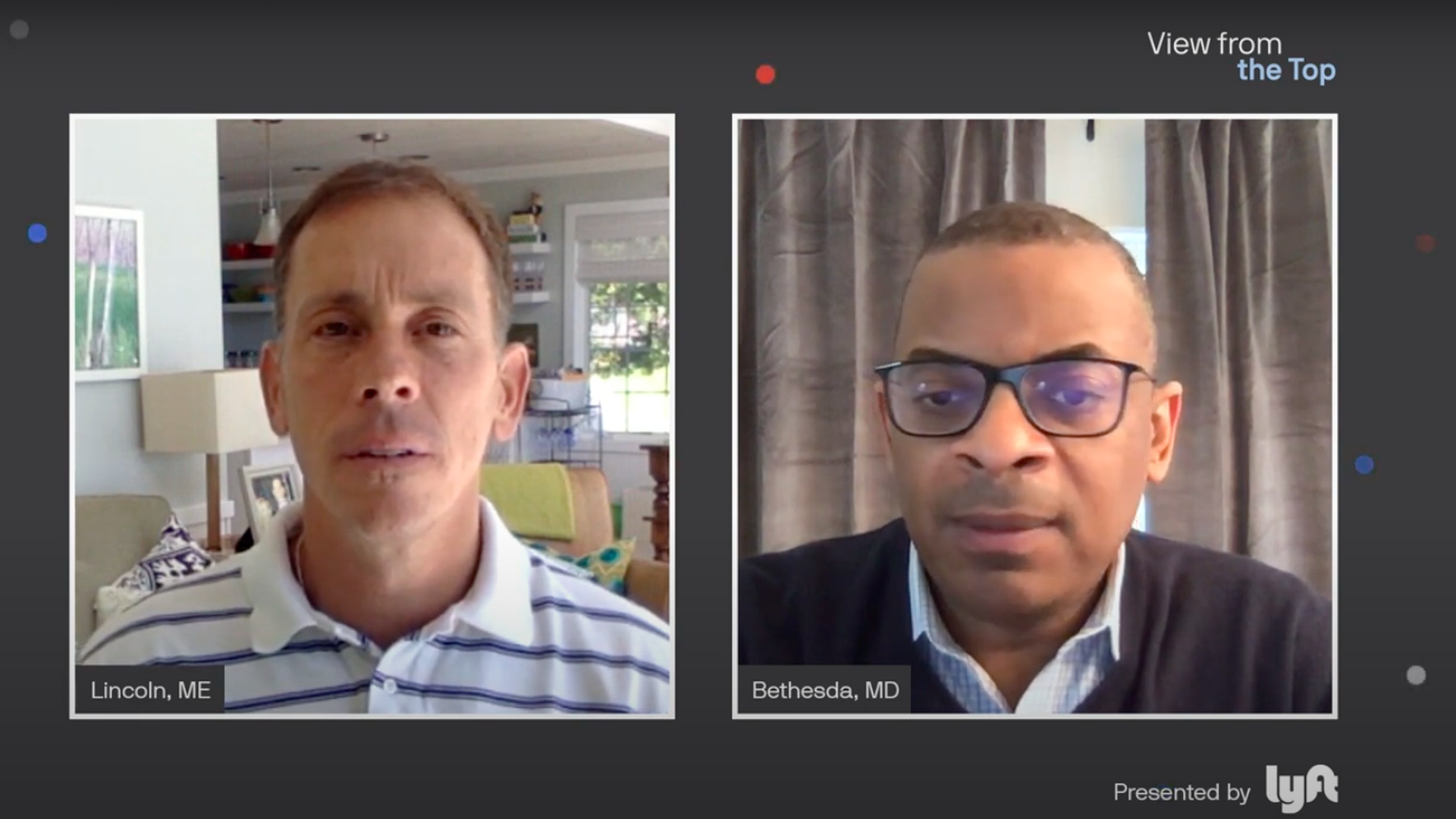
In one of his first interviews since ride-sharing companies won its court order delay in California, Lyft's Chief Policy Officer Anthony Foxx tells Axios that drivers "don't want to be employees and want more flexibility."
The big picture: An appeals court in California Thursday granted Uber and Lyft a stay on an injunction that would have forced the companies to reclassify drivers as employees.
Hoboken, N.J., Mayor Ravinder Bhalla said at an Axios virtual event Friday that the city is ramping up its bike-share program with Citi Bike to make commuting to Manhattan and Jersey City easier.
Why it matters: Hoboken is the fifth-most densely populated city in the country and many of its residents use public transit. Fear of using public transit is still high during the coronavirus pandemic.
Consumers want more camera views in their vehicles, but don't care for gesture controls, according to the J.D. Power 2020 U.S. Tech Experience Index (TXI) Study.
Why it matters: New technology can be a big factor in deciding which vehicle to buy, but high-tech features need to be intuitive and reliable — or consumers will get frustrated and feel they've wasted their money, the study found.
The TikTok shot clock is down to just 25 days, by which time it either has a deal for its U.S. business or has a presidential shutdown notice pinned to its back.
The state of play: Everyone is taking this timeline very seriously. It's possible that President Trump would give an extension, or find another rhetorical wriggle to save millennial face, but those close to the situation say it's a risk they have no intention of taking.
Some 13,500 tech workers with day jobs at companies like Facebook, Google, Netflix and Disney are volunteering in their spare time to help down-ballot Democratic candidates in competitive state-level races with digital tools and marketing.
Why it matters: Democrats in recent years have fared worse at harnessing technology to their advantage in campaigning, treating campaigns less like a business than their Republican counterparts. The stakes are higher in building a tech-savvy campaign in 2020's incredibly competitive landscape.
The gig economy model powering a number of key tech giants threatens to break down in California, in a battle that may spill out across the country over whether gig workers should be considered employees.
Why it matters: Treating gig companies' workers as employees would guarantee them benefits and other rights they don't necessarily get as independent contractors. But the prospect presents an existential threat to the firms' business models.

/2020/08/22/1598107275326.gif?w=3840)