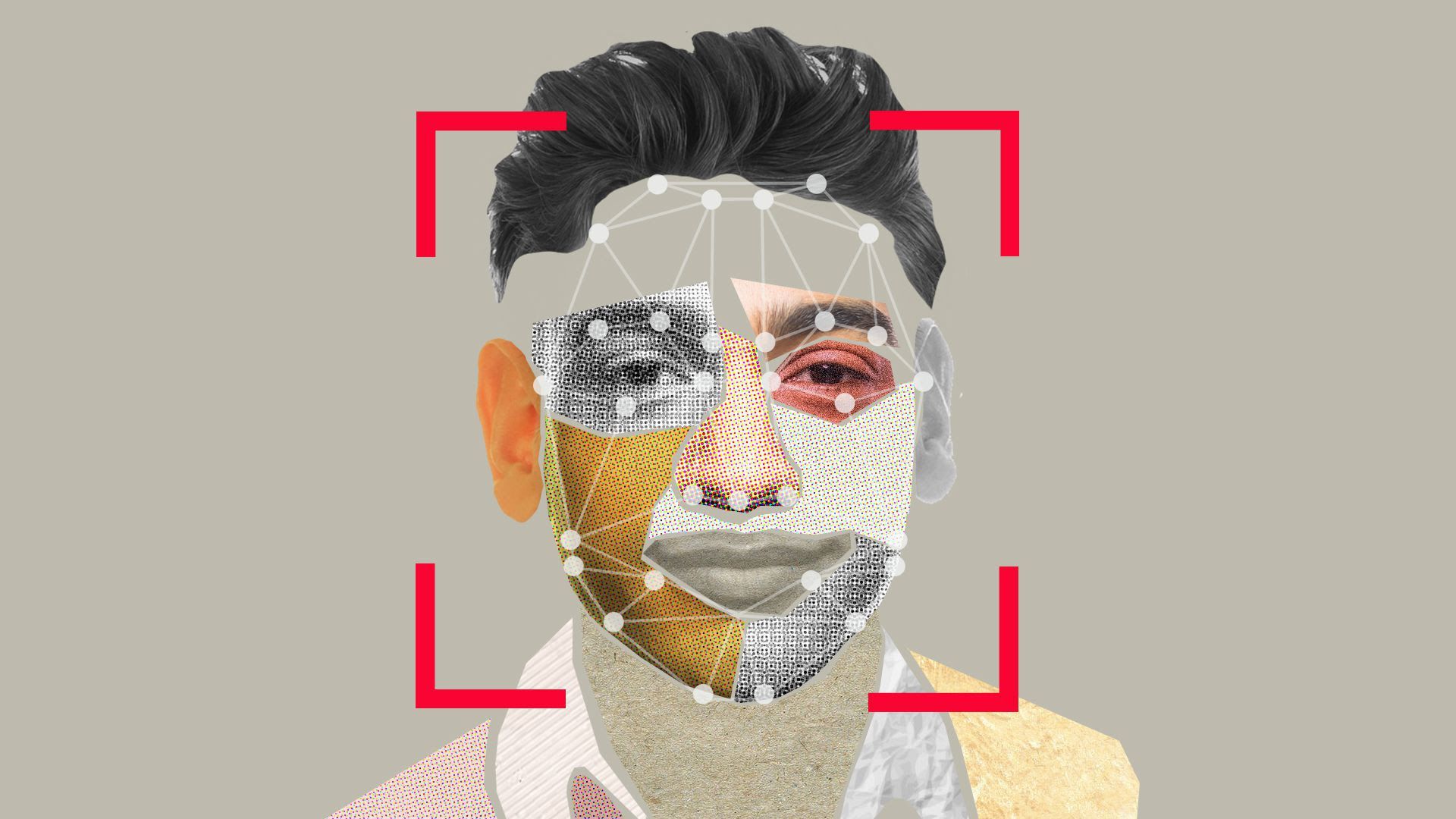
Identity-verification startup Onfido is training its machine-learning system to reduce the bias that leads AI to make more facial recognition errors with dark-complexioned customers than those with lighter skin.
Why it matters: The pandemic-driven boom in telemedicine and fintech has made accurate remote identity-verification technology increasingly important, but these systems will only work fairly if they can identify customers of all races and ethnicities.
A huge controversy in the U.K. over an algorithm used to substitute for university-entrance exams highlights problems with the use of AI in the real world.
Why it matters: From bail decisions to hate speech moderation, invisible algorithms are increasingly making recommendations that have a major impact on human beings. If they're seen as unfair, what happened in the U.K. could be the start of an angry pushback.
Airbnb said Wednesday that it confidentially submitted paperwork to the Securities and Exchange Commission to go public.
Why it matters per Axios' Dan Primack: Airbnb had been widely expected to go public earlier in the year, but paused when the pandemic incapacitated global hospitality. What's still unknown is how much the company has rebounded since this spring and whether investors will effectively give the company a mulligan for 2020.
Facebook announced on Wednesday it has banned or restricted hundreds of groups, pages and Instagram accounts that "demonstrated significant risks to public safety" via their ties to the right-wing QAnon conspiracy movement.
Why it matters: QAnon has morphed from a fringe conspiracy theory into a sprawling network of falsehoods sowing fear and confusion as it has seeped into the mainstream and taken stances on critical issues like the coronavirus pandemic and election integrity.
Palantir, the secretive data analysis company, is moving its headquarters to Denver from Palo Alto, according to media reports and the company's own website.
Most Americans say it's very (37%) or somewhat (36%) likely that social media platforms intentionally censor political viewpoints that they find objectionable, according to a new Pew Research Center survey.
Why it matters: The survey shows that the concept of tech censorship, a political argument for the right, has turned into a mainstream belief.
Apple on Wednesday became the first U.S. company to reach a $2 trillion valuation, AP reports.
The state of play: It comes only two years after it became the first to reach $1 trillion. Apple shares are up 60% this year despite factory shutdowns in China and slowed retail sales during the coronavirus pandemic, but its customer base remains fiercely loyal, allowing the company to drive major earnings.
Twitter said Wednesday that it nearly doubled its enforcement actions against accounts engaging in abuse and harassment and saw government requests for user information continue to rise in the back half of 2019.
The big picture: The reveals come as Twitter unveils an expansion of its transparency program. Big Tech firms are seeing greater public and political pressure to both crack down on bad behavior and explain their moderation practices.
Facebook is adding a new capability to its Portal line of smart displays: Video calling using business-oriented services Zoom, Cisco's Webex, Verizon-owned BlueJeans and GoToMeeting.
Why it matters: Such services have become mainstream amid the pandemic, for work, education and personal use.
Shifting this year’s political conventions to be largely virtual affairs has accelerated an effort already underway to ensure the proceedings extend far beyond any convention site to an increasingly digital audience.
Why it matters: The format and technology may have changed dramatically this year but the underlying goals remain the same: energize the base, build momentum and woo voters on the fence.
Microsoft is reviving one of its oldest game franchises — Microsoft Flight Simulator — with a new version that uses ultra-realistic map data to fuel its sky-high ambitions.
The big picture: The new airplane simulator is both a nod to Microsoft's past and an advertisement for the company's present, relying on Bing Maps and Azure to build a game intended exclusively for Windows and Xbox users. It's also a technological marvel, recreating the entire planet in virtual space and setting players loose to fly every inch of it.
In the not-so-distant past, major tech firms made a splashy presence at the national political conventions. This year, they're taking a much quieter role.
The big picture: Silicon Valley and Washington continue to keep each other at arm's length — even though the conventions are only possible in the pandemic era with a vital assist from tech products and platforms.