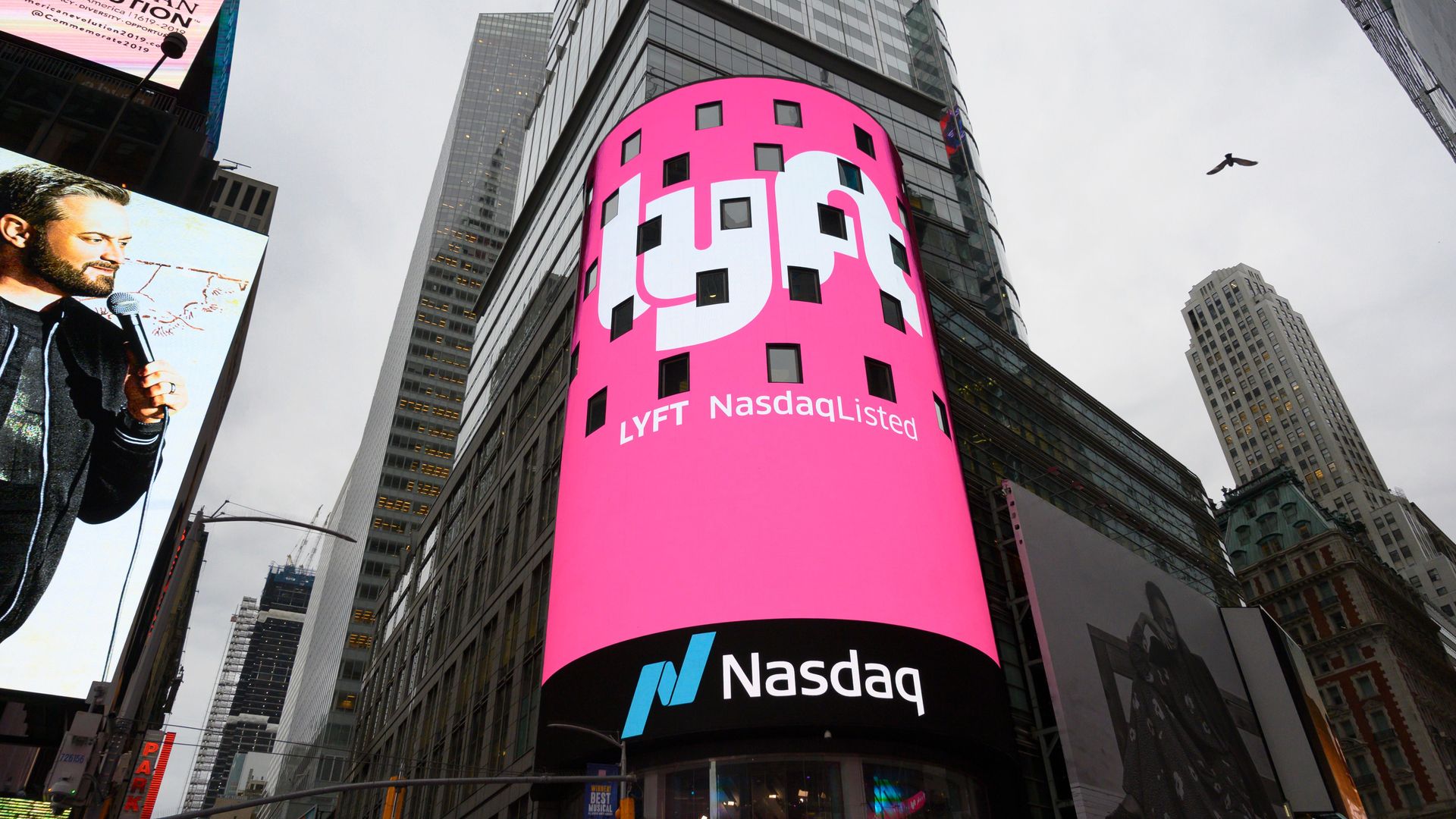
Lyft Wednesday posted narrower losses and higher revenue than expected for the second quarter, though revenue did fall 61% from the same period last year.
Why it matters: Lyft's business has been hard hit by the coronavirus pandemic as people stay home.
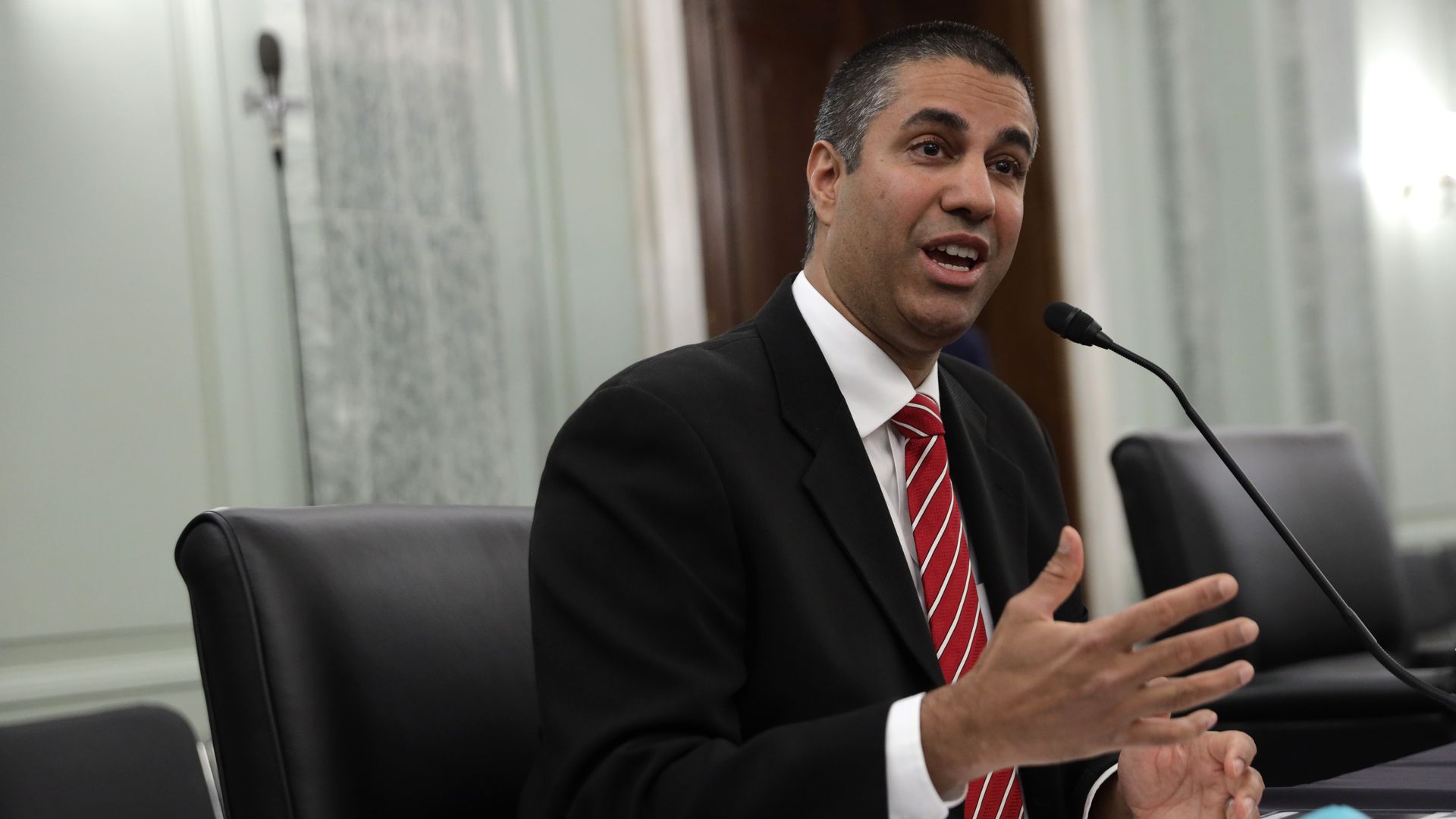
A federal appeals court upheld the Federal Communications Commission's rules that limit municipalities' ability to negotiate with telecom companies such as AT&T and Verizon that are seeking to deploy thousands of 5G antennas on city streets and neighborhoods.
Why it matters: The ruling by the Ninth Circuit Court of Appeals is a blow to dozens of cities that sued the agency, claiming the FCC's 2018 rules takes away their leverage and autonomy in deciding how the telecom industry can install "small-cell" antennas to build 5G networks.
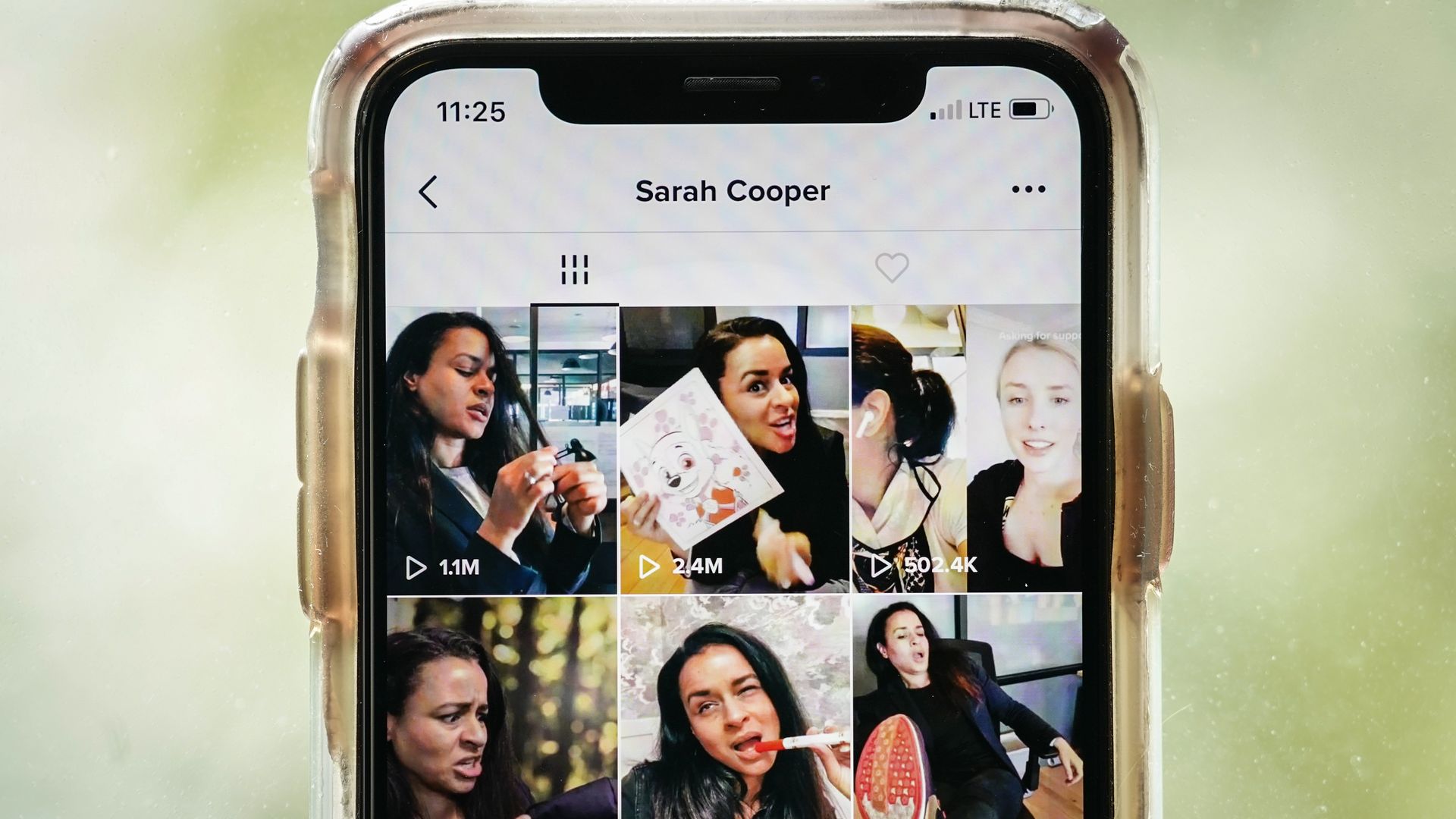
Author Sarah Cooper, best-known for her viral lip-sync impersonations of President Trump on TikTok, will star in a Netflix comedy special in fall 2020, the company announced Wednesday.
The big picture: Cooper, who wrote a pair of best-selling books prior to her internet fame, has seen her platform grow to over 500,000 followers on TikTok and over two million on Twitter, according to Netflix.
Adam Candeub, current acting deputy of the Commerce Department's National Telecommunications and Information Administration, is being elevated to the role of Acting Assistant Secretary, according to an internal email shared with Axios.
Why it matters: His elevation to a top position at NTIA is sure to be controversial. Mother Jones reported in May that Candeub has ties to white nationalists. Candeub is also a vocal critic of Section 230 of the Communications Decency Act, the law that makes it so online platforms are largely not responsible for what others post.
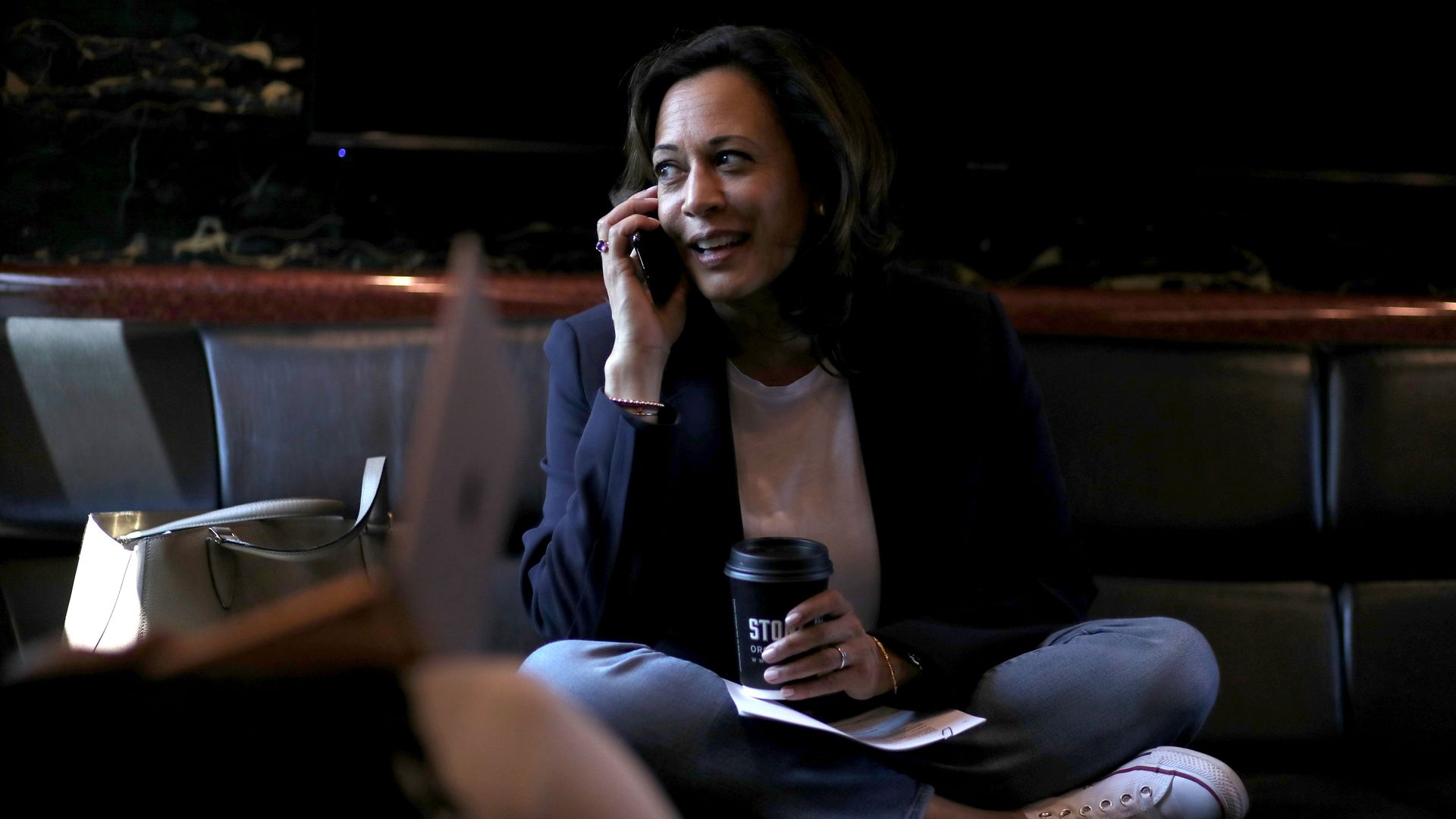
Sen. Kamala Harris, tapped Tuesday as Joe Biden's running mate, is not a "break up Big Tech" crusader. But should Democrats win in November and seek to go after Silicon Valley, she could bring prosecutorial rigor to the case.
Why it matters: The vice president doesn't normally run a president's tech agenda, but can still help set the tone on a wide range of issues for a presidential campaign and administration. Harris' familiarity with the firms in her backyard may give her an outsize role on tech policy.
Why it matters: When TikTok first rolled out the job pledge, it served as a carrot in the political conflict over the social video service, but it's now being held out as a stick.
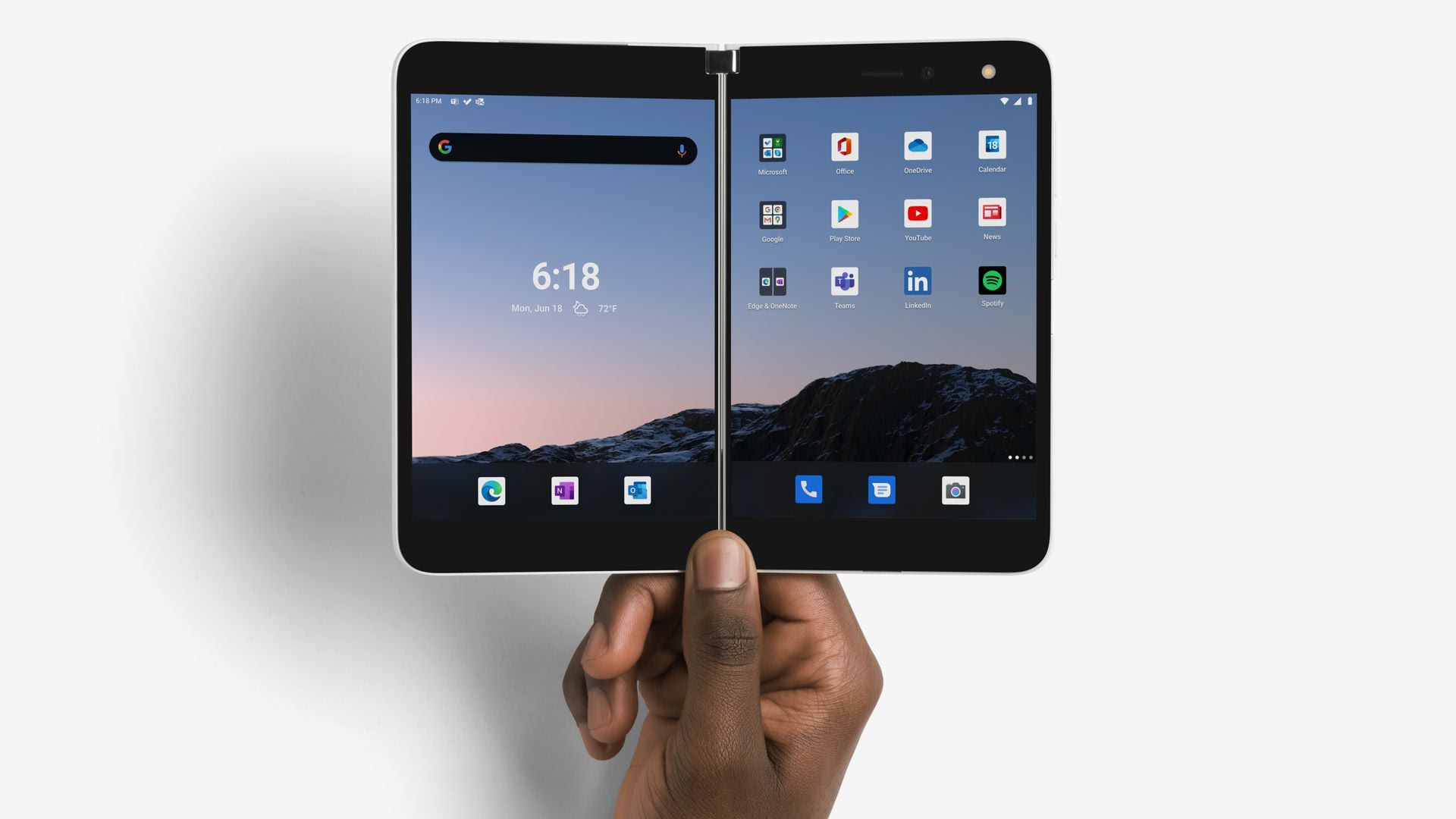
After long teasing the Surface Duo, Microsoft is finally offering full details on the dual-screen Android device, available for pre-order today for a hefty $1,399.
Why it matters: Microsoft hesitates to call it a phone, but it's the closest thing to one the company has made in several years. While it looks like other devices in the Surface line, it's the first Microsoft device to run Google's mobile operating system.
Some businesses fear growing liability while others worry that small and mid-sized firms will get hurt as the U.S. and Europe begin work to replace Privacy Shield, the pact that let thousands of firms transfer data across the Atlantic without breaking EU privacy rules.
Why it matters: Without a replacement in place after the EU's high court struck Privacy Shield down last month, thousands of businesses will be stuck complying with an agreement that no longer applies in the EU while scrambling to figure out how to get data over from Europe without exposing themselves to legal risks.
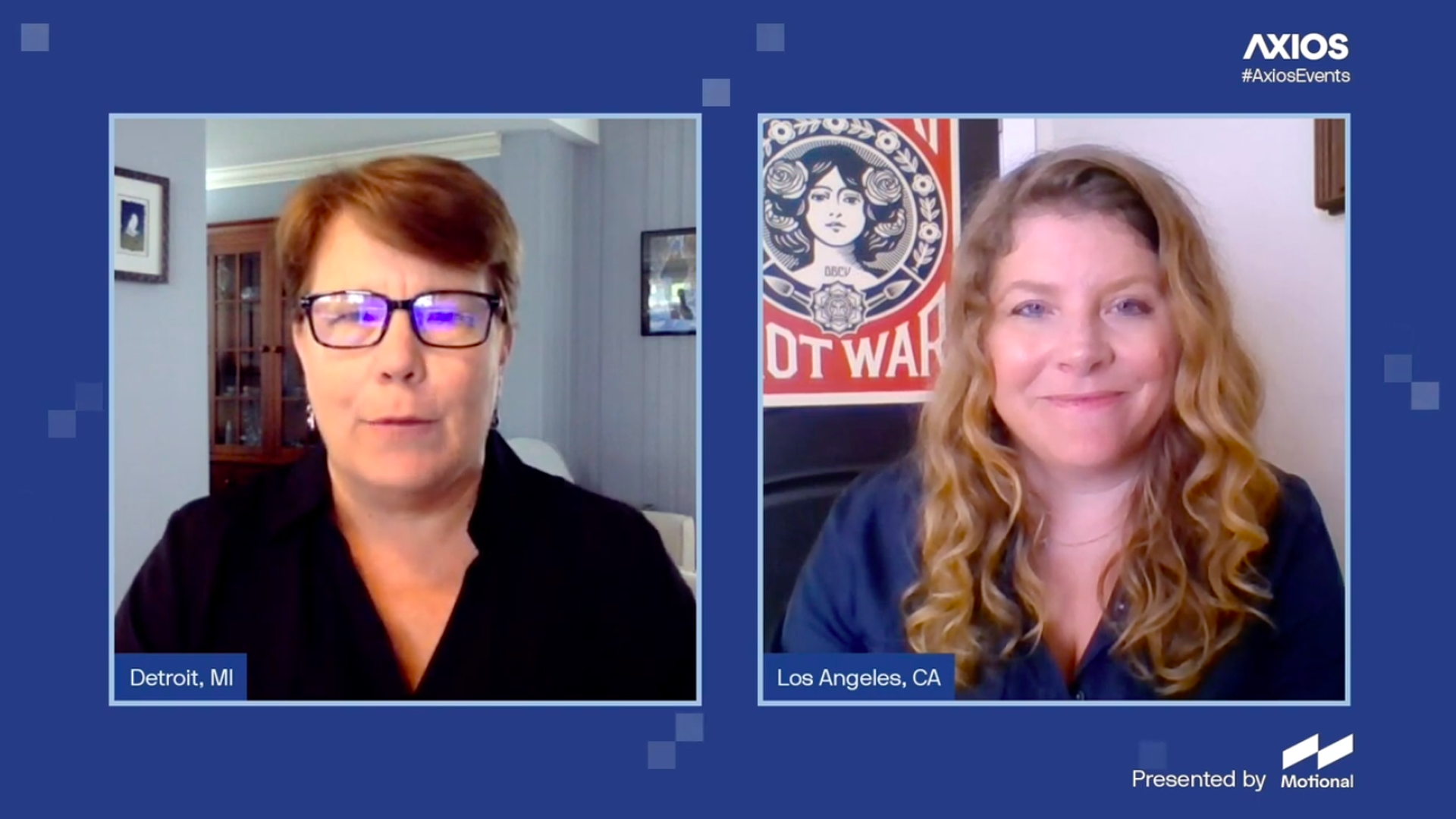
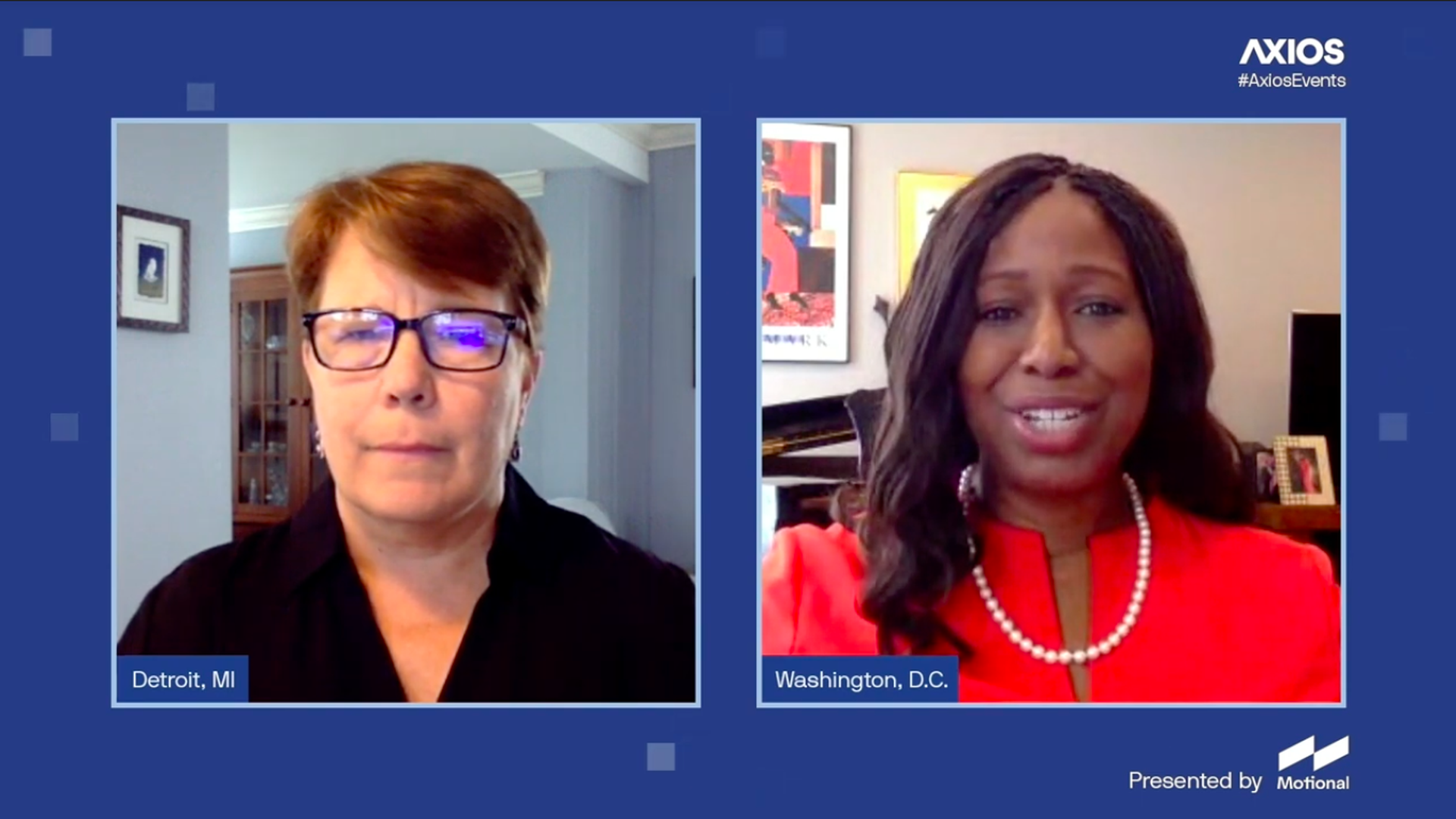
Pedestrian safety sits at the forefront of planning for the adoption of autonomous vehicles in Los Angeles, the city's general manager of the Transportation Department, Seleta Reynolds, said on Tuesday during a virtual Axios event.
Catch up quick: Reynolds said that the lesson learned from working with auto manufacturers, software creators and USDOT for four to five years is "that we probably wouldn't be able to rely on [autonomous vehicles] to solve pedestrian safety, and instead, we would need to take those kinds of things back into our own hands."
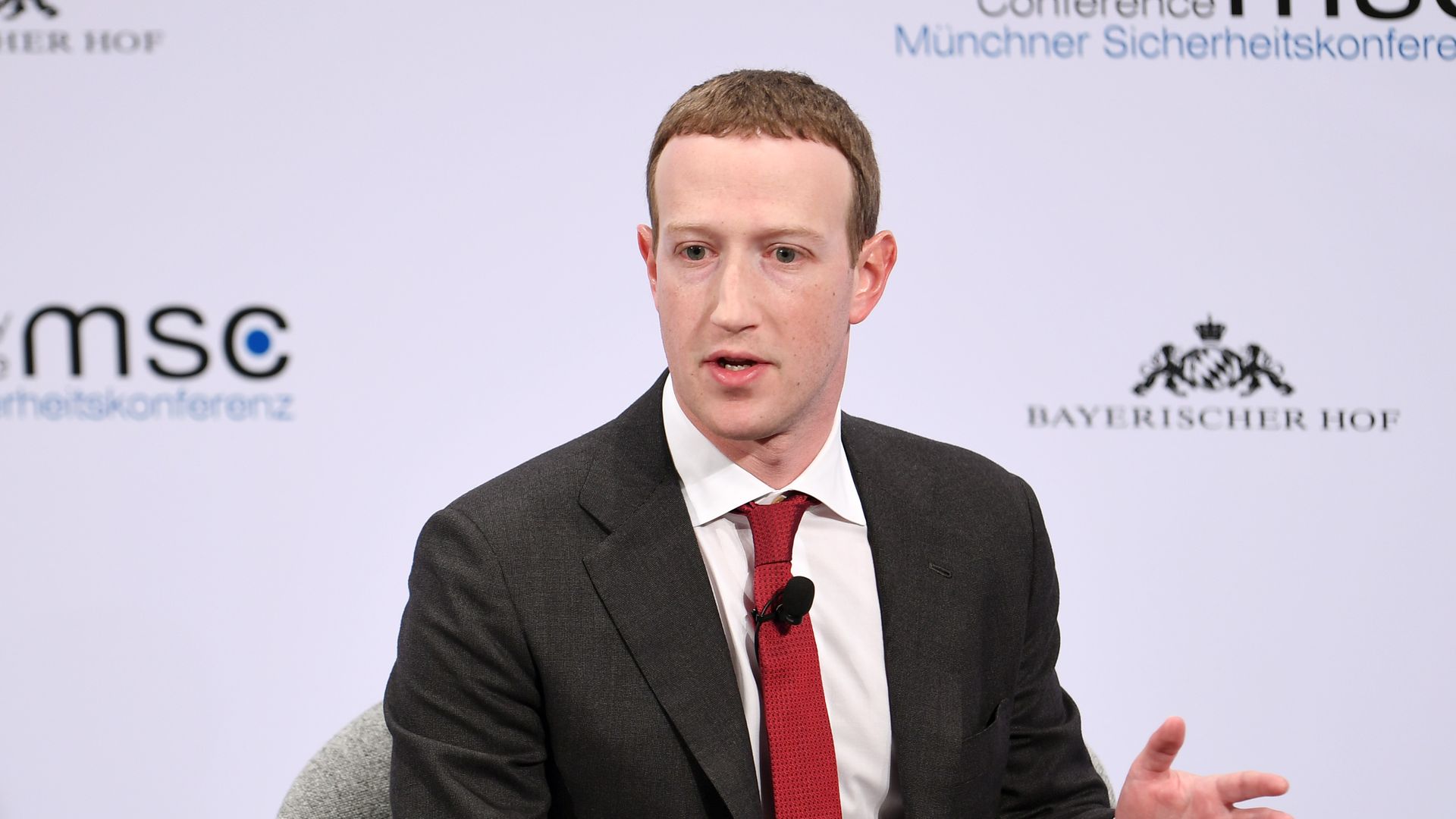
Facebook took down 22.5 million posts for hate speech during the second quarter of this year, more than ten times the number it removed in the same quarter last year and more than twice the number removed in the first quarter of 2020.
Why it matters: The company is facing enormous pressure from the advertising and civil rights communities to address hate speech on its platforms. Last month, civil rights groups initiated a Facebook ad boycott that was joined by over 1,000 advertisers.
Qualcomm isn't harming competition when it forces device makers to license its technology in order to use its chips, a federal appeals court ruled Tuesday.
Why it matters: The decision, which comes from a three-judge panel in California's Ninth Circuit, tosses out a 2019 district court ruling that cast uncertainty around Qualcomm's business model and therefore the future of the smartphone industry.
A lack of federal policy has hampered the autonomous car industry's transparency with communities where the vehicles are tested, American University professor Selika Josiah Talbott said during a virtual Axios event on Tuesday.
What she's saying: "We need guidelines. Right now, it's like the Wild West. We need bumpers in place so we don't have rogue actions testing vehicles on the roadway and possibly causing harm to the general public," Talbott said.
A group known for taking on Big Tech is biting into its next target: food delivery apps like Grubhub, UberEats, Postmates and DoorDash.
Driving the news: The Economic Liberties Project, in a new campaign it calls "Protect our Restaurants" launching Tuesday, is encouraging restaurants to lobby for local laws that cap the commissions these apps can collect.
Mozilla, the nonprofit maker of the Firefox browser, told employees Tuesday that it is cutting 250 jobs, roughly a quarter of its workforce.
The big picture: Mozilla has been trying to get more of its revenue from subscription products, but said in an internal email that its pre-pandemic business plan is no longer viable.
Swedish startup Elk is debuting a hardware-software combination on Tuesday named Aloha that allows musicians and bands separated by distance to perform together online using traditional wired internet connections and, eventually, 5G wireless networks.
Why it matters: Such technology was in the works before the COVID-19 pandemic and has become increasingly needed in an era where many bands are unable to meet in person.
E-commerce sales are still way up compared to a year ago in the U.S., but growth moderated in July as more traditional stores reopened, according to fresh data from Adobe.
Why it matters: Undoubtedly some of the shifts to online shopping will be permanent, but the numbers suggest that consumers want to do a certain amount of their buying in-person.
Facebook is rolling out a new policy that will prevent U.S. news publishers with "direct, meaningful ties" to political groups from claiming the news exemption within its political ads authorization process, executives tell Axios.
Why it matters: Since the 2016 election, reporters and researchers have uncovered over 1,200 instances in which political groups use websites disguised as local news outlets to push their point of view to Americans.
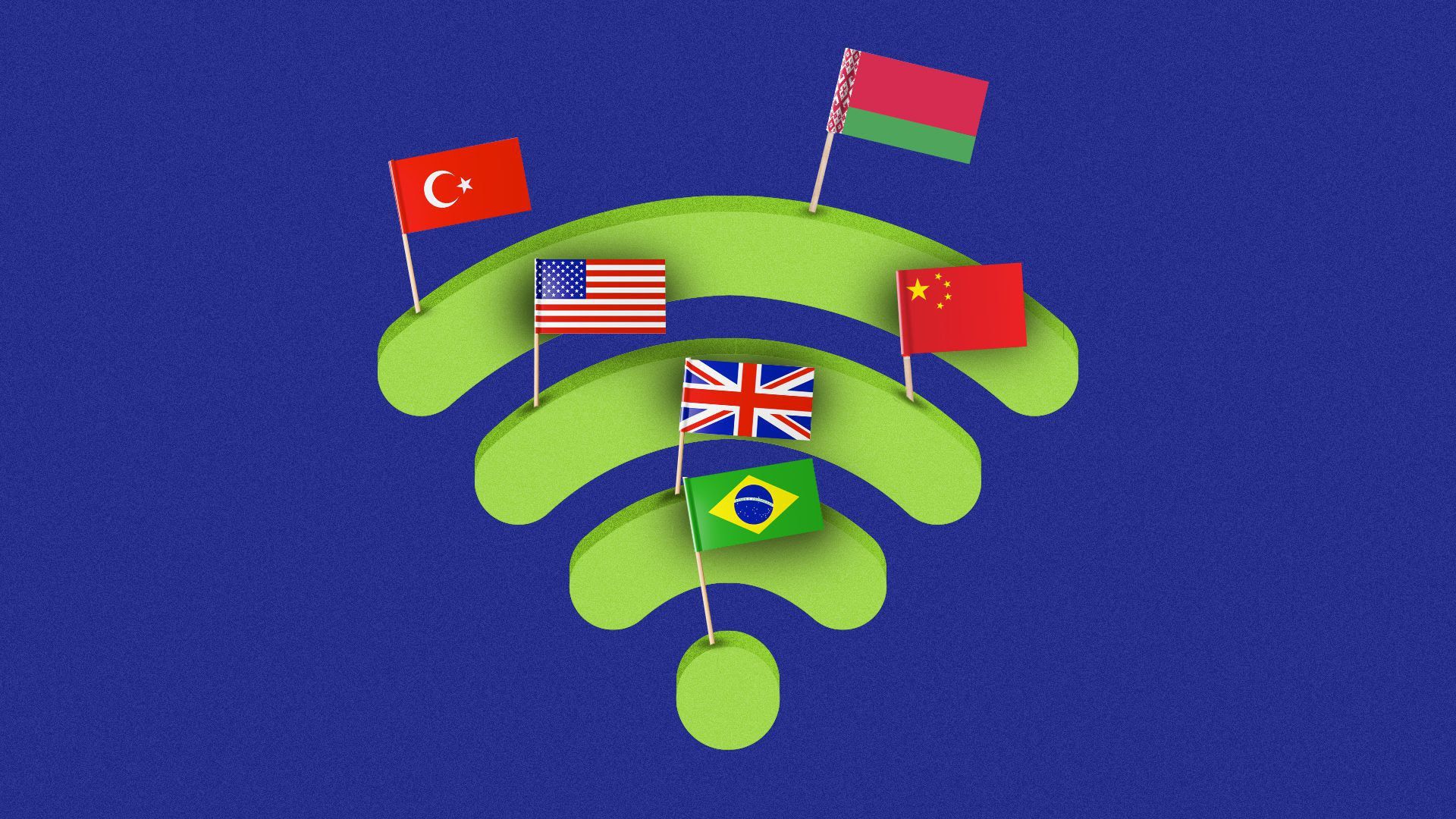
Governments around the world, prompted by nationalism, authoritarianism and other forces, are threatening the notion of a single, universal computer network — long the defining characteristic of the internet.
The big picture: Most countries want the internet and the economic and cultural benefits that come with it. Increasingly, though, they want to add their own rules — the internet with an asterisk, if you will. The question is just how many local rules you can make before the network's universality disappears.