Fortnite maker Epic Games on Thursday escalated its battle over Apple's App Store tactics, suing the tech giant over antitrust claims while also baiting Apple into dropping Fortnite from the App Store. Later in the day, Epic filed suit against Google as well after that company dropped Fortnite from the Google Play Store.
The big picture: Epic is just one of several developers clashing with Apple. They argue the company harms competition by taking a cut of up to 30% on in-app purchases and subscriptions and blocking most developers from getting around the tax by charging their users directly.
Uber and Lyft are ratcheting up the fight with California’s state government over the classification of drivers with a move that would deprive Californians of their ride-hailing services (and halt driver income).
Driving the news: On Wednesday, bothcompanies said that if a court doesn’t overturn or further pause a new ruling forcing them to reclassify California drivers as employees, they’ll suspend their services in the state until November’s election, when voters could potentially exempt them by passing a ballot measure.
Ruby Angela Saleh, the sister of Fahim Saleh, the young tech CEO who was killed last month, is sharing her story in hopes people will know her brother as more than just the subject of a tragic headline.
The big picture: Fahim Saleh's 21-year-old former assistant, Tyrese Haspil, has been charged with the murder and has pleaded not guilty, per CNN.
Americans using digital services would gladly switch to companies that are more committed to data privacy and feel frustrated that they don't have more control over their personal data, according to survey results shared exclusively with Axios.
Why it matters: Entire tech empires are built on assembling detailed digital dossiers on users, which can then be used to target advertising at them. This survey is the latest indicator that people are frustrated with that as the status quo, even as companies make efforts to be give users more control over how their data gets collected, stored and used.
Pinterest set out to be a bright spot in cutthroat Silicon Valley, but now stands to see its reputation forever tarnished by allegations of mistreatment and a toxic culture by women who held senior roles at the company.
Why it matters: Even a company known for progressive policy decisions and successfully combatting hateful and otherwise problematic content isn't immune to the systemic problems that have plagued many tech companies.
Tech giants are going all in on civic engagement efforts ahead of November's election to help protect themselves in case they're charged with letting their platforms be used to suppress the vote.
Why it matters: During the pandemic, there's more confusion about the voting process than ever before. Big tech firms, under scrutiny for failing to stem misinformation around voting, want to have concrete efforts they can point to so they don't get blamed for letting an election be manipulated.
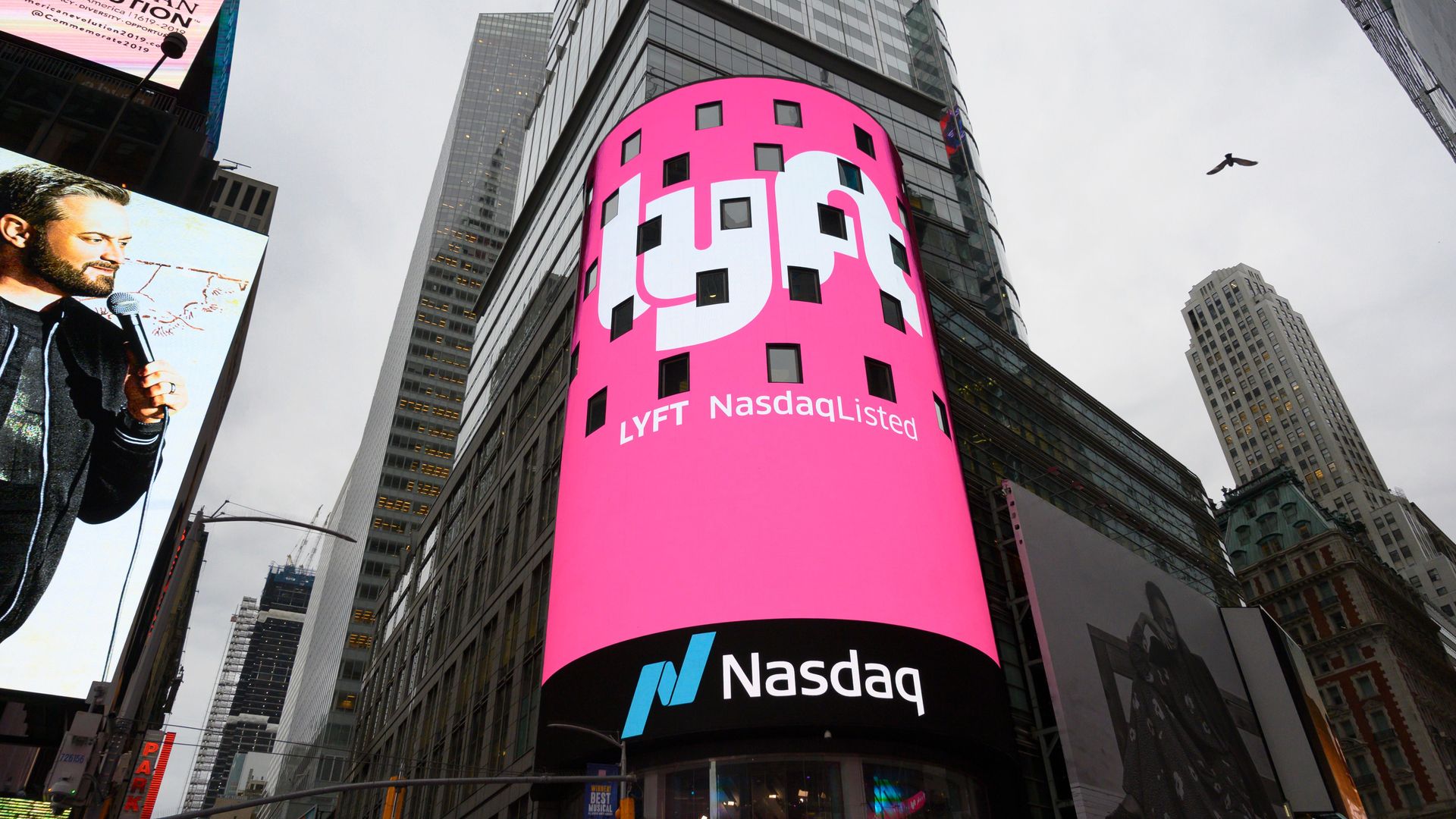
Lyft Wednesday posted narrower losses and higher revenue than expected for the second quarter, though revenue did fall 61% from the same period last year.
Why it matters: Lyft's business has been hard hit by the coronavirus pandemic as people stay home.
A federal appeals court upheld the Federal Communications Commission's rules that limit municipalities' ability to negotiate with telecom companies such as AT&T and Verizon that are seeking to deploy thousands of 5G antennas on city streets and neighborhoods.
Why it matters: The ruling by the Ninth Circuit Court of Appeals is a blow to dozens of cities that sued the agency, claiming the FCC's 2018 rules takes away their leverage and autonomy in deciding how the telecom industry can install "small-cell" antennas to build 5G networks.
Author Sarah Cooper, best-known for her viral lip-sync impersonations of President Trump on TikTok, will star in a Netflix comedy special in fall 2020, the company announced Wednesday.
The big picture: Cooper, who wrote a pair of best-selling books prior to her internet fame, has seen her platform grow to over 500,000 followers on TikTok and over two million on Twitter, according to Netflix.
Adam Candeub, current acting deputy of the Commerce Department's National Telecommunications and Information Administration, is being elevated to the role of Acting Assistant Secretary, according to an internal email shared with Axios.
Why it matters: His elevation to a top position at NTIA is sure to be controversial. Mother Jones reported in May that Candeub has ties to white nationalists. Candeub is also a vocal critic of Section 230 of the Communications Decency Act, the law that makes it so online platforms are largely not responsible for what others post.
Sen. Kamala Harris, tapped Tuesday as Joe Biden's running mate, is not a "break up Big Tech" crusader. But should Democrats win in November and seek to go after Silicon Valley, she could bring prosecutorial rigor to the case.
Why it matters: The vice president doesn't normally run a president's tech agenda, but can still help set the tone on a wide range of issues for a presidential campaign and administration. Harris' familiarity with the firms in her backyard may give her an outsize role on tech policy.
Why it matters: When TikTok first rolled out the job pledge, it served as a carrot in the political conflict over the social video service, but it's now being held out as a stick.
After long teasing the Surface Duo, Microsoft is finally offering full details on the dual-screen Android device, available for pre-order today for a hefty $1,399.
Why it matters: Microsoft hesitates to call it a phone, but it's the closest thing to one the company has made in several years. While it looks like other devices in the Surface line, it's the first Microsoft device to run Google's mobile operating system.
Some businesses fear growing liability while others worry that small and mid-sized firms will get hurt as the U.S. and Europe begin work to replace Privacy Shield, the pact that let thousands of firms transfer data across the Atlantic without breaking EU privacy rules.
Why it matters: Without a replacement in place after the EU's high court struck Privacy Shield down last month, thousands of businesses will be stuck complying with an agreement that no longer applies in the EU while scrambling to figure out how to get data over from Europe without exposing themselves to legal risks.

/2020/08/13/1597349094931.gif?w=3840)





/2020/08/13/1597279679676.gif?w=3840)