Pedestrian safety sits at the forefront of planning for the adoption of autonomous vehicles in Los Angeles, the city's general manager of the Transportation Department, Seleta Reynolds, said on Tuesday during a virtual Axios event.
Catch up quick: Reynolds said that the lesson learned from working with auto manufacturers, software creators and USDOT for four to five years is "that we probably wouldn't be able to rely on [autonomous vehicles] to solve pedestrian safety, and instead, we would need to take those kinds of things back into our own hands."
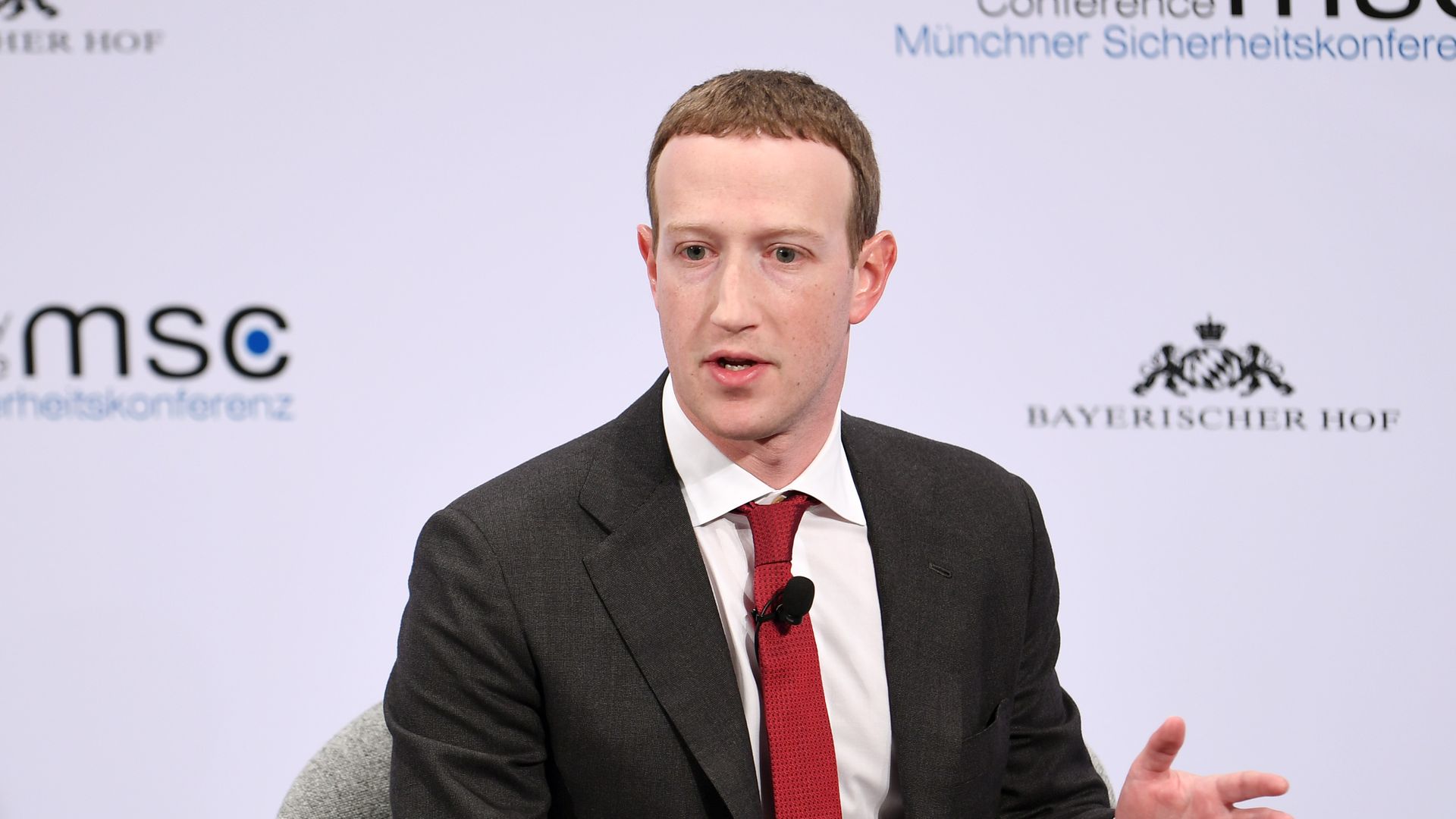
Facebook took down 22.5 million posts for hate speech during the second quarter of this year, more than ten times the number it removed in the same quarter last year and more than twice the number removed in the first quarter of 2020.
Why it matters: The company is facing enormous pressure from the advertising and civil rights communities to address hate speech on its platforms. Last month, civil rights groups initiated a Facebook ad boycott that was joined by over 1,000 advertisers.
Qualcomm isn't harming competition when it forces device makers to license its technology in order to use its chips, a federal appeals court ruled Tuesday.
Why it matters: The decision, which comes from a three-judge panel in California's Ninth Circuit, tosses out a 2019 district court ruling that cast uncertainty around Qualcomm's business model and therefore the future of the smartphone industry.
A lack of federal policy has hampered the autonomous car industry's transparency with communities where the vehicles are tested, American University professor Selika Josiah Talbott said during a virtual Axios event on Tuesday.
What she's saying: "We need guidelines. Right now, it's like the Wild West. We need bumpers in place so we don't have rogue actions testing vehicles on the roadway and possibly causing harm to the general public," Talbott said.
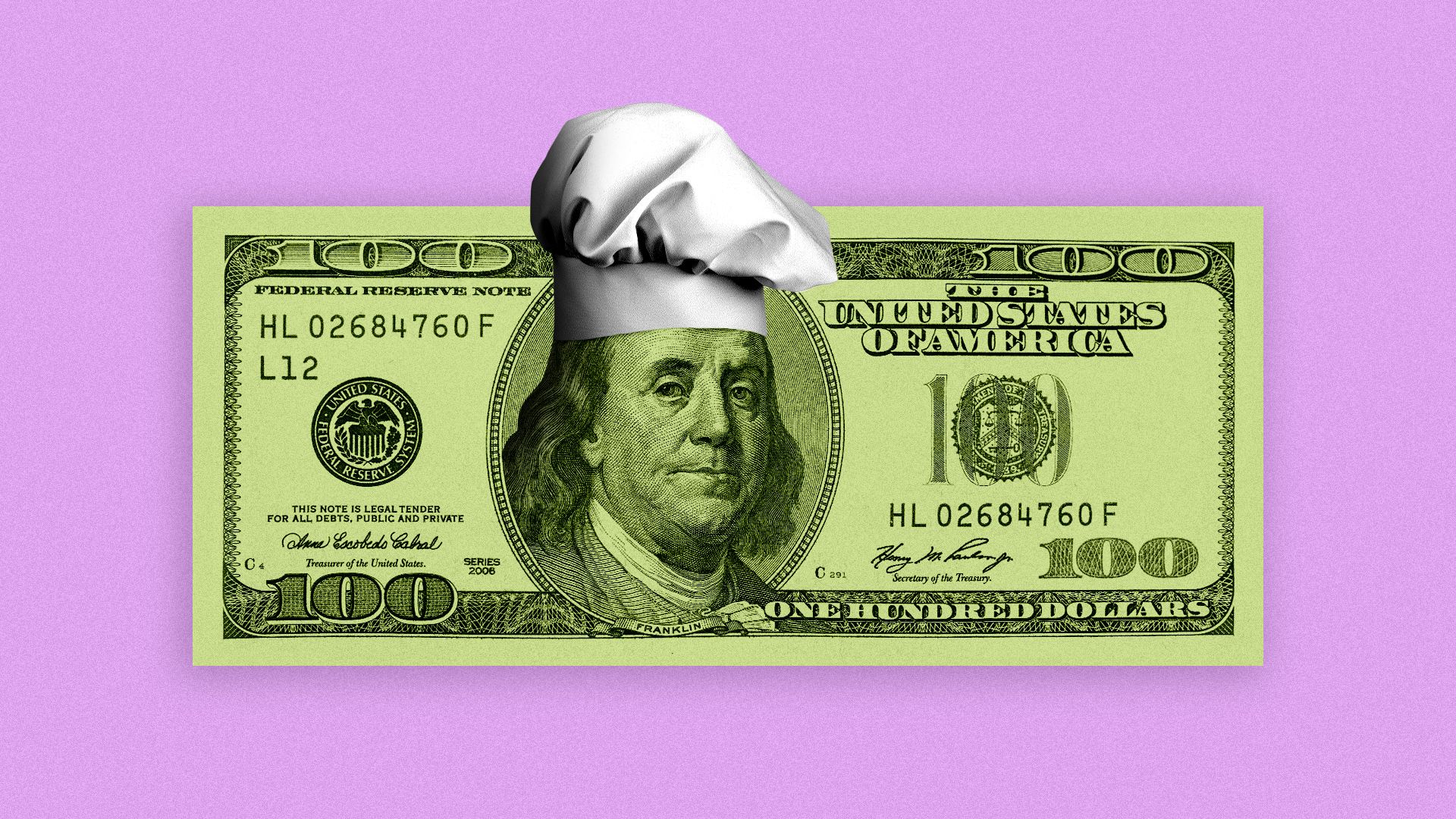
A group known for taking on Big Tech is biting into its next target: food delivery apps like Grubhub, UberEats, Postmates and DoorDash.
Driving the news: The Economic Liberties Project, in a new campaign it calls "Protect our Restaurants" launching Tuesday, is encouraging restaurants to lobby for local laws that cap the commissions these apps can collect.
Mozilla, the nonprofit maker of the Firefox browser, told employees Tuesday that it is cutting 250 jobs, roughly a quarter of its workforce.
The big picture: Mozilla has been trying to get more of its revenue from subscription products, but said in an internal email that its pre-pandemic business plan is no longer viable.
Swedish startup Elk is debuting a hardware-software combination on Tuesday named Aloha that allows musicians and bands separated by distance to perform together online using traditional wired internet connections and, eventually, 5G wireless networks.
Why it matters: Such technology was in the works before the COVID-19 pandemic and has become increasingly needed in an era where many bands are unable to meet in person.
E-commerce sales are still way up compared to a year ago in the U.S., but growth moderated in July as more traditional stores reopened, according to fresh data from Adobe.
Why it matters: Undoubtedly some of the shifts to online shopping will be permanent, but the numbers suggest that consumers want to do a certain amount of their buying in-person.
Facebook is rolling out a new policy that will prevent U.S. news publishers with "direct, meaningful ties" to political groups from claiming the news exemption within its political ads authorization process, executives tell Axios.
Why it matters: Since the 2016 election, reporters and researchers have uncovered over 1,200 instances in which political groups use websites disguised as local news outlets to push their point of view to Americans.