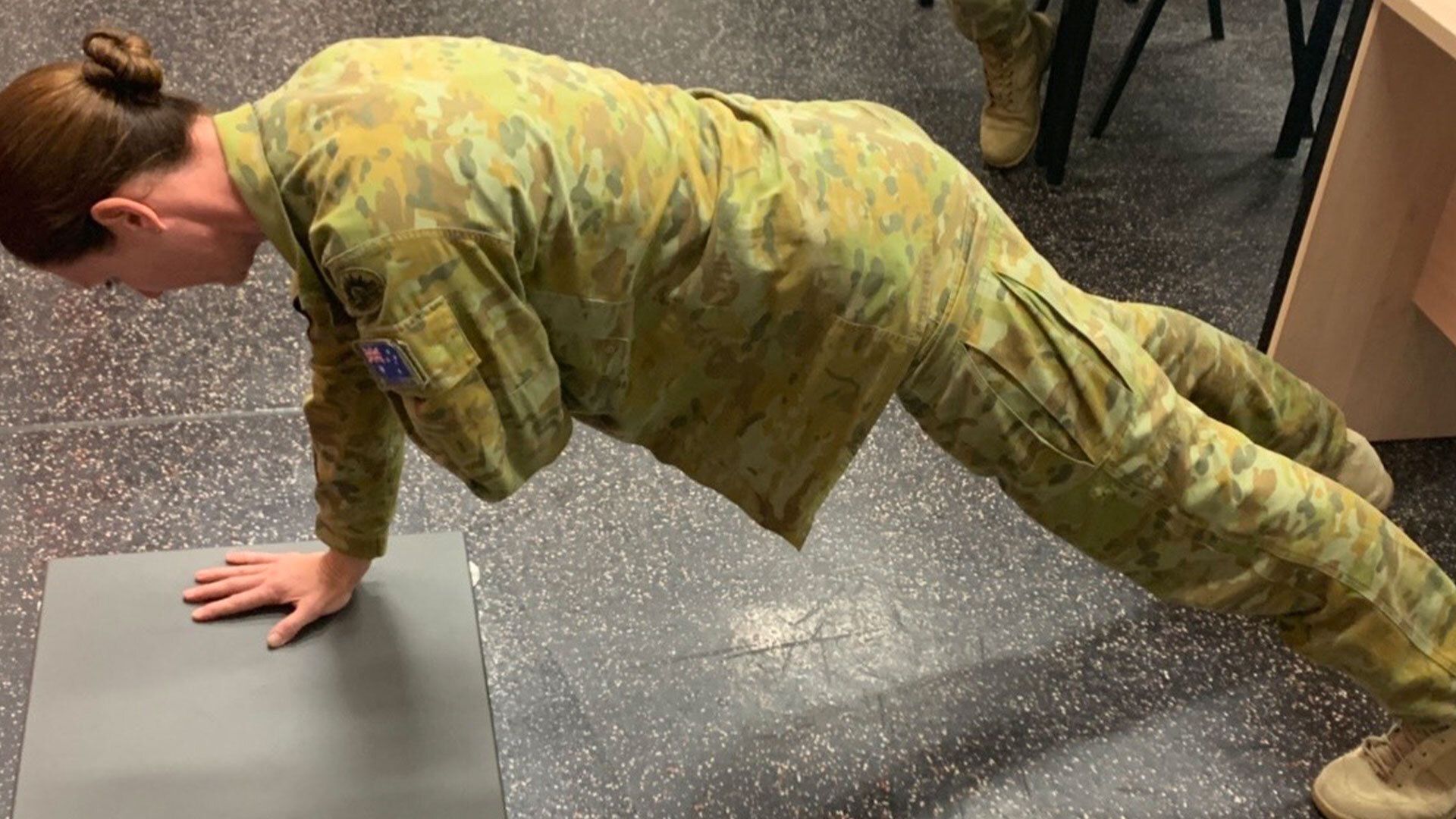
A Silicon Valley startup is using machine learning to create individualized fitness plans designed to reduce injury risk.
Why it matters: Musculoskeletal injuries are a major cause of lost time for both athletes and members of the military. A platform like Sparta Science that can leverage machine learning to identify weak points before an injury could result in major health care savings.
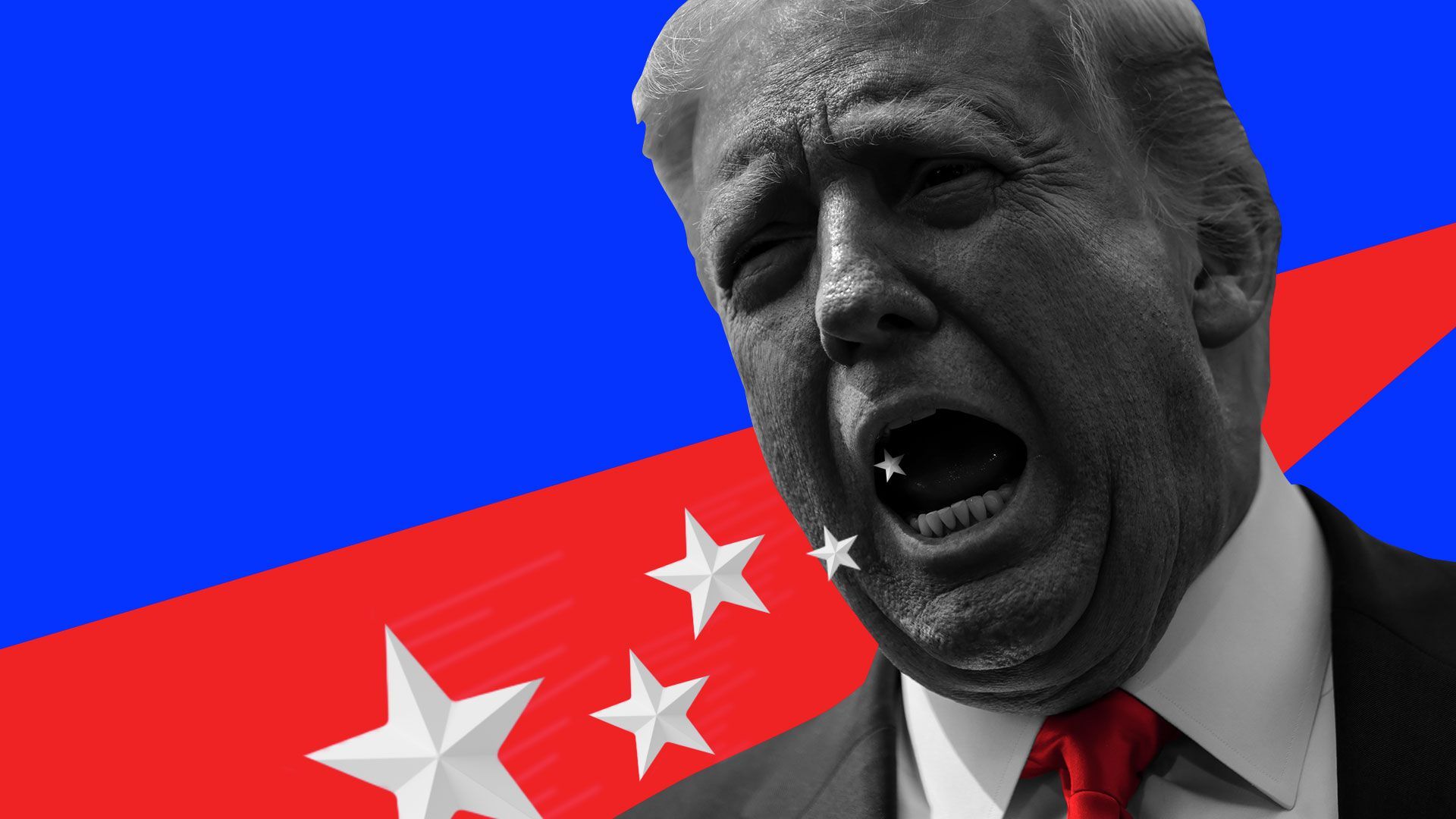
President Trump's rhetoric on China has tended to run hotter than his actions — until now.
Why it matters: Even at the height of Trump's trade war, his administration never hit China as hard, as fast, and on as many fronts as it is right now.
The coronavirus pandemic has been a boon to enterprise technology companies that don't typically get as much attention and recognition as their social media counterparts.
Driving the news: Computer, electronics and video companies like Zoom, IBM, Dell, Samsung, Apple and Microsoft lead the way when it comes to consumers' opinion of their ethics, trust and vision, while social networks like Facebook and Twitter lag because of concerns about misinformation, according to a new Axios/Harris 100 poll.
Facebook will allow its employees to work from home through at least July 2021, a spokesperson confirmed to CNN on Thursday.
The big picture: It joins fellow Big Tech giant Google with the extended move toward remote work amid the coronavirus pandemic. Other tech companies with significant confirmed remote work extensions include Amazon and Snapchat, which are allowing their workers to stay at home through at least the end of the year.
TikTok has become a Rorschach test for how U.S. politicians view China, with little consensus on the specifics of its threat to homeland security.
The big picture: Much of what D.C. fears about TikTok is fear itself, and that's reflected in President Trump's executive order to ban the app by Sept. 20 if it's not sold by parent company ByteDance — alongside another focused on Chinese messaging app WeChat and its parent company Tencent.
President Trump escalated his campaign to claw apart the Chinese and American tech worlds Thursday evening, issuing executive orders that threaten to ban both TikTok and massive global messaging app WeChat.
The big picture: Trump's orders come against a backdrop of heightening tension with China, the steady unfolding of a hard "decoupling" between the world's two largest economies, and the Trump campaign's effort to wave a "tough on China" banner.
TikTok said Friday that it was "shocked" by President Trump's executive order that will ban Americans from dealing with ByteDance, its China-based owner, in 45 days.
Why it matters: TikTok argued that Trump's move "risks undermining global businesses' trust in the United States' commitment to the rule of law, which has served as a magnet for investment and spurred decades of American economic growth."
Video game usage in the U.S. has skyrocketed during the pandemic, leading to record revenues and profits for gaming companies like Nintendo, Epic Games and Electronic Arts.
Why it matters: The pandemic has sped the rise of video gaming as a core consumer pastime, and the trend is unlikely to reverse even after life returns to normal. "What we're seeing is an acceleration of pre-existing trends," NPD Group gaming analyst Mat Piscatella told Axios. "It's like we jumped ahead two years."
Americans and U.S. companies will be banned from making transactions with ByteDance, the Chinese owner of TikTok, in 45 days, according to a new executive order President Trump issued Thursday evening.
The big picture: Last week Trump announced his intention to ban TikTok but said he'd leave a 45-day period for Microsoft or other U.S.-based suitors to try to close a deal to acquire the popular video-sharing app.