A federal judge has temporarily blocked the $10 billion cloud computing contract the Defense Department awarded to Microsoft as it reviews a lawsuit by Amazon, CNBC reports.
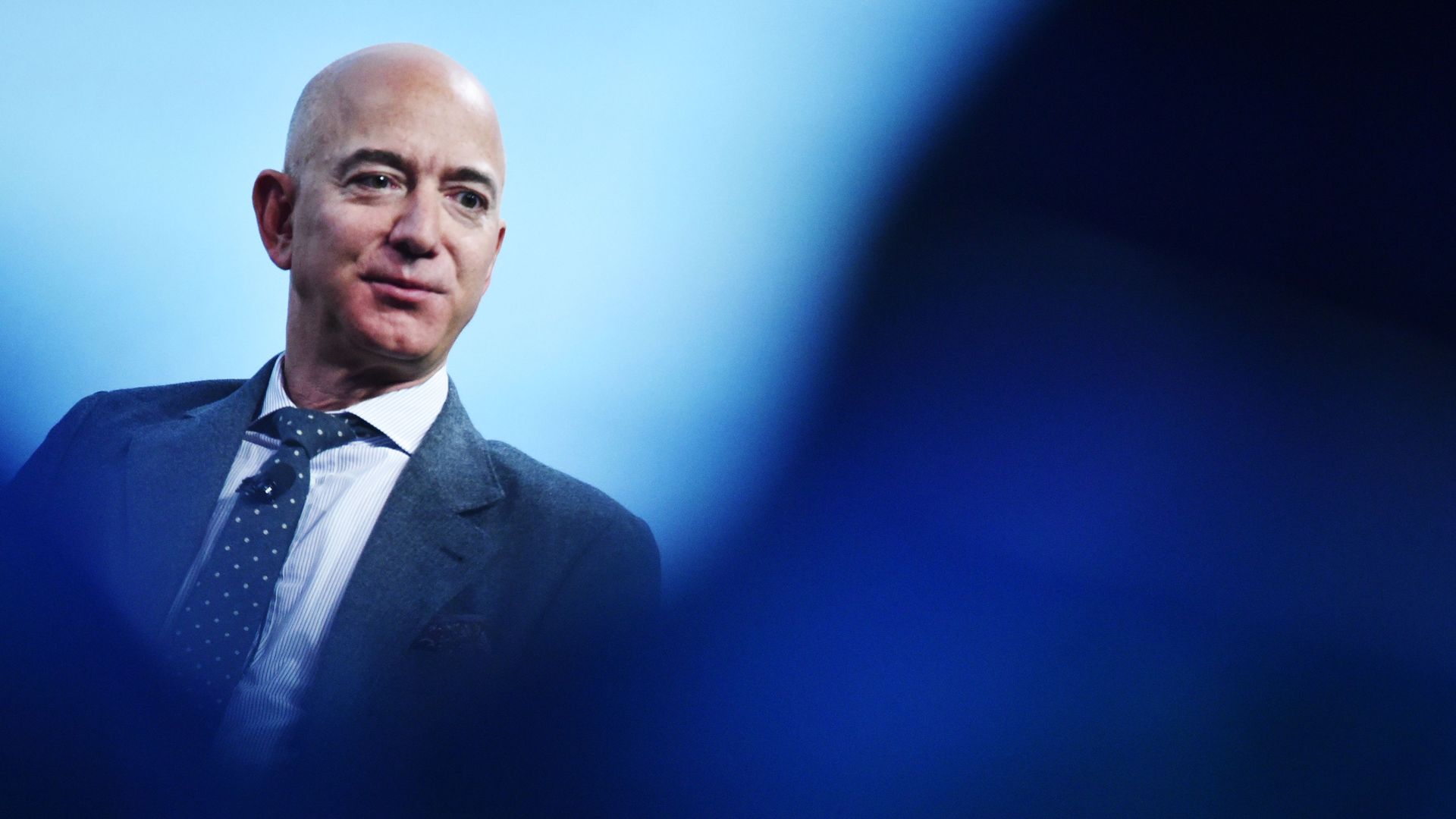
The big picture: Amazon claims the decision to hand Microsoft the contract for the Joint Enterprise Defense Infrastructure (JEDI) project in late October was influenced by President Trump, who has repeatedly and publicly taken shots at Amazon and its owner Jeff Bezos.
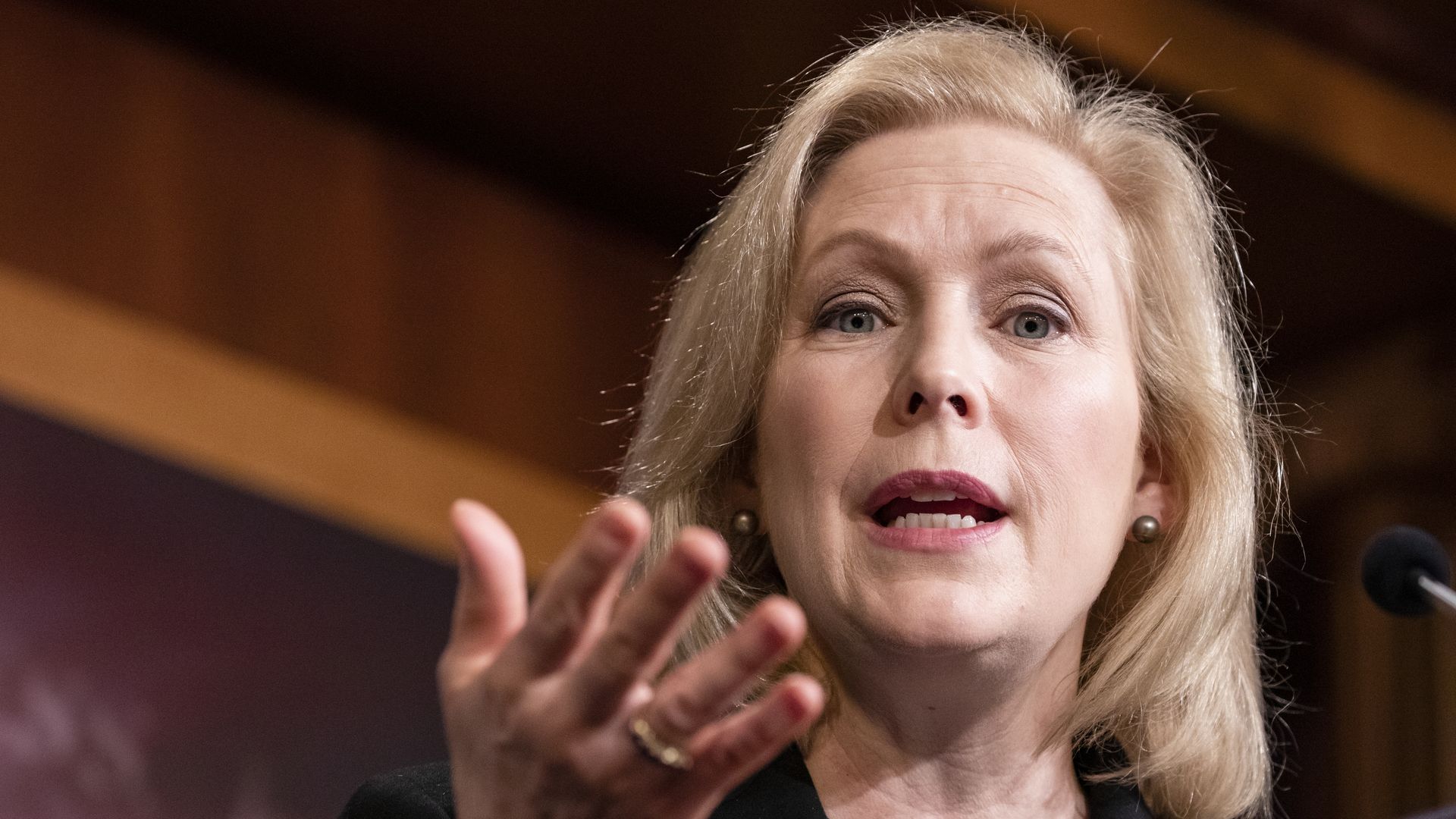
Sen. Kirsten Gillibrand (D-N.Y.) is introducing a bill that would create the Data Protection Agency, a new federal agency with the authority to ensure businesses are transparent about data collection and the power to enforce violations.
Why it matters: The U.S. has fallen behind Europe and some states in regulating data and privacy issues, with responsibility split among several agencies, including the FCC, FTC and DOJ.
Oracle pushed back Wednesday against Google's claims that the survival of software innovation rests on their long-running copyright battle, arguing an Oracle victory will ensure software makers enjoy copyright protections.
Why it matters: The Supreme Court is considering key questions related to software copyright and fair use — with billions of dollars in damages in the balance.
The California lawmaker behind the controversial law making it harder to classify workers as contractors has proposed a new bill to prevent food delivery companies from offering drop-offs from restaurants that have not signed up and requires they share customer data with restaurants that do sign up.
Why it matters: State governments are turning up the heat on gig economy companies.
The organizers of the giant Mobile World Congress said Wednesday that they are canceling the event, which was set to take place at the end of the month, due to the coronavirus outbreak. Many key participants in recent days said they would not be attending.
Why it matters: The Barcelona event is the major trade show for the wireless business and a key gathering point for an industry that is spread all over the globe.
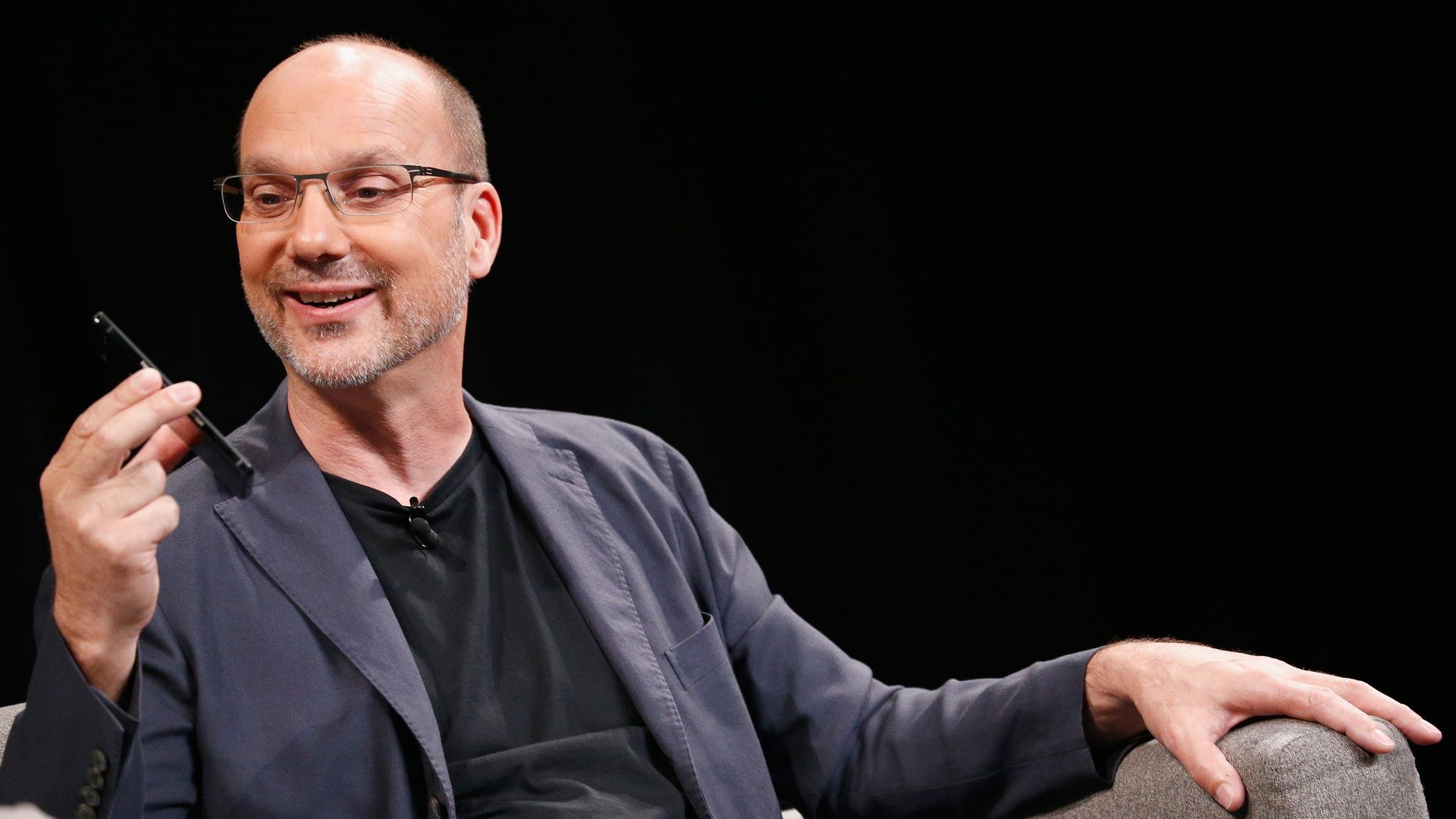
Essential, a mobile phone maker founded by Andy Rubin, announced on Wednesday that it will shut down.
Why it matters: Rubin co-founded Android, the mobile phone operating system that Google acquired in 2005, where he remained to oversee Android before moving on to head up the company's robotics unit.
A bombshell Washington Post report revealed that a communications tech company used by dozens of countries was secretly owned by the CIA, thus allowing the U.S. to spy on conversations with both allies and enemies. Dan digs in with Washington Post reporter Greg Miller.
The Federal Trade Commission announced Tuesday it will review the past decade of takeovers by tech giants Alphabet, Amazon, Apple, Facebook, and Microsoft. Not only the large ones, but also the hundreds of smaller ones that didn't trigger automatic antitrust reviews.
Why it matters: Apparently the FTC thinks it has a technique for getting toothpaste back into the tube. And that's before one considers the knotty logistics of unwinding something like Facebook/Instagram or some random Google acqui-hire from 2015.