Many cities are experimenting with innovative transportation ideas like scooters or autonomous shuttles, but their efforts are often too isolated or too small to deliver meaningful results, according to transportation experts.
Why it matters: Moving people and goods more efficiently is an urgent priority for many cities, which are grappling with issues like congestion, air pollution and accessibility while trying to raise money for necessary upgrades.
Nearly two years after it promised to do so, Facebook has made a huge chunk of data available for research use in partnership with a new not-for-profit organization, Social Science One.
Why it matters: One way to better understand the impact that Facebook is having on society is to have academic experts analyze the data. The company, though, has been slow to release promised data.
Facebook said Friday that political candidates, campaigns and groups can use paid branded content across its platforms, a clarification prompted by a move from Michael Bloomberg's campaign to pay top Instagram influencers to post memes on its behalf.
The big picture: Its policy didn't explicitly state that it was OK for candidates to use branded content posts, but after hearing from various campaigns about the issue, Facebook moved to clarify its stance.
Silicon Valley investors downplayed concerns that big tech companies inhibit startups, during a recent workshop hosted by the U.S. Justice Department and Stanford University's law school.
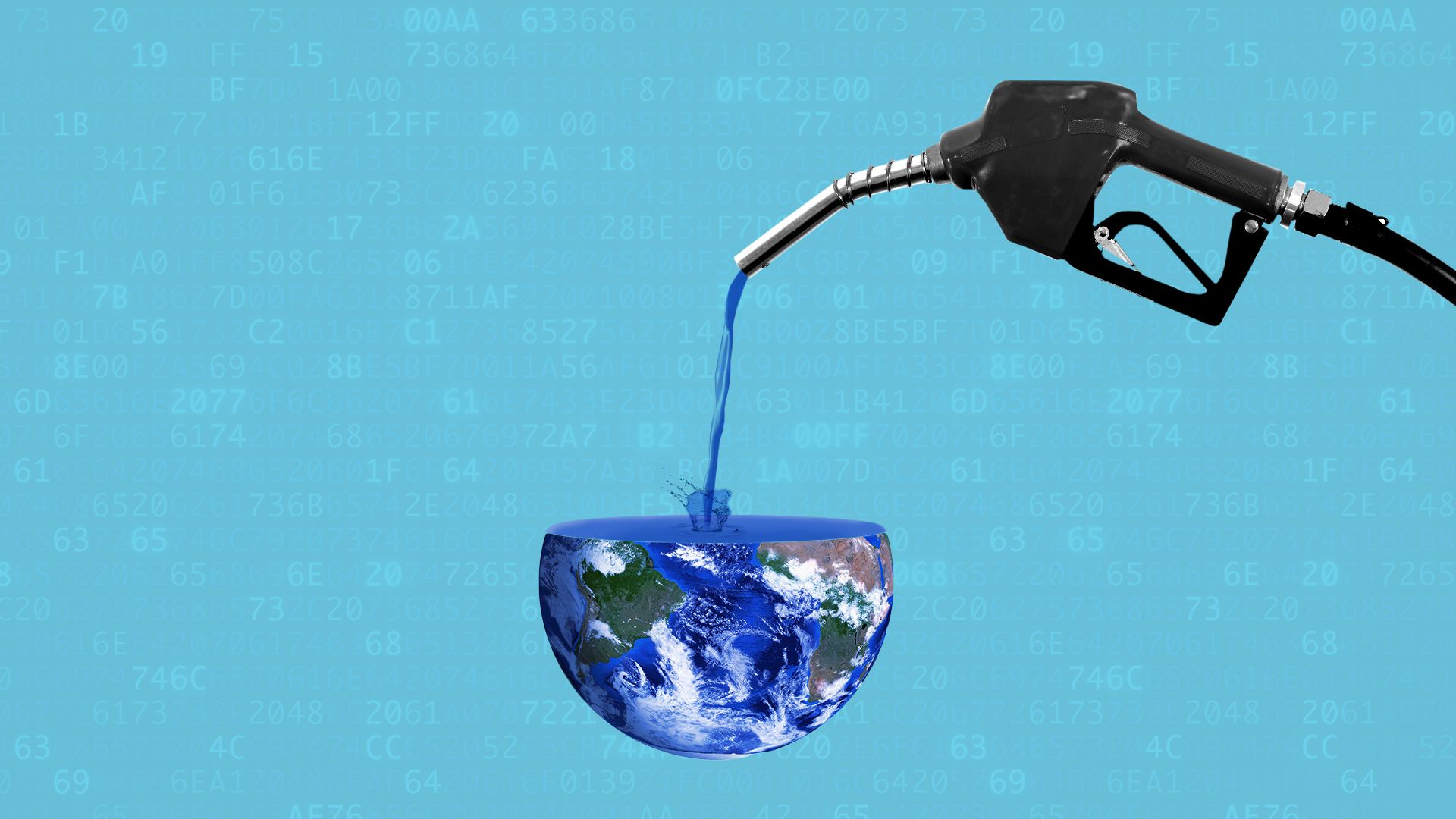
Big Tech is making splash with its aggressive carbon reduction goals, but some of its employees and climate activists are criticizing Google, Microsoft and Amazon for nonetheless partnering with fossil fuel companies to use artificial intelligence to find hidden hydrocarbons and bring them to market.
Why it matters: Big oil companies are some of the richest, most resourceful enterprises in the world. They collect multiple terabytes of data daily but don't have the capacity to analyze and efficiently utilize that volume of facts without AI.


/2020/02/14/1581695265455.gif?w=3840)