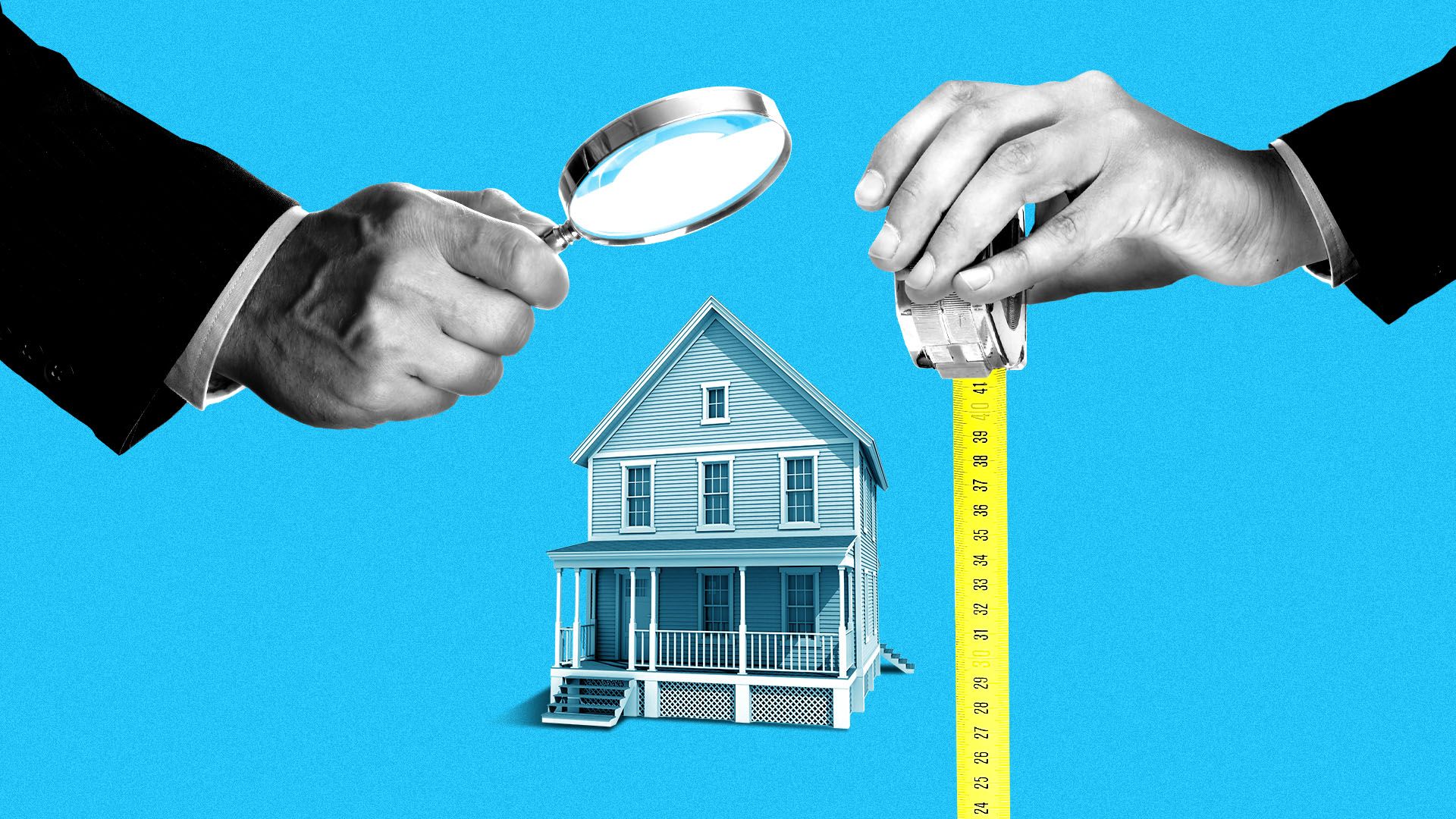
As tech giants throw billions at Silicon Valley's housing crisis, Seattle leaders and businesses are taking a targeted approach to creating more affordable housing.
Driving the news: Senior Director of Microsoft Philanthropies Jane Broom told Axios in an interview this week that "the probability is high" that the software giant will invest more in housing in its backyard, following an initial $500 million pledge announced in January.
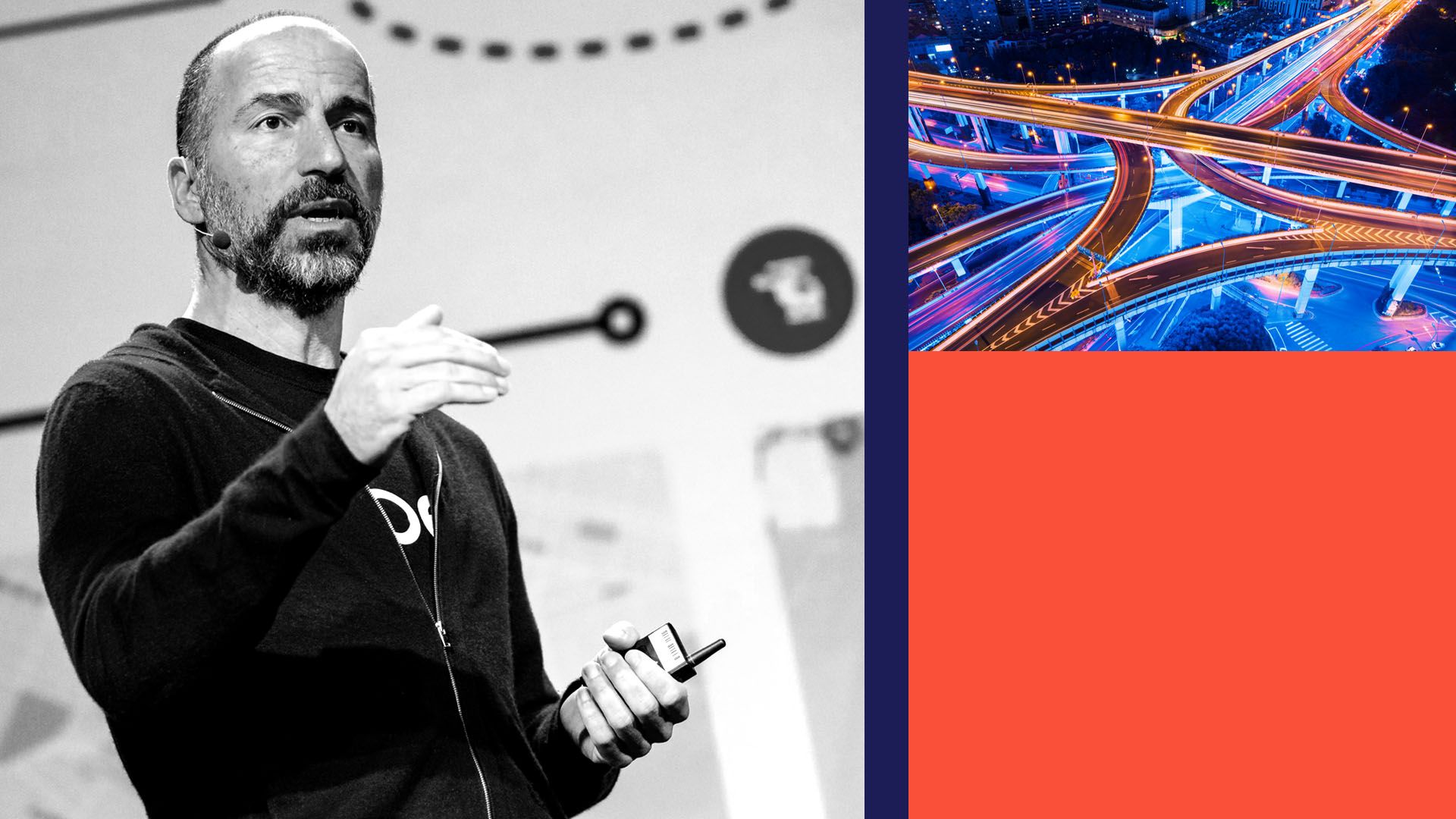
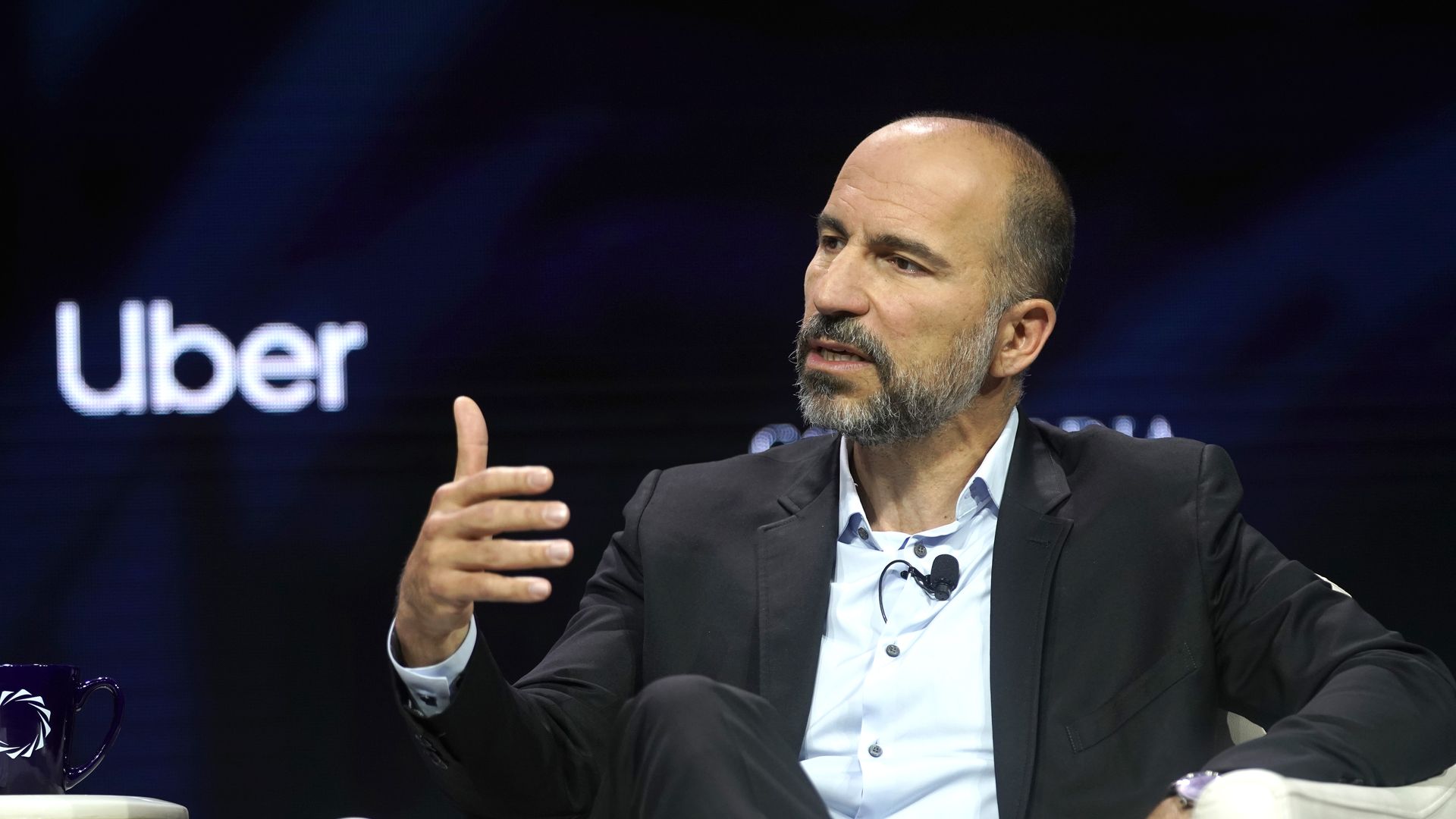
In an interview last week with "Axios on HBO," Uber CEO Dara Khosrowshahi said its business has to "radically shift how it grows" to avoid wearing out its welcome in cities.
Why it matters: That means investing in fleet electrification and convincing people to take alternative modes of transportation like Uber buses, electric bikes and scooters are key goals for the company — which doesn't have a history of playing nice with cities.
Tuesday's episode looked at gender discrimination allegations against the Apple Card, issued by Goldman Sachs. On Wednesday we further unpack the controversy with Carey Halio, CEO of Goldman Sachs Bank USA.
Convoy, a marketplace for truck drivers and shippers, raised $400 million in new funding led by Generation Investment Management and T. Rowe Price at a $2.75 billion valuation.
The bottom line: "It’s not like I’m going to convince people to become truck drivers — they already are," co-founder and CEO Dan Lewis tells Axios, explaining that his company's contribution is in helping truckers get more work.
Regulators on both sides of the Atlantic are beginning to probe whether the biggest tech companies' handling of consumer data represents an unfair form of competition.
Why it matters: Consumer data is the fuel of the digital economy and the key to tech giants' market leverage. It is also challenging antitrust regulators’ ability to investigate competition issues, because today’s antitrust laws don’t specifically address data dynamics.
The Office for Civil Rights in the Department of Health and Human Services told the Wall Street Journal Tuesday it is investigating the data-sharing relationship between Google and not-for-profit hospital system Ascension.
Why it matters: Per Axios health care business reporter Bob Herman, exchanging patients’ health information is legal under federal privacy law, and this data sharing is common, even when patients aren’t aware. The government is making sure Google is contracted as a "'business associate" with Ascension.
Uber CEO Dara Khosrowshahi apologized to employees Tuesday after his interview with "Axios on HBO" garnered immense criticism over his suggestion that the murder of journalist Jamal Khashoggi was "a mistake" by the Saudi government, the Washington Post reports.
The big picture: After the interview, during which Khosrowshahi compared Khashoggi's murder to the death of a woman in a self-driving Uber accident, he called Axios' Dan Primack to express regret for the language he used. He later provided an official statement disavowing the comments and apologized on Twitter, but not before the interview sparked the hashtag #BoycottUber.
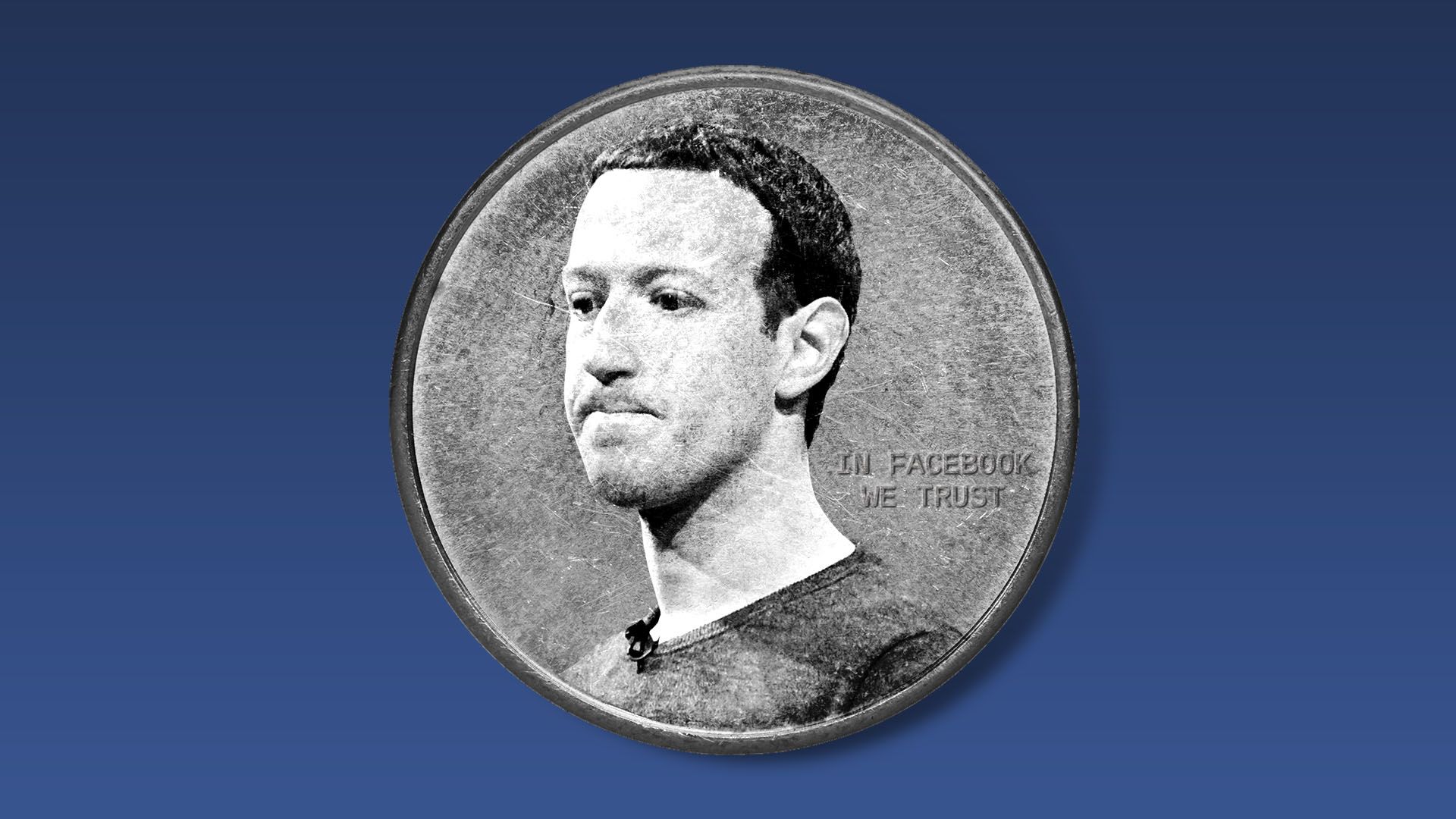
Facebook on Tuesday announced Facebook Pay, an online payment system that will allow users across its services to send payments to one another. The new product, separate from its Libra cryptocurrency effort, puts the social network giant in competition with Venmo and others.
Why it matters: Once again, Facebook will be asking users to hand over more sensitive information when it is under fire for how it manages the information and access it already has.
Tech entrepreneur David Heinemeier Hansson was given a credit limit 20 times what his wife received on the Apple Card, despite the fact that they have joint assets — and she has higher credit score. Dan digs in with Hansson.
Microsoft said in a blog post Monday that it will apply the protections of a new California privacy law for all users in the U.S. The California Consumer Privacy Act was passed last year, but goes into effect Jan. 1.
Why it matters: The law allows consumers to require companies to disclose what data they are keeping on a consumer, and gives consumers the right to have such data be deleted. Also, starting next July, Californians will be allowed to sue businesses for certain data breaches.
State regulators in New York are looking into whether Apple Card is violating any laws by giving some spouses lower credit limits than their mates.
Background: It all began with a series of tweets that went viral by well-known software engineer (and Ruby on Rails creator) David Heinemeier Hansson, complaining that he was given 20 times as much credit as his spouse (even though she had a higher credit rating).
If CEOs are the new politicians, many of them don't seem to have thought carefully about foreign policy — particularly about working with autocratic regimes.
Why it matters: Corporate America continues to do business with the Saudi crown prince, Mohammad bin Salman, who allegedly oversaw the beheading of journalist Jamal Khashoggi, and to court business in places like China and Turkey.
Several of the biggest social media platforms are beginning to test changes that cut down on scorekeeping, discourage harassment and aim to improve users' well-being.
Why it matters: The unwinding of features such as public "like" counts could have a major impact on the multi-billion dollar businesses of social media companies, as well as the millions of brands and creators that rely on those features to fuel their own businesses.