Former Google and Uber engineer Anthony Levandowski was charged on Tuesday by the U.S. Attorney for the Northern District of California on 33 counts of theft and attempted theft of trade secrets, the New York Times reports.
Why it matters: Levandowski’s actions became well known during the now-settled civil case between Uber and Alphabet, but the criminal charges represent a new wrinkle.
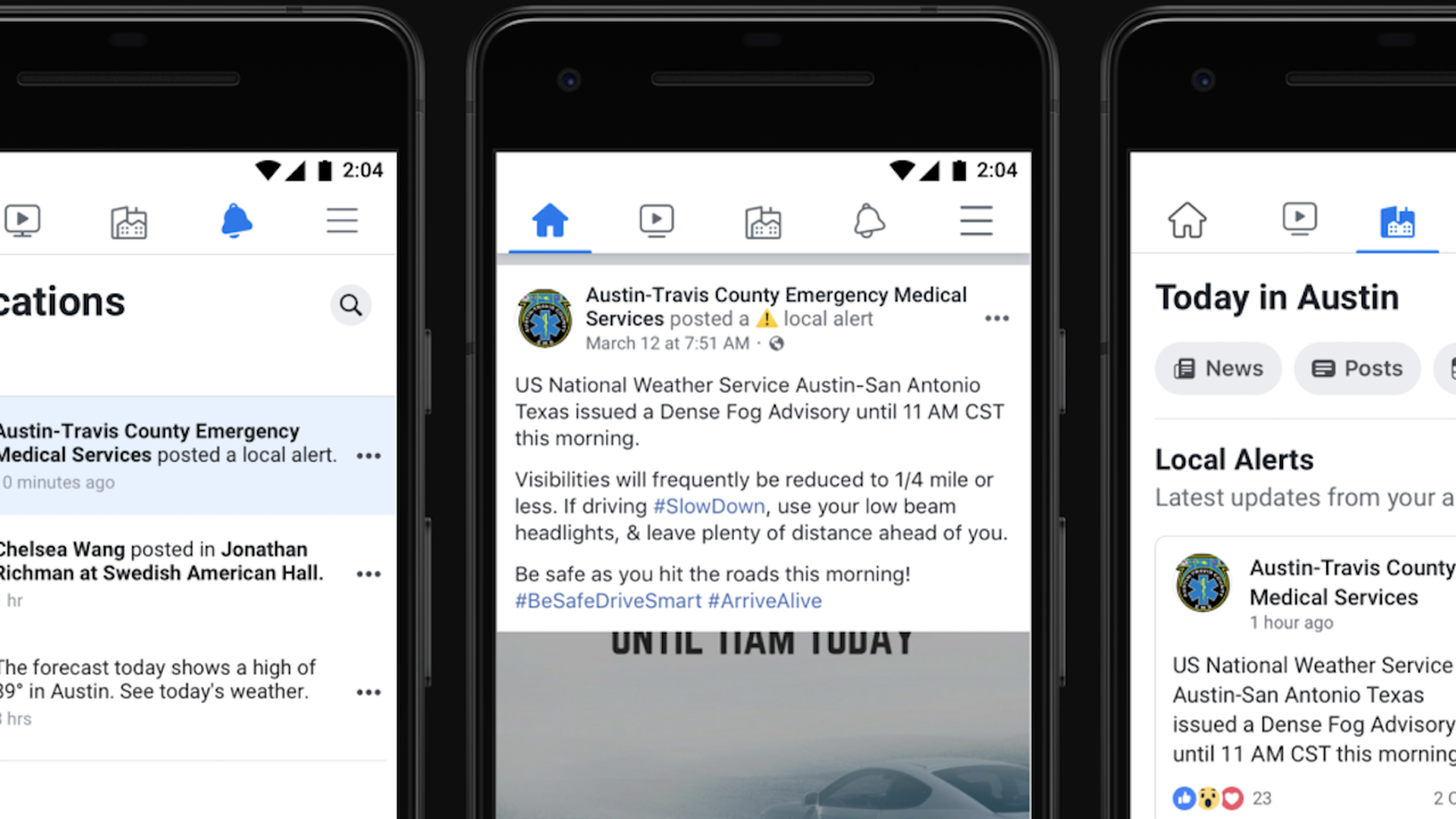
Facebook today announced it will make its local alerts tool available to first responders, such as police and fire departments, to update followers about emergencies.
Why it matters: As local media outlets decline as a primary source of community news, local officials are tapping social media to communicate with residents in real time. Many cities already use social media channels like Facebook and Twitter to track resident sentiment, and they also want to push messages to residents.
A collection of consumer groups has written a letter to California lawmakers urging them to keep the strong protections in a state law due to take effect next year.
Why it matters: The California law, if left largely as is, could usher in a range of new consumer protections. However, direct marketers and tech companies, working through various entities, have been seeking to water down the law.
Over the past two years, the U.S. government has tried to rein in how major tech companies use the personal data they've gathered on their customers. At the same time, government agencies are themselves seeking to harness those troves of data.
Why it matters: Tech platforms use personal information to target ads, whereas the government can use it to prevent and solve crimes, deliver benefits to citizens — or (illegally) target political dissent.
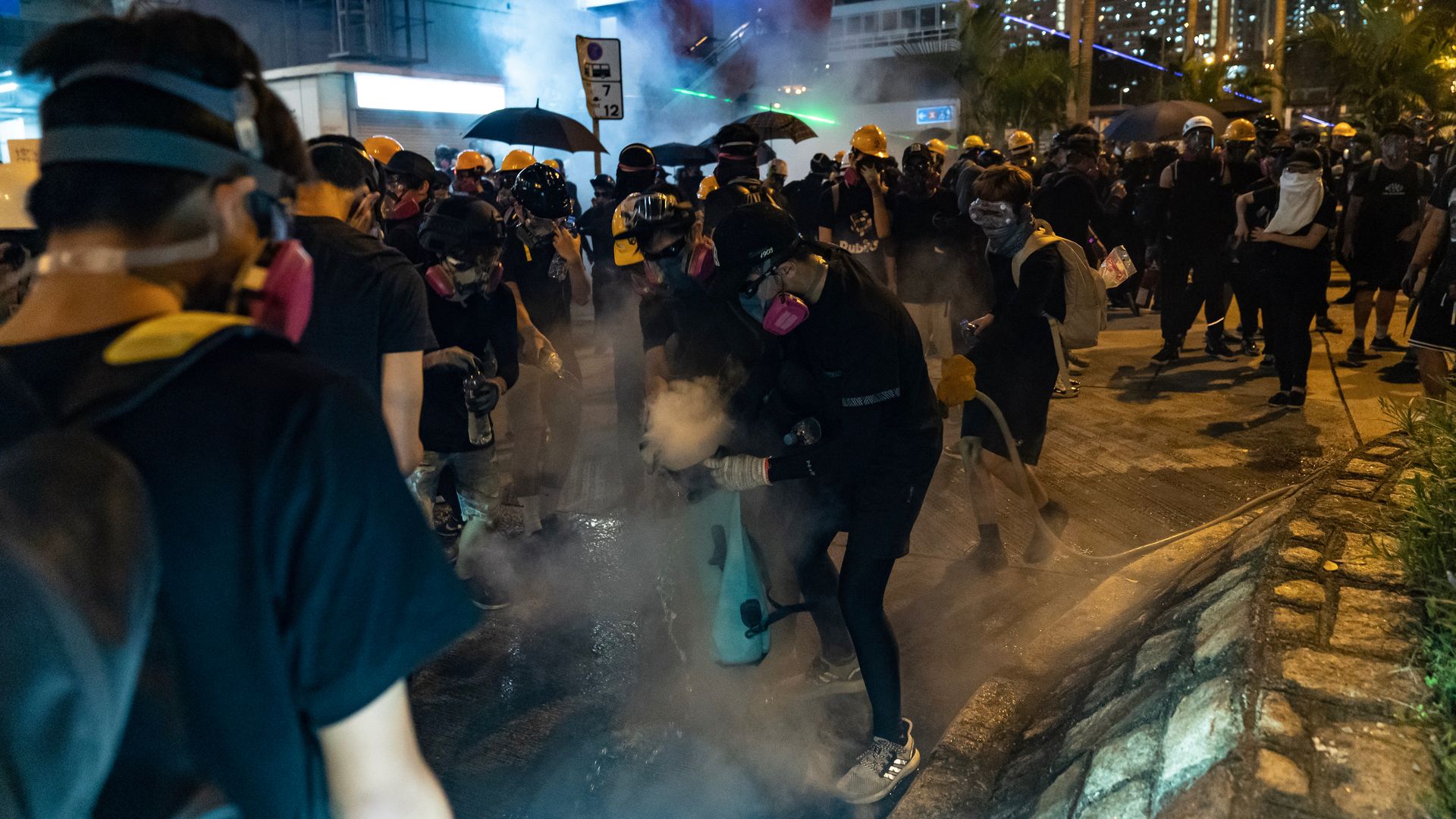
Hong Kong police said Monday a 12-year-old was among 36 people arrested after anti-government demonstrations erupted into street clashes with authorities, who used a water cannon, tear gas and fired a waring shot into the sky, Reuters reports.
Why it matters: What began 12 weeks ago as a rally against a bill proposing to extradite Hong Kongers to mainland China has become a massive anti-government demonstration, as protesters rally to defend the high degree of autonomy they've had since the former British colony was returned to China in 1997.