Adobe said Monday it is paying $1.6 billion to acquire e-commerce software company Magento Commerce from private equity firm Permira. The deal is expected to close in Adobe's third fiscal quarter.
Why it matters: Though best known for its graphics software, Adobe has expanded significantly into the digital business and commerce area in recent years. In 2009, it agreed to pay $1.9 billion to acquire Omniture.
Following it's policy change around sexual harassment claims, Uber is facing its first test: a lawsuit from a female former engineer filed on Monday in San Francisco Superior Court, alleging she was harassed by male colleagues with little response from the company's human resources department.
Why it matters: Uber made the bold (but cautious) move last week of exempting employees, drivers, and riders from its arbitration agreements for individual sexual harassment and assault claims.
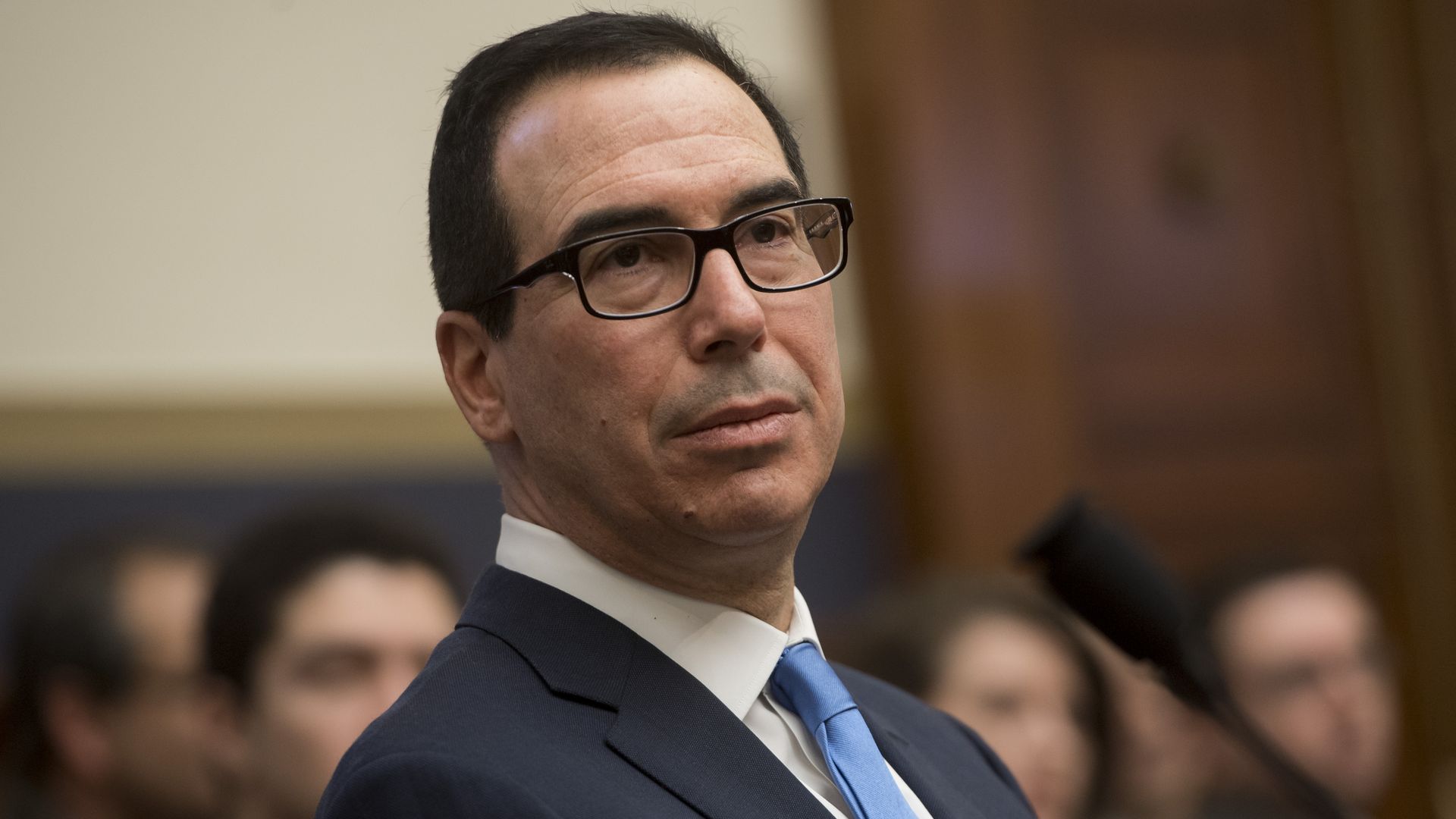
Treasury Secretary Steve Mnuchin said Monday that the Justice Department should look at the increasing dominance of major tech companies.
Why it matters: Though the Justice Department’s investigations are supposed to be separate from the administration’s political priorities — and aren‘t an area Mnuchin has a say over — it comes as more say antitrust action is needed to tackle big tech companies like Google, Facebook and Amazon.
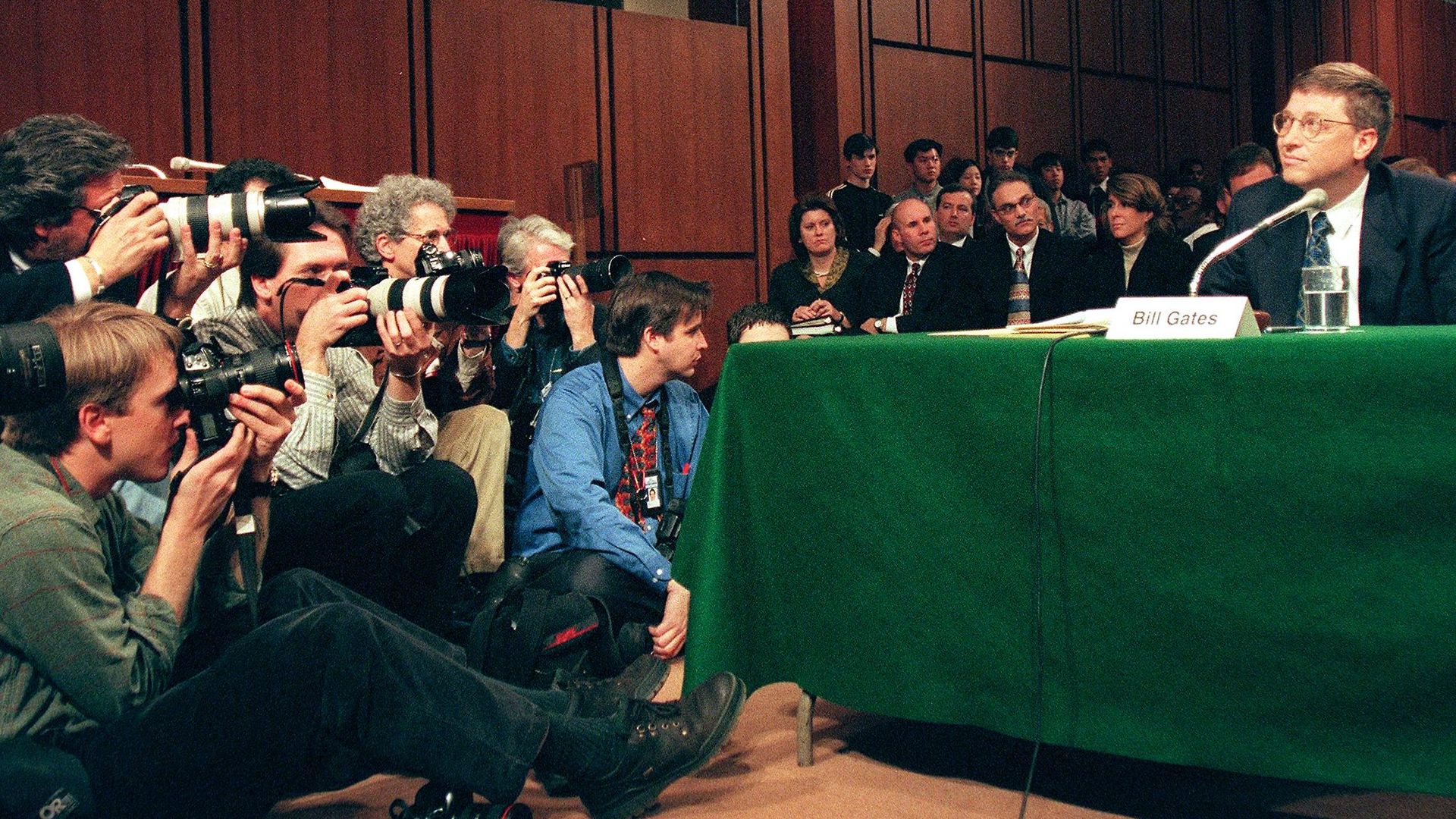
Key players in the Microsoft antitrust fight — which the Justice Department brought to court 20 years ago this month — have one piece of advice for tech companies facing criticism now: Engage with your critics before it’s too late.
Why it matters: A whole new generation of powerful companies is in the spotlight in Washington now. The issues today are different but the dynamics are similar.
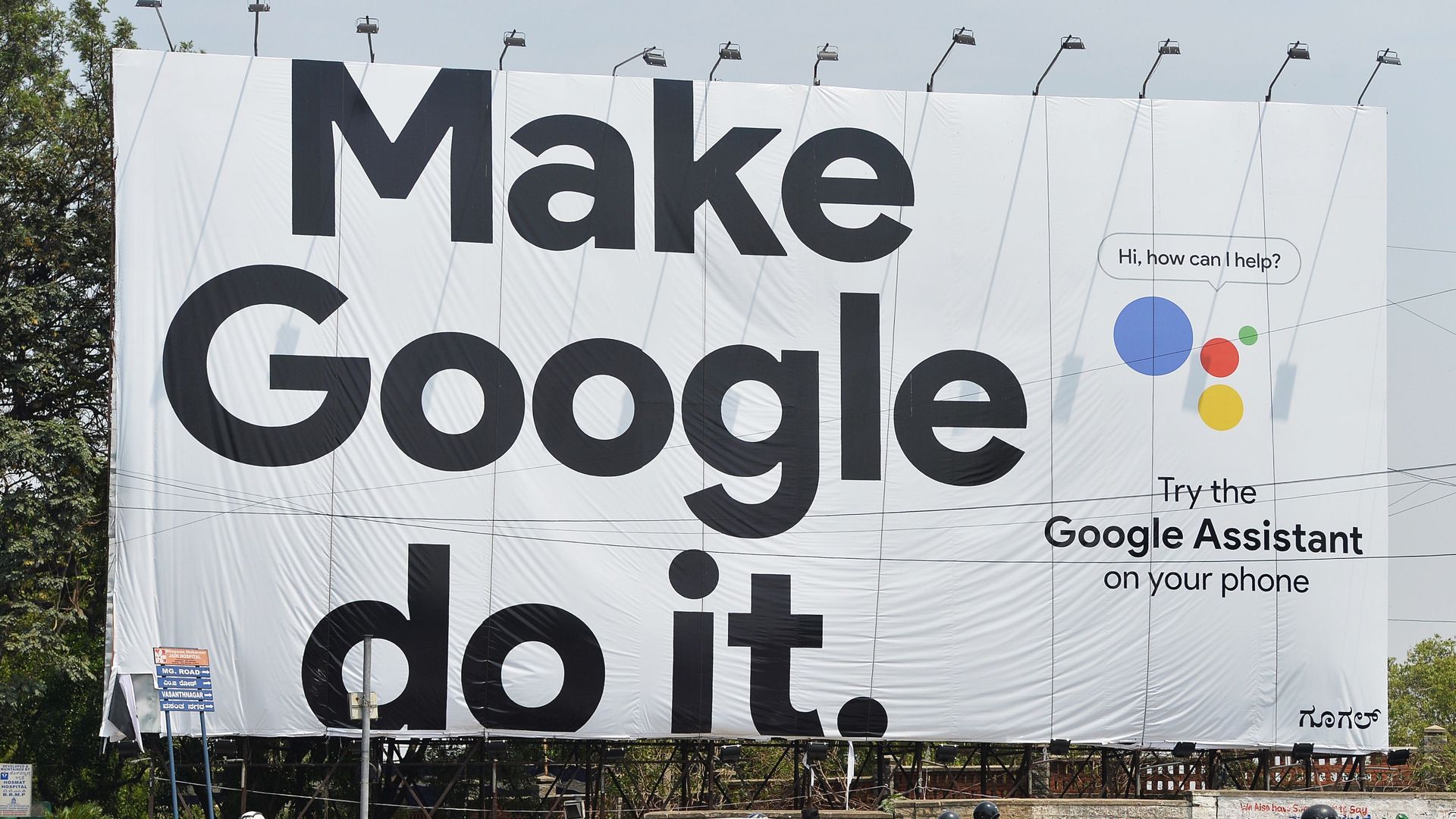
U.S. authorities have let Google build a monopoly in internet search that some critics believe is illegal, CBS News' "60 Minutes" reported Sunday night.
Why it matters: A lot of tech insiders joked over the past couple of months that Google was relieved to hand its "domineering tech behemoth" crown to Facebook after the Cambridge Analytica scandal. That reprieve for the search giant may be ending now.
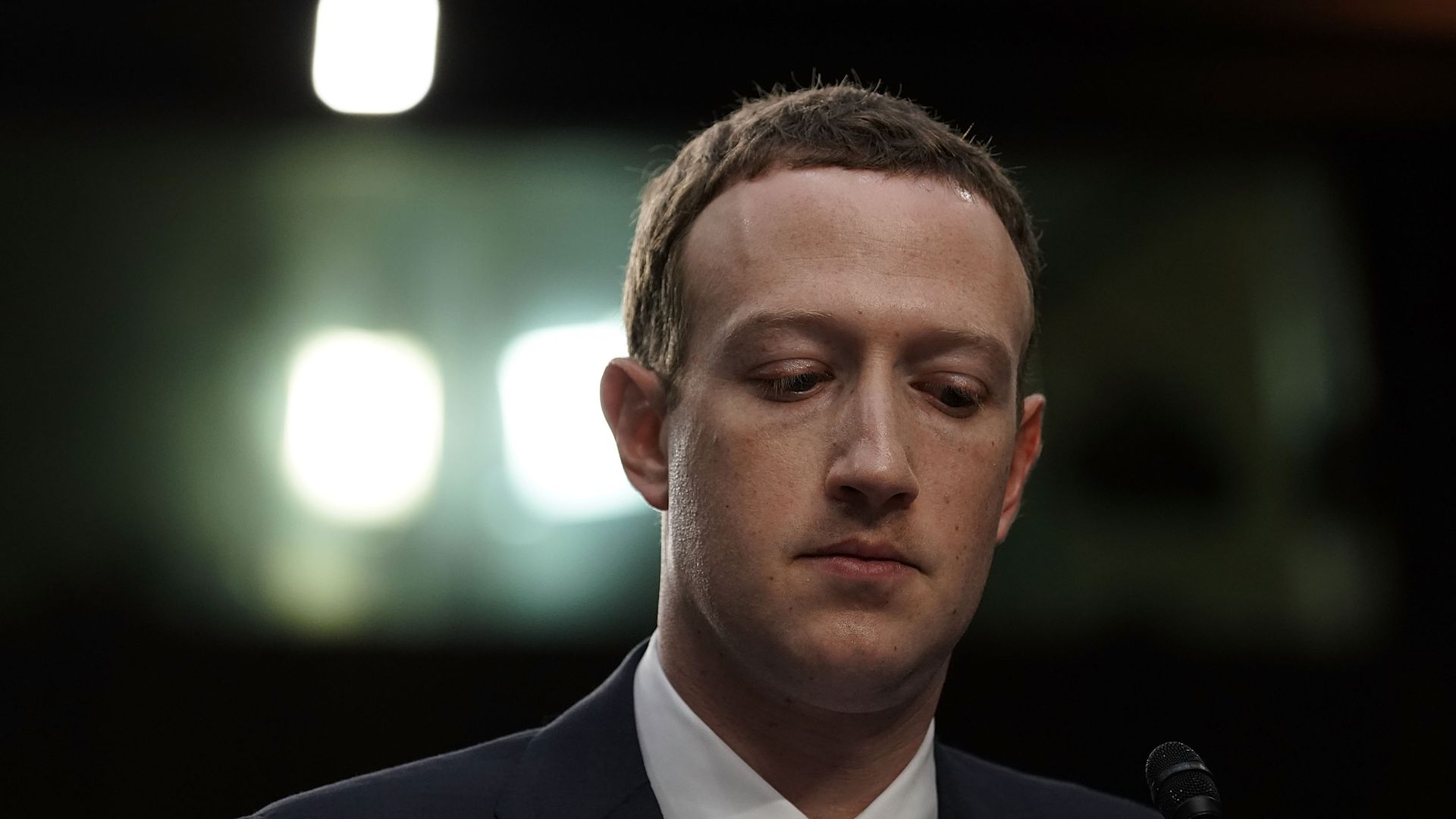
A collection of progressive groups will launch a six figure digital ad offensive Monday telling the Federal Trade Commission to break up Facebook’s social networking empire.
The big picture: Facebook’s new reality is being a political punching bag for those on the left, who want it broken up, and the right, who accuse it of systemic bias. But the company continues to do well financially.
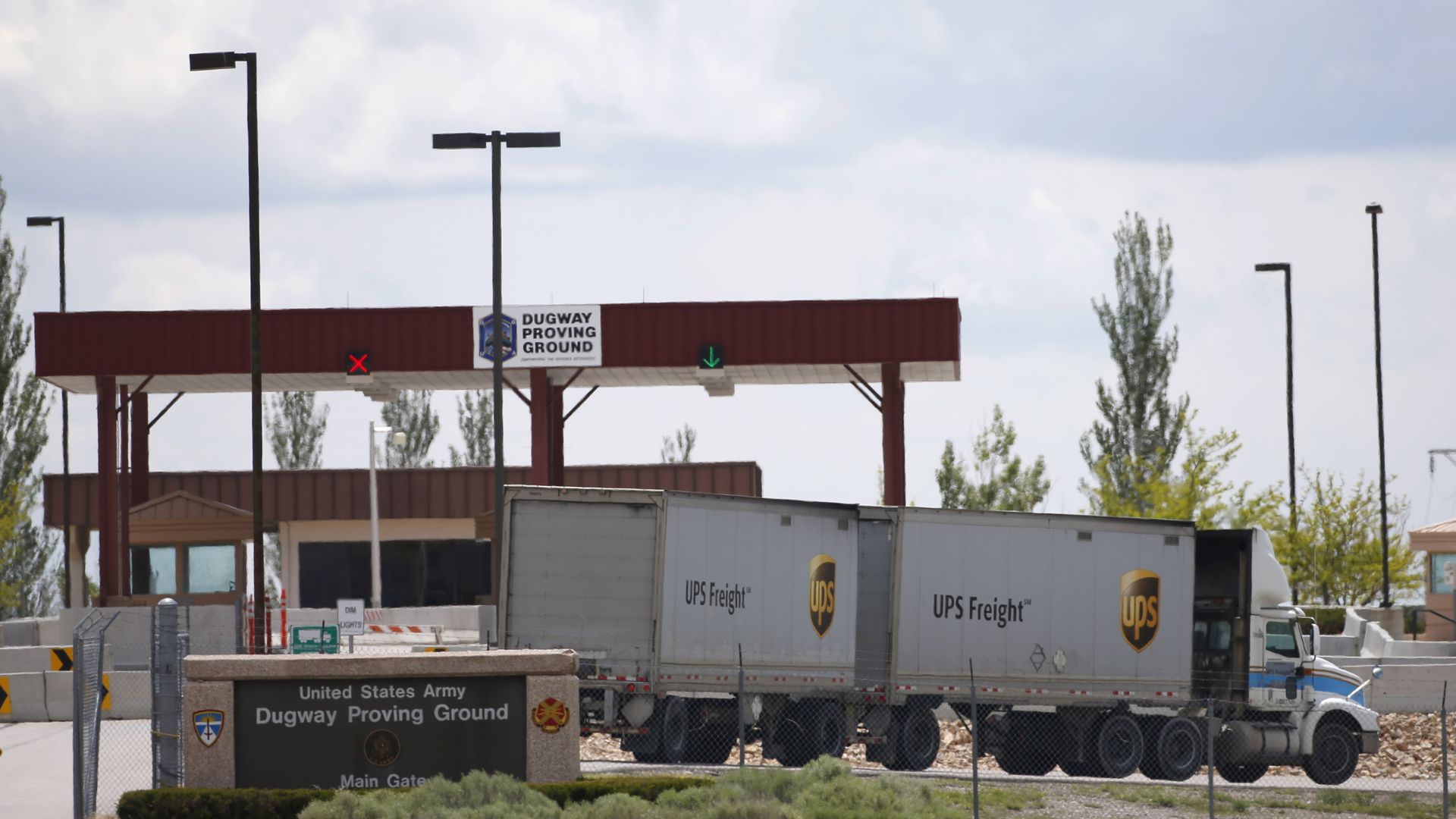
A side effect of the e-commerce boom is a shortage of truck drivers and an overwhelmed shipping industry. As one solution, carriers including Amazon and FedEx have been — unsuccessfully so far — lobbying Congress to allow nationwide use of longer trailers, hooked one behind the other.
Why it matters: Around the world, people are ordering increasing volumes of stuff online, which is putting growing stress on shippers. Longer trucks, according to the shippers, are one solution to getting packages delivered more quickly.
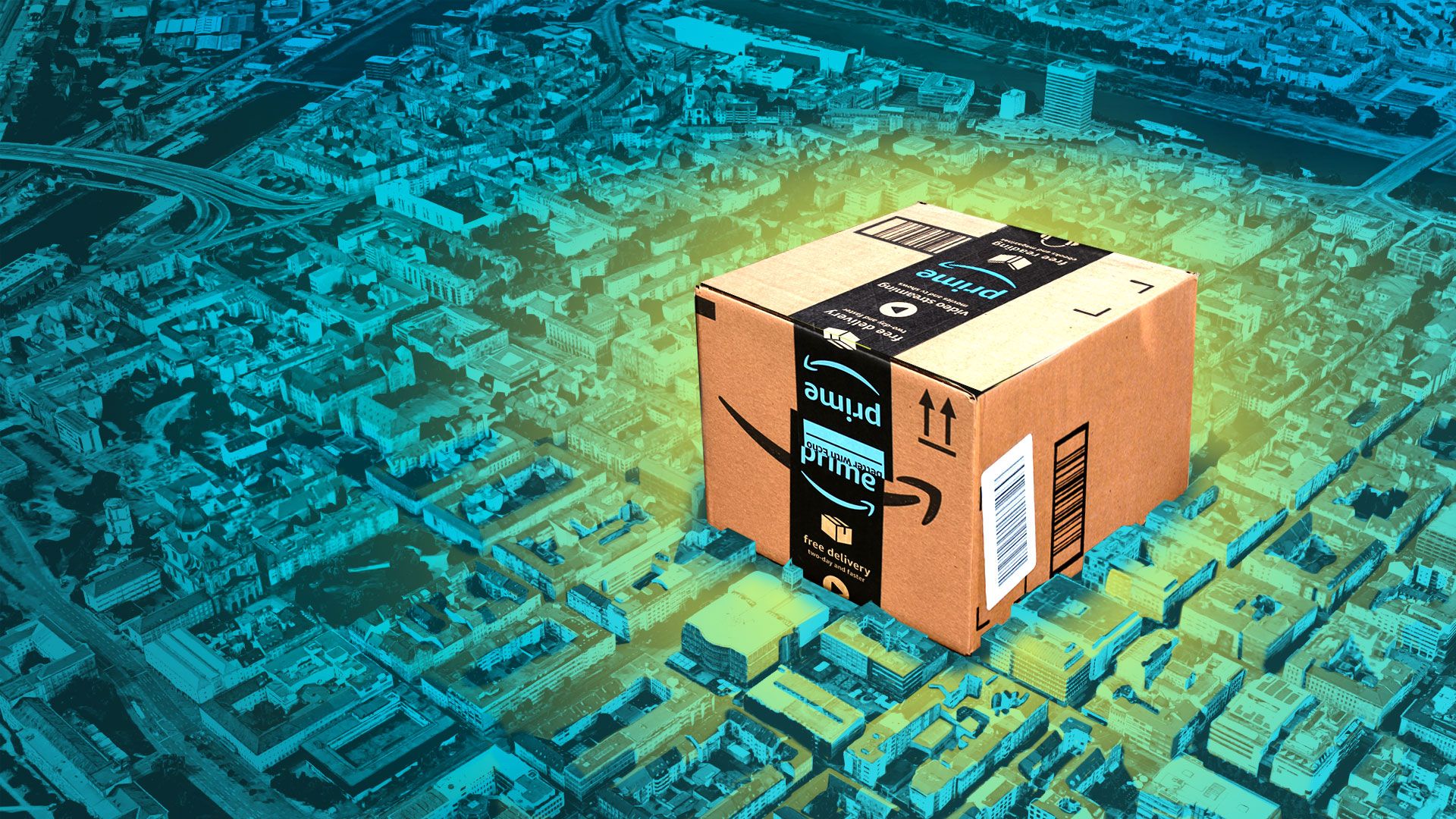
A cold peace has settled in between Seattle and Amazon after the city enacted a tax to help get homeless people off the street and into affordable housing — dramatizing the new tension in Big Tech's relationship with the cities and countries in which it operates.
Why this is a big thing: Big Tech is under unprecedented scrutiny on both sides of the Atlantic, and the apparent optics of heartlessness toward homeless people — some of the most visible victims of the tech juggernaut — make Amazon's aggressive posture against the tax risky.