Friday's technology stories

Why Macron's economic pivot to Russia is dangerous

French President Emmanuel Macron's push for a law to battle "fake news" looks like a tough stand against Russia. Macron himself was the victim of a Russian disinformation campaign during last year's election season, and he earned praise for calling the Russian outlets RT and Sputnik "agencies of influence and propaganda" during his first meeting with Putin.
But while Macron has styled himself as a defender of Western democracy, his government has sought closer economic ties with Russia, despite EU and U.S. sanctions and Russia's continued support for the war in Ukraine.
France is already the biggest foreign investor in Russia, where French firms have 170,000 employees and send over $5 billion in exports. Macron seems set to double down on his pivot to Russia in May, when he is expected to launch a renewed economic agenda at the St. Petersburg International Economic Forum, Russia's Davos.
Why it matters: Economic sanctions are only as strong as the EU block's weakest link, and Macron's overtures to Russia give other nations an excuse to follow suit. But he can't have it both ways: Being tough on Russia for its bad behavior means putting your money where your mouth is.
Alina Polyakova is the David M. Rubenstein Fellow for Foreign Policy at the Brookings Institution.

Group backed by Google and Facebook will join lawsuit against net neutrality repeal
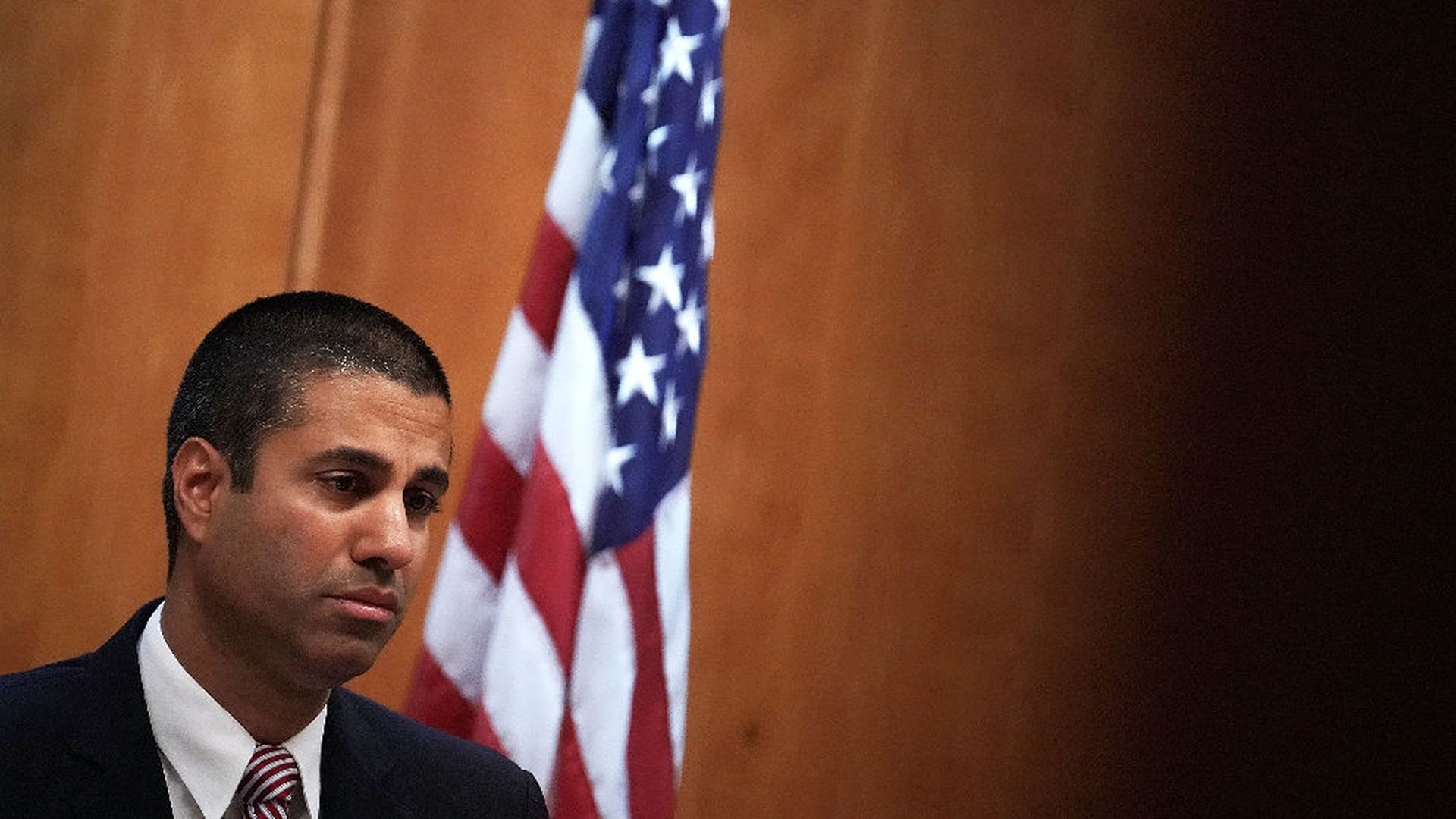
Internet Association — a group that represents major tech companies including Facebook, Google, Amazon and Snapchat in Washington, says it will help fight the FCC's repeal of net neutrality rules.
What they're saying: "IA intends to act as an intervenor in judicial action against this order and, along with our member companies, will continue our push to restore strong, enforceable net neutrality protections through a legislative solution," said Michael Beckerman, the group's president.
Not happening yet: Advocacy groups, companies and state attorneys general are expected to be involved in litigation against the repeal — but lawsuits won't come until after the rollback is published by the FCC in the Federal Register. That is expected to happen in the coming weeks.
Go deeper: The FCC published the full text of the net neutrality repeal on Thursday..

Google backs Chinese game-streaming startup
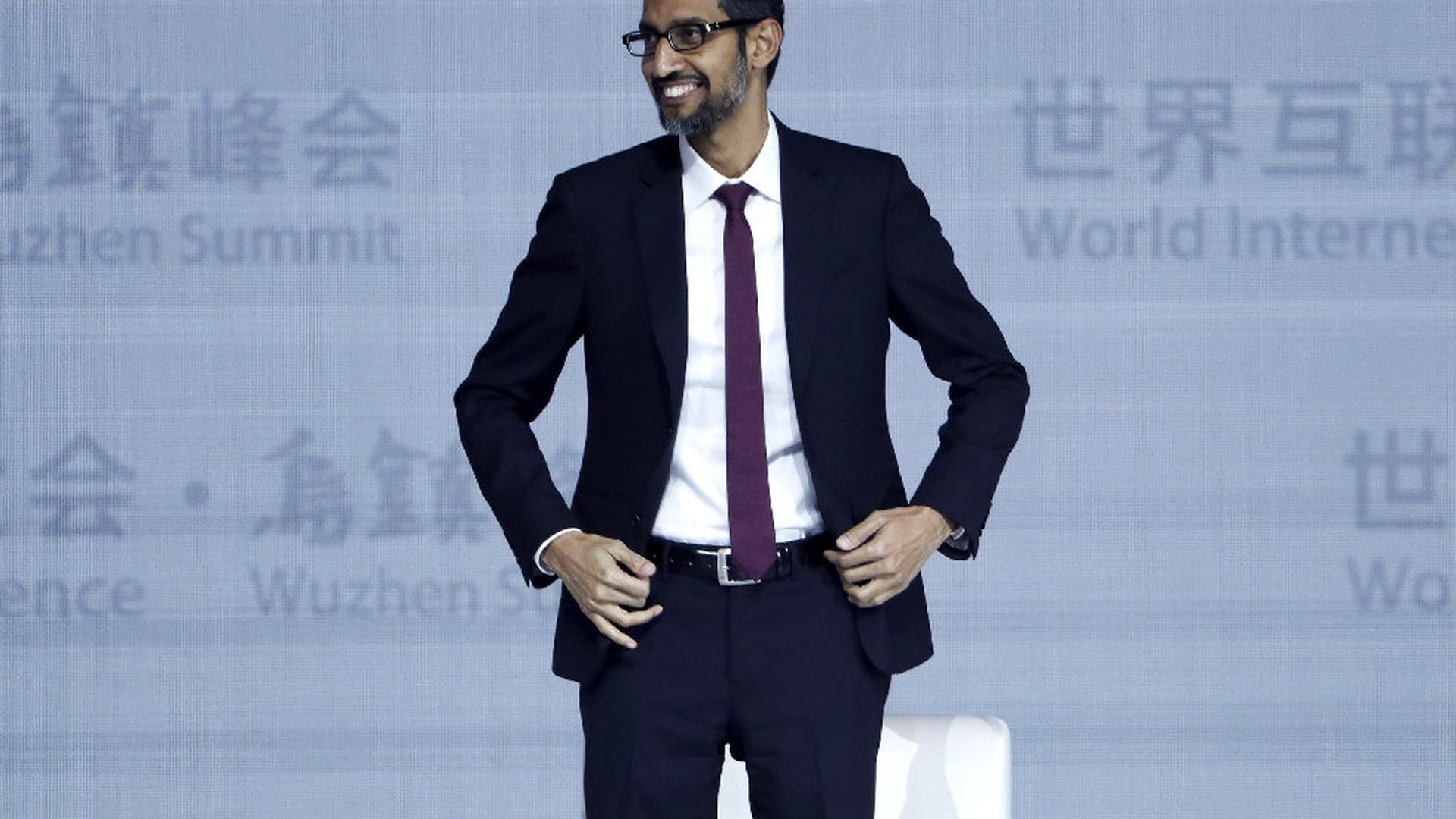
Google's search engine may be banned in China, but it just invested in Chinese mobile game live-streaming company Chushou.
Why it matters: This is Google's latest attempt to be involved in a massive market where its search engine is disallowed. In 2015, it invested in artificial intelligence startup Mobvoi and, this past December, it opened an A.I. lab in Beijing.

Apple: Mac and iPhone both affected by big chip vulnerability

After more than a day of silence, Apple confirmed Thursday that the Mac, iPhone and iPad are all affected by the recently disclosed massive chip vulnerability.
Why it matters: Although the vulnerabilities are at the hardware level, most of the mitigations are being done at the operating system level, putting the onus on companies like Apple, Microsoft and Google. Microsoft and Google have already released and detailed patches for Windows, Chrome OS and Android. (For more on the Meltdown and Spectre, check out our explainer here.)

Report: Jimmy Iovine to leave Apple Music in August
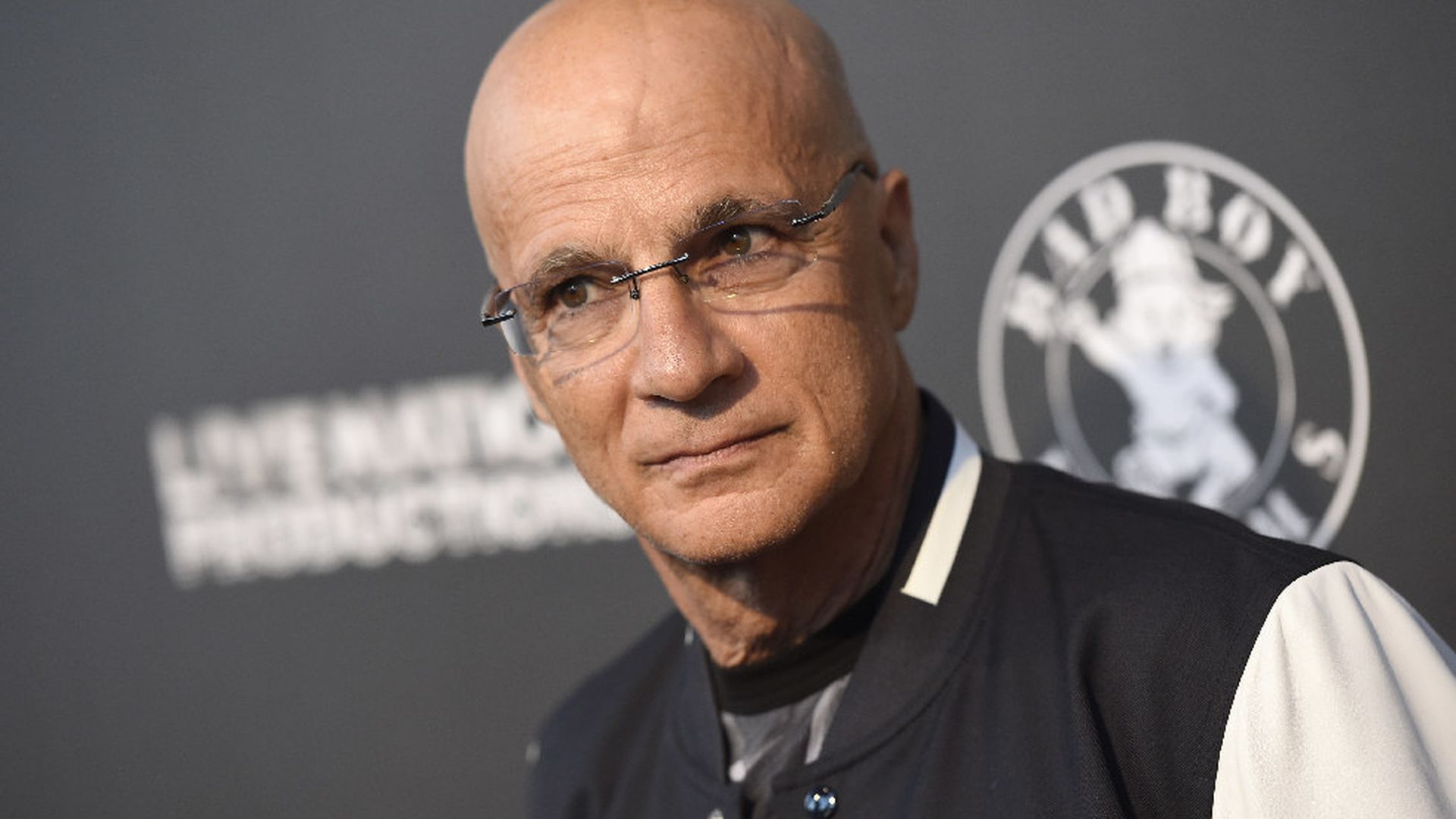
Jimmy Iovine, the co-founder of Beats Electronics (formerly Beats by Dre) will be leaving Apple in August, Billboard reports. Sources tell Billboard his departure coincides with the timing of his Apple shares fully vesting.
Why it matters: Iovine joined Apple in 2014 when it acquired Beats for $3 billion. His role was never really publicly spelled out, but he was believed to have a strong role in shaping Apple Music. Apple's chief executive Tim Cook says he hopes to double Apple's services revenue, which includes Apple Music, by 2020.
Spotify hits 70 million subscribers
Spotify hit 70 million paid subscribers, the company announced Thursday. It's growing at a much faster rate than its competitors, primarily Apple Music. It's increased its user base by 50% since September 2016.
Why it matters: It's a piece of good news for the music streaming giant ahead of its direct listing IPO, which it filed for at the end of December. Spotify was hit with a major lawsuit around the same time for copyright infringement, which could pose risk to the direct listing, which Spotify hopes to post in Q1, Axios' Dan Primack reports.

App Store hit record $300 million in sales
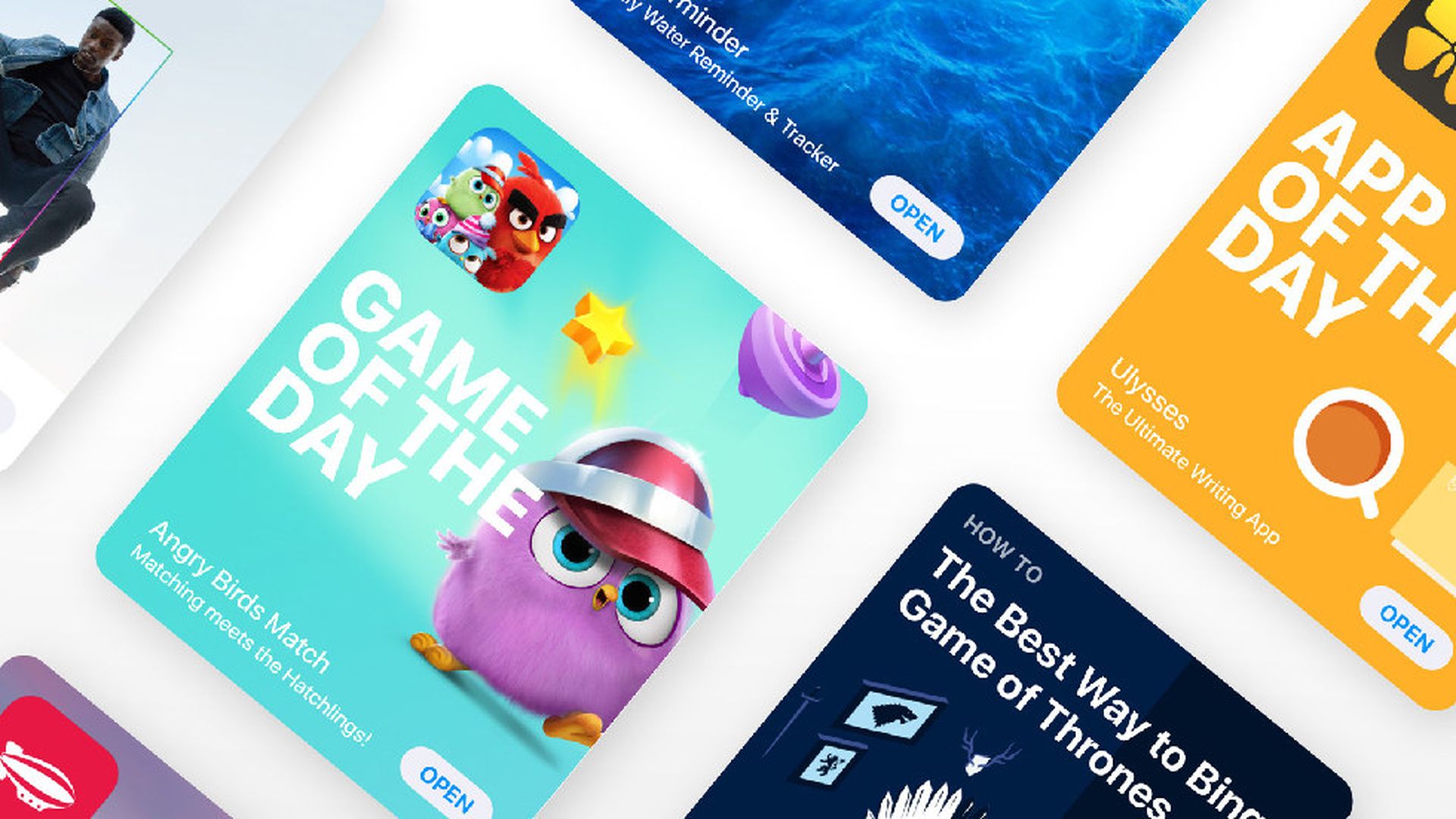
App Store customers rang in the new year with record app purchases on January 1, racking up $300 million in purchases on that day alone. During the week starting on Christmas Eve, a record number of customers spent $890 million.
App earnings: Apple says iOS developers earned $26.5 billion in 2017, more than a 30% increase over 2016.
Most popular: Pokemon Go topped the charts with its new augmented reality features. Amazon and Wayfair were among the most popular shopping apps, and Pitu and Snapchat were among the top social media apps. Clash of Clans, Candy Crush Saga and Hulu remained popular.
Facebook's problems are Zuckerberg's 2018 challenge

Facebook CEO Mark Zuckerberg said Thursday that his yearly personal challenge will be to address the slew of controversies facing the company.
"The world feels anxious and divided, and Facebook has a lot of work to do — whether it's protecting our community from abuse and hate, defending against interference by nation states, or making sure that time spent on Facebook is time well spent," he said in a Facebook post. "My personal challenge for 2018 is to focus on fixing these important issues."
Why it matters: These personal challenges are a key vehicle for Facebook's messaging throughout the year, and it's telling that Zuckerberg has pledged effectively to spend 2018 focusing on his job.
What you need to know about the massive chip security flaw

A nasty series of vulnerabilities affecting decades of chip processors from Intel and others is the root of the broadest security hole to date, affecting nearly all computers, smartphones and servers. Companies including Apple, Amazon, Microsoft and Google are scrambling to provide software updates to their operating systems and cloud services — but researchers said the software makers can't fully address the holes the chips left open.
The bottom line: While one vulnerability is potentially limited to just Intel chips, a related flaw affects the chips used in nearly every modern device.