Jimmy Iovine, the co-founder of Beats Electronics (formerly Beats by Dre) will be leaving Apple in August, Billboard reports. Sources tell Billboard his departure coincides with the timing of his Apple shares fully vesting.
Why it matters: Iovine joined Apple in 2014 when it acquired Beats for $3 billion. His role was never really publicly spelled out, but he was believed to have a strong role in shaping Apple Music. Apple's chief executive Tim Cook says he hopes to double Apple's services revenue, which includes Apple Music, by 2020.
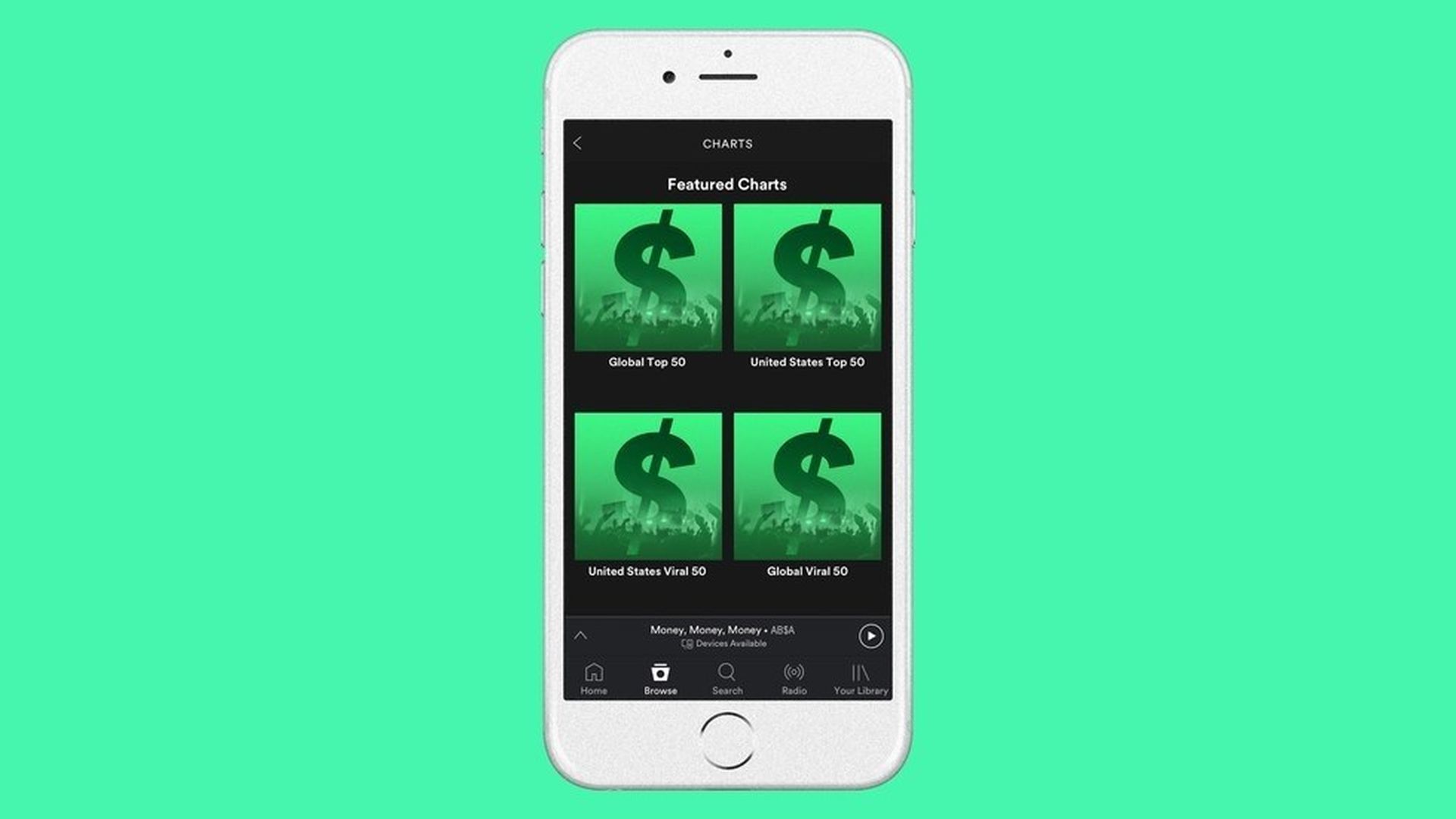
Spotify hit 70 million paid subscribers, the company announced Thursday. It's growing at a much faster rate than its competitors, primarily Apple Music. It's increased its user base by 50% since September 2016.
Why it matters: It's a piece of good news for the music streaming giant ahead of its direct listing IPO, which it filed for at the end of December. Spotify was hit with a major lawsuit around the same time for copyright infringement, which could pose risk to the direct listing, which Spotify hopes to post in Q1, Axios' Dan Primack reports.
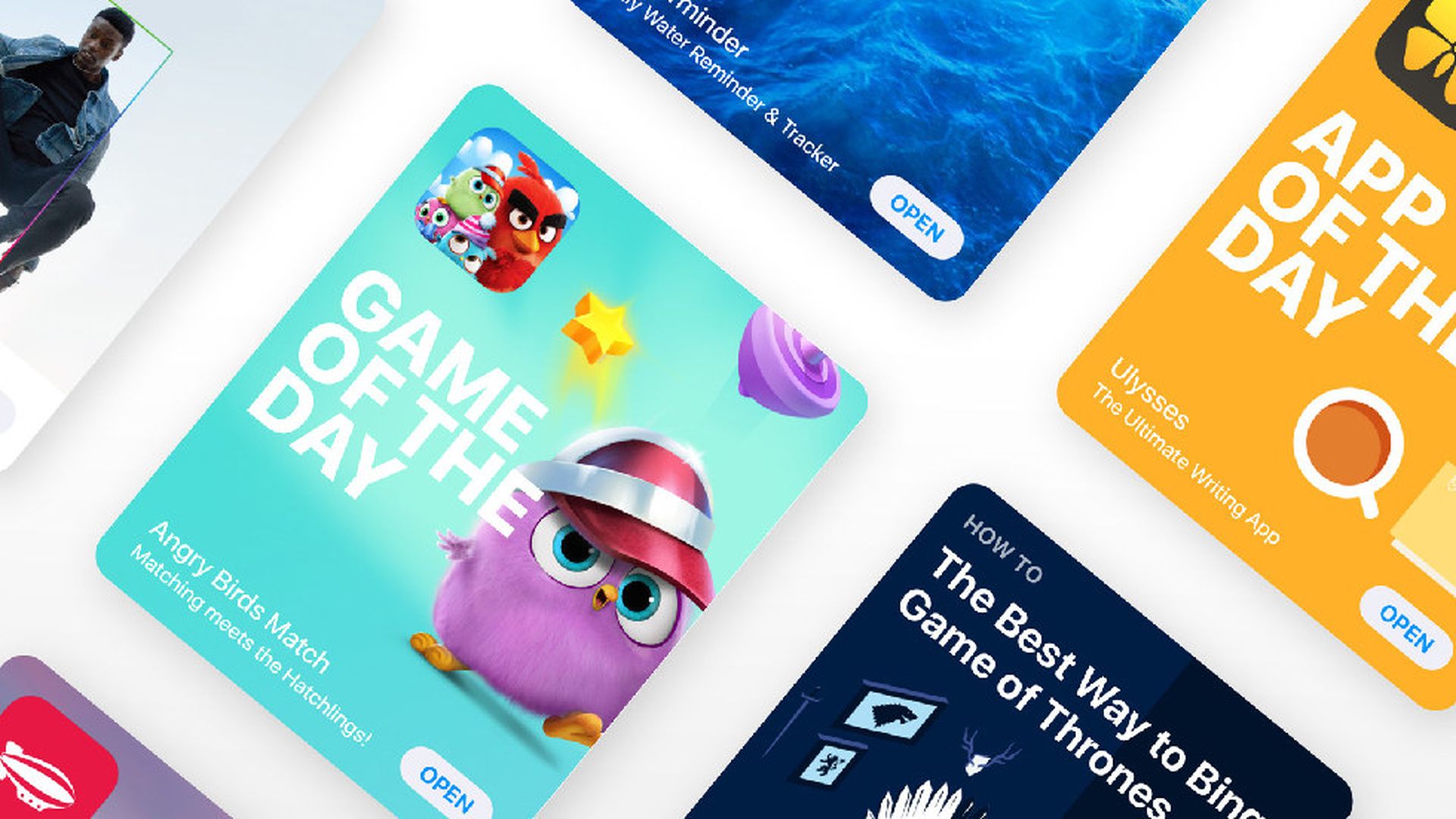
App Store customers rang in the new year with record app purchases on January 1, racking up $300 million in purchases on that day alone. During the week starting on Christmas Eve, a record number of customers spent $890 million.
App earnings: Apple says iOS developers earned $26.5 billion in 2017, more than a 30% increase over 2016.
Most popular: Pokemon Go topped the charts with its new augmented reality features. Amazon and Wayfair were among the most popular shopping apps, and Pitu and Snapchat were among the top social media apps. Clash of Clans, Candy Crush Saga and Hulu remained popular.
Facebook CEO Mark Zuckerberg said Thursday that his yearly personal challenge will be to address the slew of controversies facing the company.
"The world feels anxious and divided, and Facebook has a lot of work to do — whether it's protecting our community from abuse and hate, defending against interference by nation states, or making sure that time spent on Facebook is time well spent," he said in a Facebook post. "My personal challenge for 2018 is to focus on fixing these important issues."
Why it matters: These personal challenges are a key vehicle for Facebook's messaging throughout the year, and it's telling that Zuckerberg has pledged effectively to spend 2018 focusing on his job.
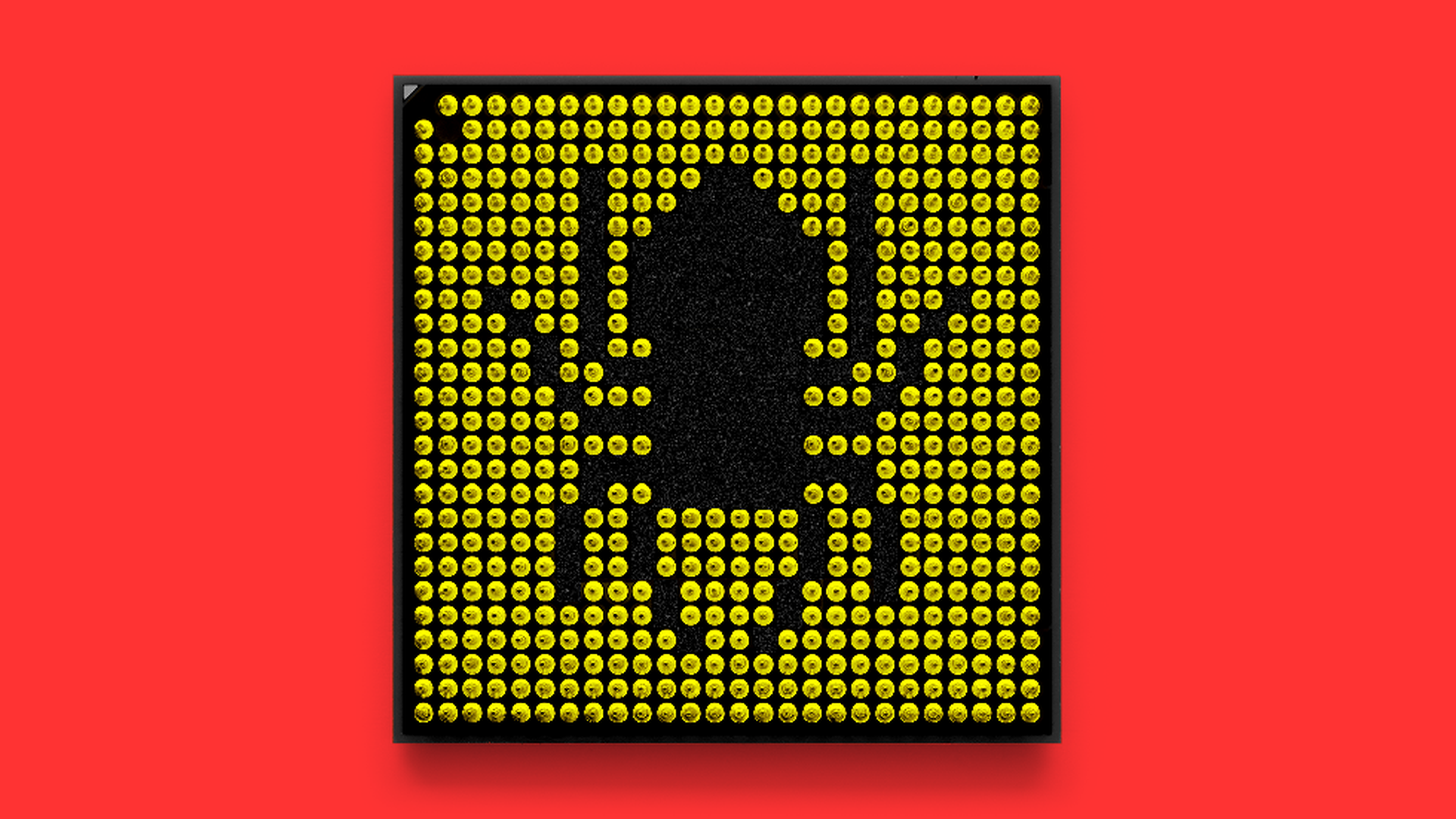
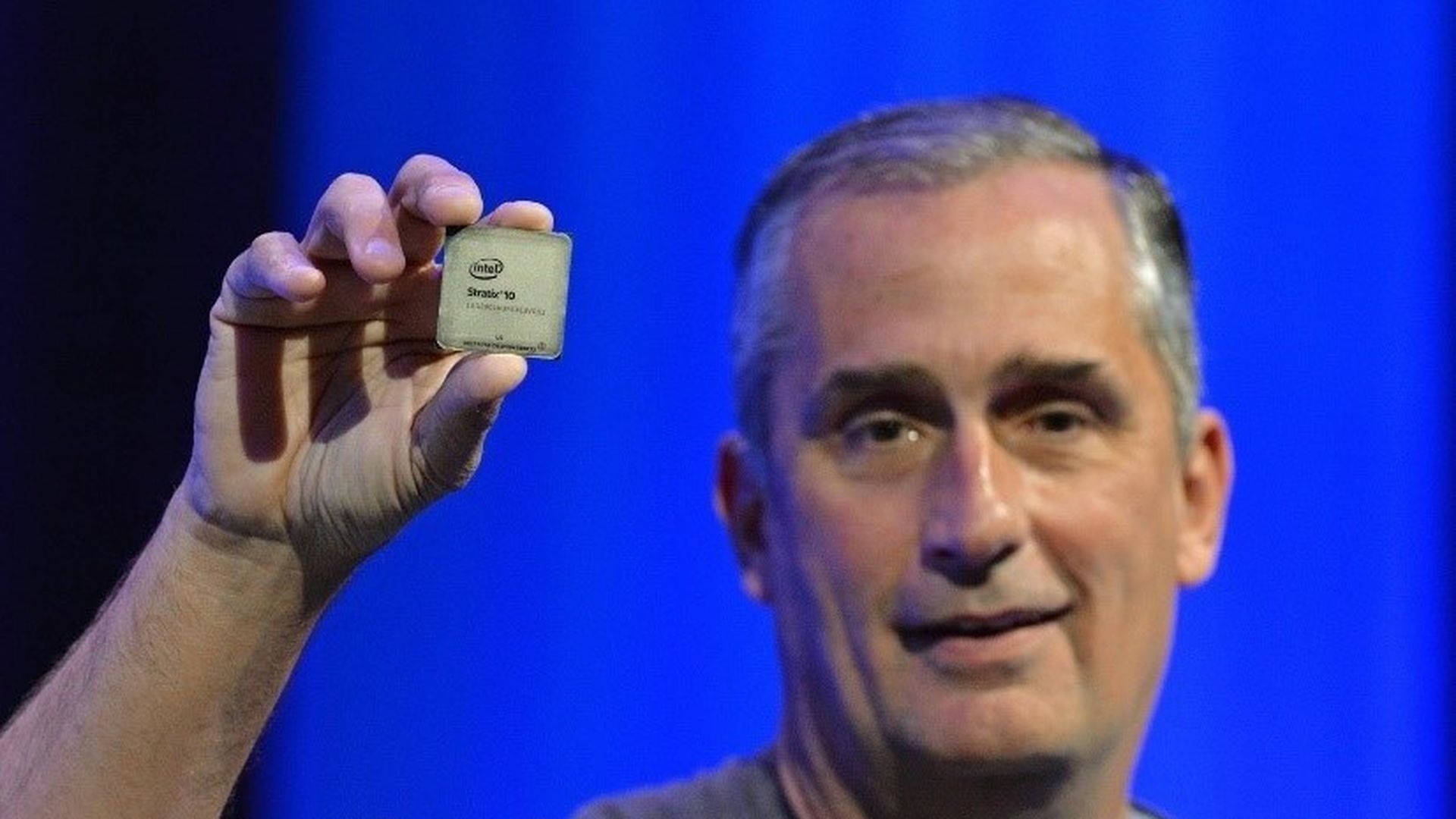
A nasty series of vulnerabilities affecting decades of chip processors from Intel and others is the root of the broadest security hole to date, affecting nearly all computers, smartphones and servers. Companies including Apple, Amazon, Microsoft and Google are scrambling to provide software updates to their operating systems and cloud services — but researchers said the software makers can't fully address the holes the chips left open.
The bottom line: While one vulnerability is potentially limited to just Intel chips, a related flaw affects the chips used in nearly every modern device.
On Tuesday, news broke that Wixen Music Publishing is suing Spotify for $1.6 billion for failing to obtain proper royalty licensing. The complaint centers around "mechanical" royalties, an on-going debate in music streaming.
Why it matters: Spotify (and others in the digital streaming industry) has long been criticized for not paying record labels and artists their fair share of the profits. But licensing rules may be due for some updating as online streaming continues to grow in popularity over physical records and musical downloads. Spotify is also in the midst of preparing to go public, as Axios reported.
The entire tech industry is scrambling to create software patches that close a massive security hole due to a decade-long flaw in how nearly all modern chips are designed.
The vulnerabilities, first reported to affect Intel chips, also affect to varying degrees processors made by rival AMD as well as the ARM processors used in cell phones and other devices.
Why it matters: This is the broadest security vulnerability to date, affecting nearly all computers, servers and other devices, including smartphones. For now, most fixes involve updates to the operating systems and cloud services developed by Apple, Amazon, Microsoft, Google and others.
Dig Deeper: A good explainer on the vulnerabilities and who is affected is offered here.
A soon-to-be-disclosed and massive chip flaw affects more than just Intel chips, according to both sources familiar with the issue and Intel itself.
The issue, which has to do with how modern chips speculatively execute code, leaves a wide range of processors vulnerable to attack. For now the solution appears to be rewriting devices' operating systems, meaning lots of work for Microsoft, Google, Apple and others. (Update: More info on the vulnerabilities can be found here.)
Why it matters: An already big problem is actually even bigger than previously thought. Already believed to impact nearly all computers, servers and cloud operating systems, it could impact cell phones and other devices as well. However, Intel says that contrary to early reports, the performance impact shouldn't be major for most users.
Chinese ride-hailing company Didi Chuxing said that it has acquired 99 in Brazil, confirming recent reports. Didi invested in 99 last year, and the companies share SoftBank as an investor.
Why it matters: Didi is now back to competing with Uber, this time in Brazil. The two ended their expensive rivalry in 2016 after Uber sold its Chinese operations to Didi, in exchange for an ownership stake.
It's clear that a soon-to-be-disclosed bug in Intel chips is going to be a big deal, but it's tough to say just how big until Intel shares more details publicly and the other key players — Intel, Microsoft, Apple, Google and Amazon share the steps they are taking to secure machines in the wake of the flaw.
What we know: There is a major bug out there that leaves lots of different types of computers running Intel chips vulnerable to an attack. That includes PCs, but also appears to include cloud services that run on Intel chips, such as those from Amazon. Reports suggest that, for now, Windows, Linux and MacOS (as well as impacted cloud operating systems) are being rewritten to close the security hole created by the flaw.
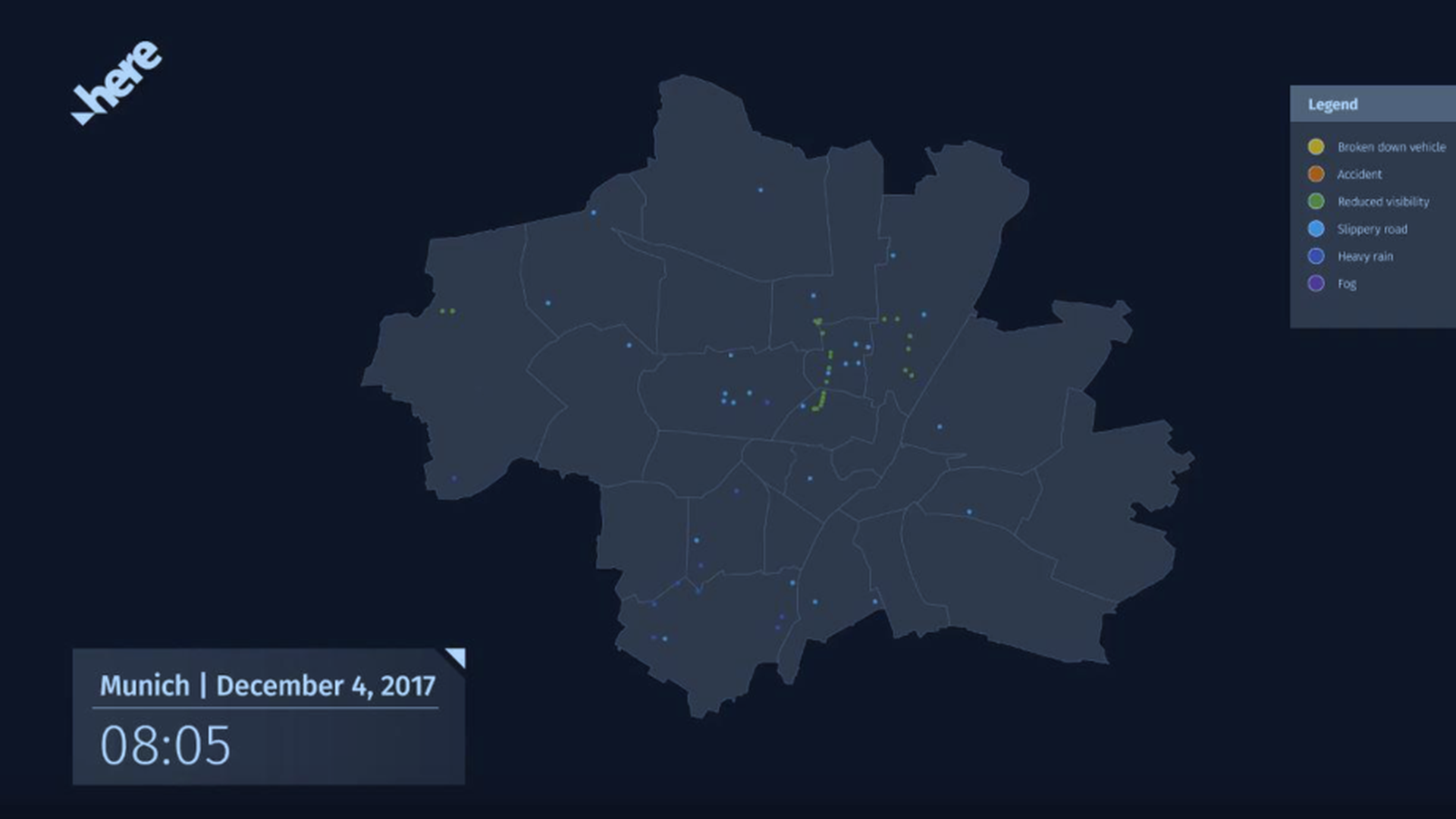
Nokia's former map unit, now owned by a consortium of European automakers, is launching a new effort to aggregate sensor data from millions of cars to help create a real-time map of road conditions.
Why it matters: Understanding not just the map of the road, but what is happening on those roads, is key for autonomous vehicles. It also could help HERE stand out from Google and others in the mapping space.
Twitter faced renewed criticism Tuesday after President Trump took to the service to taunt North Korea's Kim Jong-un over the size of his, um, nuclear button. Among other things, this tweet sparked a debate on the social media platform's policy and why this (and other Trump tweets) should be deemed allowable under Twitter's revised rules regarding inciting violence.