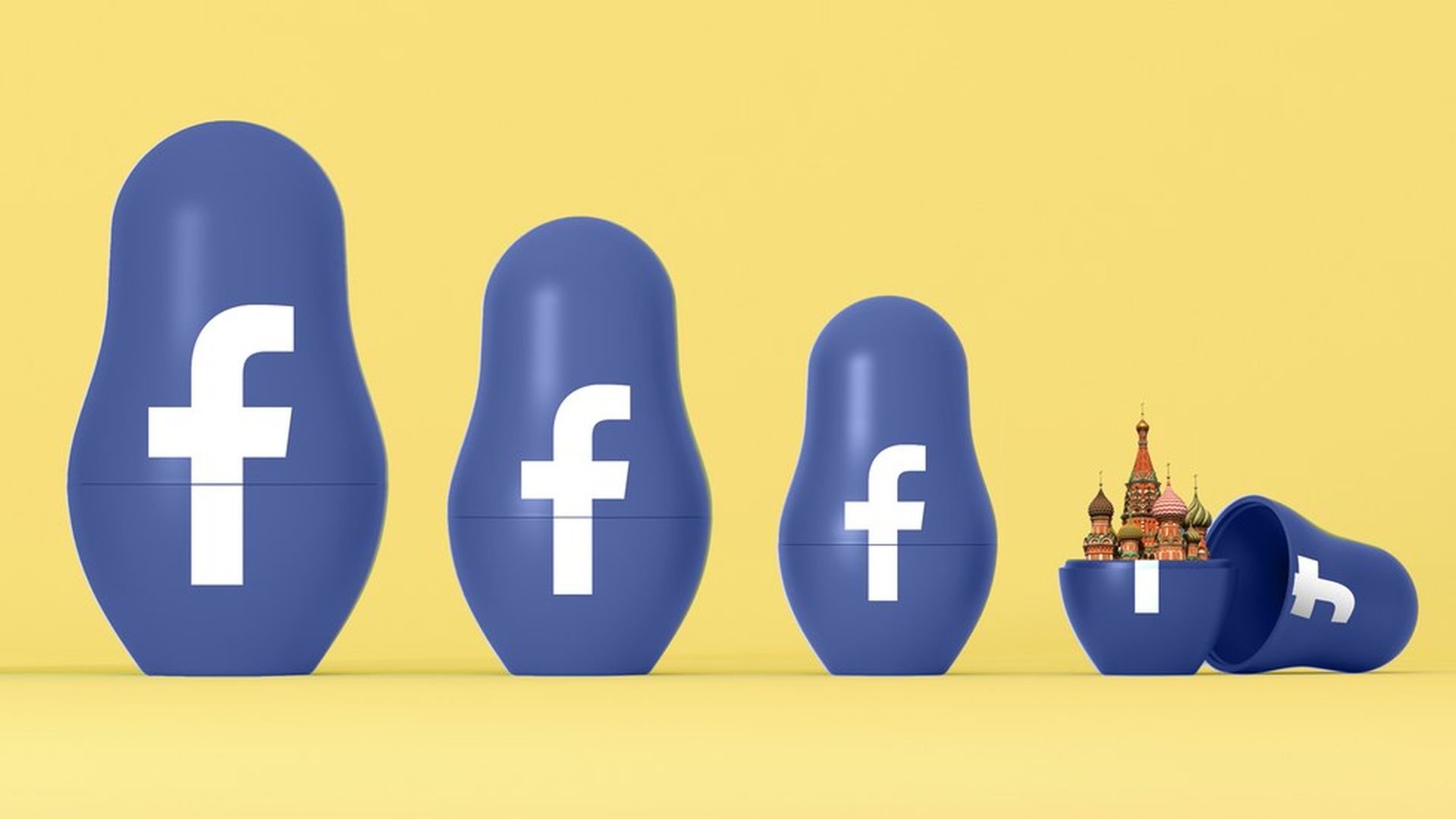
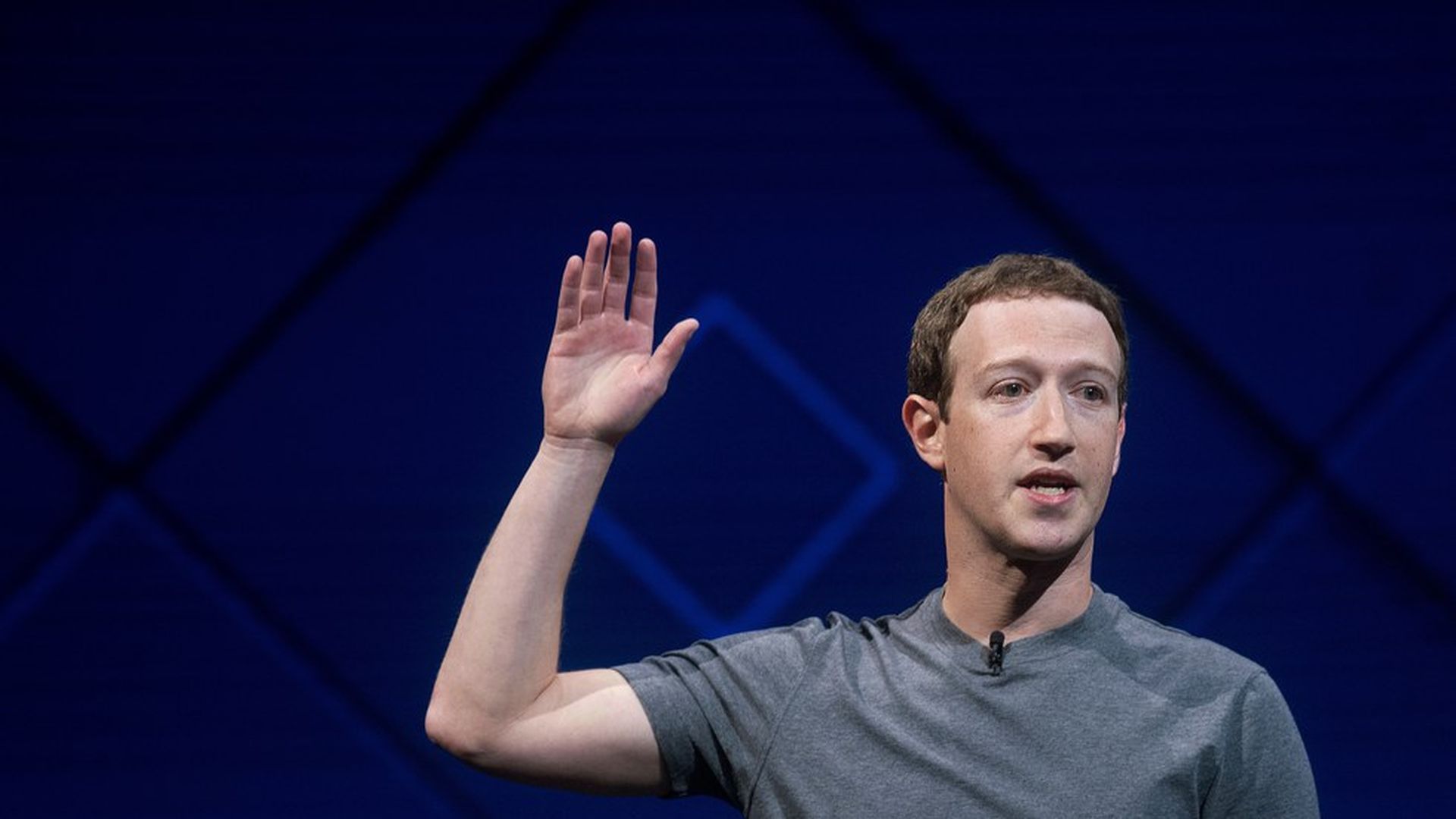
Facebook is stepping up its offensive to respond to questions about the role it played in Russian meddling in the 2016 presidential election. The moves come as it prepares to testify on Capitol Hill.
Why it matters: Facebook is investing in full-page ads, new policies and C-suite lobbying efforts as it stares down a crisis that imperils its reputation with Congress and relationship with the public. In contrast, Google and Twitter have kept a lower profile in response to the same investigation.
Facebook and Twitter confirmed they will answer questions at a November hearing that's part of a Senate committee's investigation into Russian election meddling. Alphabet has also been invited to the hearing that's part of a larger Senate Intelligence Committee investigation into Russian election inference but haven't confirmed their attendance.
Why it matters: Facebook staffers, specifically, have rarely testified on Capitol Hill despite its ascendance as one of the most valuable technology companies in the world. And many tech companies are still largely represented by trade groups in Washington. But tech is under unprecedented pressure on several fronts, and the big companies want to be seen as taking concerns seriously.
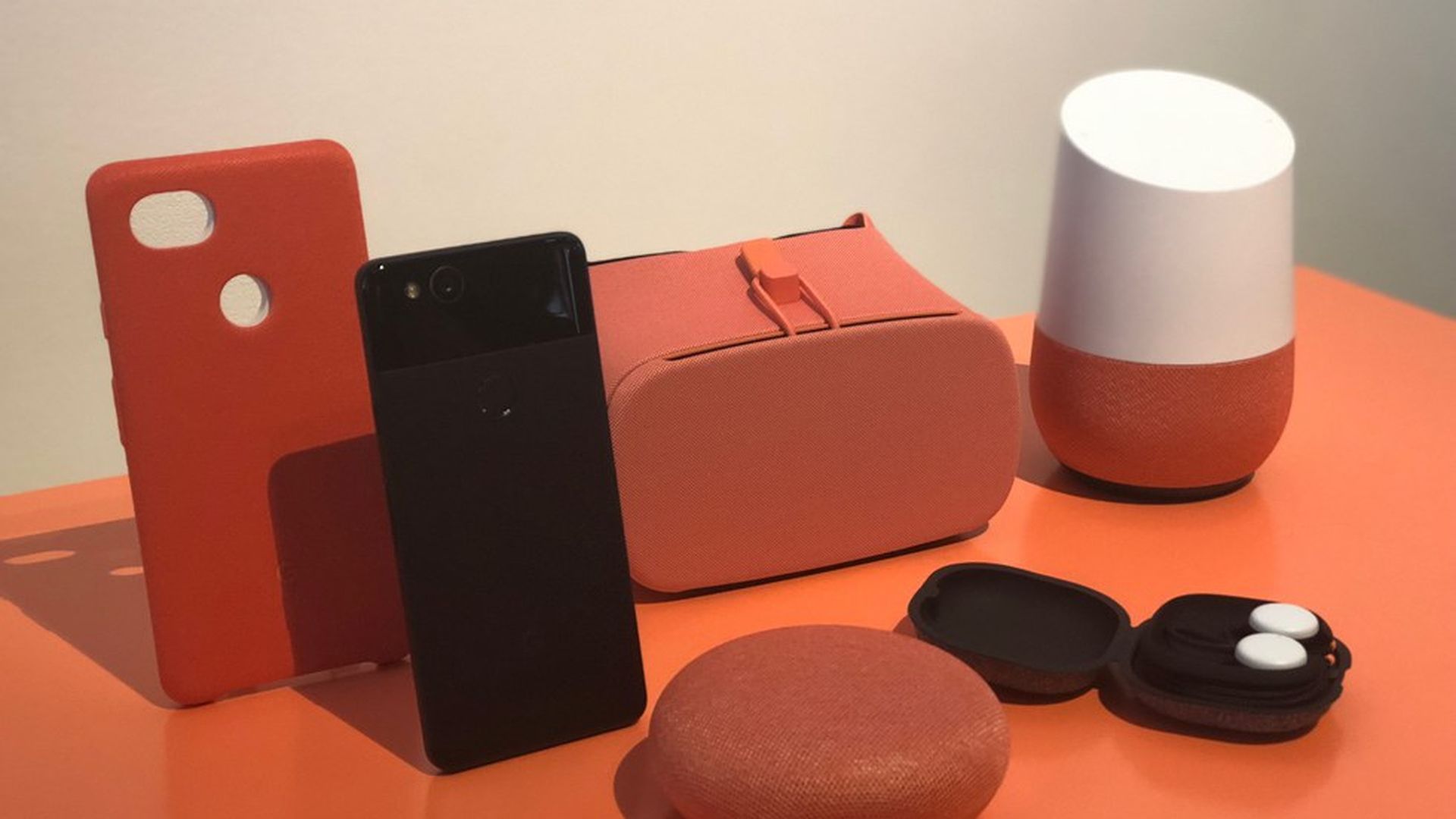
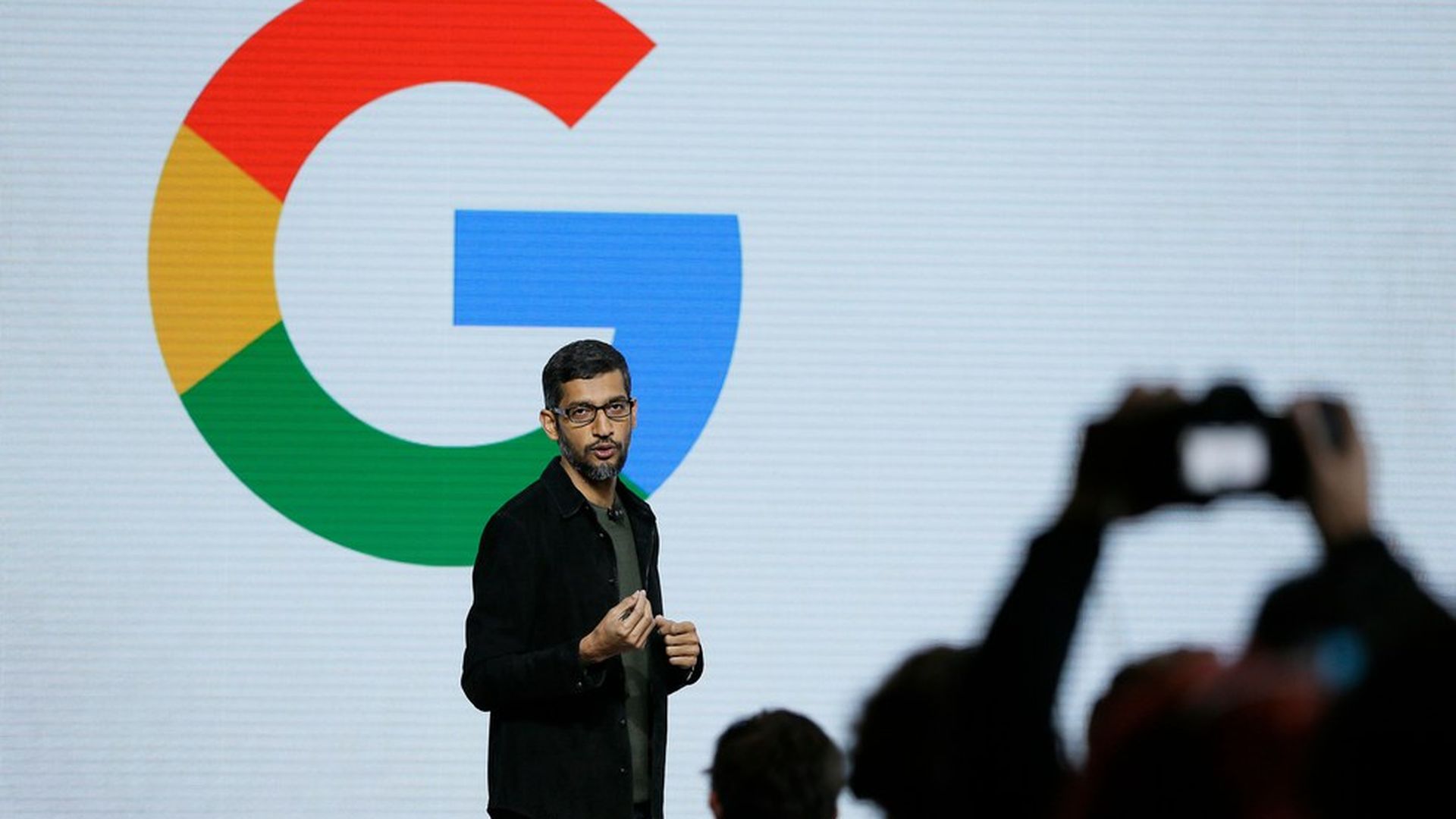
Google introduced a parade of new hardware products Wednesday, including second-generation Pixel phones and Pixelbook, a high-end Chromebook with built-in Google Assistant and support for Android apps.
It also introduced Google Home Mini, a smaller version of its Amazon Echo rival, and Google Home Max, a high-end model that is poised to rival Apple's forthcoming HomePod.
Nearly two-thirds of Americans expect humans to struggle finding work in a future of robots — all humans except themselves, that is. According to a study released today by Pew Research, they worry far less about losing their own jobs to automation.
Why it matters: The study confirms prior research that, despite the knowledge that a powerful new technological force is gathering momentum, Americans remain unperturbed about their own well-being, leaving themselves potentially vulnerable to personal financial crisis.
With details on its new speakers and phones having already leaked, the big question heading into Wednesday's event isn't what Google will unveil, but rather how it plans to make this year's gear more successful than past efforts.
What we've heard: According to leaks to various news sources, the company is expected to follow last year's pattern with two Pixel phones, a standard and XL version, with the former made by HTC and the latter by LG. We also know Google is expanding the Google Home line to include a cheaper "mini" version, via confirmation by Walmart which had a pre-order listing pop up on its site. And we might see more, including a Pixel-branded Chromebook.
IBM threw its support behind an anti-sex-trafficking bill that online platforms such as Google and Facebook are lobbying against.
IBM's move: In a letter to bill sponsors Sens. Rob Portman and Richard Blumenthal, IBM's top lobbyist Chris Padilla wrote that, while the company is optimistic about the positive benefits of technology, "we also support appropriate, balanced measures to prevent new technologies and online services from being abused by criminals."
Between the lines: In joining other tech companies like Oracle and Hewlett Packard Enterprise in publicly supporting the bill, IBM distances itself from the position of the major platform companies that oppose the bill, which Google and Facebook say undermines their business model by making them legally liable for some content users post on their sites.
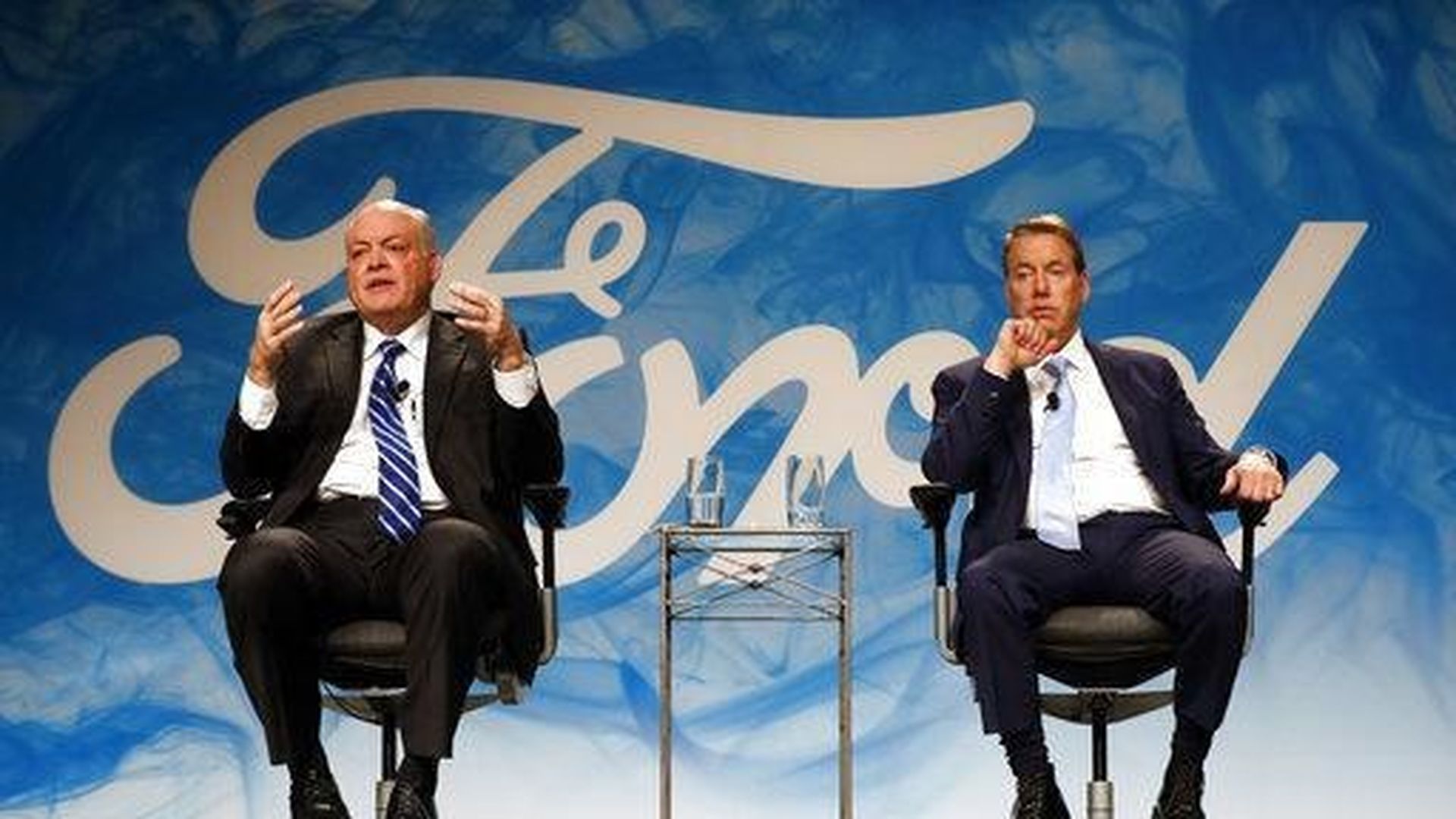
Ford's new CEO James Hackett presented his plan for the automaker to analysts on Tuesday, which will include cost cutting, a significant shift to electric vehicles, and continued investment in self-driving car technology and transportation services.
Why it matters: Hackett's appointment was said to be a move by the company's board to help Ford catch up in the autonomous driving race, which includes rival automakers like General Motors and Tesla, along with tech companies like Alphabet, Uber, and Lyft.