Saturday's technology stories

Top Facebook security exec responds to critics
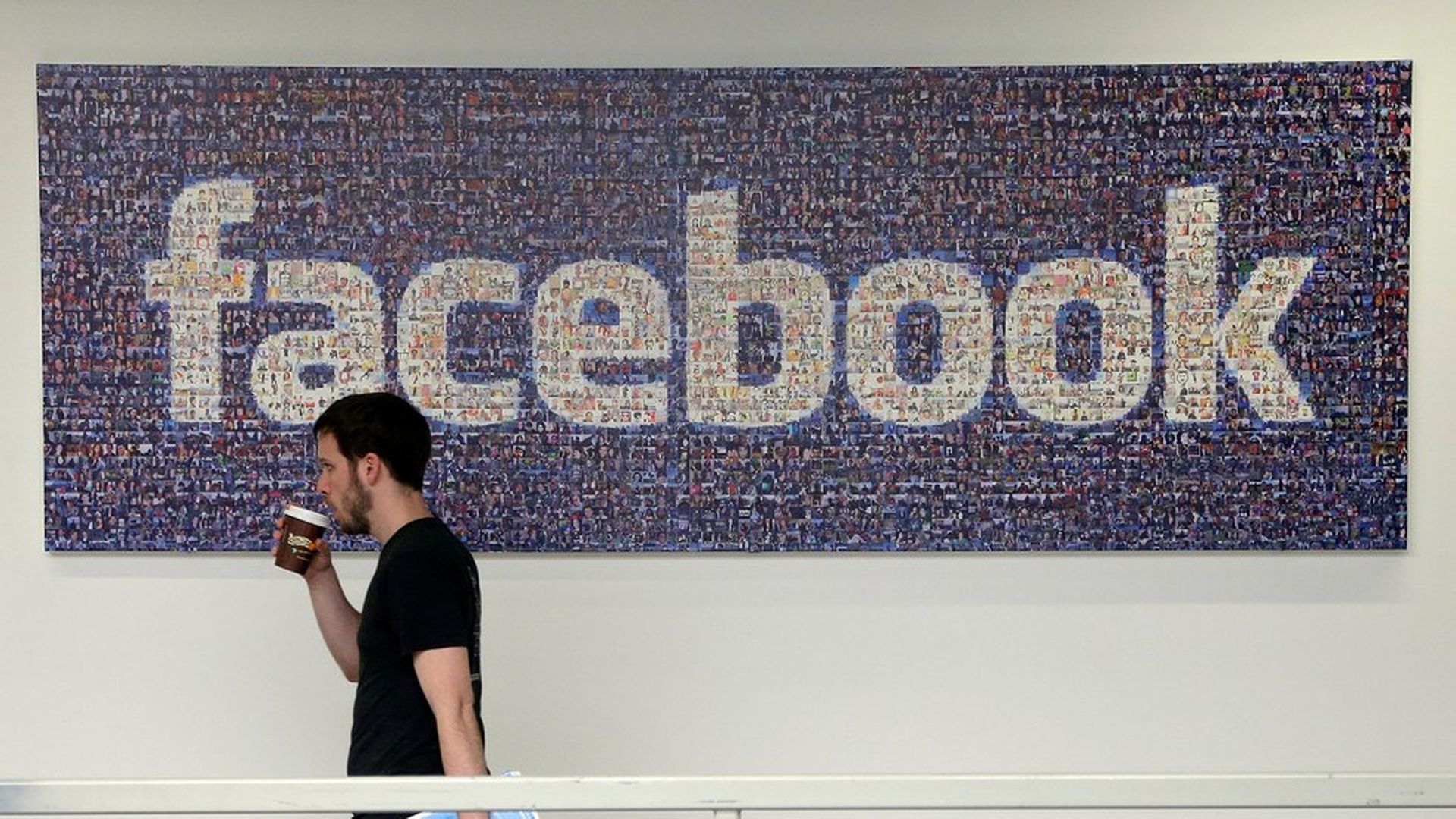
Facebook's chief security officer Alex Stamos spent part of Saturday responding to critics who say it should overhaul its systems in response to concerns about fake news and foreign election meddling on the platform. His message, basically, was that it's complicated.
"I am seeing a ton of coverage of our recent issues driven by stereotypes of our employees and attacks against fantasy, strawman tech [companies]," he said in a Twitter thread. "A lot of people aren't thinking hard about the world they are asking SV to build." Read his comments in full below.
Why it matters: This is an uncommon level of candor for an executive at the secretive social media company as it faces questions from regulators and the public about possible Russian use of the platform to interfere with the 2016 election. Stamos is one of the public faces of the company's investigation into those issues.

Amazon pharmacy services a "matter of when, not if"
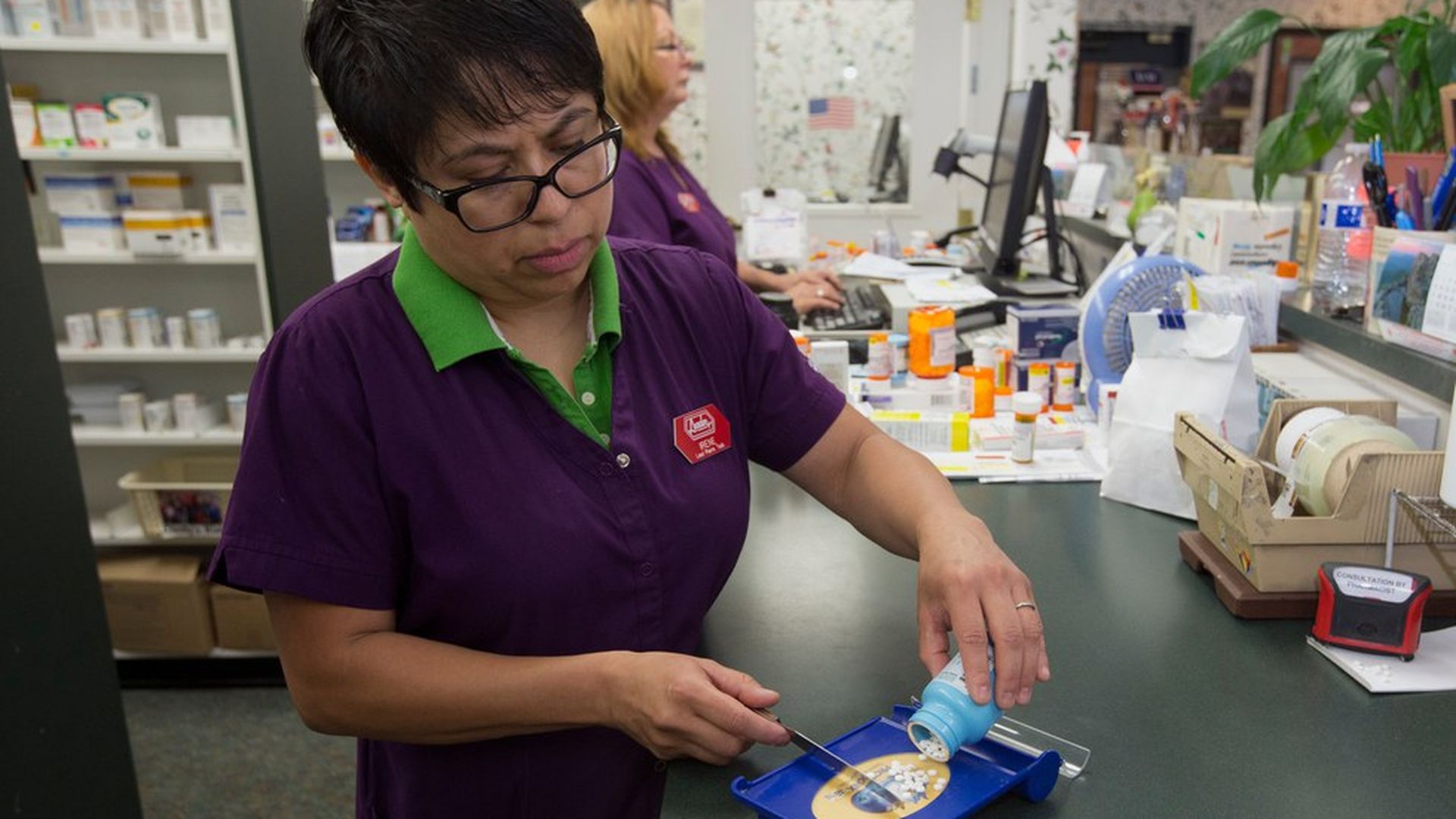
Amazon getting into pharmacy services is more a "matter of when, not if," according to a new report from the investment bank Leerink Partners. Leerink previously indicated Amazon appears to be in talks with pharmacy benefit managers, the middlemen that negotiate with drug companies, insurers, employers and pharmacies.
Get smart: Leerink, basing its information on calls with people who work in the pharmacy and drug industries, expects an announcement from Amazon in the next one to two years. The news on Friday hammered pharmacy stocks like CVS Health, Walgreens and AmerisourceBergen, because those companies would immediately face competitive and cost pressures from Amazon.

Robot-made pizza company raising $50 million
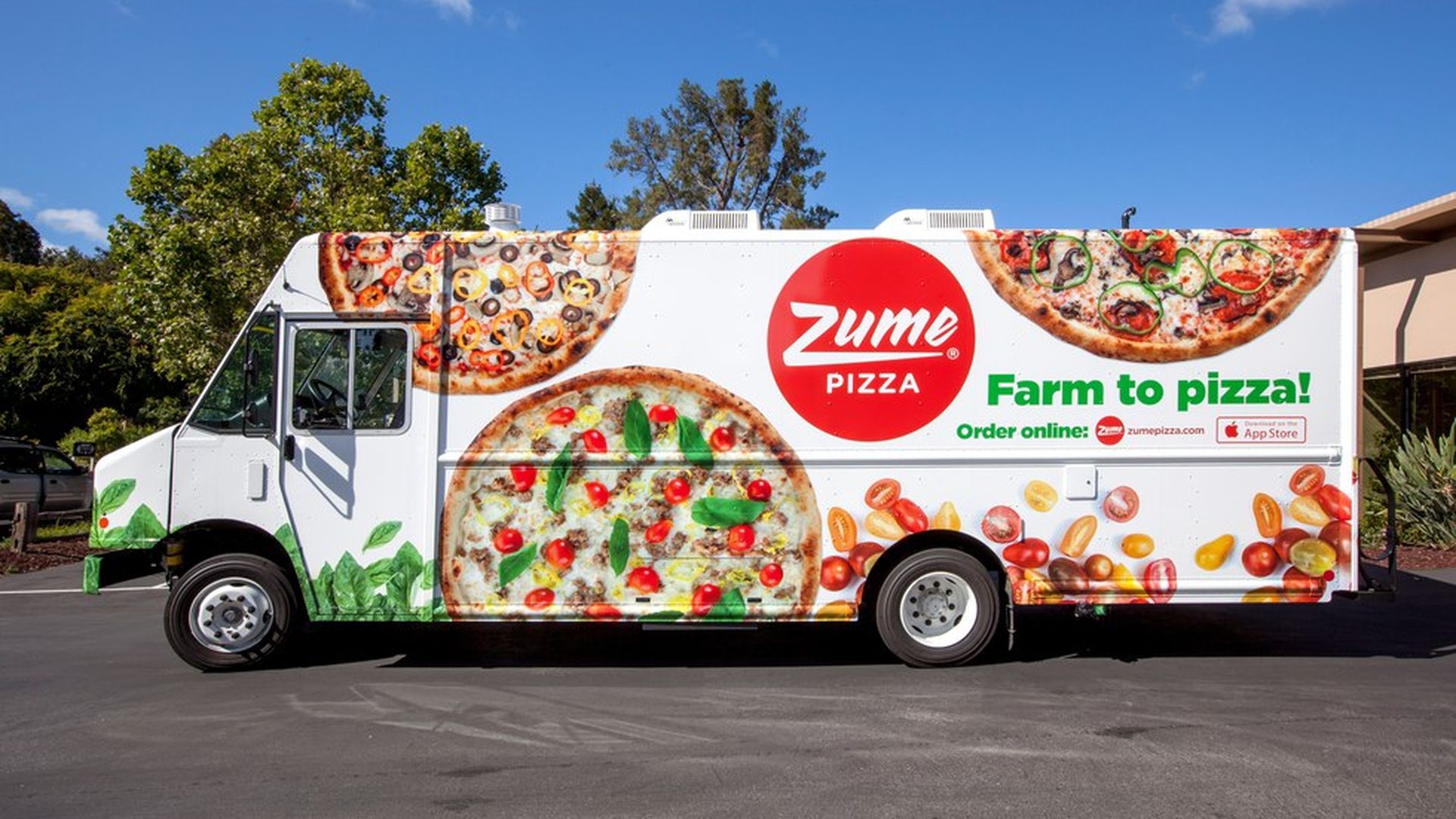
Zume Pizza, a store-less pizza purveyor that uses robots to bake its pies, has secured $48 million of a new VC round that could total $50 million, per an SEC filing. It had previously raised over $23 million from AME Cloud Ventures, Maveron, SignalFire, and Kortschak Investments.
New retail: Silicon Valley-based Zume is part of a growing cohort of companies using robots to automate food making and food. In this case, it utilizes big trucks outfitted with ovens and pizza-cooking robots that deliver fresh food to customers. Zume says its model helps it cut down on overhead costs like rent, and that robots can replace humans in areas where the tasks are unsafe, boring, or arduous. It has not returned a request for comment on the funding.

AOL is killing off its instant messenging program
/2017/12/15/1513306017738.gif?w=3840)
Verizon-owned AOL announced Friday it is discontinuing AIM, the pioneering chat program, effective Dec. 15. "AIM tapped into new digital technologies and ignited a cultural shift, but the way in which we communicate with each other has profoundly changed.," AOL said in a Tumblr post.
The bottom line: Yahoo and Microsoft have already discontinued their first-generation chat programs, so it's hardly a big surprise. That said, it also highlights a missed opportunity. Chat hasn't gone away; it's just that these programs proved unable to fully keep up with the times.

Policy threats intensify for tech giants
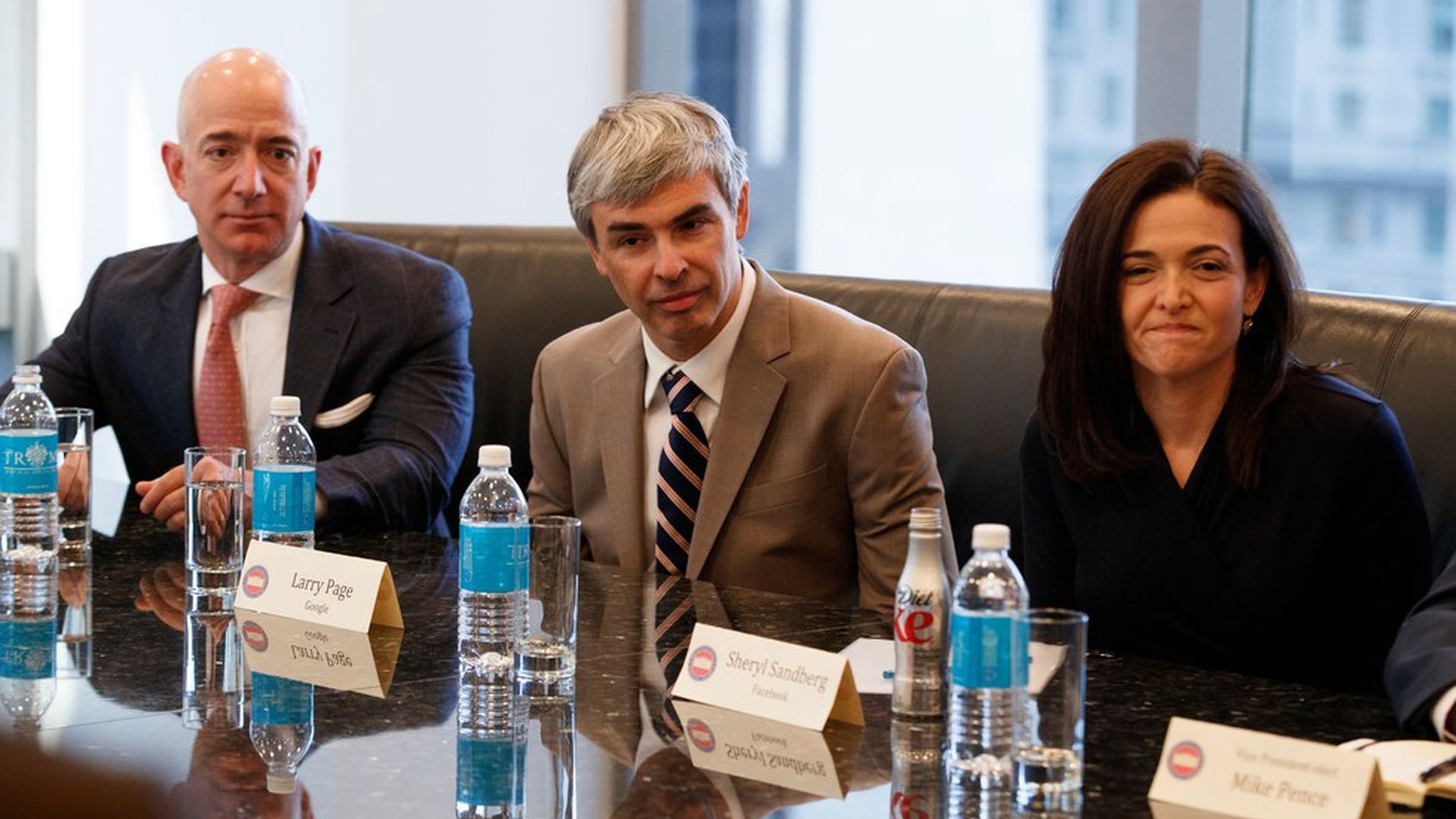
While tech giants like Facebook, Amazon, Google, Microsoft and Apple have already stepped up their lobbying efforts, some say the companies will have to pay even more attention to policy in the coming years as regulators across the globe increase scrutiny.
Why it matters: Tech companies are more reliant than other industries on worldwide talent and international customers, so rising nationalist and protectionist views around the world could dramatically shrink markets for them. In an environment where data is the new oil and Jeff Bezos is seen (by some) as the next John D. Rockefeller, the pressure in Washington (and Brussels and Beijing) will keep ratcheting up, said Bruce Mehlman, a prominent tech lobbyist.
An online game gives glimpse of life as an Uber driver
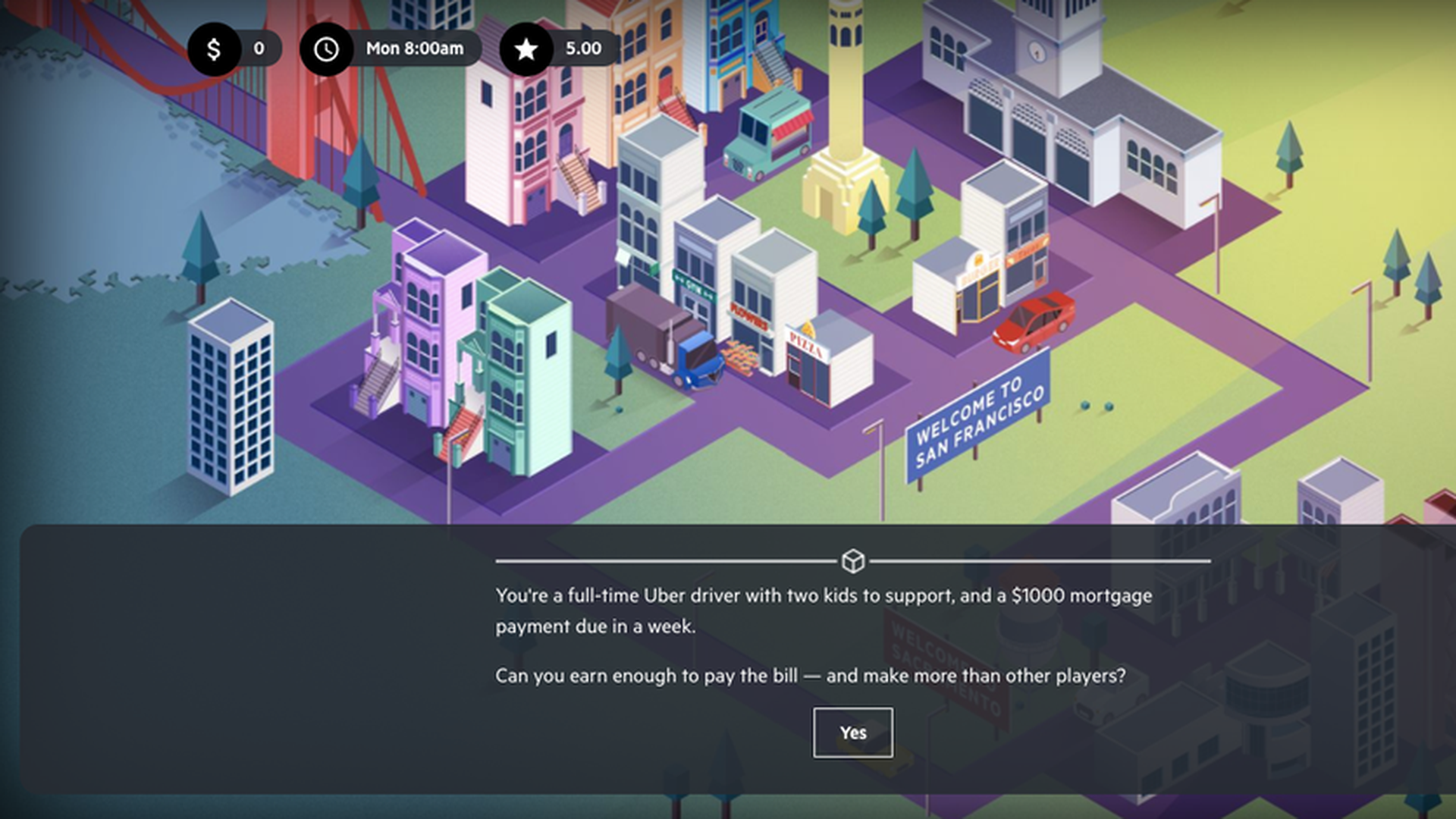
A pebble made a small crack in your car's windshield—do you want to spend $30 to fix it? This is just one of the many questions I had to answers while playing a new short game created by the Financial Times that offers a short simulation of life as an Uber driver. My mission: To make as much money while dealing with a variety of passengers and mishaps.
The bottom line: Designed based on interviews with real Uber drivers, the game offers a good glimpse into the long hours of driving and the complexities of the job, as the FT describes in this story. A full-time driver has to manage expenses, become familiar with traffic and business laws (don't forget that business license!), and is constantly balancing Uber's game-like and financial incentives to drive more with sticking to sane and healthy hours.