The Kremlin's principal international propaganda outlet RT (formerly Russia Today), spent $274,100 in U.S. ads in 2016, with related accounts promoting 1,823 tweets that "definitely or potentially targeted the U.S. market," Twitter said today in a lengthy blog post. The post came after a meeting with Senate Intelligence Committee leaders about how Russian actors used the platform to influence media coverage of the 2016 election. The campaigns were directed at followers of mainstream media outlets.
Why it matters: Twitter users played a major role in the dissemination of fake news stories and other misinformation during the 2016 election, an Oxford study found, and lawmakers are frustrated that Russian actors used major U.S. tech platforms to attempt to influence the outcome of the presidential election. Facebook has already handed over ads that it discovered were purchased by Russian actors, and now Twitter is having to disclose the extent to which Russia-linked accounts used the platform.
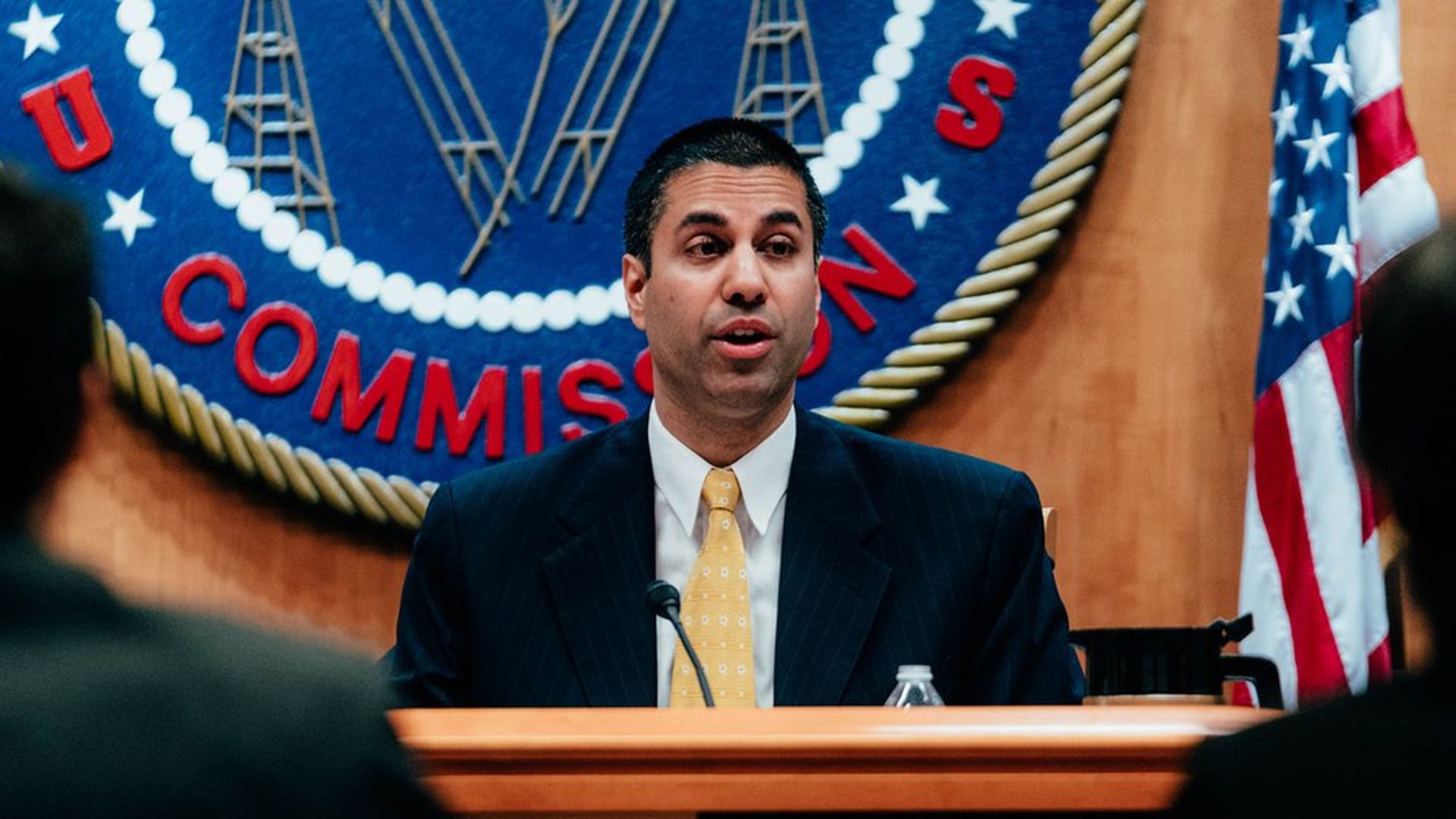
FCC Chairman Ajit Pai pushed Apple this morning to activate the FM radio chips in the iPhone:
"In recent years, I have repeatedly called on the wireless industry to activate the FM chips that are already installed in almost all smartphones sold in the United States," he said in a statement. "Apple is the one major phone manufacturer that has resisted doing so. But I hope the company will reconsider its position, given the devastation wrought by Hurricanes Harvey, Irma, and Maria."
Why it matters: While users might not make frequent use of an FM chip, it has potential to be a backup conduit for information when other communication networks are down.
President Trump has waived the Jones Act, a shipping law that allows only American-owned and operated ships to carry goods and passengers to and from U.S. ports, for Puerto Rico. Press Secretary Sarah Sanders made the announcement on Twitter. The act was waived for Texas and Florida after Harvey and Irma to open up ports for resources.
It's Twitter's turn in the hot seat. The company will brief staff members of the Senate Intelligence Committee on Thursday as part of the probe into Russian meddling in the 2016 election.
The bottom line: While Facebook and Twitter are often lumped together as social networks, they face different questions in this investigation. The biggest question for Twitter is whether and how it influenced media coverage in the 2016 election — a key concern for both parties that will get a lot of attention.
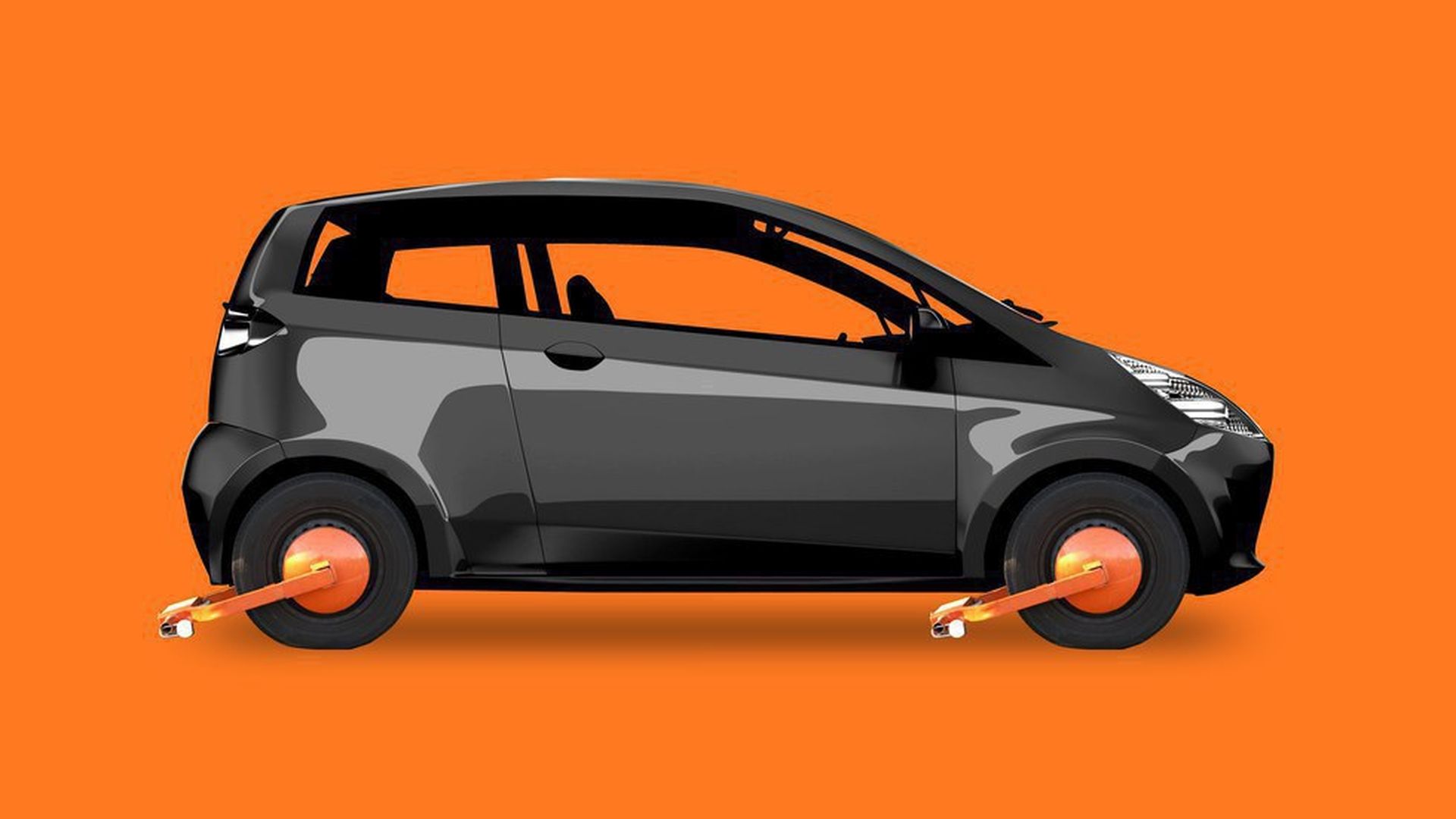
Uber is shutting down its car leasing business, Xchange Leasing, after reportedly hoping to sell it, the company told the Wall Street Journal. The company will look for a "less capital intensive approach," it said.
Why it matters: Debuted two years ago, Xchange Leasing has been a controversial business unit. Earlier this summer, the WSJ reported that the company knowingly leased out defective cars to drivers in Singapore, while a Bloomberg report last year explored the financial risks for drivers who rent out the cars.
This is one of several moves by the company to shed units that aren't financially viable. Last year, it sold its Chinese operations to local rival Didi Chuxing after sinking $2 billion in the business, and a few months ago it did the same with its operations in Russia and neighboring countries. According to the WSJ, Uber recently discovered that it was losing 18 times more money per vehicle than previously thought.
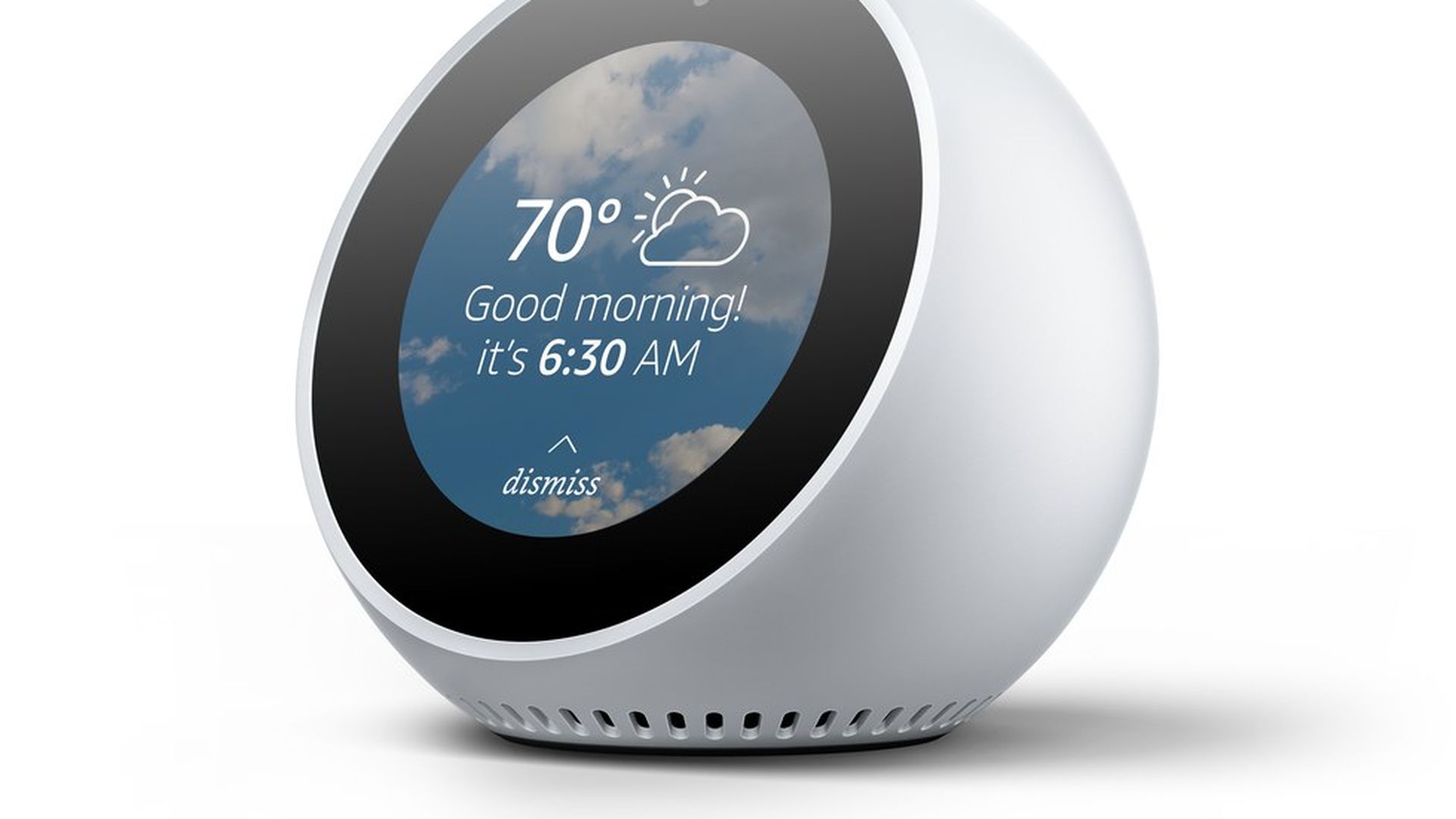
Amazon used a press event in Seattle to unveil a range of new hardware, including a new range of Echo speakers and an update to its Fire TV set-top box.
Why it matters: Amazon is known for offering a lot of technology at a low price and it has dialed up the pressure on Apple and Google with the new gear. The new devices also will take the Alexa voice assistant to more places.
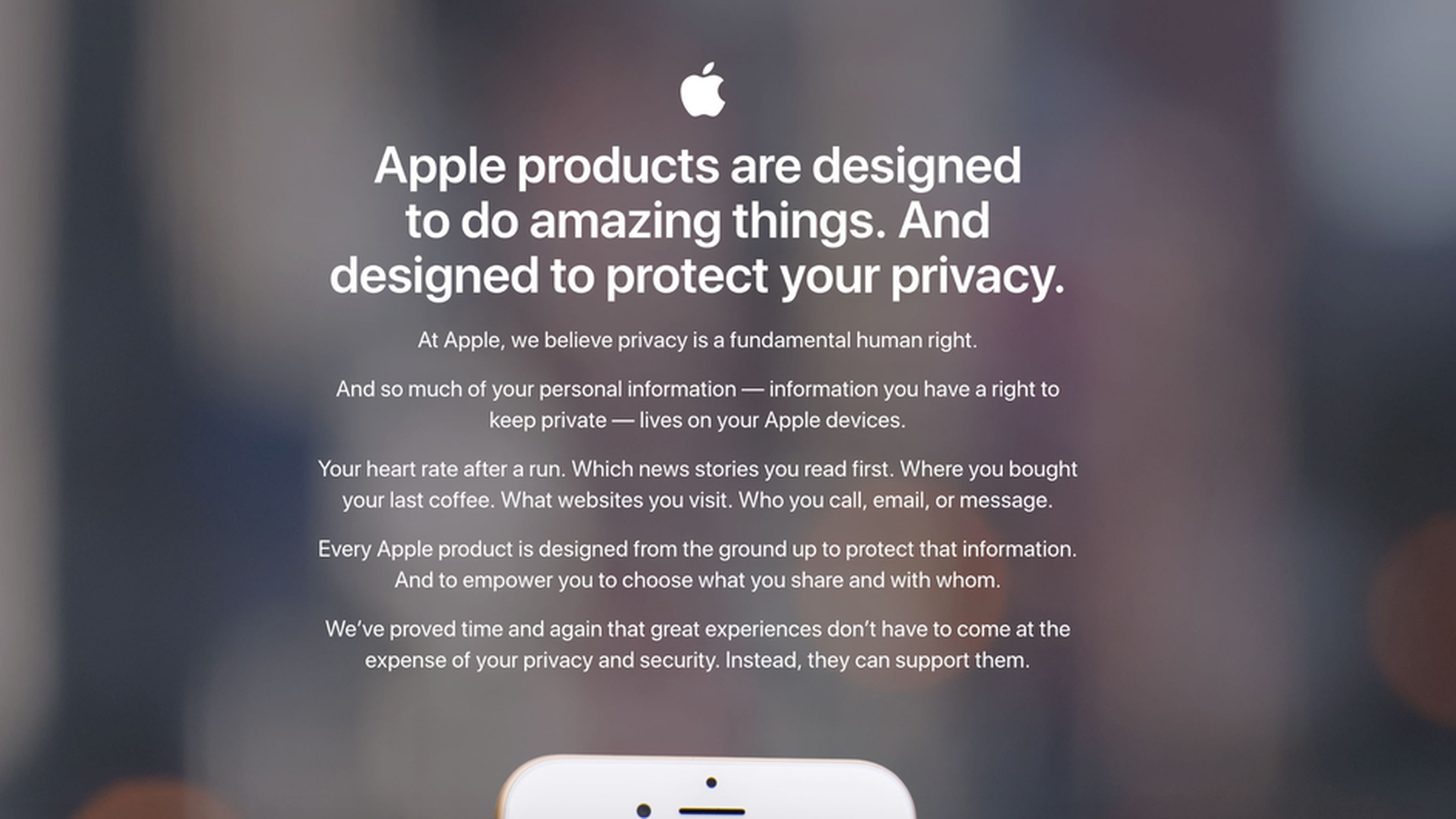
Apple updated its privacy policy Wednesday and offered up more details on how it handles the data it collects to power the iPhone X's Face ID feature. "At Apple, we believe privacy is a fundamental human right," the company says in a new version of its privacy Web site. "And so much of your personal information — information you have a right to keep private — lives on your Apple devices."
Why it matters: With Apple now using facial recognition in addition to collecting fingerprints, it wants to reassure customers of the steps it takes to protect the data. Also, as all varieties of smartphones contain a treasure trove of personal information, Apple aims to make its strong privacy stance a selling point.
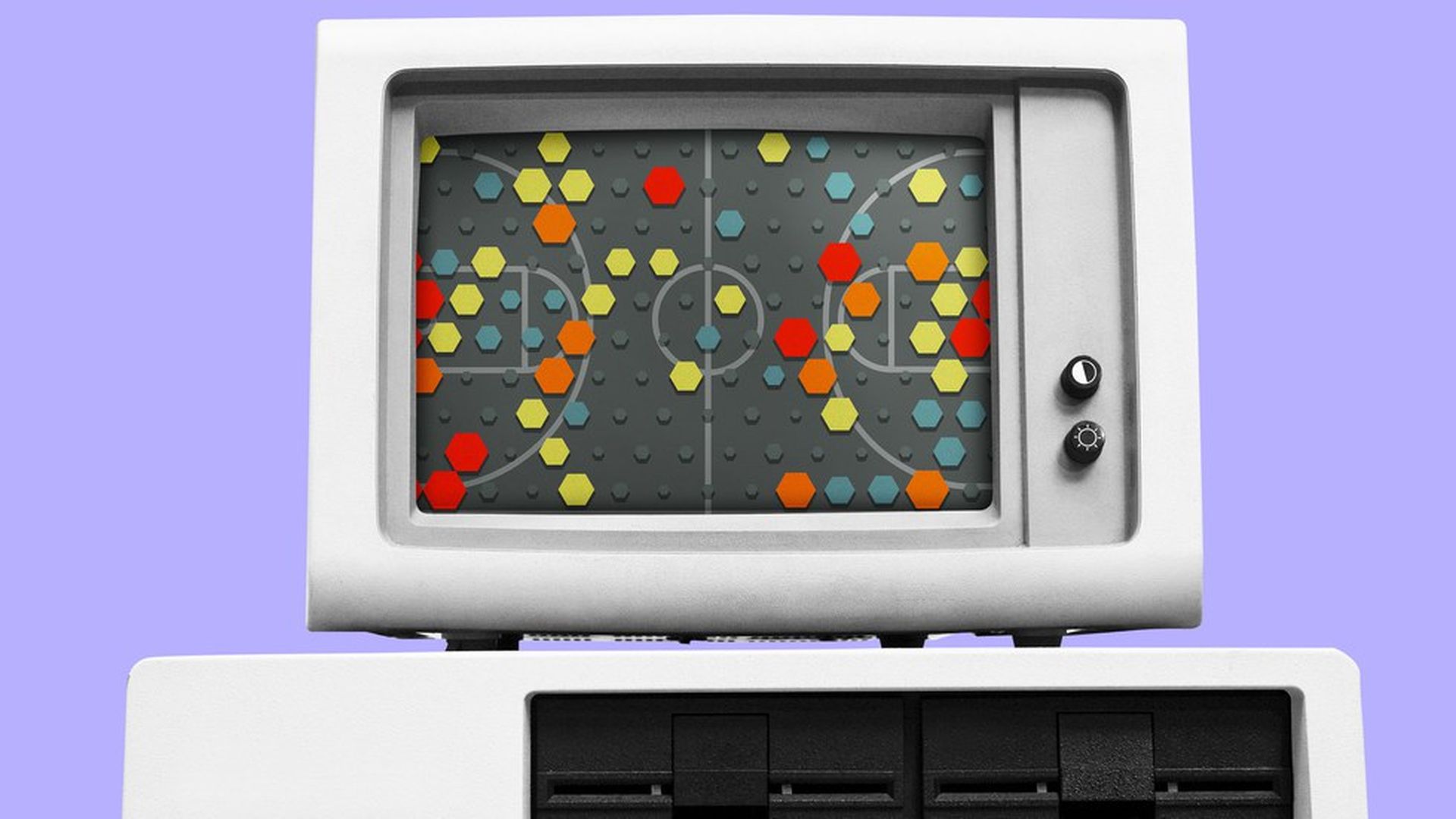
Billy Beane, the analytics-driven general manager of the budget-strapped Oakland A's, shook up sports and corporate boardrooms by melding overlooked, under-valued players into oddball yet cheap and winning teams. As depicted in the book Moneyball , Beane enshrined a new job category in serious sports — director of analytics. But there is one big thing that it never accomplished: win Beane a championship.
Enter artificial intelligence: Some pro-sports teams are exploring how machine learning, the leading form of AI, might help where Moneyball has fallen short.
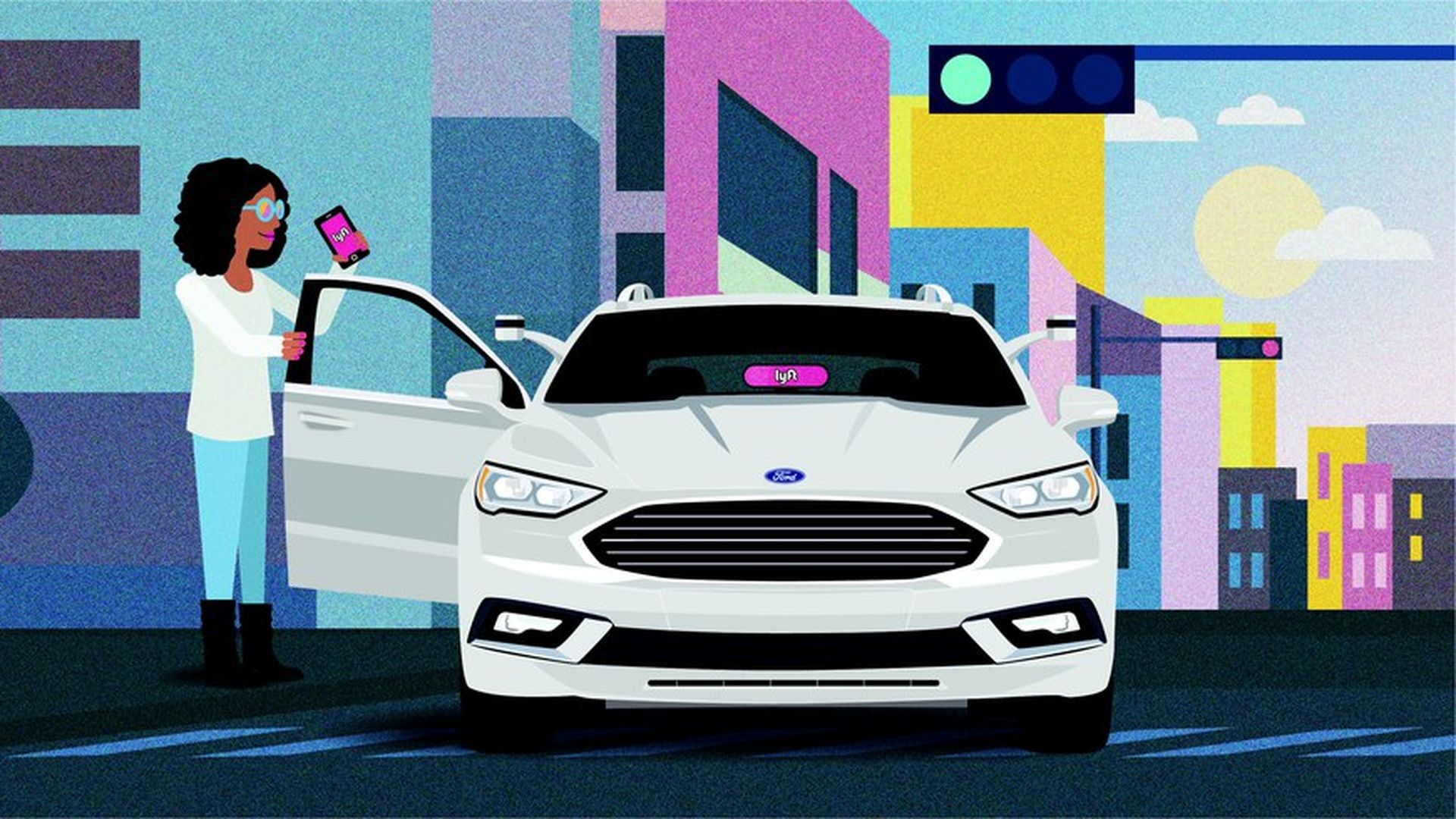
Ford is joining Lyft's "open platform" to work on autonomous driving technology, the companies announced on Wednesday. Ford will use Lyft's ride-hailing service to test and develop software and will eventually deploy self-driving cars, according to a blog post by Sherif Marakby, Ford VP of autonomous vehicles (and a former Uber exec).
Why it matters: The partnership is timely for both companies. While Lyft is pushing to catch up to rival Uber and others in the self-driving car race via its platform and in-house technology efforts,
The privacy debate tends to focus on how big companies handle "private" information like Social Security Numbers, credit histories, financial transactions and medical records—tangible info that can easily be used to get a peek at your life.
Intimate data: But according to University of Pennsylvania computer science professor Michael Kearns, the most valuable data is "intimate" data.
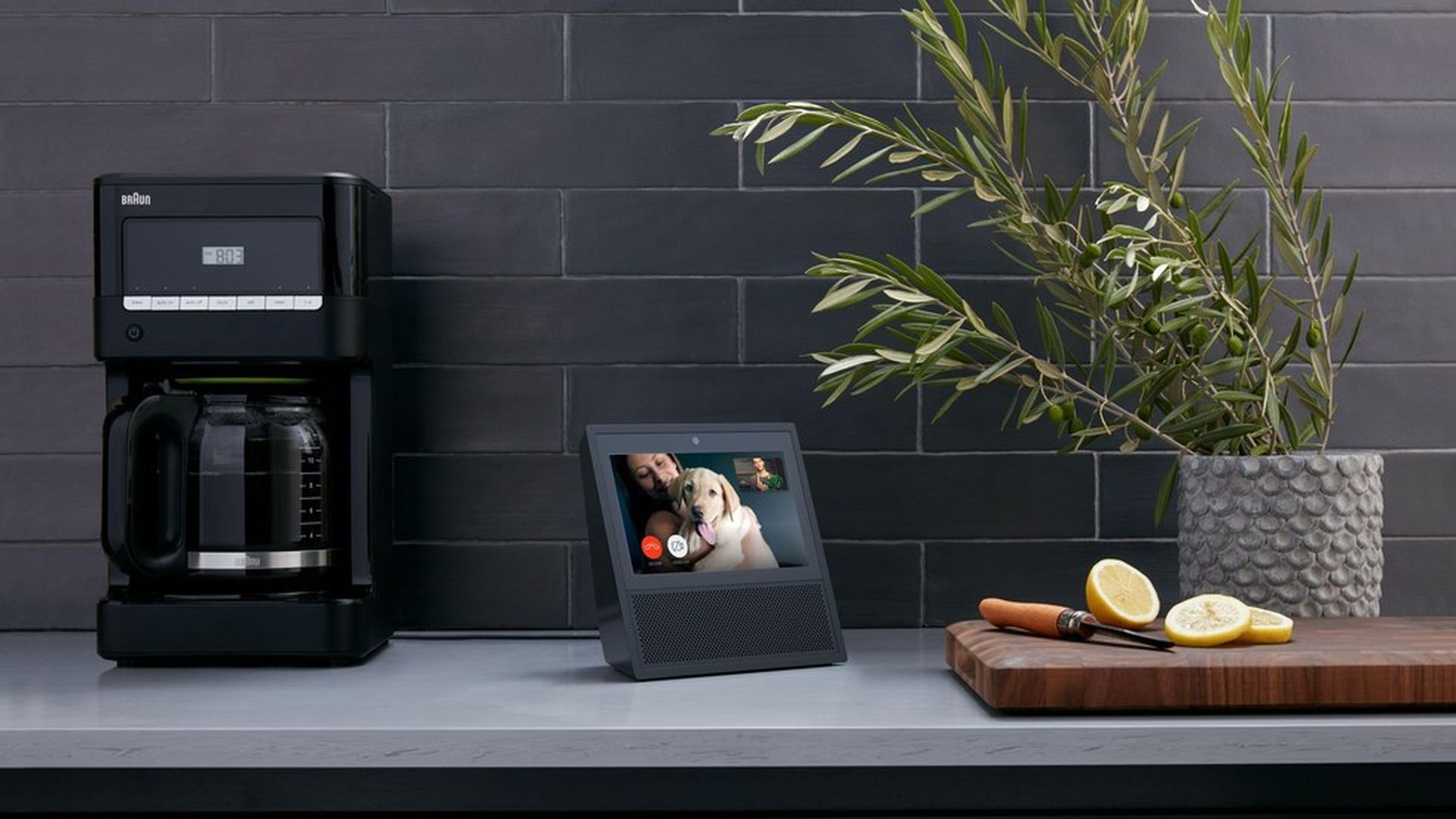
If you were planning to watch YouTube on your Amazon Echo Show, you might need to switch channels. Support for the Google-owned video service was abruptly pulled from the touchscreen Amazon device on Tuesday in what could be a opening salvo in a fresh spat between Google and Amazon.
Why it matters: While consumers would generally like to see all their video services work on all devices, that often isn't the case. Apple and Amazon, for example, have only recently made peace after a spat that saw Apple TV pulled from Amazon's virtual shelves. As for Google and Amazon, the two companies are rivals in a number of areas including cloud computing, TV streaming devices and subscription content, not to mention the battle between Amazon's Alexa and Google's Assistant.