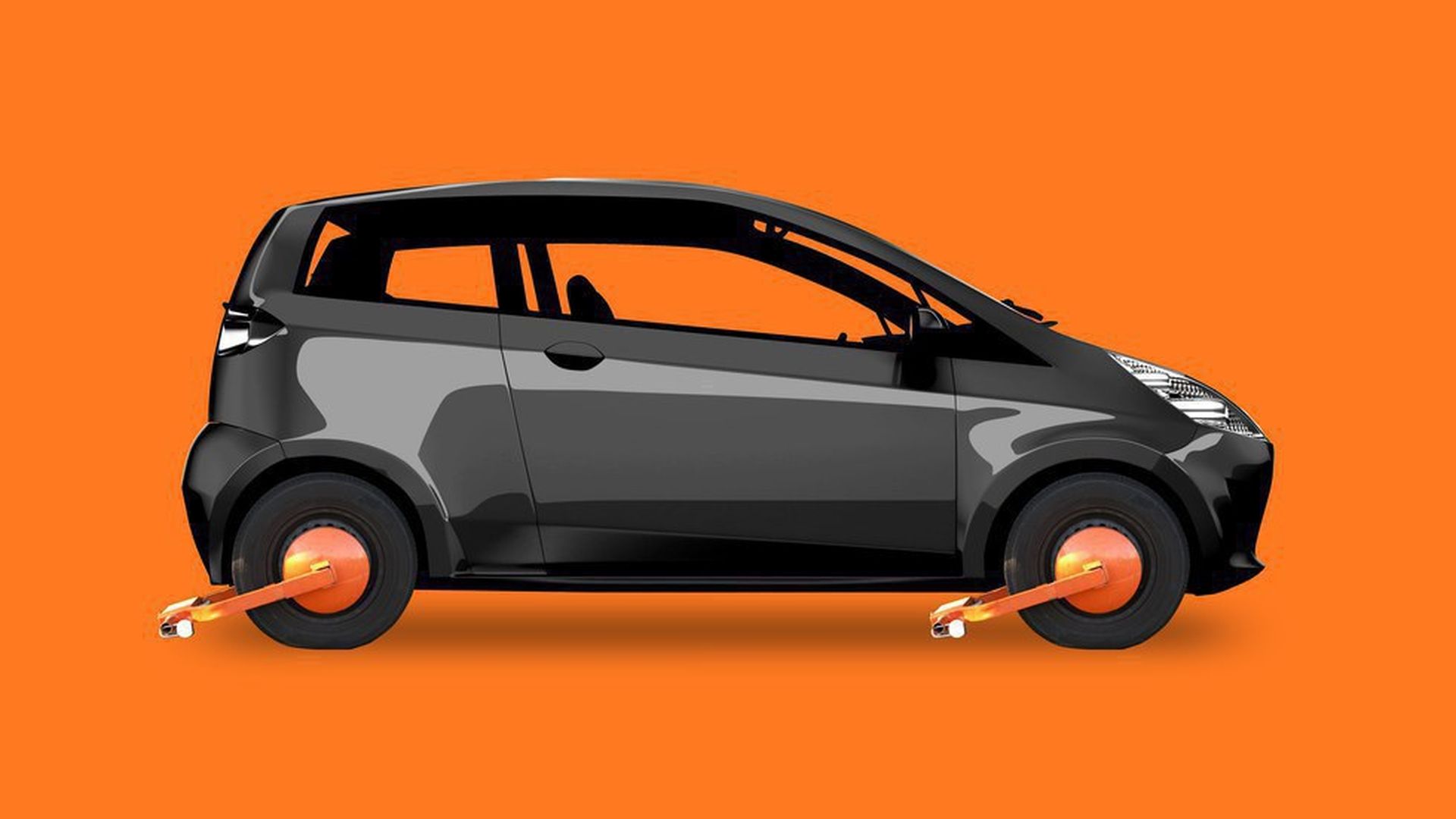
Uber is shutting down its car leasing business, Xchange Leasing, after reportedly hoping to sell it, the company told the Wall Street Journal. The company will look for a "less capital intensive approach," it said.
Why it matters: Debuted two years ago, Xchange Leasing has been a controversial business unit. Earlier this summer, the WSJ reported that the company knowingly leased out defective cars to drivers in Singapore, while a Bloomberg report last year explored the financial risks for drivers who rent out the cars.
This is one of several moves by the company to shed units that aren't financially viable. Last year, it sold its Chinese operations to local rival Didi Chuxing after sinking $2 billion in the business, and a few months ago it did the same with its operations in Russia and neighboring countries. According to the WSJ, Uber recently discovered that it was losing 18 times more money per vehicle than previously thought.
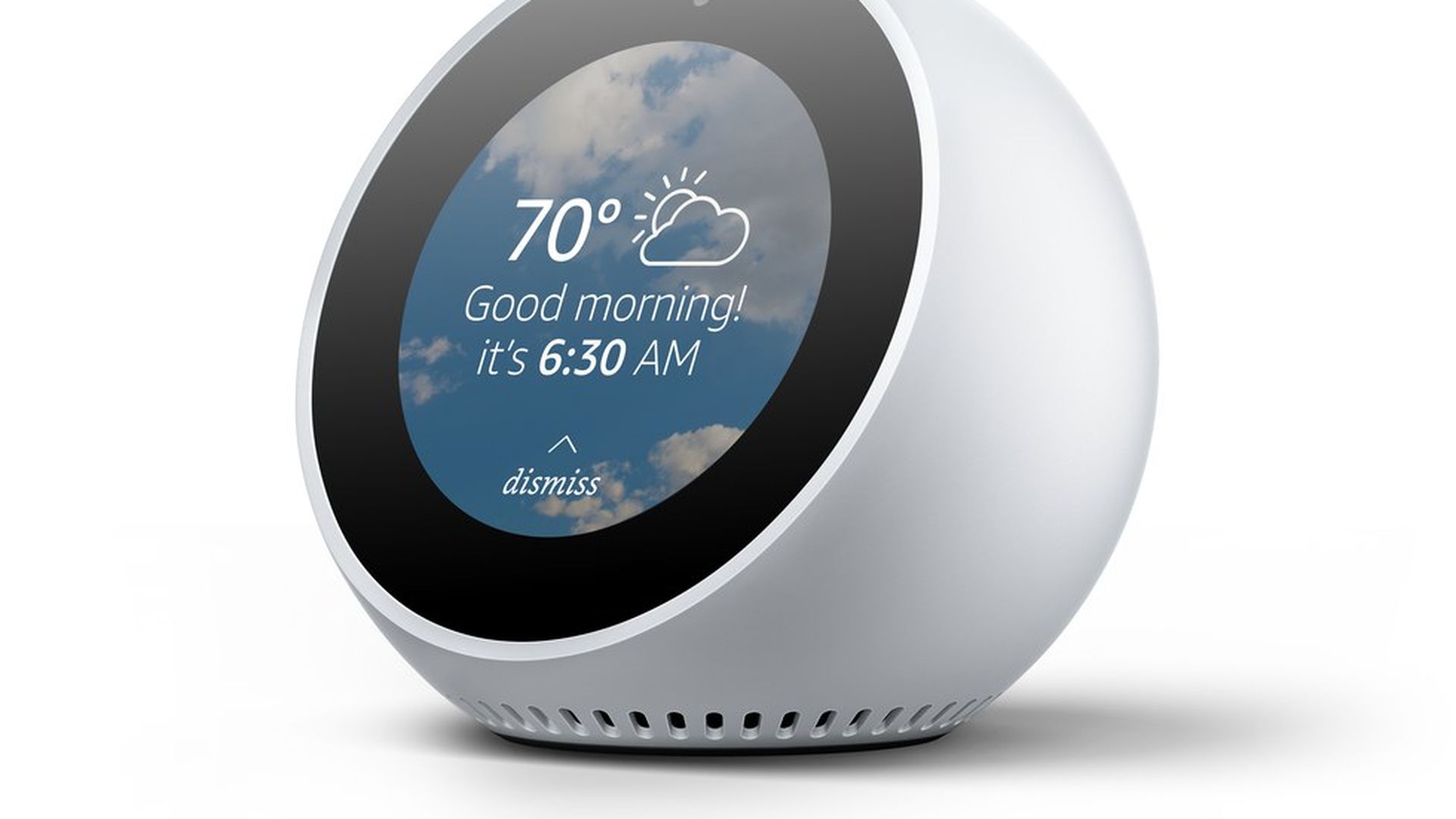
Amazon used a press event in Seattle to unveil a range of new hardware, including a new range of Echo speakers and an update to its Fire TV set-top box.
Why it matters: Amazon is known for offering a lot of technology at a low price and it has dialed up the pressure on Apple and Google with the new gear. The new devices also will take the Alexa voice assistant to more places.
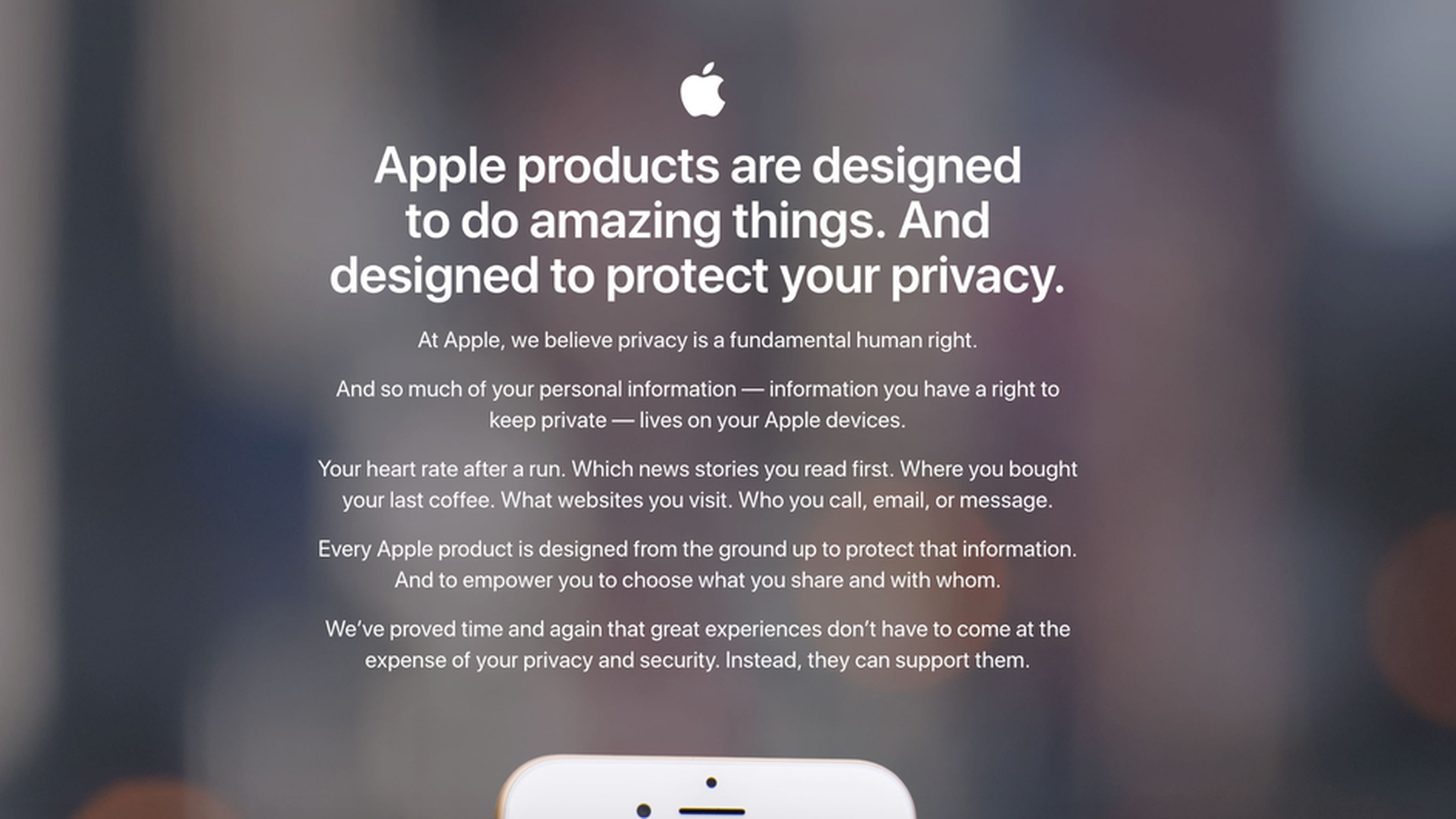
Apple updated its privacy policy Wednesday and offered up more details on how it handles the data it collects to power the iPhone X's Face ID feature. "At Apple, we believe privacy is a fundamental human right," the company says in a new version of its privacy Web site. "And so much of your personal information — information you have a right to keep private — lives on your Apple devices."
Why it matters: With Apple now using facial recognition in addition to collecting fingerprints, it wants to reassure customers of the steps it takes to protect the data. Also, as all varieties of smartphones contain a treasure trove of personal information, Apple aims to make its strong privacy stance a selling point.
Billy Beane, the analytics-driven general manager of the budget-strapped Oakland A's, shook up sports and corporate boardrooms by melding overlooked, under-valued players into oddball yet cheap and winning teams. As depicted in the book Moneyball , Beane enshrined a new job category in serious sports — director of analytics. But there is one big thing that it never accomplished: win Beane a championship.
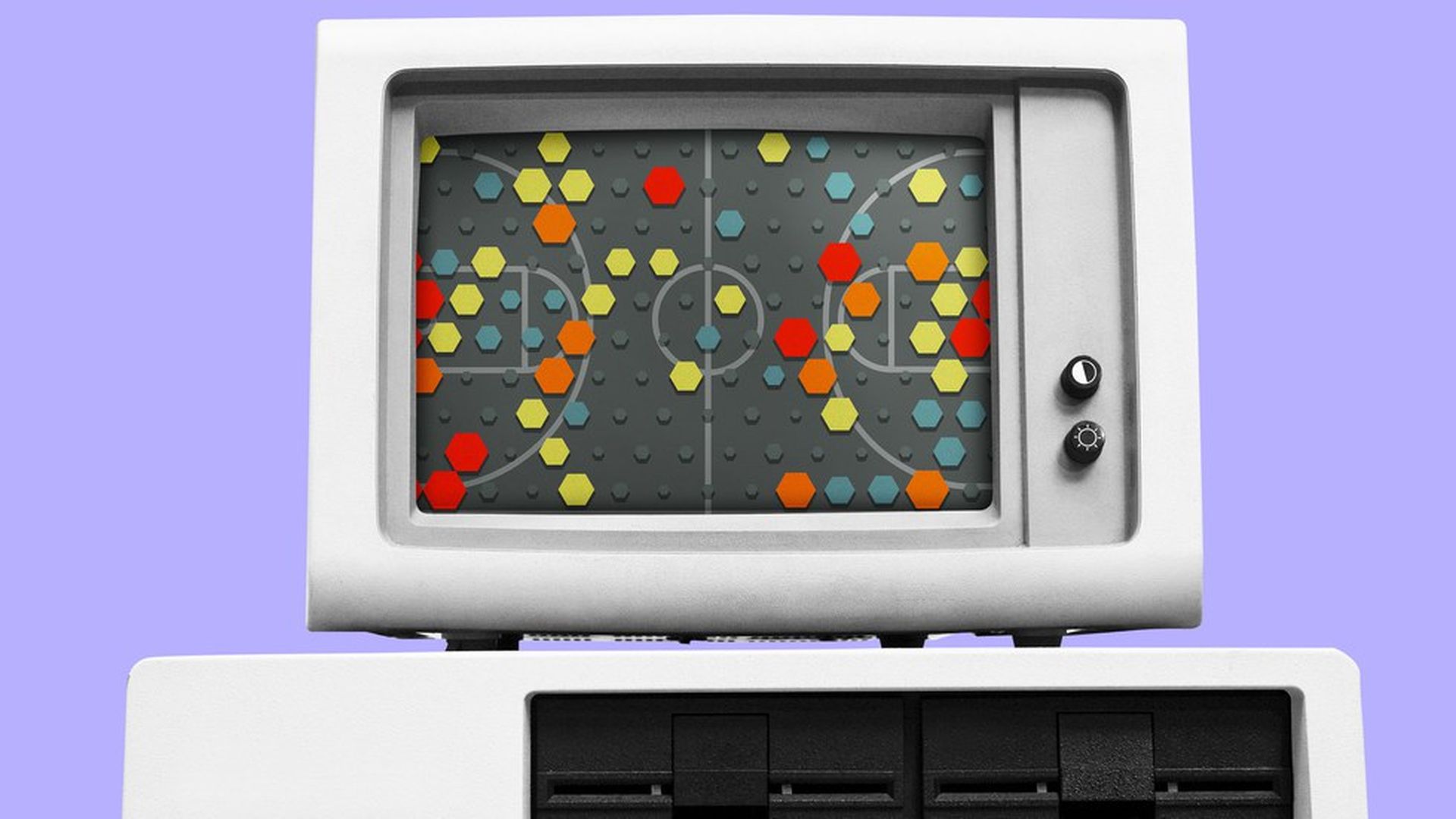
Enter artificial intelligence: Some pro-sports teams are exploring how machine learning, the leading form of AI, might help where Moneyball has fallen short.
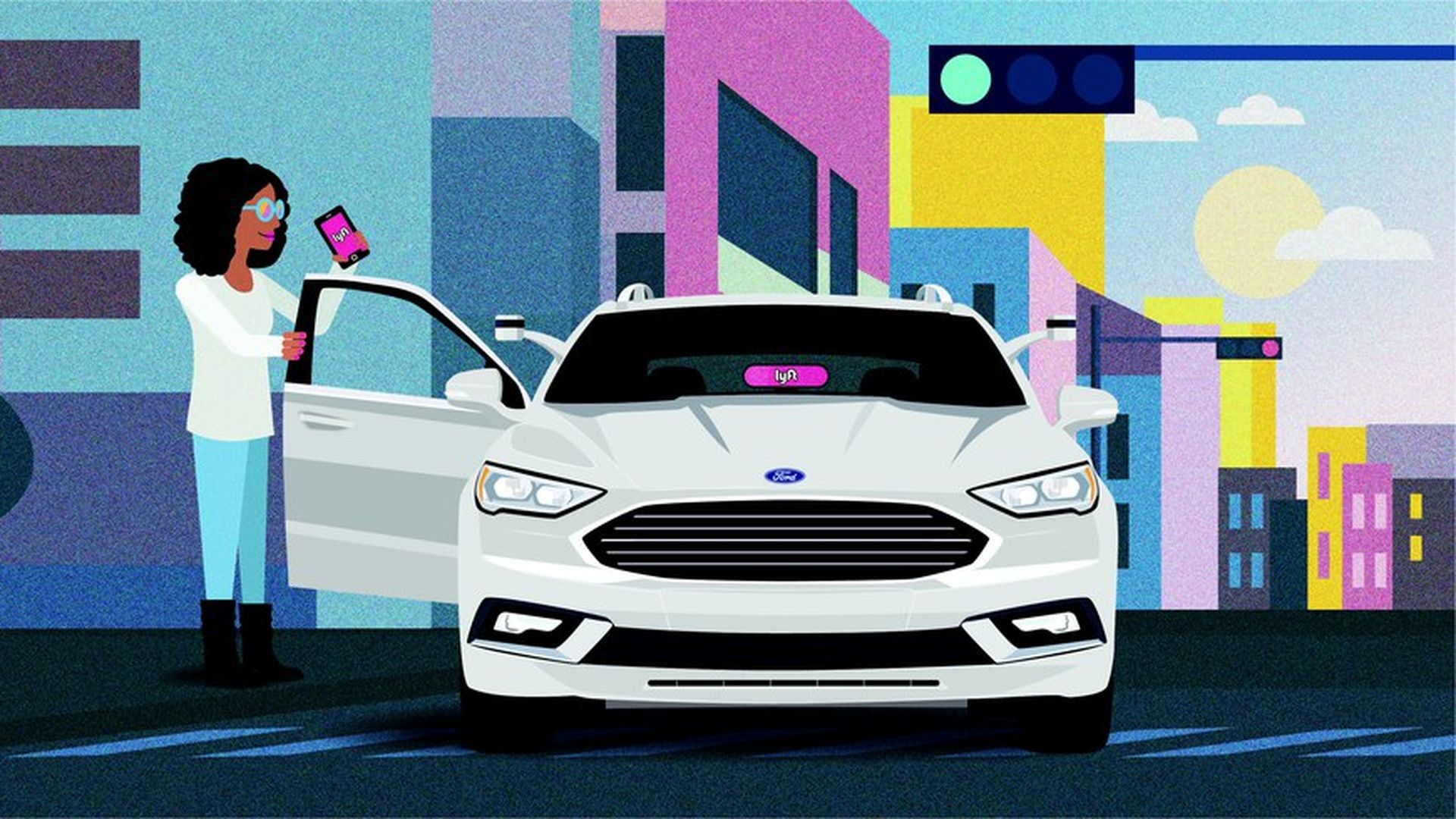
Ford is joining Lyft's "open platform" to work on autonomous driving technology, the companies announced on Wednesday. Ford will use Lyft's ride-hailing service to test and develop software and will eventually deploy self-driving cars, according to a blog post by Sherif Marakby, Ford VP of autonomous vehicles (and a former Uber exec).
Why it matters: The partnership is timely for both companies. While Lyft is pushing to catch up to rival Uber and others in the self-driving car race via its platform and in-house technology efforts,
The privacy debate tends to focus on how big companies handle "private" information like Social Security Numbers, credit histories, financial transactions and medical records—tangible info that can easily be used to get a peek at your life.
Intimate data: But according to University of Pennsylvania computer science professor Michael Kearns, the most valuable data is "intimate" data.
If you were planning to watch YouTube on your Amazon Echo Show, you might need to switch channels. Support for the Google-owned video service was abruptly pulled from the touchscreen Amazon device on Tuesday in what could be a opening salvo in a fresh spat between Google and Amazon.
Why it matters: While consumers would generally like to see all their video services work on all devices, that often isn't the case. Apple and Amazon, for example, have only recently made peace after a spat that saw Apple TV pulled from Amazon's virtual shelves. As for Google and Amazon, the two companies are rivals in a number of areas including cloud computing, TV streaming devices and subscription content, not to mention the battle between Amazon's Alexa and Google's Assistant.
It's finally happening: Twitter is testing extending tweets beyond 140 characters — to 280 characters, to be exact. On Tuesday, the company said it's experimenting with allowing all languages except Chinese, Japanese, and Korean to have twice as many characters as its signature length. Of course, this is still a small test, so it may not be a permanent change.
Why it's doing this: Twitter says that a lot of users are frustrated with the tweet length limit, which seems to make it harder to express themselves (except in Chinese, Japanese and Korean). Rumors of this change have been around for some time. Last year, for example, the company was said to be considering letting users tweet up to a staggering 10,000 characters. Twitter found that 9% of English tweets have 140 characters (most have around 34 characters), compared to only 0.4% of Japanese tweets that have 140 characters.
Russia and China took steps to regulate media outlets over content issues:
China blocks WhatsApp: "China has largely blocked the WhatsApp messaging app, the latest move by Beijing to step up surveillance ahead of a big Communist Party gathering next month," the New York Times reports.
China fines social media sites for not censoring banned content: "Chinese internet watchdog said on Monday that it has imposed maximum fines on tech giants Baidu, Tencent and Sina Weibo for failing to adequately deal with online content," per CNBC.
Russia threatens to block Facebook: "Russia will block access to Facebook next year unless the social network complies with a law that requires websites that store the personal data of Russian citizens to do so on Russian servers, Russian news agencies reported on Tuesday," per Fortune.
Why it matters: As the U.S. figures out whether and how to regulate its online platforms, other regimes are aggressively clamping down on how social sites monitor content and use citizen data.
Some of the biggest names in tech and health care are taking part in a pilot program from the FDA that looks to make it easier for companies looking to offer technology approaches to issues that fall under the agency's purview.
Why it matters: A lot of tech companies have been focusing on relatively modest products in the "wellness" space rather than more ambitious efforts that require cumbersome and time-consuming regulatory approval.
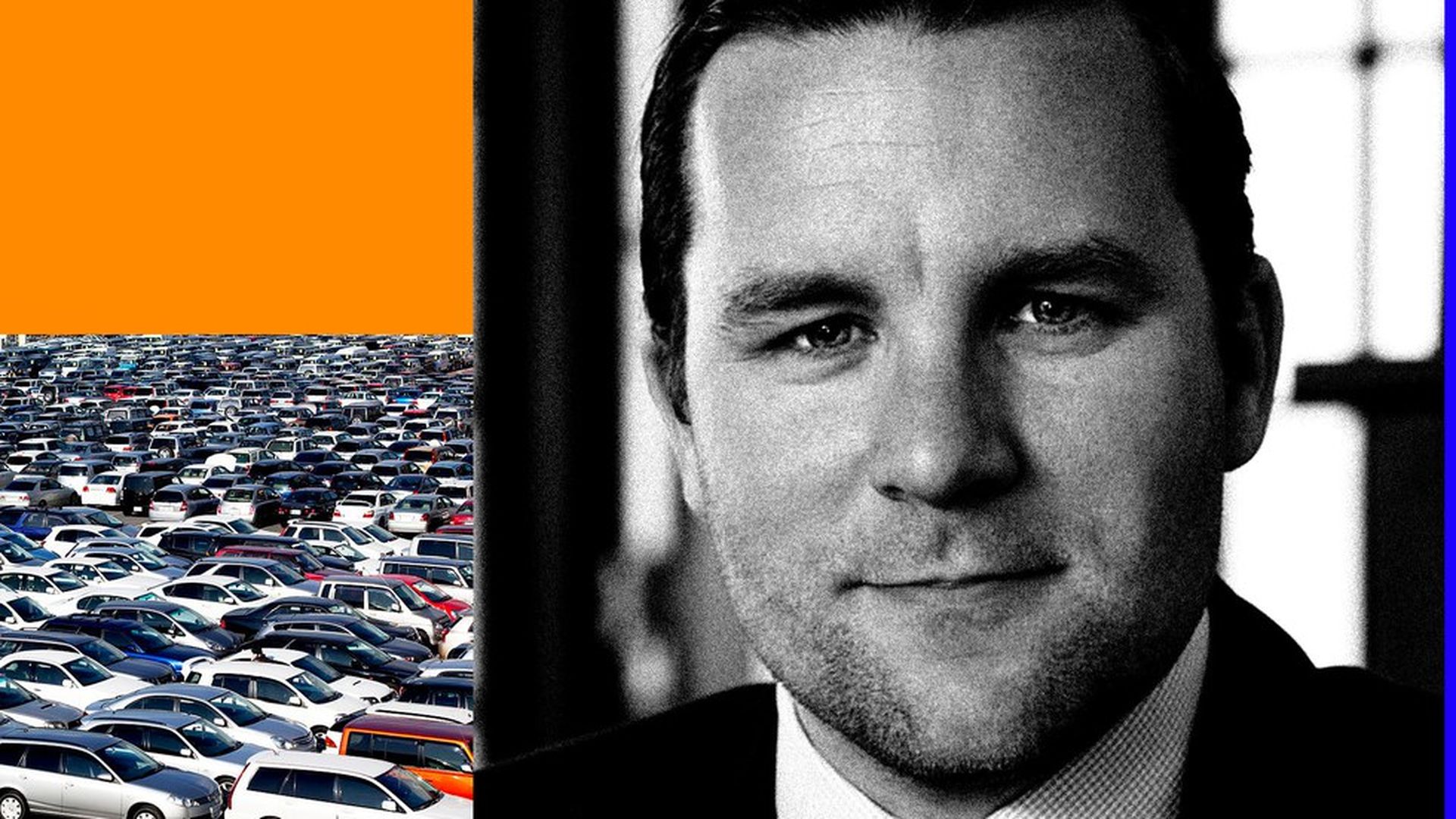
Venture capitalist Reilly Brennan believes that self-driving cars are coming faster than most people expect, but that the market doesn't have the best mix of startups yet.
Too much: Companies selling dongles for car data. "There are a hundred of those and there should probably be three," says Brennan, who last year co-founded transportation-focused Trucks Venture Capital. There are also too many "Uber for freight" companies, he adds.