Saturday's technology stories

Famed car hacker leaves Didi Chuxing after brief stint
Charlie Miller, a hacker who's made headlines for hacking cars like a Jeep, has left Chinese ride-hailing giant Didi Chuxing after less than five months. Miller worked at the company's new research center in Silicon Valley, which focuses on artificial intelligence, security, and autonomous driving.
Why it matters: Prior to Didi Chuxing, Miller spent a year-and-a-half at Uber. His quick departure from now two ride-hailing companies raises questions about why he's not sticking around longer.
Update: Miller and fellow car hacker Chris Valasek are joining General Motors' self-driving car unit, Cruise, as Recode reported and Valasek confirmed via Twitter. The two joined Uber in mid-2015.
The story has been updated with the name of GM's self-driving car unit.

Meet the woman behind Uber's rebranding mission
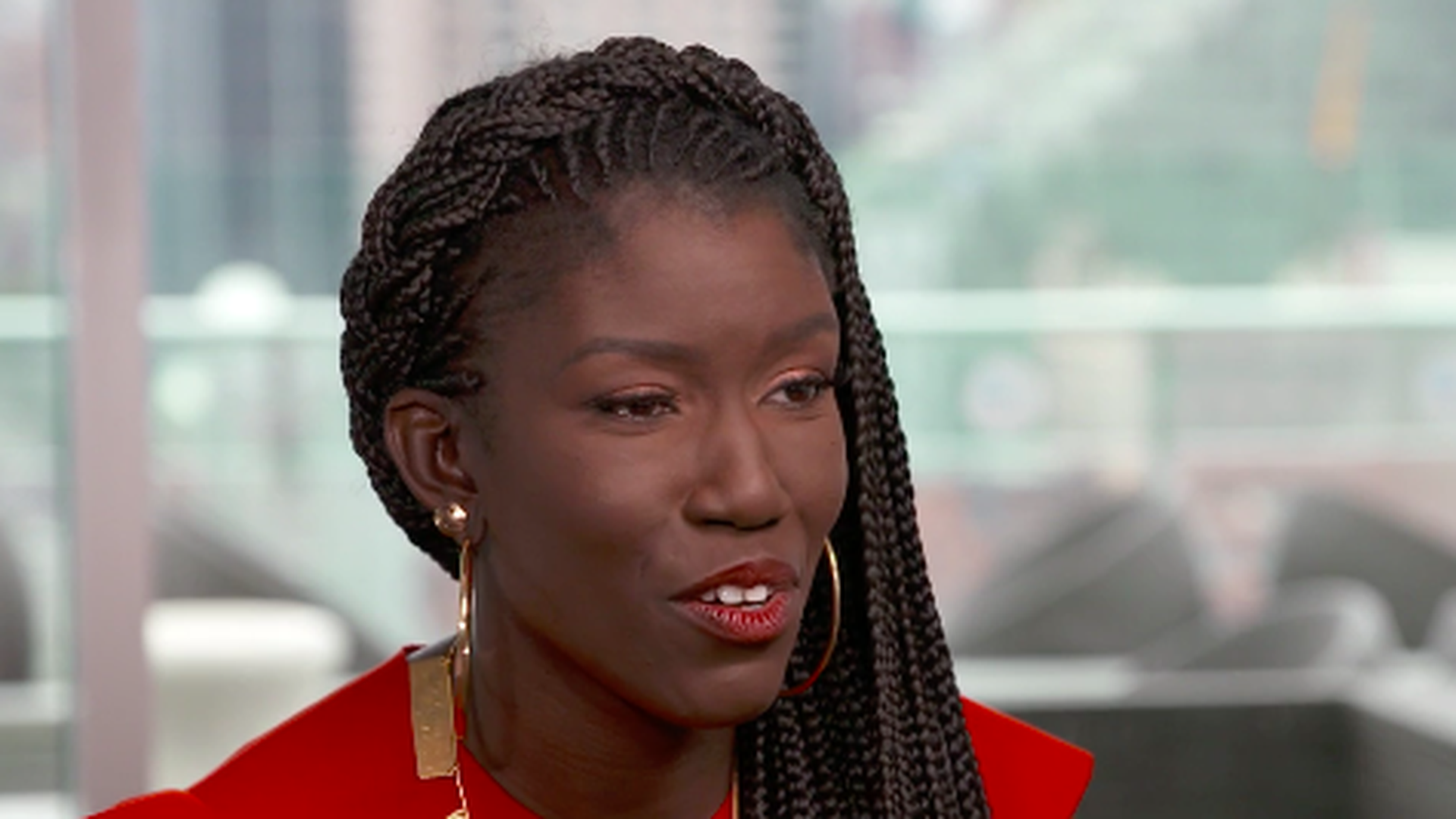
Uber is hoping that their new chief brand officer, Bozoma Saint John, is the ride-hailing giant's shot at an improved reputation after a series of sexual assault allegations and serious safety failures.
"I'm not afraid," Saint John told CBS's Gayle King. "I'm not afraid. I've never been afraid of anything and I see potential. I see opportunity. There's certainly things that have happened that I don't condone, that I'm not comfortable with and I'm not okay with, but I think representation matters too."
Saint John will focus on strengthening Uber's relationship with riders and drivers. She also says her ability to relate to others helped her become successful in her career as a top marketing executive for some of the world's largest brands, like Apple and Pepsi, and she plans to bring that quality to Uber.
Where things stand on the Waymo-Uber lawsuit
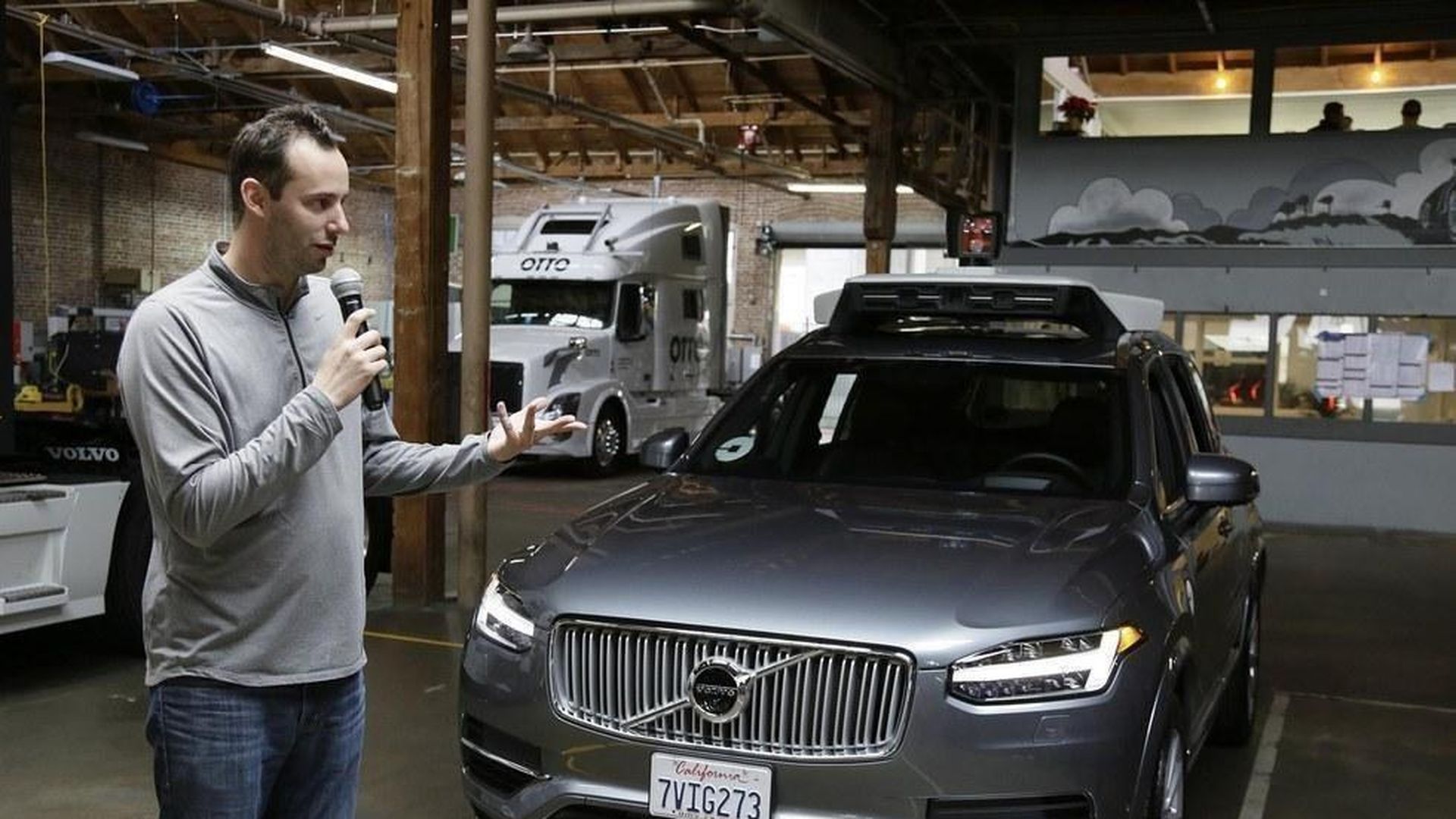
It's been over five months since Waymo, Alphabet's self-driving car unit, filed a lawsuit against Uber, alleging theft of its trade secrets, and the case has not gotten any simpler. Unless the two companies somehow settle the case—which seems unlikely given Waymo's commitment to using every legal tool to prevent Uber from allegedly using its technology—it's headed to trial in October.
Given the hundreds of thousands of documents filed the court and dozens of hearings, here's where things stand right now:

The role AI could play in writing laws

A questioner raised an interesting prospect at TechFreedom's Back to the Future of Policy Summit earlier this week: the chance that artificial intelligence could be used to aid lawmakers on Capitol Hill as they make decisions. Automation has already come to the legal field — which overlaps with policymaking — but it is for lower-level tasks and isn't totally phasing out lawyers.
"I'm not saying it's 10 years from now, maybe it's 20 years from now," replied House Oversight Committee Counsel Mike Flynn. "But at some point I would imagine there's going to be a role for that in policy making."
Takeaway: It's a wonky reminder that the conversation about automation and the workforce is a broad one that includes jobs that seem totally safe right now.

An end to phone pranking

A researcher at Carnegie Mellon University has developed an intelligent system that is helping the U.S. Coast Guard to distinguish and weed out prank mayday calls that cost it up to millions of dollars a year when it flies or motors out on pointless rescue missions, per Govtech.com.
The program, created by Carnegie Mellon's Rita Singh, creates a barcode of a person's voice, deciphering whether the caller really is on a boat or actually in a house somewhere. It can unmask repeat pranksters since it can pick up telltale markers and match them up.
Why it matters: The applications of Singh's software — painting a profile of a person's voice through traits barely detectable to humans — are wide, including police situations such as abductions, she told Axios. She tells Govtech, "We have techniques to automatically discover information in the voice signal that humans cannot discover. Our hearing is not that good, but that doesn't mean that the information is not there in the voice."

How Mark Zuckerberg is giving away his billions

Mark Zuckerberg and his wife, physician Priscilla Chan, are staking out aggressive positions as philanthropists in contentious areas like education, affordable housing and criminal justice, according to an Axios analysis of public disclosures, press reports and statements provided by grantees of their Chan Zuckerberg Initiative.
Why it matters: Zuckerberg got rich creating a product that defined the last decade. But he and Chan are trying to define the next century by giving that money away. The Chan Zuckerberg Initiative is on track to be this generation's Gates Foundation. With an initial pledge of more than $45 billion in stock that has since grown in value it could be more influential than anything else Zuckerberg has ever done. Yes, including Facebook.