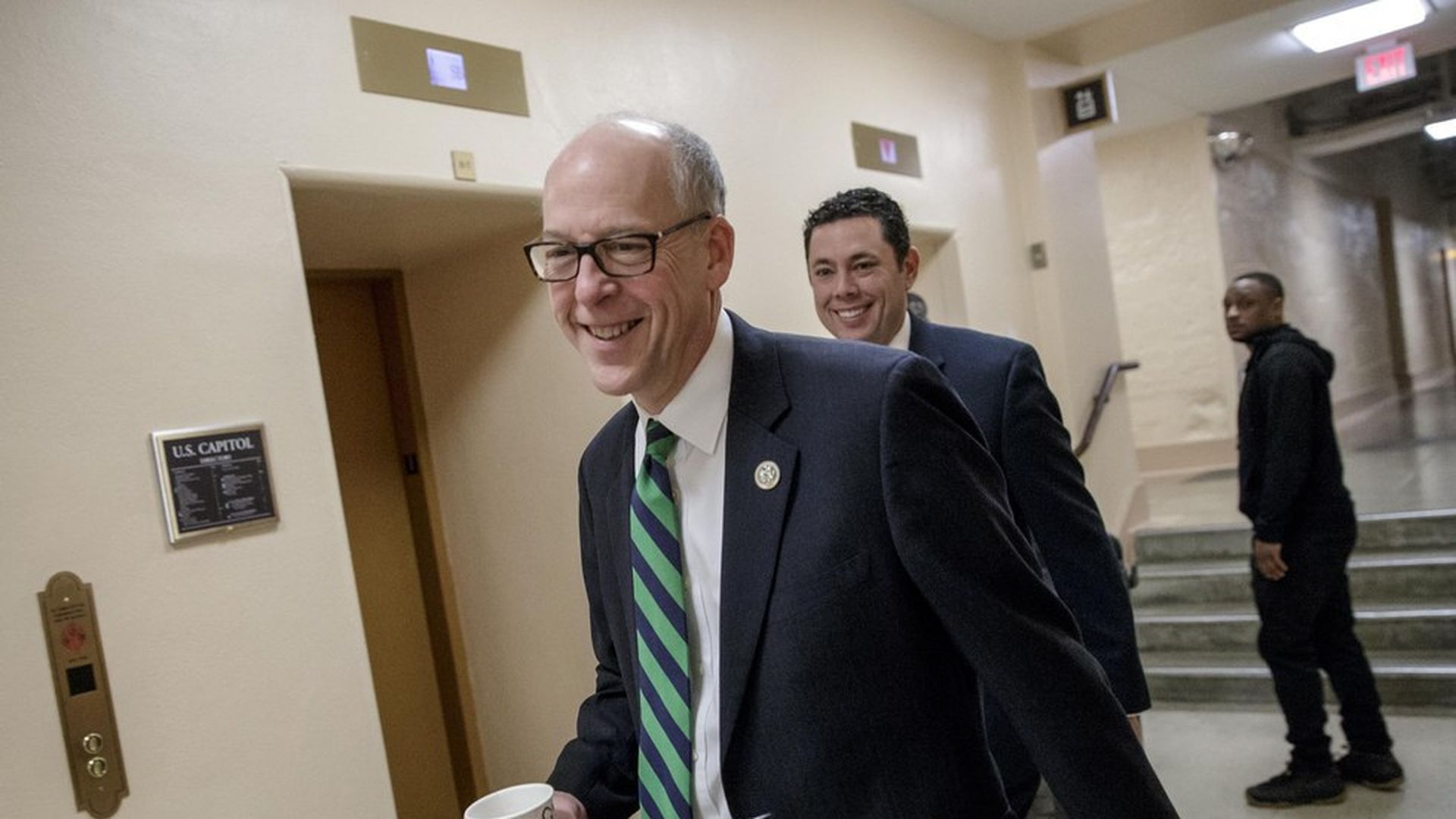
A top House committee is trying to push Silicon Valley companies to the table to craft an elusive legislative compromise on net neutrality. To that end, it's postponed the deadline for CEOs from those companies — Facebook, Amazon, Alphabet and Netflix — to respond to invitations to testify before the committee.
Robin Colwell, the top tech and telecom lawyer for the House Energy and Commerce Committee, told eight tech companies and internet providers in an email sent Monday that committee Chairman Greg Walden "has asked us to manage and execute a process that will allow him to quickly determine the current likelihood of forming a broad coalition of support for any particular set of deal terms."
"The Chairman has no interest in wasting anyone's time in this process," she said in the email obtained by Axios. "So all we are looking for at this stage is a list of asks."
A couple of U.S. airlines have gone faster than their rivals in using intelligent booking and management systems, and it shows in their share price, according to an artificial intelligence consultant firm.
Data: Noodle Labs; Note: Stock performance is percentage point difference between company's 5-year change and the industry.
Separate moves by China and Russia to crack down on VPNs came this weekend that are designed to further prevent citizens in both countries from accessing the full internet.
The trend here is towards major governments tightening their grip on the web. It's part of a wider balkanization of how access to content is regulated around the world. On the other end of the spectrum, for example, are the "right to be forgotten" rules that have empowered European users who want certain content about them removed from search results.
Our thought bubble: Where do companies draw the line? Watch how American tech giants respond to these new regulations, starting with the Russian law that goes into effect in November. They can accommodate governments, as Apple did in China, and keep those markets open — or they can skip town and take the hit.
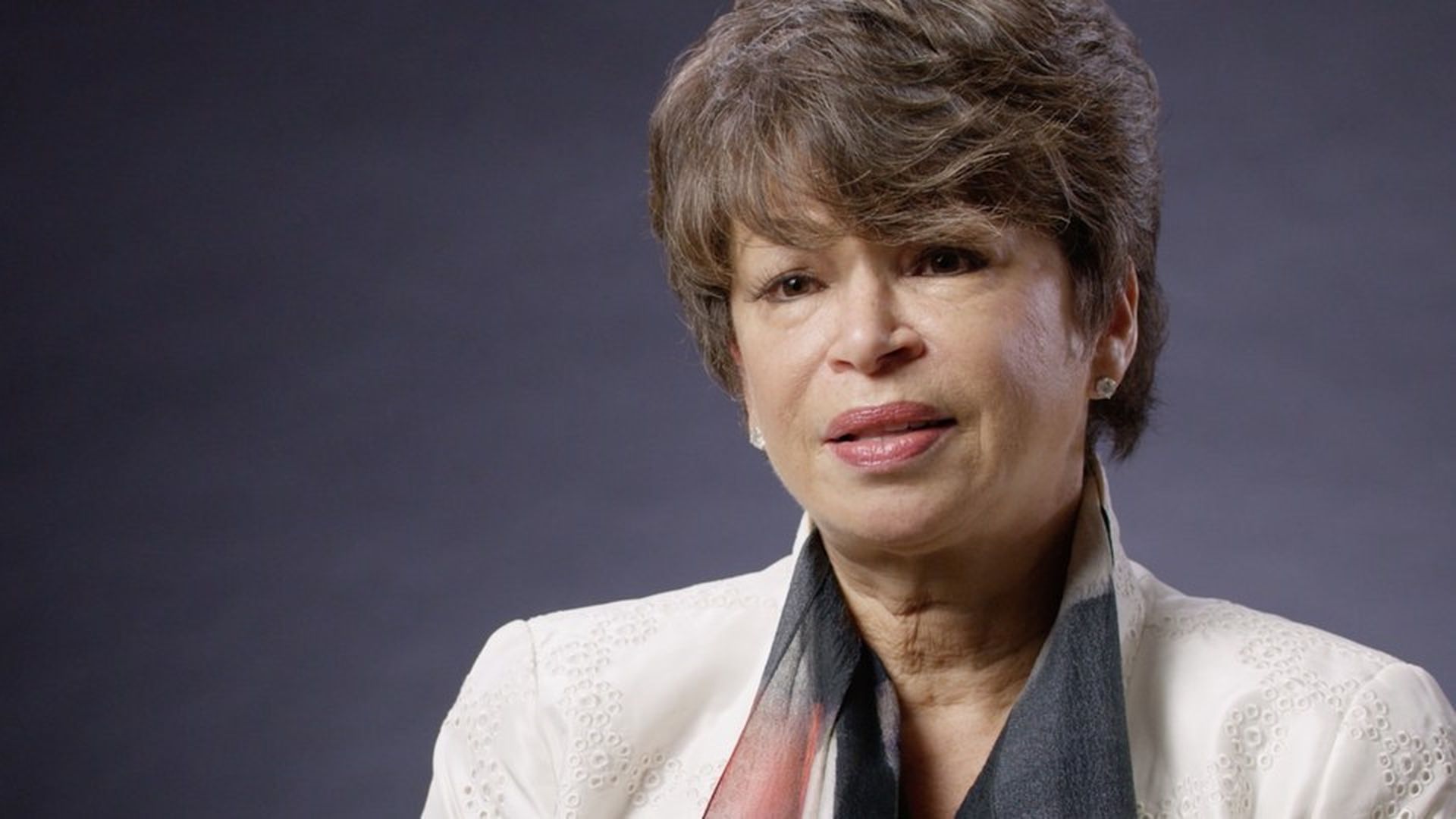
While Uber works to find a new CEO, rival Lyft is adding a new board member: Valerie Jarrett, a former Senior Advisor to President Obama and Assistant to the President for Public Engagement and Intergovernmental Affairs.
The job: Jarrett is Lyft's first independent board member. The ride-hailing company says it's been looking to hire one for the past several months, and Jarrett is best suited thanks to her experience in both the private and public sectors, including as commissioner of Chicago's planning department and chairing the city's transit board. Lyft co-founder and CEO Logan Green shares this type of experience with Jarrett; in college, he served on his local transportation board.
This week, the company behind the Cochlear implant announced a new version of its processor that connects wirelessly to an iPhone. That means anything on the phone — calls, movies on Netflix or songs from iTunes — get streamed right into the ear of those with severe to profound hearing loss.
Why it matters: The new Cochlear-iPhone connection highlights one of the most important trends in the mobile industry. Whereas once it was all about the changes being made to the phone itself, now even basic smartphones are so powerful that the most impactful innovation is coming from all the things that connect to the phone. Medical devices, which typically take longer to come to market because of regulatory approval, but promise to shift this from matters of convenience to improving and ultimately extending life.