Thursday's technology stories

Apple discontinues iPod nano and iPod shuffle
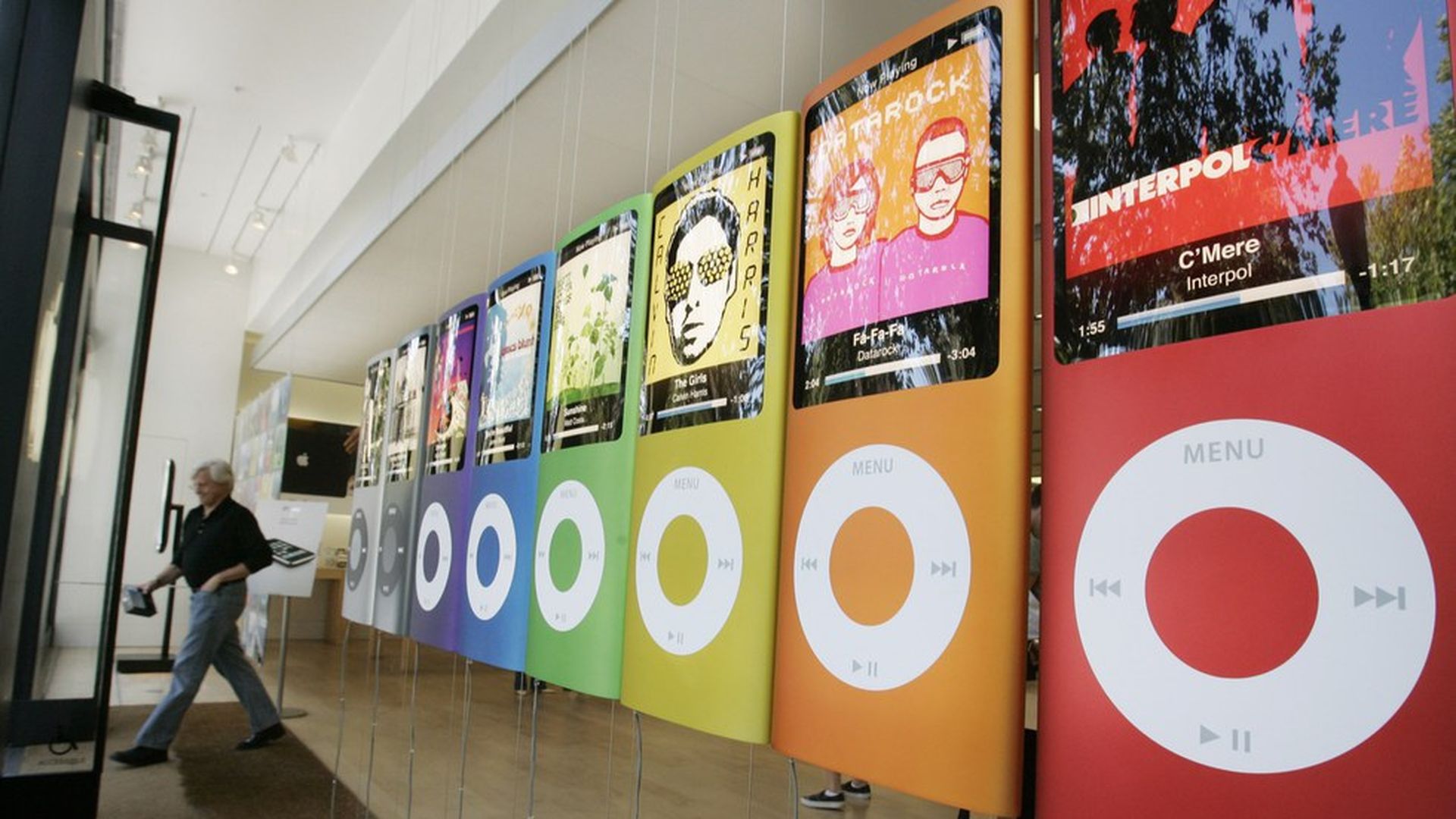
Apple took down the sale pages for its iPod nano and iPod shuffle today, discontinuing both products as it moves toward "simplifying [its] iPod lineup," per The Verge.
- Hadn't seen much love: The iPod nano, last updated in 2012, and iPod shuffle, last updated in 2010, were Apple's last music devices to lack Internet connectivity. They join the beloved iPod classic, which was discontinued in 2014, in the dustbin.
- The future: The memory of the iPod touch was doubled while retaining the same price as it becomes the flagship — and sole surviving member — of Apple's iPod line.

Amazon's burgeoning push into health care
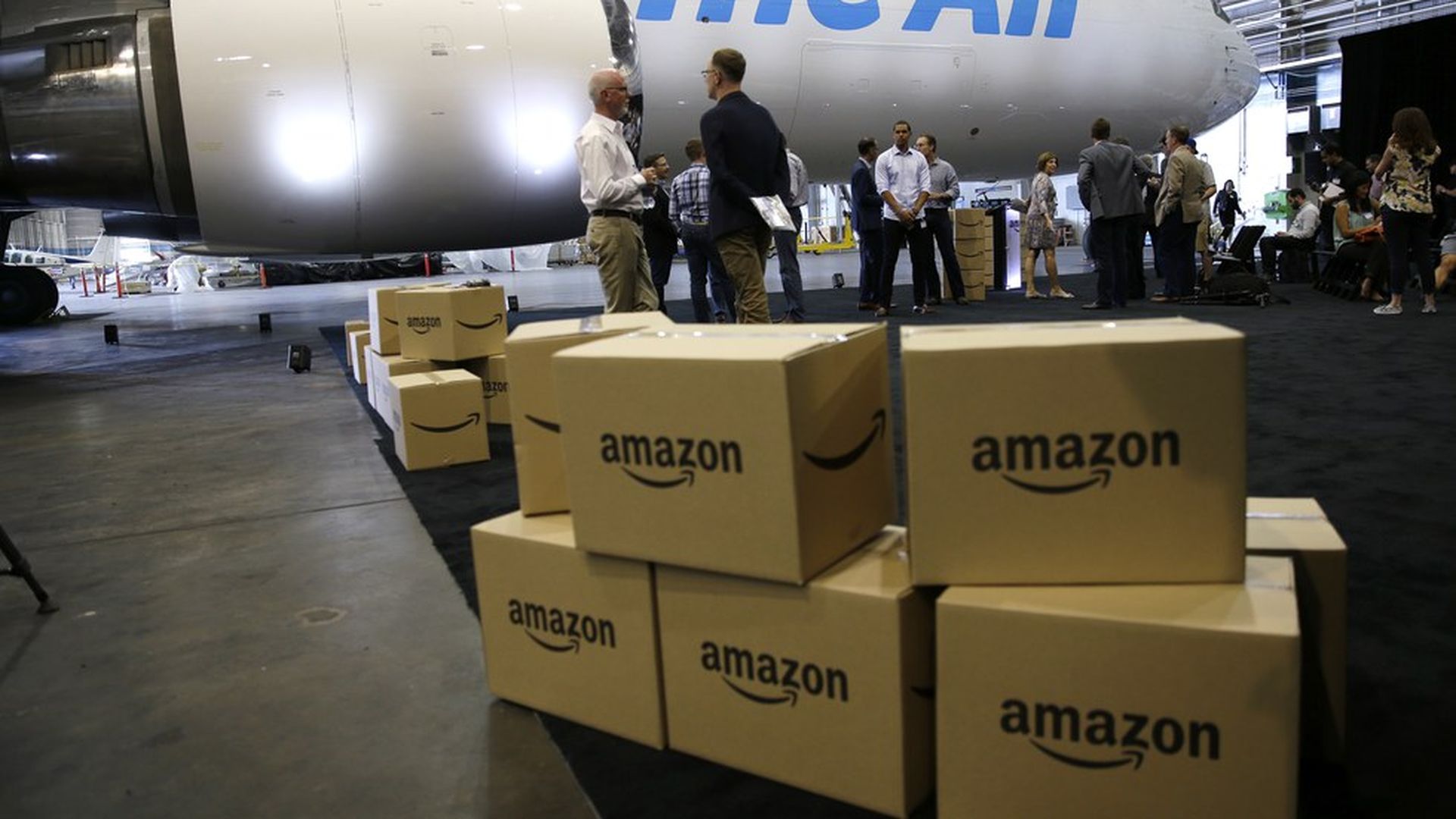
Amazon has a secret team working on ways to move the e-commerce giant into the health care industry, CNBC reports. Aside from its plan to start distributing prescription drugs, which CNBC previously reported, Amazon also is looking into analyzing electronic health record data and creating a platform for virtual doctor visits.
Why it matters: Established health care companies are nervous about Amazon becoming a bigger player in health care because it likely would siphon away some of their business and, presumably, strip out inefficiencies. But Amazon and other tech companies face a lot of hurdles getting into health care — in this case, regulations around patient data, privacy and handling medications.

Twitter’s disappointing user growth
Twitter shares took a beating Thursday morning after the company reported it had failed to increase its user growth. The results from its second quarter earnings report:
- Revenue, missed: $574 million in revenue vs. $536.7 Thomas Reuters estimates
- Earnings per share, beat: 12 cents per share, beating 17 cents per share Thomas Reuters estimates.
- Advertising revenue, dropped 8%: $489 million vs. $535 million last year (8% year over year drop
- Monthly Active Users, missed: 328 million vs. 329 million StreetAccount Reuters estimates
Our thought bubble: If you are on the internet and not growing, you are dying.
Why it matters: Twitter has struggled to woo investors since its IPO in 2013. Wall Street have been wary of its ability to monetize its massive direct-to-consume, mobile audience, something most legacy media and tech companies are striving for. The company has been rolling out sophisticated new live video and static ads units (see this one from Adam Schiff), that have been very effective (total ad engagements increased 95% year-over-year this quarter) but investors still aren't confident that their ad business is scalable, especially when the company's user base has basically plateaued.
What analyst are saying: "You have zero user growth versus Facebook reporting 70 million new users [Wednesday]" Aegis Capital internet analyst Victor Anthony told CNBC. "It's not a recipe for a stock you want to buy."

Scaramucci tags Reince in tweet about contacting FBI on leaks

Minutes after Politico reported that new White House Communications Director Anthony Scaramucci stands to profit from his stake in his investment firm while in the West Wing, based on previously undisclosed financial disclosure forms, Scaramucci tweeted:
"In light of the leak of my financial disclosure info which is a felony. I will be contacting @FB and the @TheJusticeDept #Swamp @Reince45..."

Online evolution lets robots learn, adapt and cooperate

Robots are normally only good at the task they are programmed to do. Now, scientists have programmed robotic controllers to learn to avoid obstacles and cooperate by mimicking Darwinian evolution.
Just like genes, the robot's programming could mutate and be selected upon. Additionally, like in evolution, the robots could co-opt previous parts of their programming to find solutions more quickly. Because the robots were connected online, when they were close together they were also able to exchange their evolving robo-genomes.
Why it matters: Robots are usually only programmed for one task, and when confronted with an obstacle, they can falter. Online evolution allows them to adapt and learn to find solutions outside of their programming.
"It is not directly analogous to nature, but it is inspired by nature," Luís Correia, a scientist at the University of Lisbon in Portugal and an author of the study told Axios.

Apple-supplier Foxconn to announce Wisconsin factory today

Contract manufacturer Foxconn, which makes gear for Apple and other big tech firms, will announce its plans for a LCD manufacturing plant in Wisconsin. An announcement is expected to take place at the White House at 5 pm, a source told Axios.
CNBC earlier reported that Foxconn would make the announcement today.
Context: The move comes as President Trump told the Wall Street Journal this week that Apple planned to open three "big, big, big" plants in the U.S. Since Apple relies mainly on suppliers and contract manufacturers, this could be part of what the president was talking about, although the plant isn't necessarily making anything for Apple.
UPDATE: The project was officially announced at a White House event by Wisconsin Gov. Scott Walker, who said that Foxconn will invest $10 billion in the project to create 13,000 jobs with an average annual salary of more than $53,000. The state of Wisconsin will provide Foxconn with $3 billion in economic incentives.