Monday's technology stories

Google's path back to China
The Information reports that Google has been approached by NetEase, an internet company in China, to architect an app store that would include results compliant with China's censorship regime.
And then there's this: The Information also reports that the company may be interested in expanding its cloud computing arm to China.
Why this matters: Google left the mainland in 2010 over censorship concerns. But it's been trying to return. They're not the only company eager to tap, or maintain its access to, the significant Chinese market. Facebook is engaged in a similar effort, which has included trips by CEO Mark Zuckerberg to China after being banned there in 2009. Apple, meanwhile, has been trying to shore up its relationships with officials in the country after some difficulties.
What's next: Wait and see. The company has been trying to reenter China for a long time. It remains to be seen whether this type of arrangement would be successful.

Uber sues Seattle for implementing union law
Last month, Uber sued Seattle, which is aimed at fighting the city's landmark law that allows its drivers to unionize, per The Verge. The law in Seattle, which passed in December 2015 in a 9-0 vote, is the only law of its kind and enables drivers of ride-sharing apps — like Uber and Lyft — the opportunity to bargain for better working conditions, earnings and benefits.
In its suit, Uber labeled the new rules — which didn't didn't kick in until January 17, 2017 — "arbitrary and capricious" and inconsistent with "fundamental labor lines."
The city of Seattle has since released a response, stating that it is confident the court will rule in favor of the city's authority to move forward with the law. A hearing for the lawsuit is scheduled for March 17th.

Why Snapchat's only female board member makes so little
Joanna Coles is the only woman on Snap's board of directors. She also earns less compensation than her male colleagues, as first noted by Fortune's Valentina Zarya.
The knee-jerk reaction has been to assume this is just another example of tech industry sexism ― again, just a single female director ― but Axios has learned that it's a bit more complicated.

The top Super Bowl emoji was an alt-right frog symbol
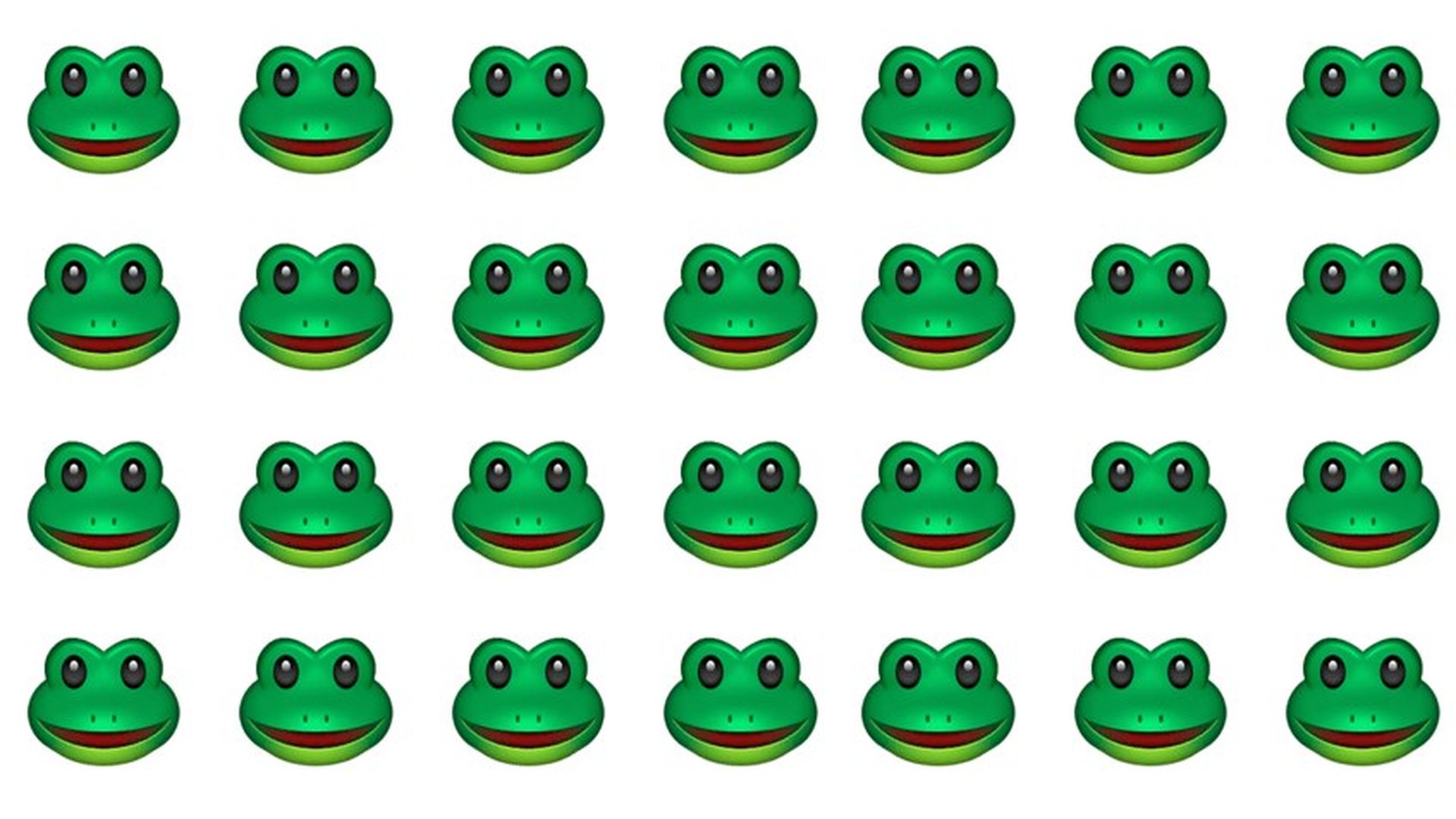
The green frog emoji was the most-used emoji during Super Bowl 51, according to social analytics company Blend.
What does it mean? The emoji symbolizes Pepe the Frog, a popular internet cartoon that became a symbol of the Alt-right conservative movement in early 2016. Pepe used to be a mascot for 4chan.com, an image-posting website, used mostly for memes, linked to Internet subcultures like Anonymous and the Alt-right movement. In 2016, the Anti-Defamation League added Pepe the green frog to its database of hate symbols, alongside the swastika and the KKK blood cross.
Why it matters: The Alt-right social movement has been using the momentum of highly-publicized national events to further their message, but the effectiveness has peaked since Trump's inauguration. According to Blend President Matt Geiger, this is an ongoing trend with no sign of slowing down. "We've seen the Pepe frog emoji show up in basically every single national event since Trump was Inaugurated," Geiger told Axios. "The frog has been used more than all of the other animal emojis combined since Trump's Inauguration."
Worth mentioning: Blend also found that the rainbow emoji, a symbol for gay rights and activism, was the most used emoji during the Super Bowl 51 halftime performance. Lady Gaga sang "Born this Way" at halftime, a song about being accepted regardless of your sexuality or gender.
Uber’s flying car hire
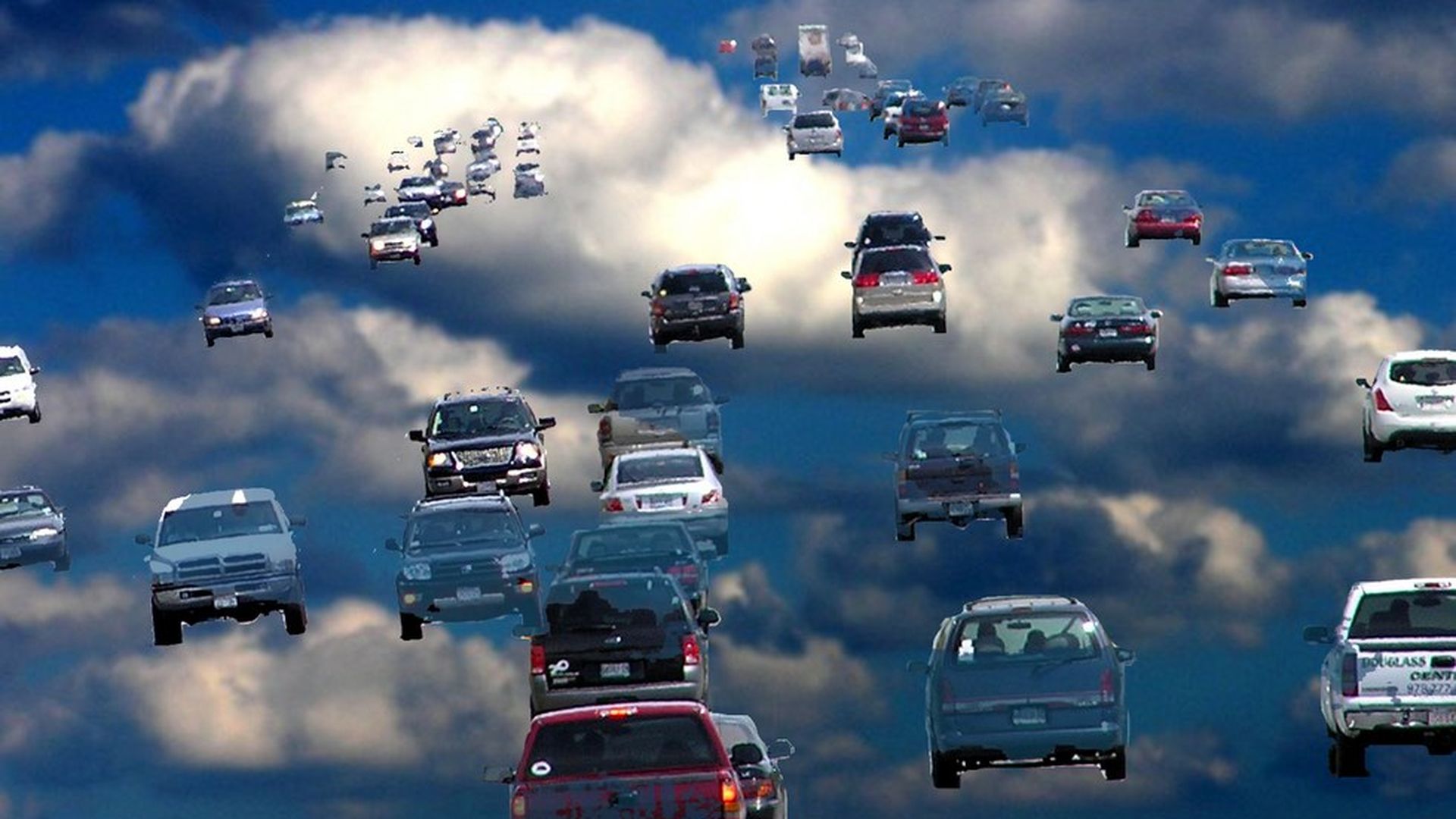
Uber's latest high-profile hire is an engineer, formerly of NASA, who will "work with companies and stakeholders" interested in a transportation network of aircraft capable of taking off and landing vertically. In less technical terms: that's flying cars.
The news was first reported by Bloomberg's Brad Stone. The engineer, Mark Moore, told him the company is in the right place to be influential over the nascent market:
If you don't have a business case that makes economic sense, than all of this is just a wild tech game and not really a wise investment.
Key context: Uber isn't building its own flying car yet, and WIRED reported in October that it wasn't currently in the cards. But the company has outlined an ambitious vision of a not-so-distant future where customers would travel to a central facility to get into one of the aircraft. A company official said in a statement that Uber wants to be a "catalyst" to getting the idea — no pun intended — off the ground.
The policy angle: Uber has warned that policymakers and industry should work closely with the communities that would see the effects of a network of flying cars. They identified several areas — like noise pollution and privacy — where dreams of flying cars could collide with reality.
Most tweeted moments from Super Bowl 51
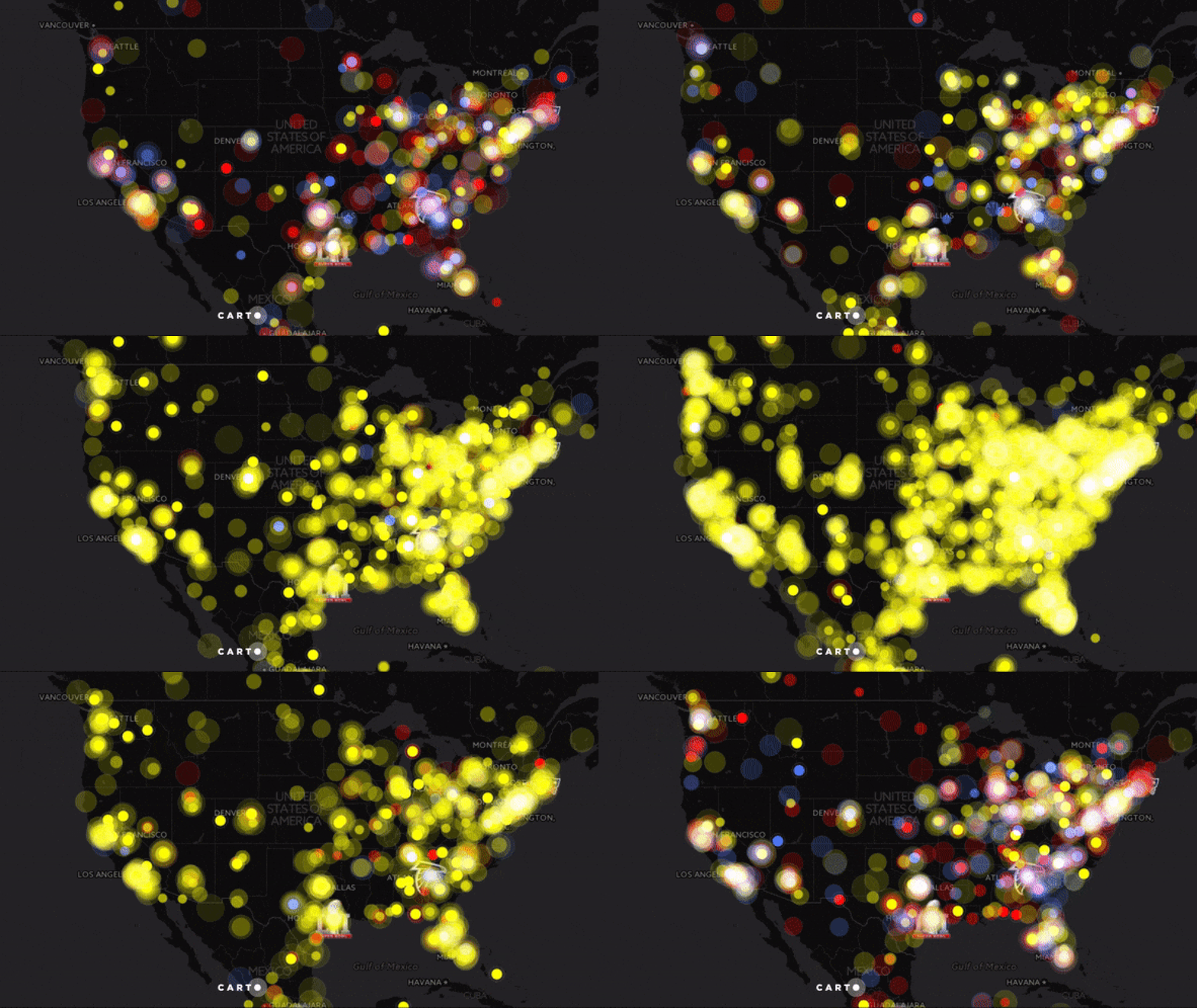
The chart above: Patriots in blue, Falcons red and Gaga in yellow.
Total global tweets about the Super Bowl: 27.6 million in 2017. The record came in 2015, with 28.4 million.
Most tweeted moments:
- Patriots complete comeback to win Super Bowl LI in overtime
- Lady Gaga's memorable halftime show performance
- Danny Amendola 2-point conversion to tie the game
The three most-mentioned players were all Patriots: 1) Tom Brady 2) James White 3) Julian Edelman
Snapchat's next move into TV: Planet Earth II
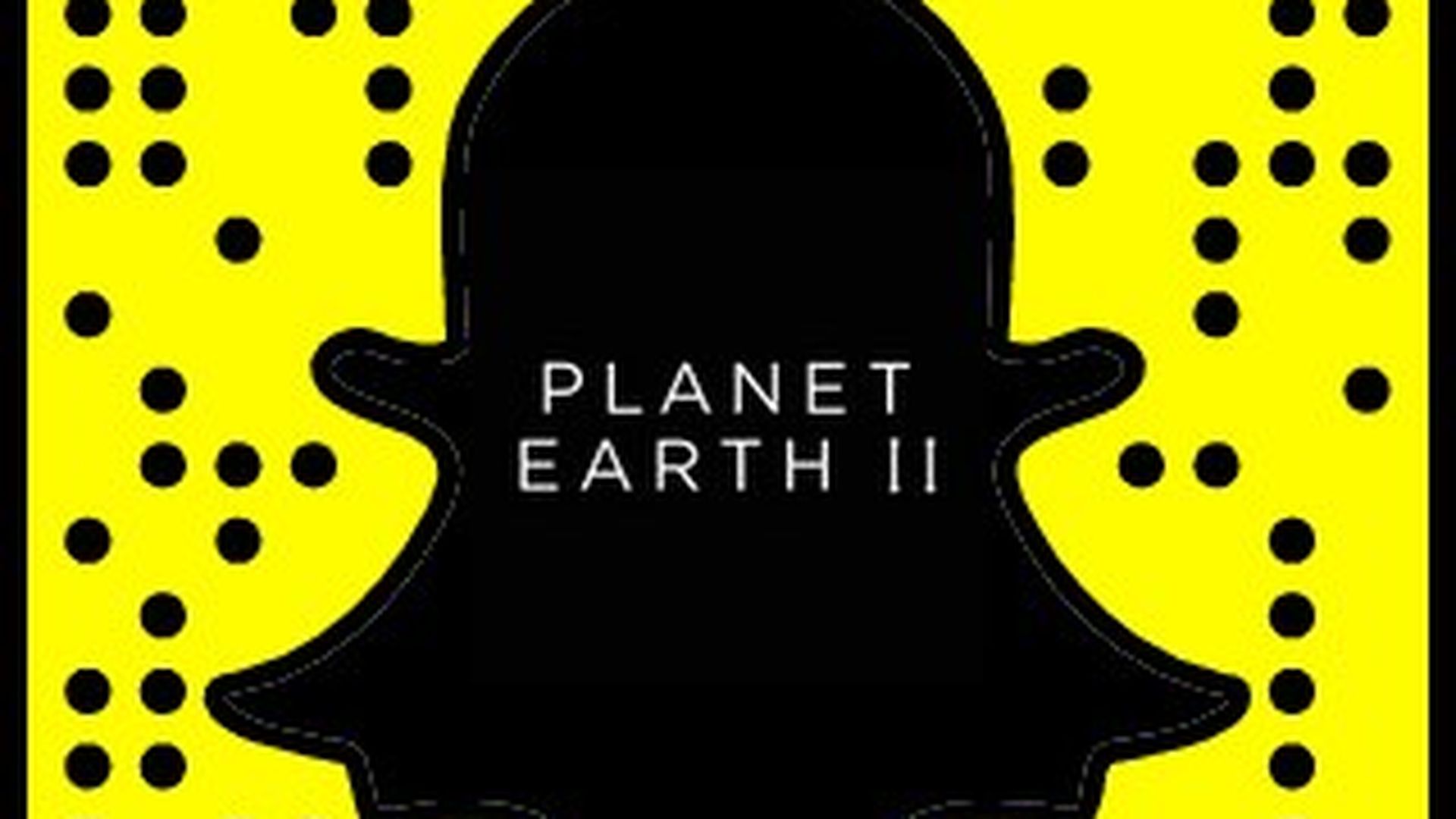
Snapchat is teaming with BBC Worldwide to bring an exclusive version — in vertical viewing format — of Planet Earth II. There will be 6 episodes beginning February 17th, a day ahead of the TV launch in the U.S. and Canada. It will feature binaural recording, an audio design technique used to create a 3-D stereo sound.
Snapchat is also rolling out two new features that will look and feel a lot like subscription television viewing:
- Advance subscriptions: Via Snapcodes (scannable QR codes on the app), users can get an early look at the series and subscribe to the show in advance of the first episode airing on February 17.
- Ability to watch previous episodes: Once Planet Earth II airs Snapchat, users will be able to use the show's Snapcode to view the most current previous episode, even if that episode is not currently live on the app.

Snapchat's fear: Weaker net neutrality rules
Snap, the parent company of Snapchat, filed its papers to go public this week, making it the first big tech listing of the year. But it's wary of another development expected this year that would be bad news for its long-term success.