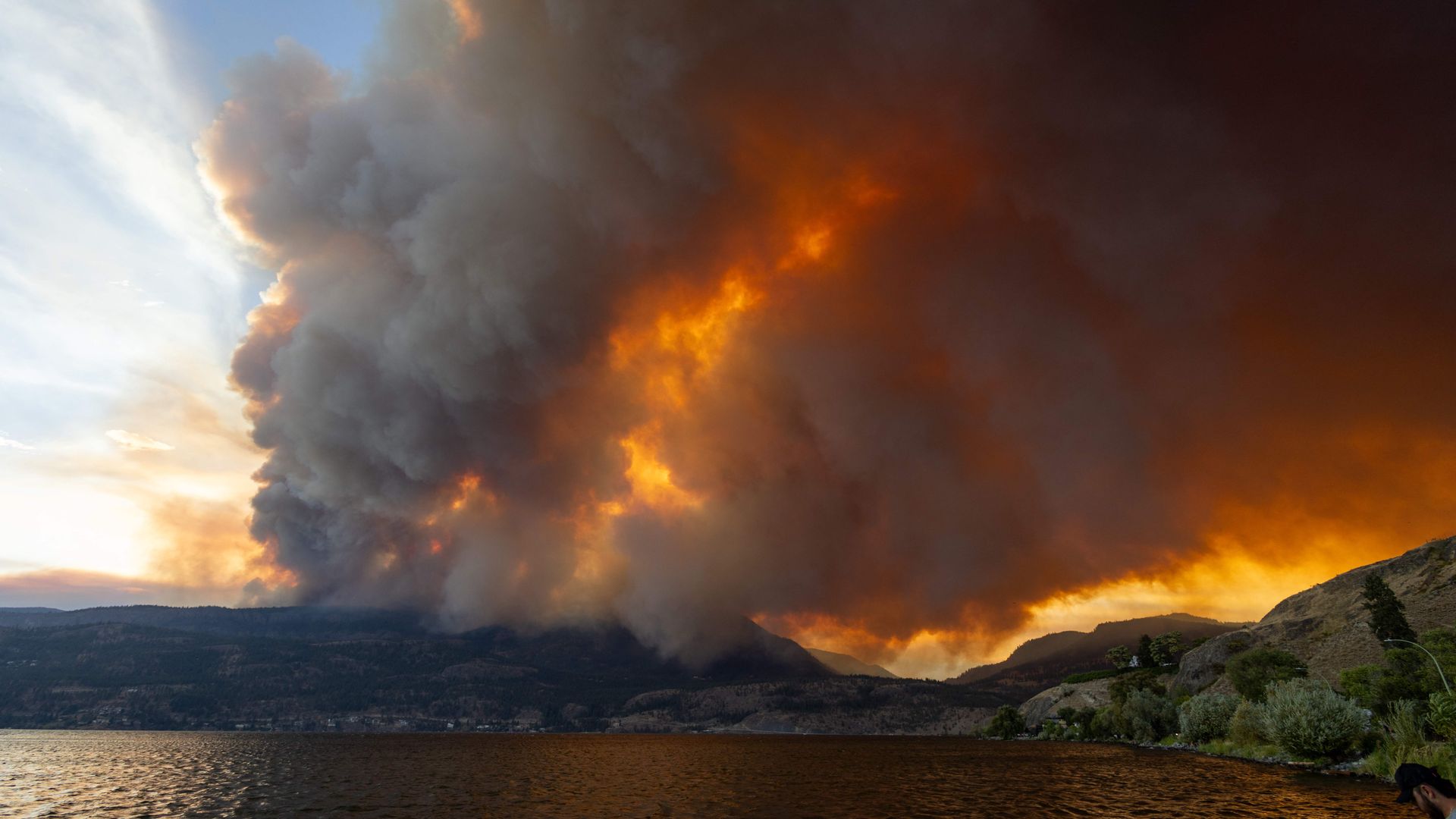
Canada's record 2023 wildfire season emitted so much carbon into the atmosphere that it put the country on par with the annual fossil fuel emissions of India, a new study finds.
Why it matters: The fires, which burned 4% of the nation's vast forest area, demonstrated the effects that extreme heat and drought have on the boreal forests that ring the Arctic — greatly increasing their tendency to burn.
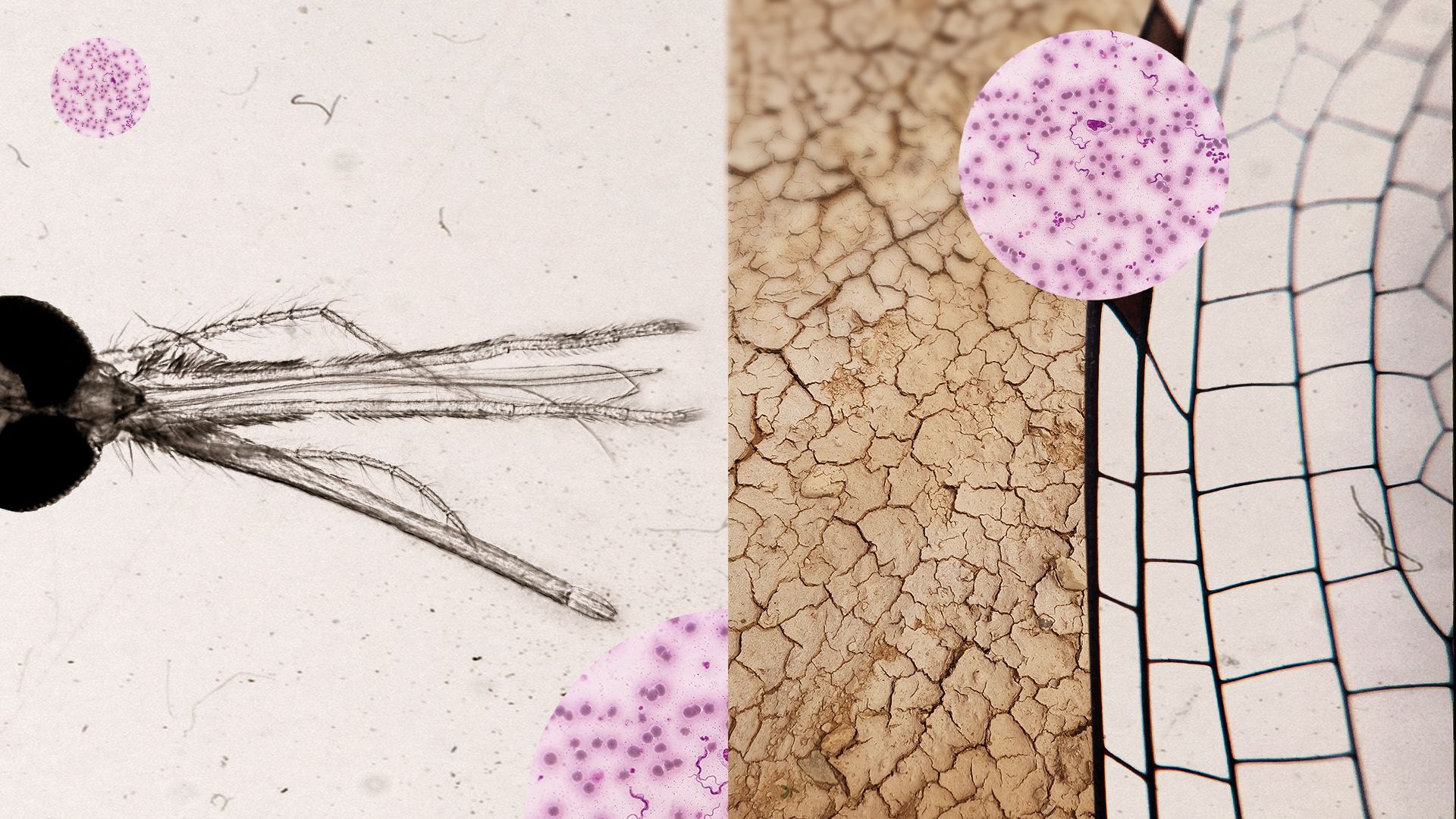
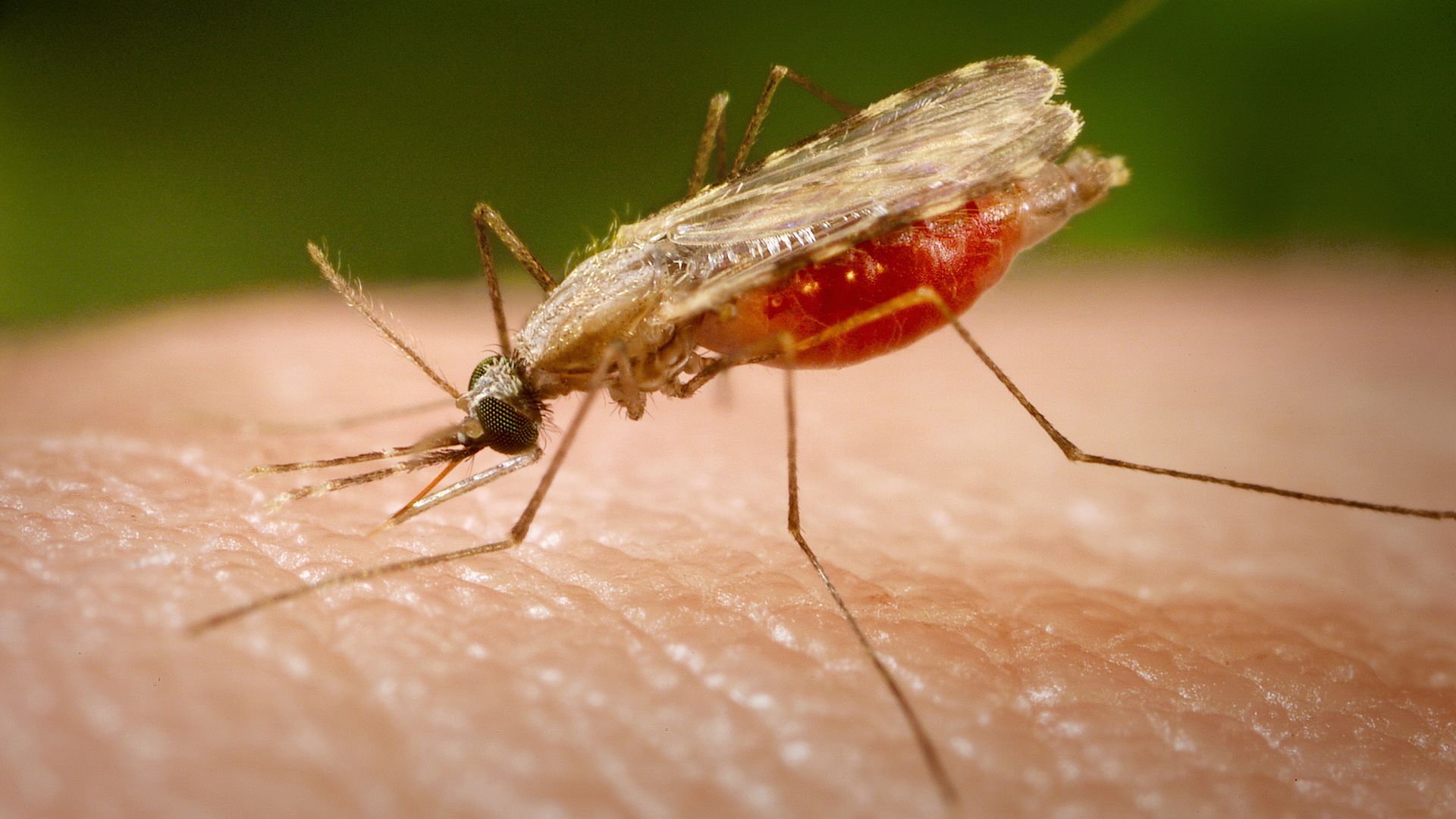
Almost daily headlines about the spread of rare, potentially deadly insect-borne diseases like eastern equine encephalitis and Oropouche fever highlight the expanding threat that mosquitoes, ticks, and other bugs present.
Why it matters: Longer, hotter, summers, milder winters, and changes in land use and travel are giving insects more time and space to spread diseases or compound the misery in places where they already exist.
The Federal Aviation Administration temporarily grounded SpaceX Falcon 9 rockets on Wednesday after a booster failed to land upright and exploded following the successful launch of Starlink satellites.
Why it matters: The grounding pending the outcome of an investigation into Wednesday's incident comes as SpaceX prepares for its Polaris Dawn mission featuring four private astronauts who are set to attempt the first-ever space walk by private citizens.
The detection of 21 cases of the insect-borne Oropouche virus disease, also known as "sloth fever," in U.S. travelers returning from Cuba has prompted health officials to issue a warning.
Why it matters: "Recent reports of outbreaks in areas without previous endemic transmission, fatal cases, and vertical transmission associated with adverse pregnancy outcomes have raised concerns about human health risks," per a CDC report issued Tuesday on the virus that's infected thousands in South America and the Caribbean.