Why it matters: Extreme heat events are the clearest manifestation of climate change in weather that people and the ecosystem experience on a daily basis.
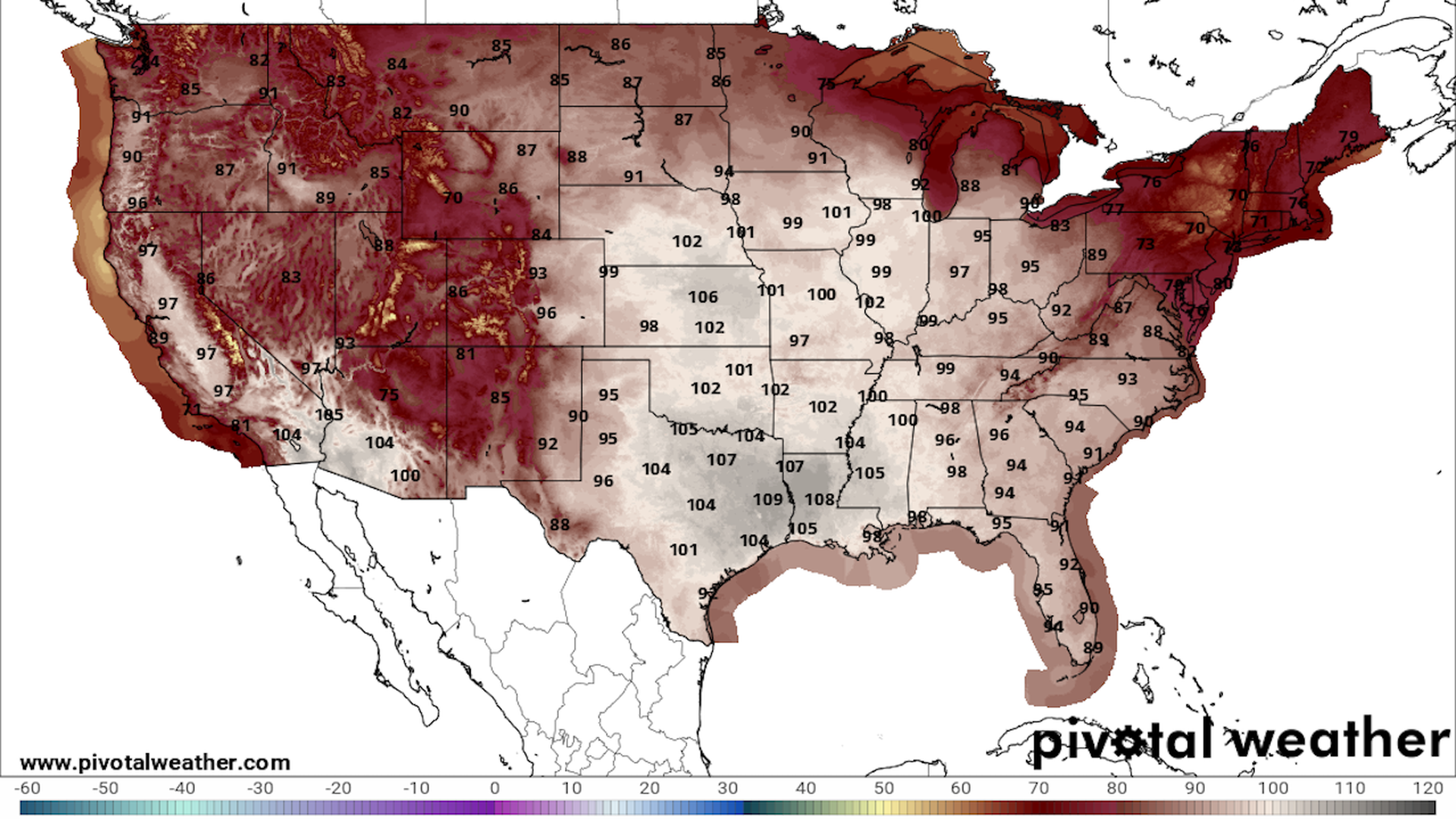
In a summer featuring countless heat domes and record-high temperatures and heat indices, the season appears to have saved the worst for last.
The big picture: A sweltering, stagnant air mass is draped across the Central U.S., resulting in "dangerous," "searing" and "brutal" heat. Meanwhile, southern Europe is also seeing another bout of extreme heat.
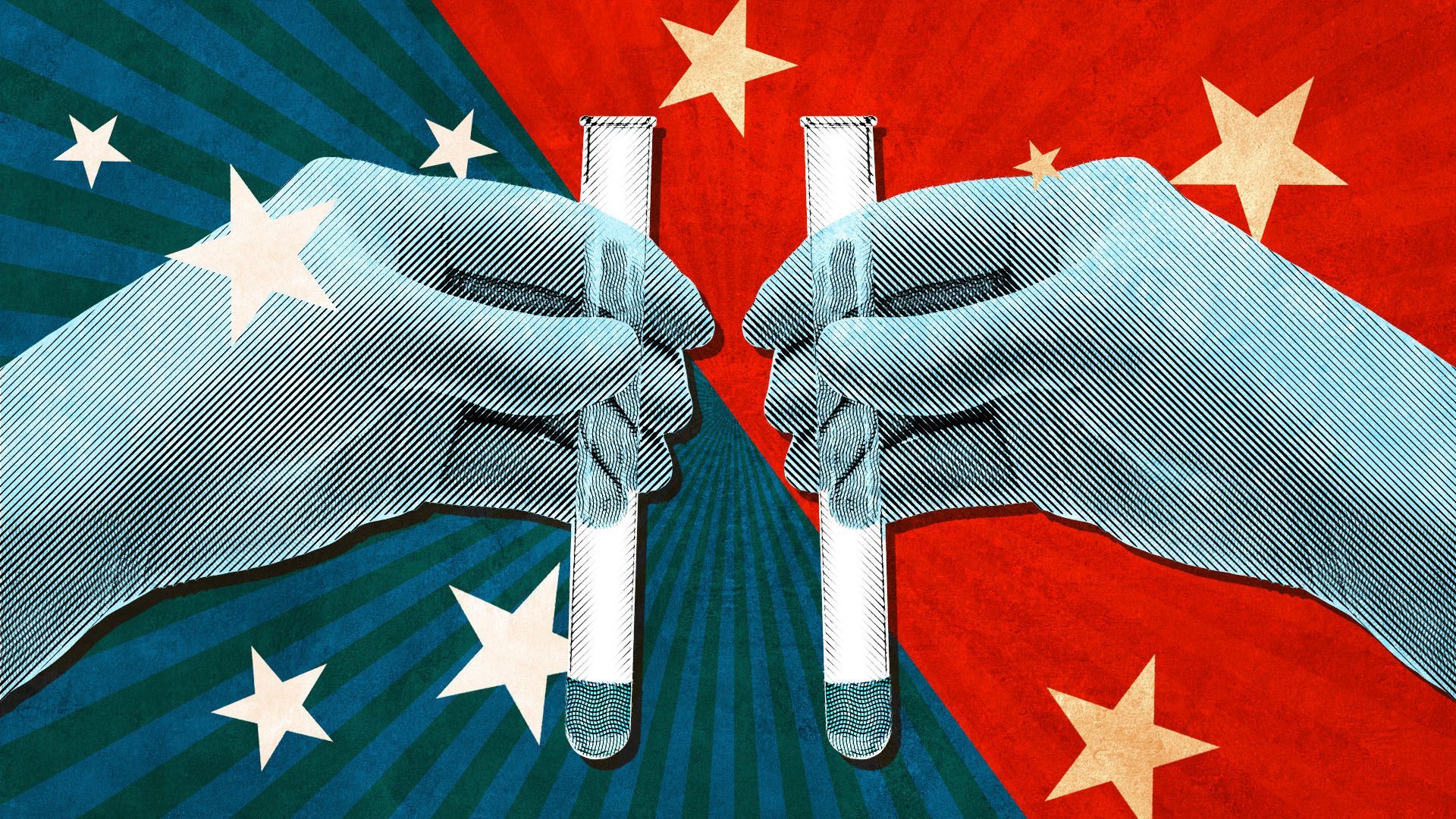
The U.S. is seeking a short-term six-month extension to a longstanding science and technology agreement with China amid concernsBeijing is benefiting from U.S. scientific advances and gaining a competitive edge.
Why it matters: The agreement — and U.S.-China science and tech cooperation more broadly — has come under intense scrutiny as lawmakers in Washington say it risks fostering Beijing-backed intellectual property theft.
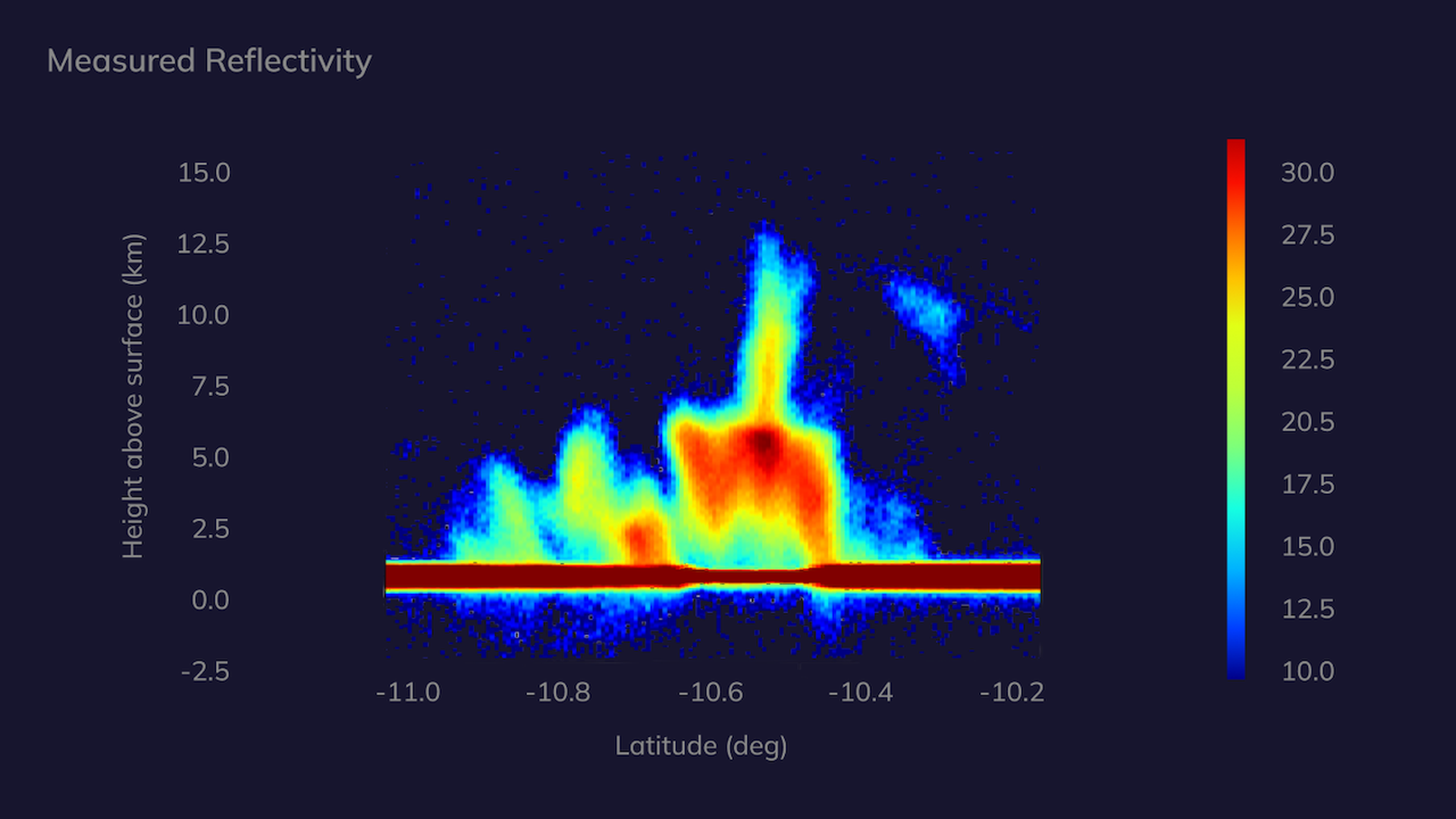
Why it matters: Climate intelligence company Tomorrow.io is aiming to drastically expand the data available over the world's data gaps, including the oceans and many developing countries.
Tomorrow.io plans to use the satellite constellation, which now numbers two but may total more than 30, to improve its weather forecast models, and help other countries improve their warning systems.
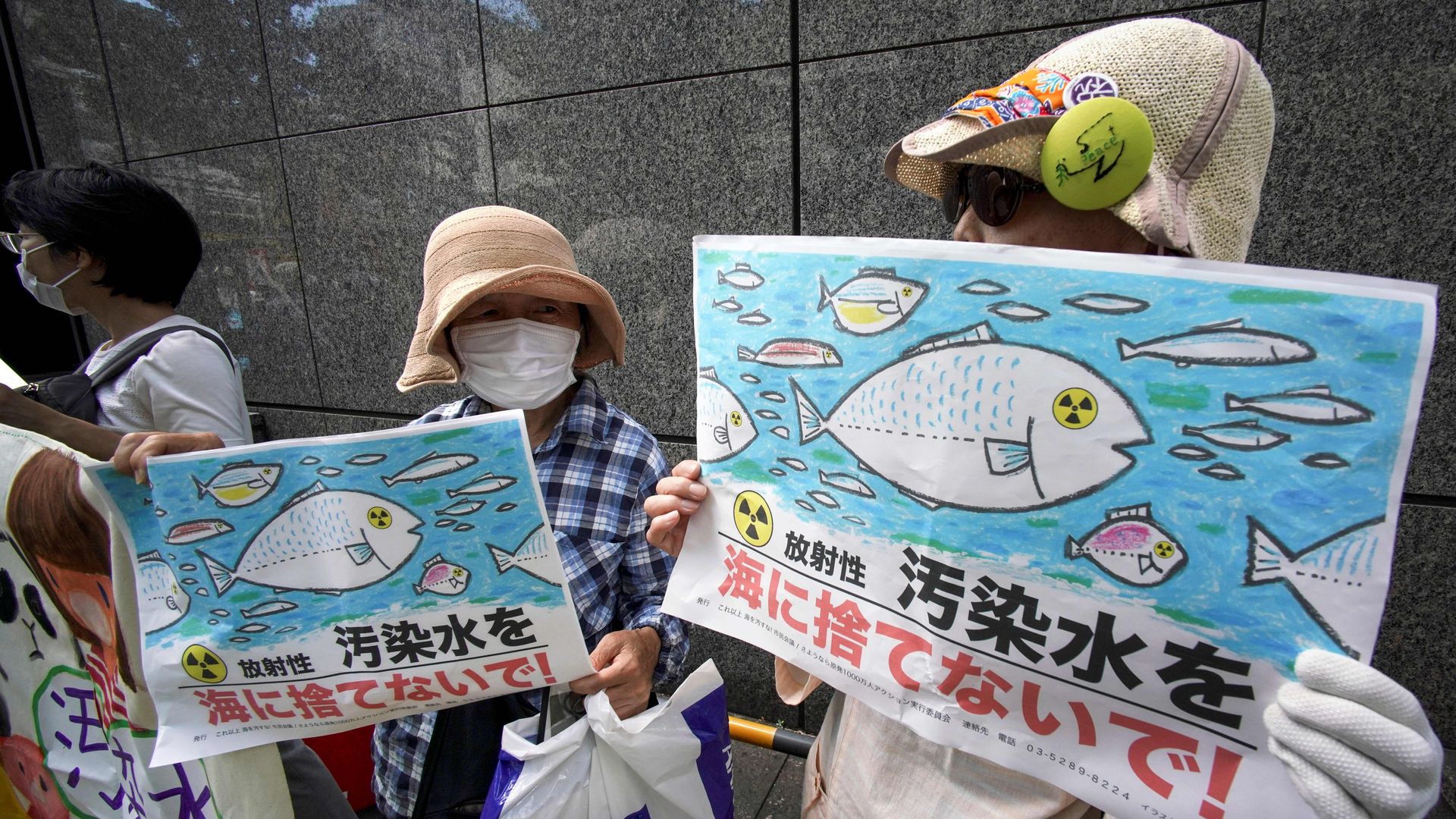
The operator of Japan's Fukushima nuclear plant announced Thursday it had begun releasing the first batch of treated radioactive water into the Pacific Ocean, 12 years after an earthquake-sparked tsunami caused its contamination.
Why it matters: The decision to release over one million metric tons of treated radioactive water that was deemed safe by the International Atomic Energy Agency drew opposition from Japanese fishing groups and prompted protests in South Korea and China. Beijing banned all Japanese seafood in response to Thursday's action.