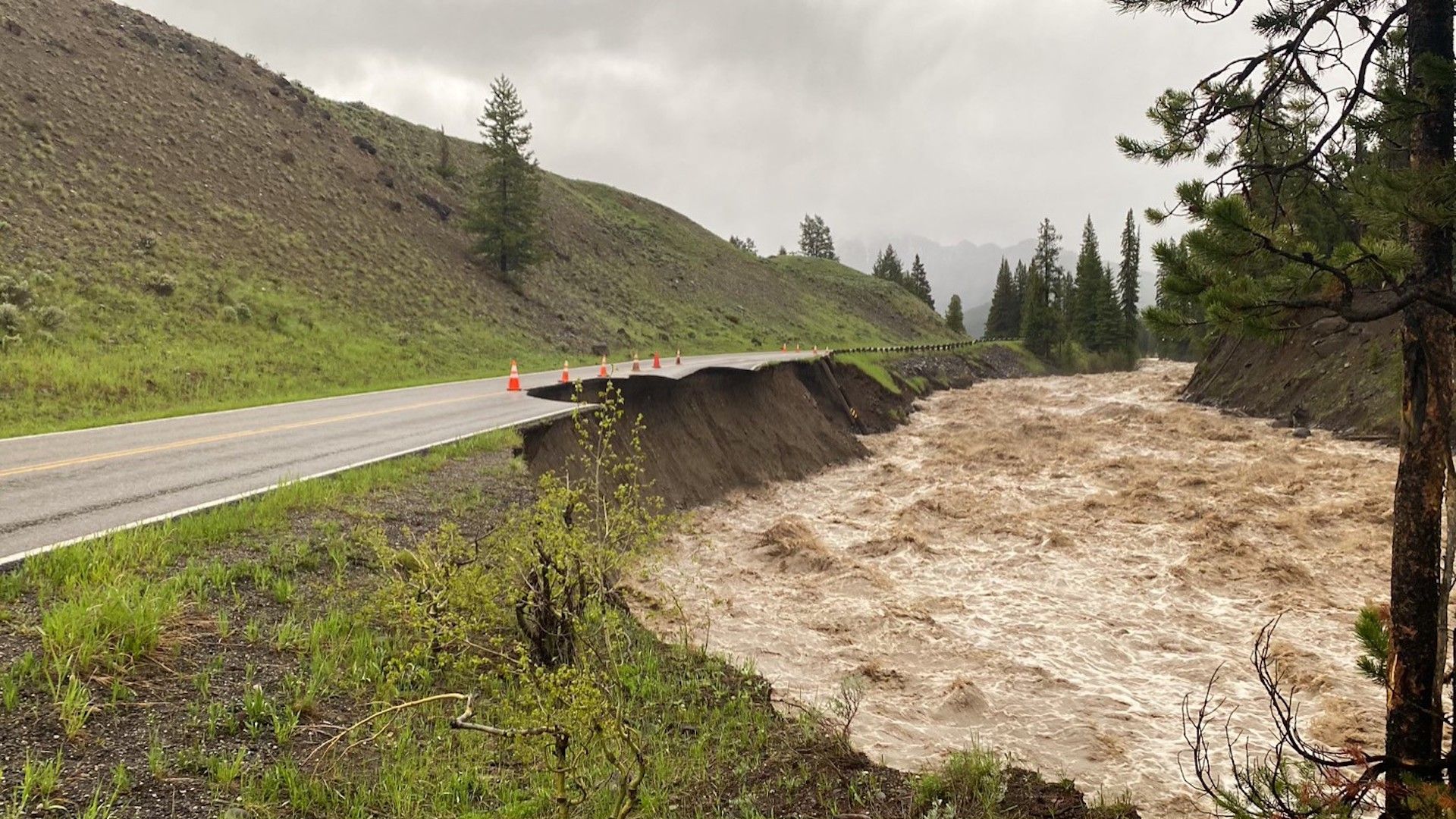
Extreme weather events, likely worsened by climate change, slammed the U.S. on Monday and will continue through this week.
The big picture: A rare June atmospheric river event that made landfall in the Pacific Northwest over the weekend has led to some of the worst flash flooding on record in Yellowstone National Park.
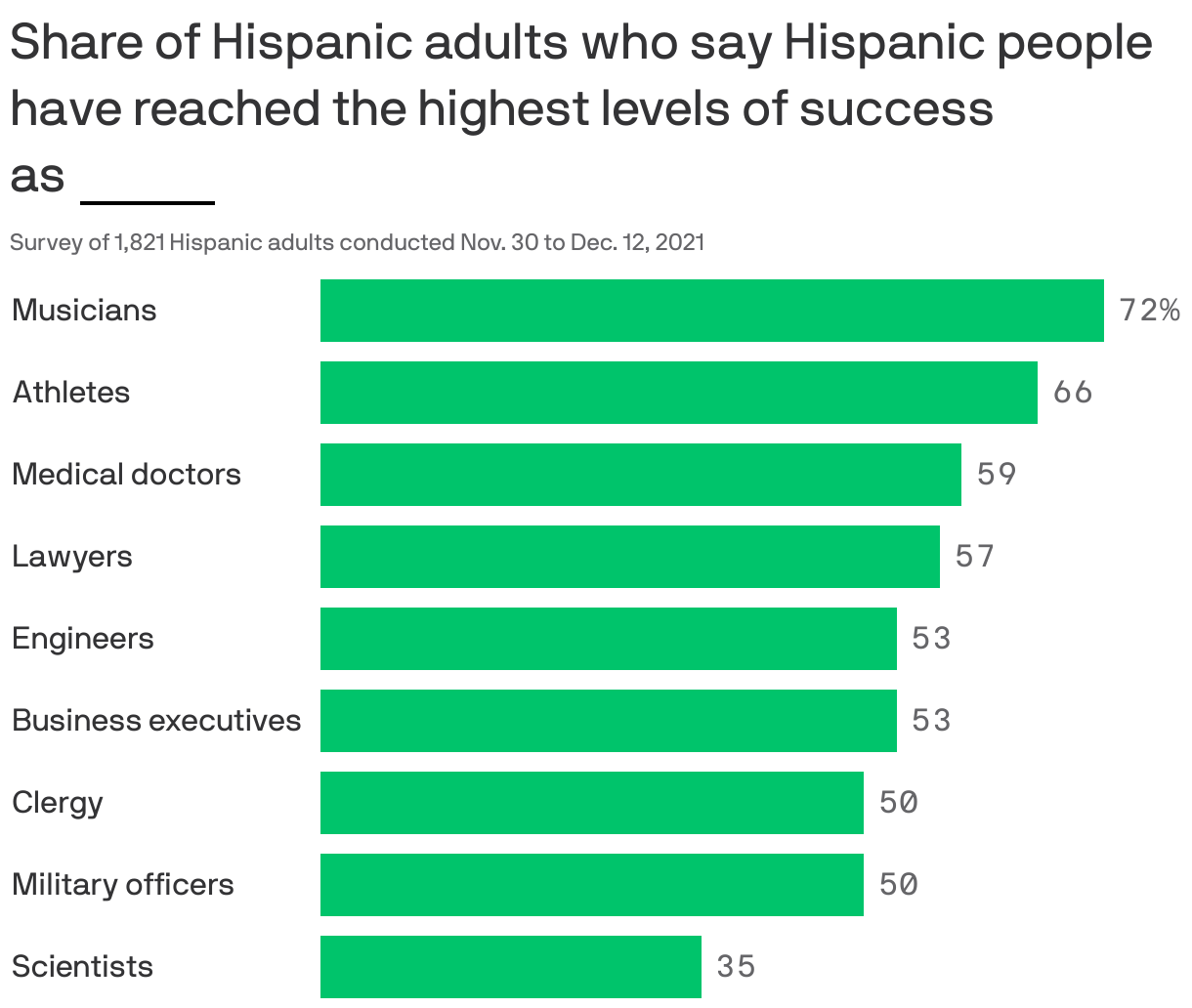
Reproduced from Pew Research Center; Chart: Axios Visuals
Hispanics say the key to improving diversity in science hinges on seeing more Hispanic scientists, science students and science teachers, according to a Pew Research Center report published Tuesday.
State of play: The survey of 3,700 Hispanic adults found about 30% of Latinos see scientists as unwelcoming to Latinos, which could hinder efforts to diversify the field.
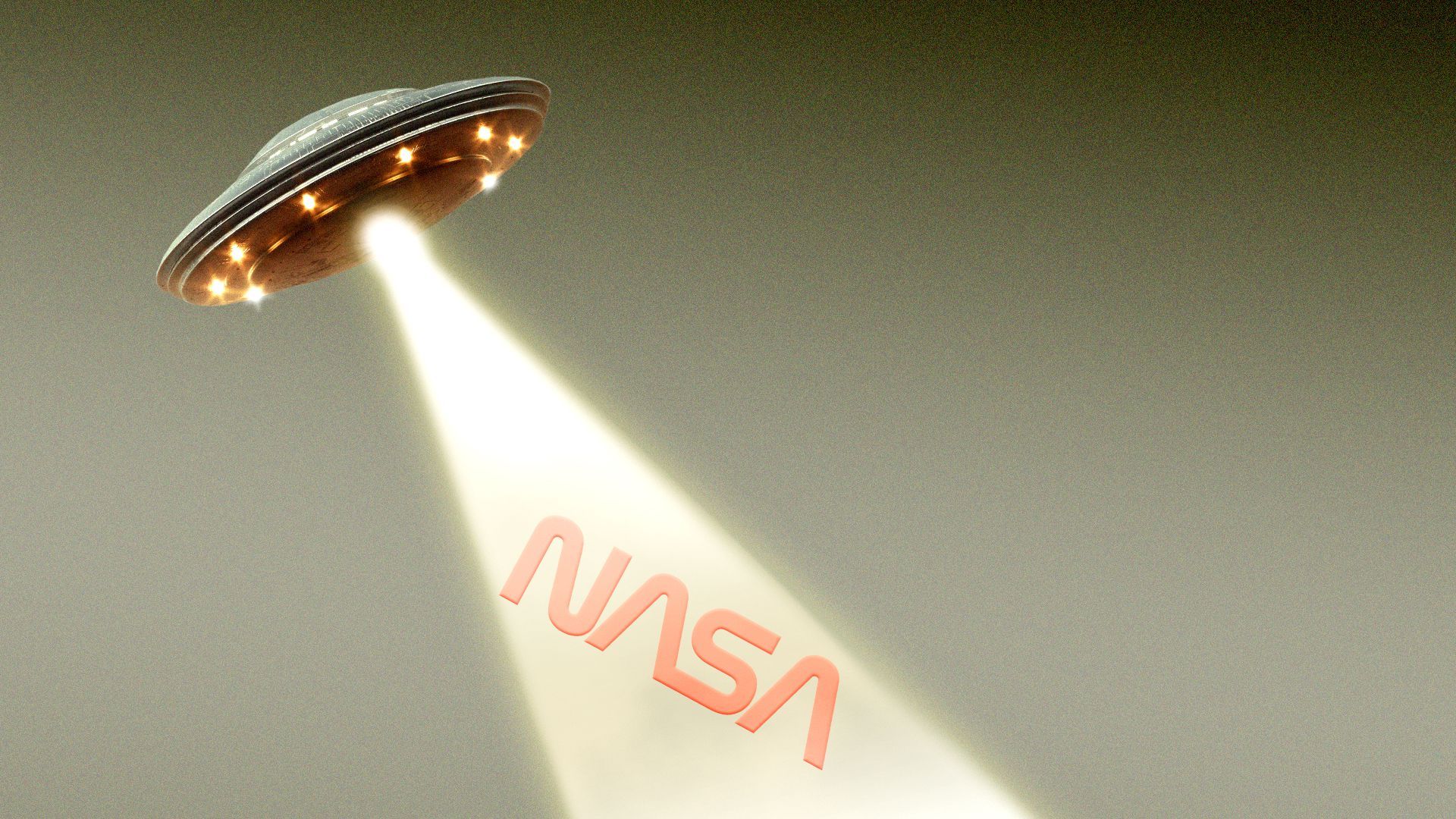
NASA is mounting an investigation into unidentified aerial phenomena — a mission some experts and even some of NASA's own leadership warn could put the space agency's good name at risk.
The big picture: NASA has historically focused its life-seeking efforts on searching for signs of microbes on Mars; watery, possibly life-supporting moons in the solar system; and signs of distant, intelligent life.
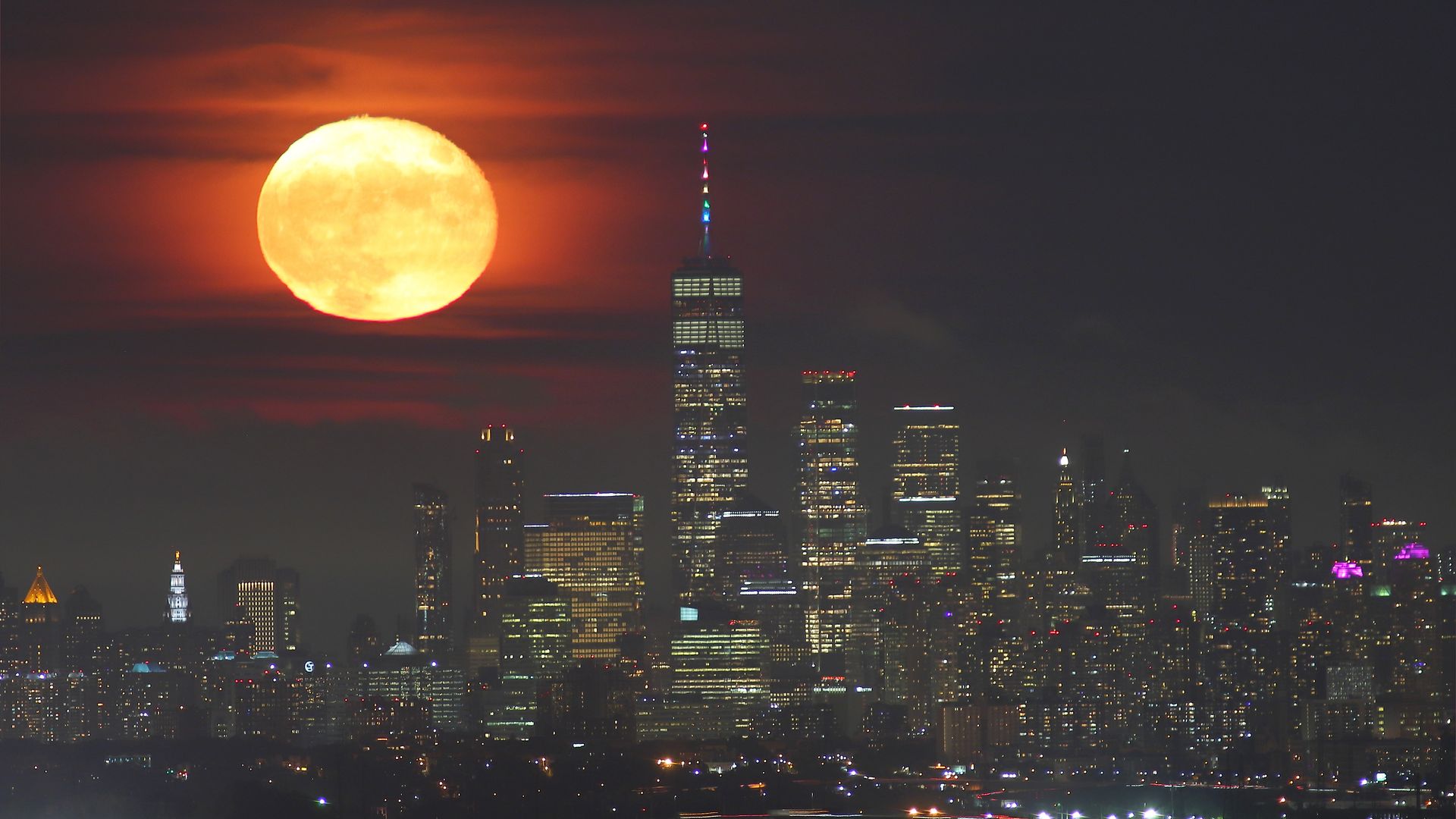
Make plans to look up to the sky this week when the second supermoon of 2022 arrives.
The big picture: The moon was bright Monday night ahead of the so-called strawberry moon that starts at 7:52 a.m. ET Tuesday when it appears opposite the sun, according to NASA.
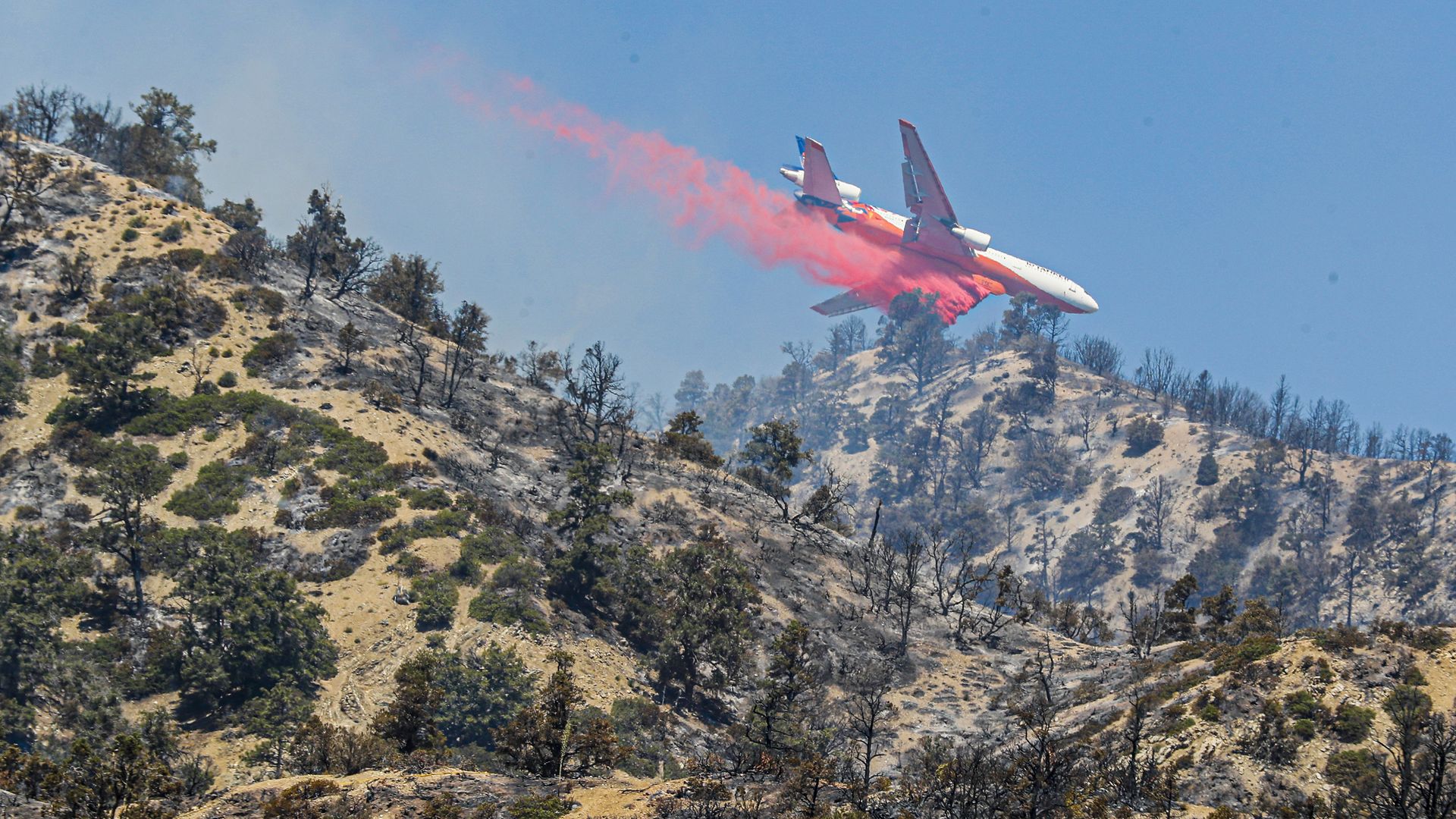
Wildfires driven by a record-setting heat wave and sustained dry, windy conditions triggered mandatory evacuations in Arizona and Southern California on Monday.
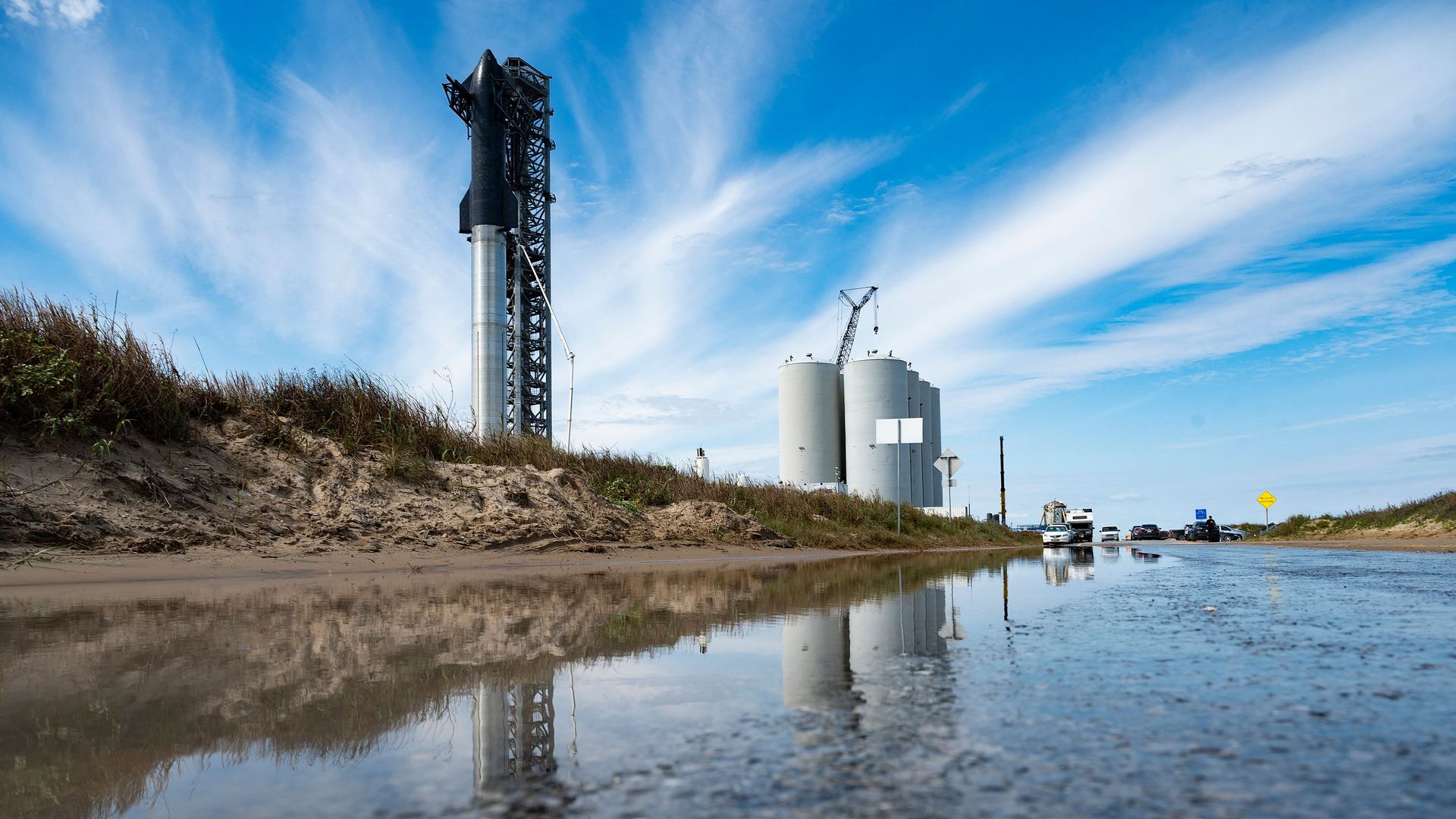
SpaceX can proceed with planned orbital launches of its Starship vehicle from Texas provided Elon Musk's company makes dozens of environmental adjustments, the Federal Aviation Administration said on Monday.
Driving the news: An FAA environmental review found there would be "no significant impact" on the Gulf Coast region from SpaceX launches from its site in Boca Chica.
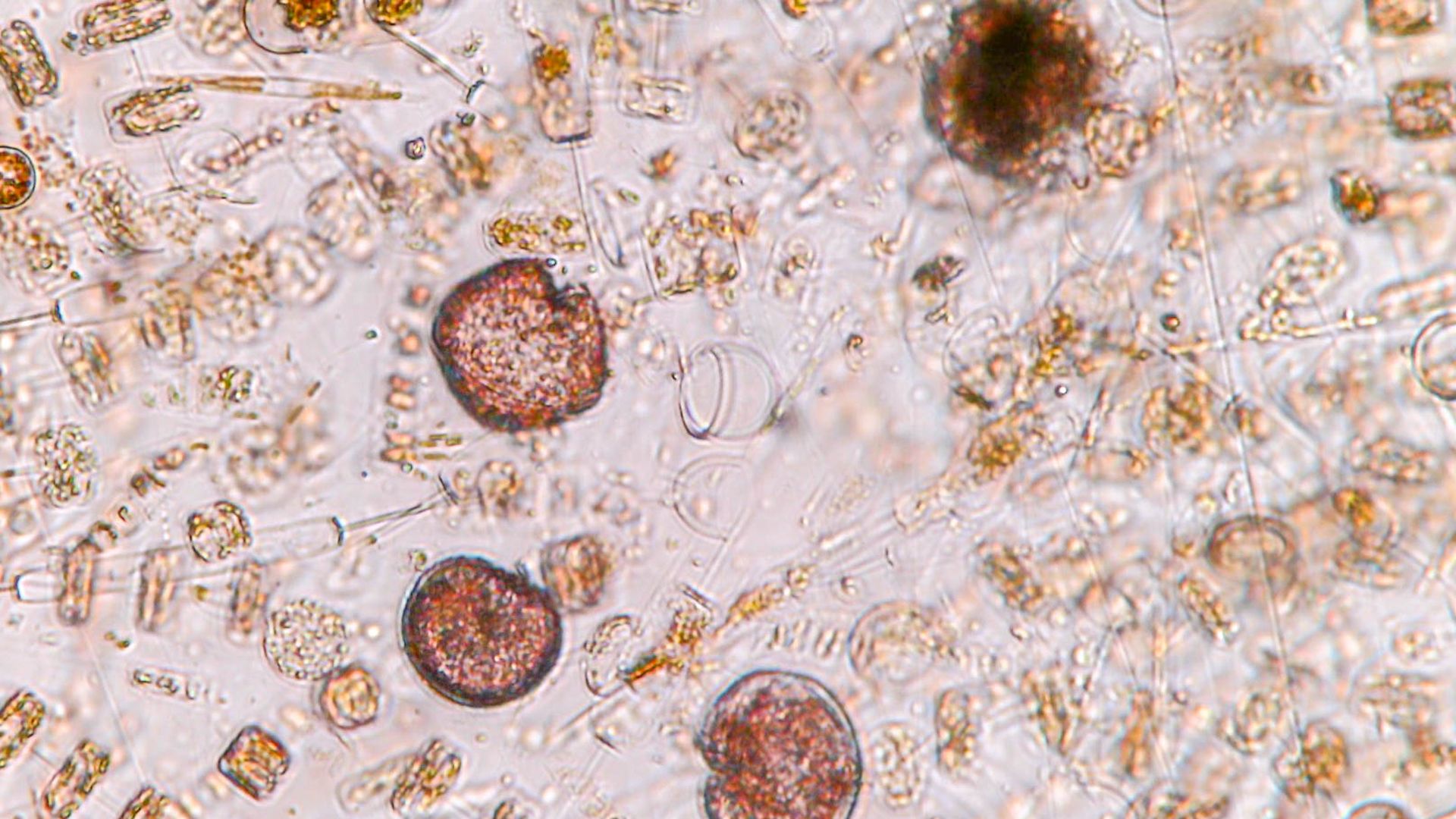
RNA viruses that infect plankton may be shaping the ocean's crucial role in carbon cycling, according to a new study.
The big picture: DNA viruses are known to play a role in the ocean's ecosystem but less is known about the diversity of marine RNA viruses, the types of hosts they infect and whether they impact the flow of energy and carbon in oceans.
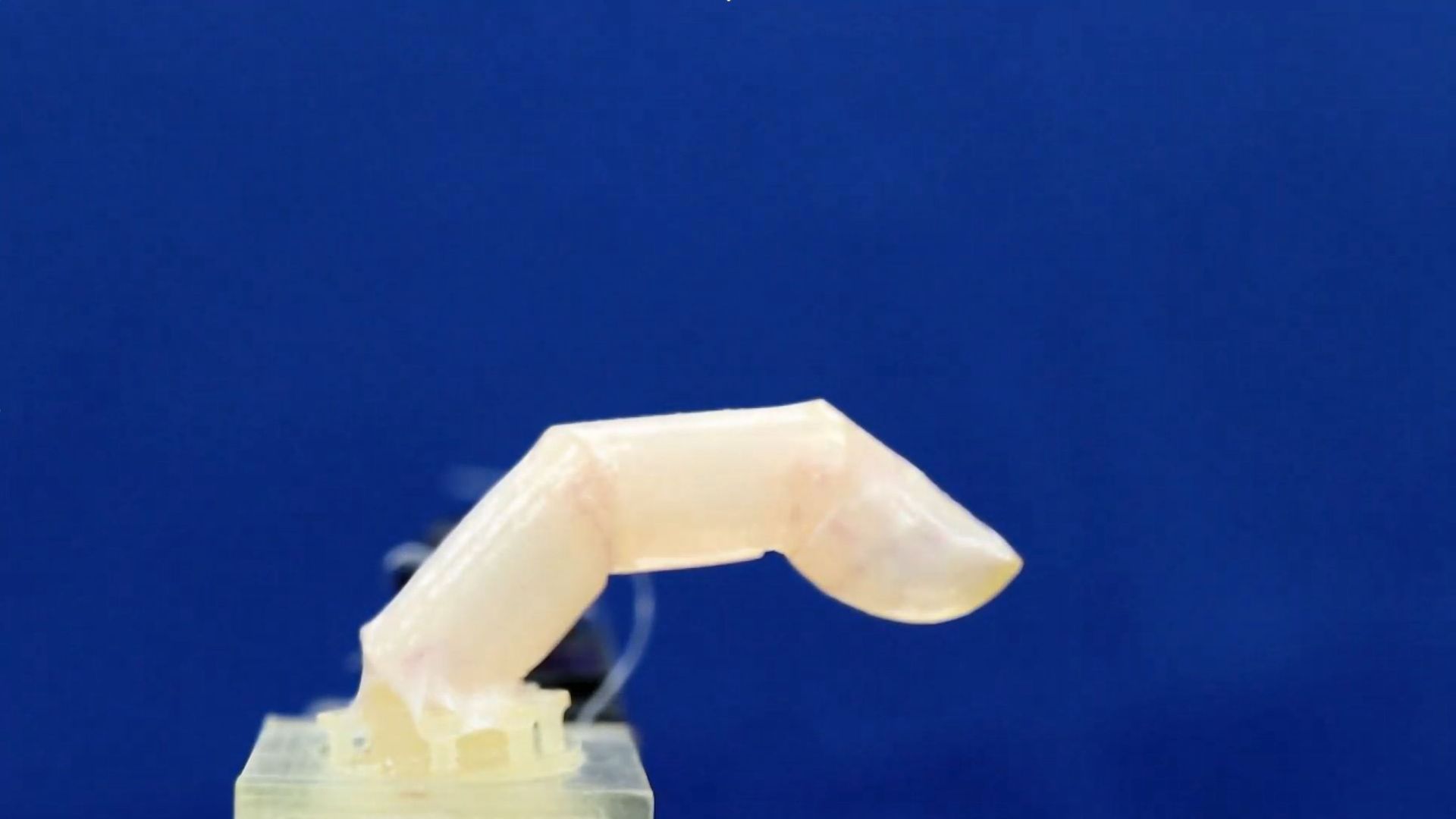
A robotic finger covered with living skin can bend and heal, researchers recently reported.
Why it matters: Skin provides humans and other animals with a sense of touch — a key way of taking information in about the world. Giving robots that sense could help them to interact more naturally with humans.
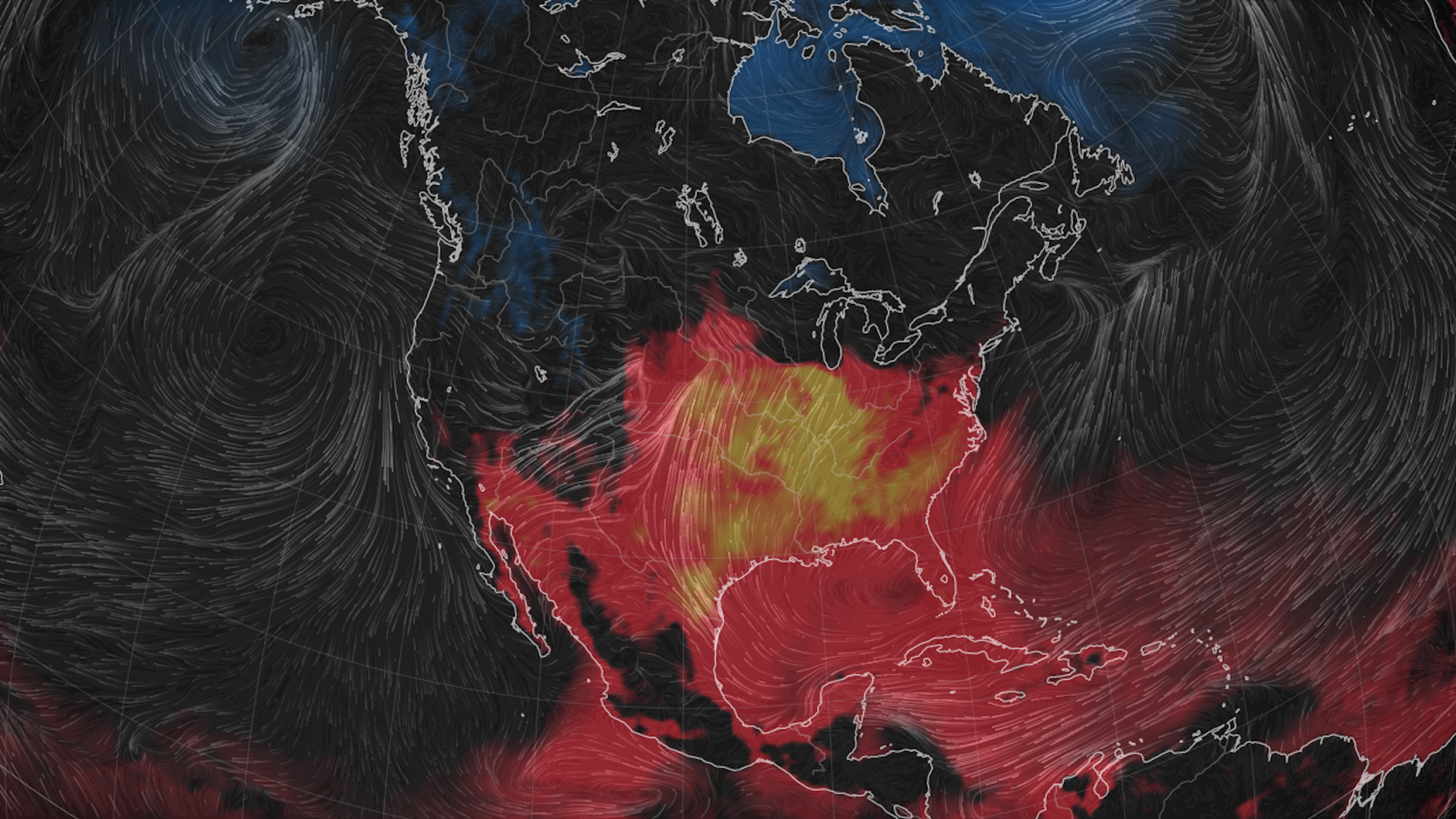
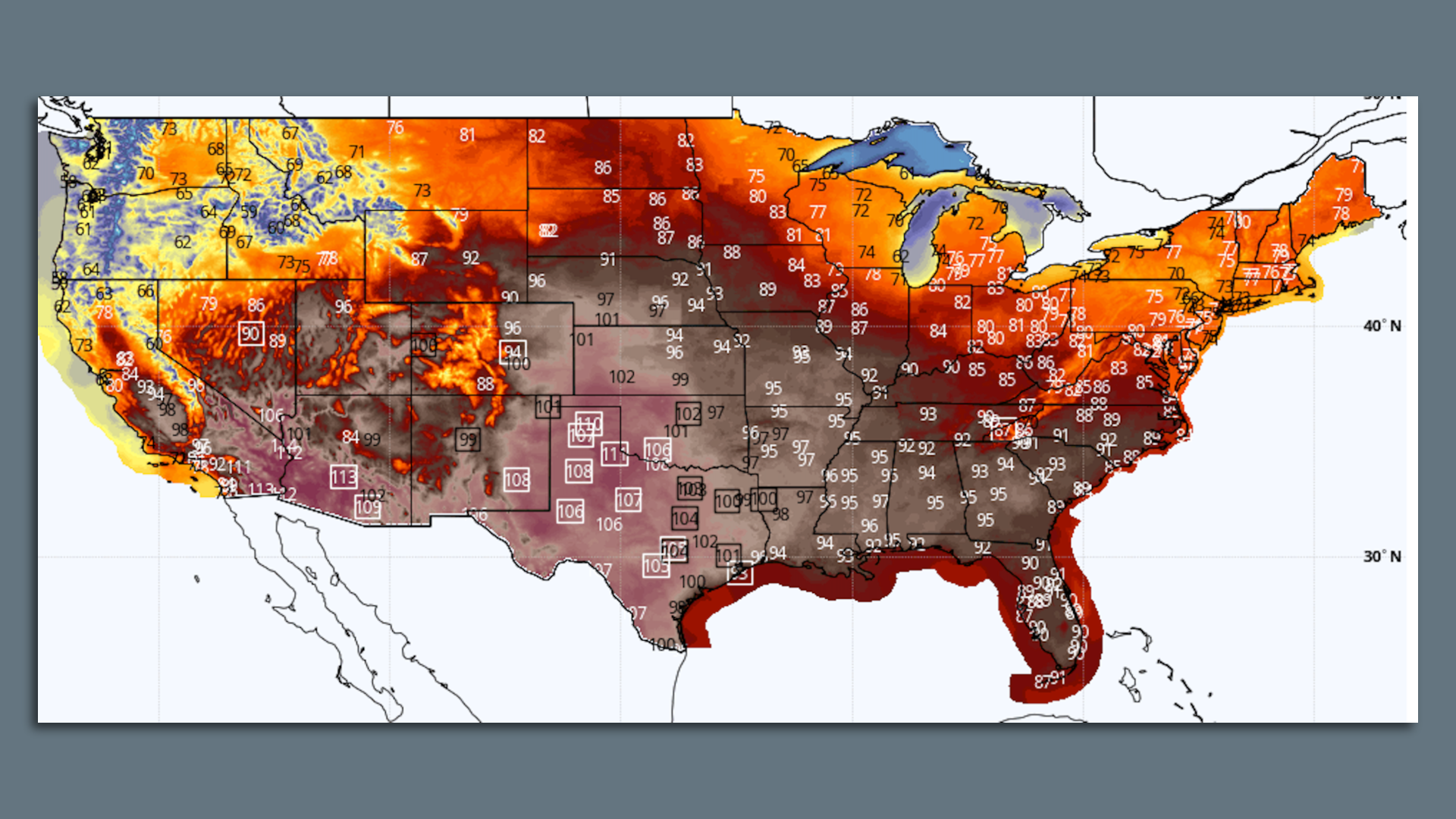
More than 125 million Americans are under heat warnings and advisories on Monday evening as a dangerous heat wave that began in the Southwest covers more real estate in the Central and Southern U.S.
The big picture: The National Weather Service (NWS) is warning that a "dangerous" combination of heat and humidity will affect the majority of the lower 48 states before the week is over, and there are few signs the heat will abate after that.
Nearly 100 million people are facing heat warnings and advisories across the U.S. this week due to an early season heat wave that saw high-temperature records set from California to Texas over the weekend.
The latest: At least three wildfires ignited in drought-stricken Southern California on Sunday, per NBC News. San Bernardino County's Sheep Fire, which ignited Saturday, has swollen to 990 acres in size and was 5% contained, according to Inciweb.
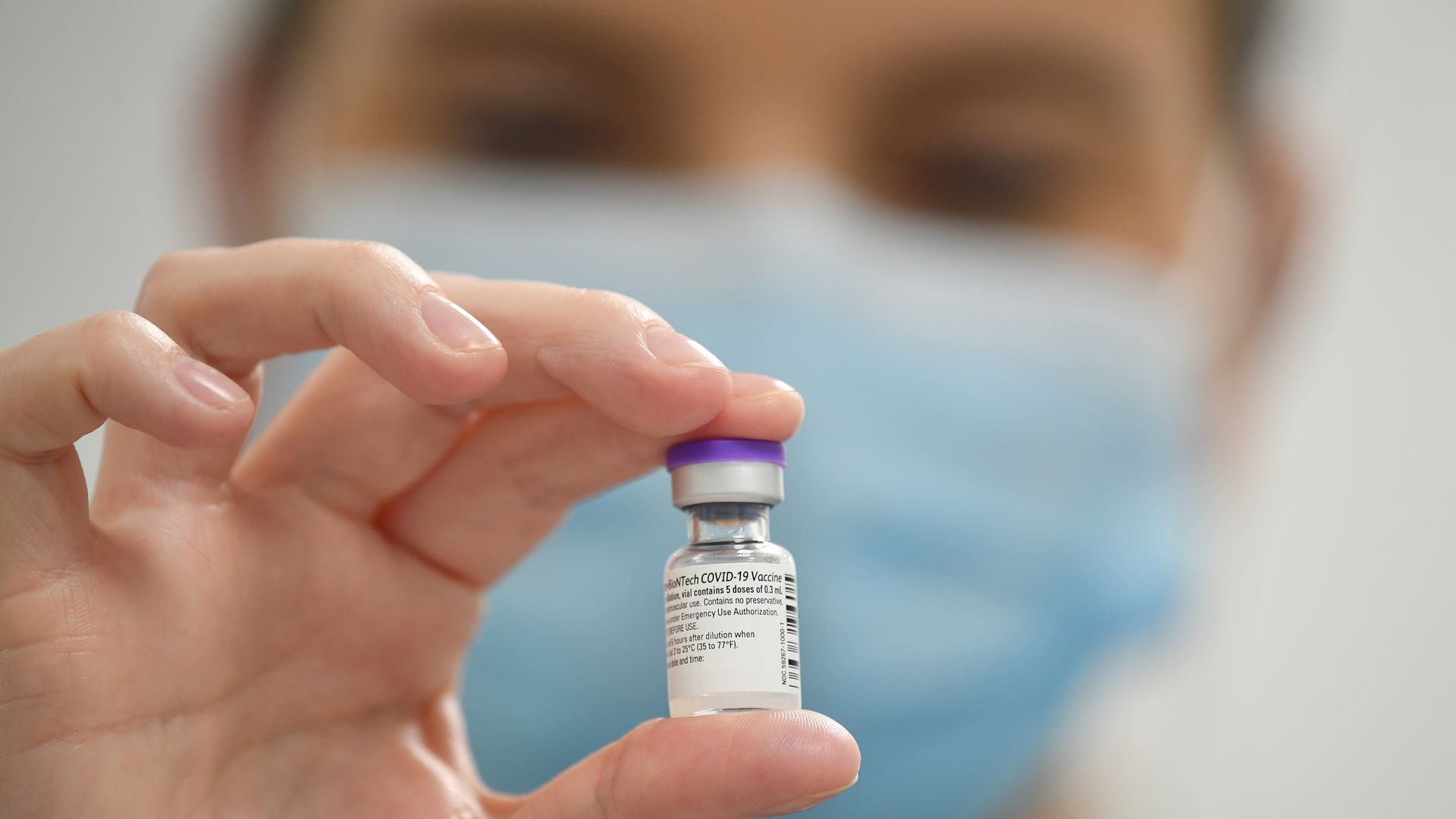
Food and Drug Administration scientists found the Pfizer-BioNTech COVID-19 vaccine is safe and effective for children younger than 5, according to a review published Sunday.
Why it matters: The FDA scientists' briefing document comes ahead of Wednesday's scheduled meeting of the agency's independent experts, when they will consider Pfizer and BioNTech's request for emergency use authorization of the vaccine for young children.