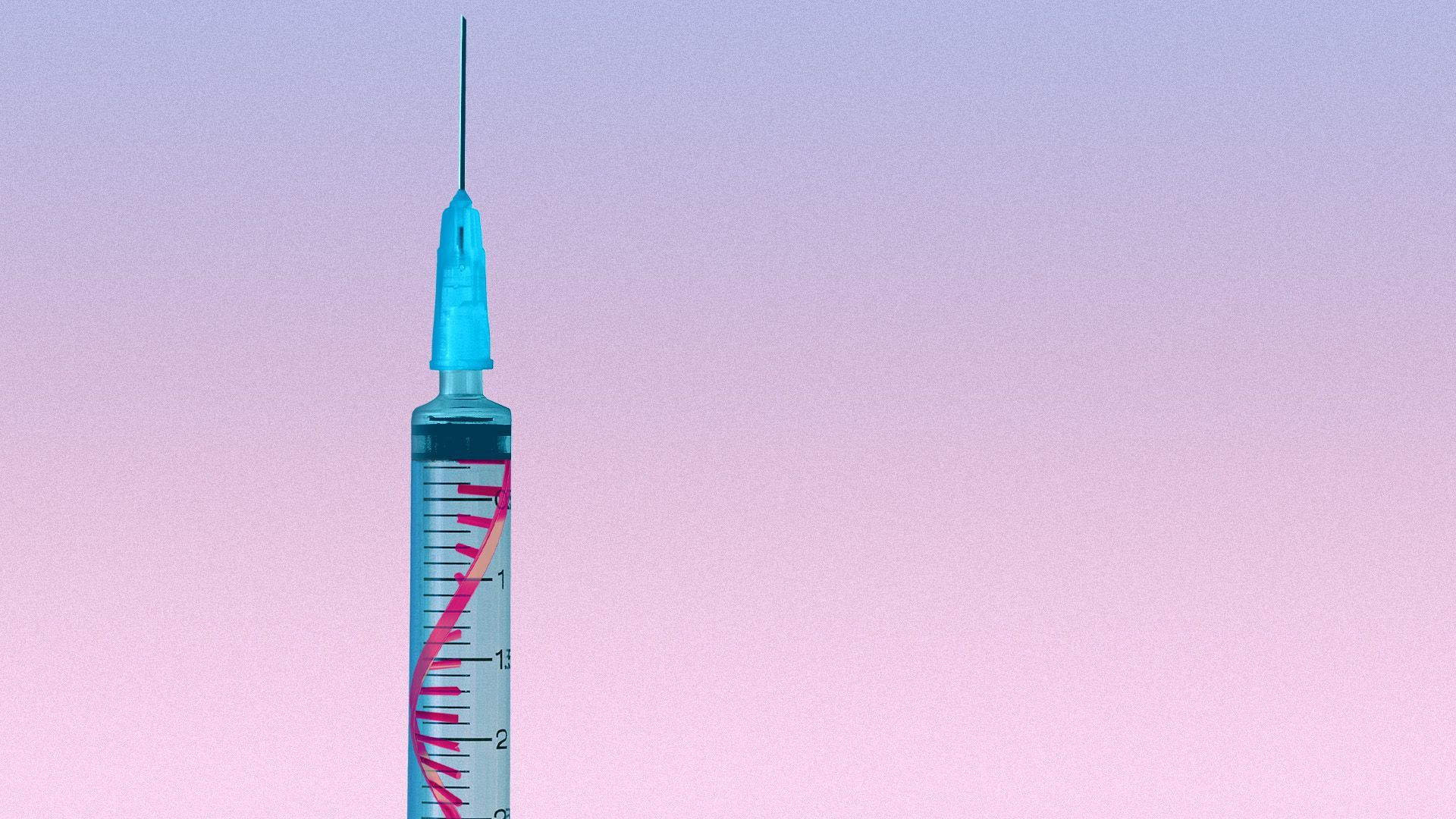
The blockbuster success of messenger RNA vaccines in the COVID-19 pandemic could give a boost to efforts to use the technology to tackle cancers, malaria and other intractable illnesses.
Why it matters: There's a pressing need for new ways to prevent infection from viruses like HIV and influenza that conventional vaccines have struggled to address and to treat rare genetic diseases and cancers that kill millions each year. Vaccines and therapies based on messenger RNA (mRNA) hold promise as a solution, but the technology is still in its infancy.
Doctors tended to overprescribe antibiotics to COVID-19 patients in hospitals during the early pandemic months, but programs designed to limit overuse are helping, according to an analysis from Pew Charitable Trusts.
Why it matters: Antibiotic resistance is a serious threat globally and in the U.S., with rising deaths due to bacterial infection, dwindling novel drugs to treat them, and huge associated economic costs. Many worry the pandemic will only make the problem worse.
A huge star 300,000 times brighter than the Sun is nearing the end of its life and shrouding itself with dust, according to new data from the Hubble Space Telescope.
Why it matters: Learning more about this star — named VY Canis Majoris — will help astronomers piece together how stars much larger than the Sun evolve and behave at the ends of their stellar lives.
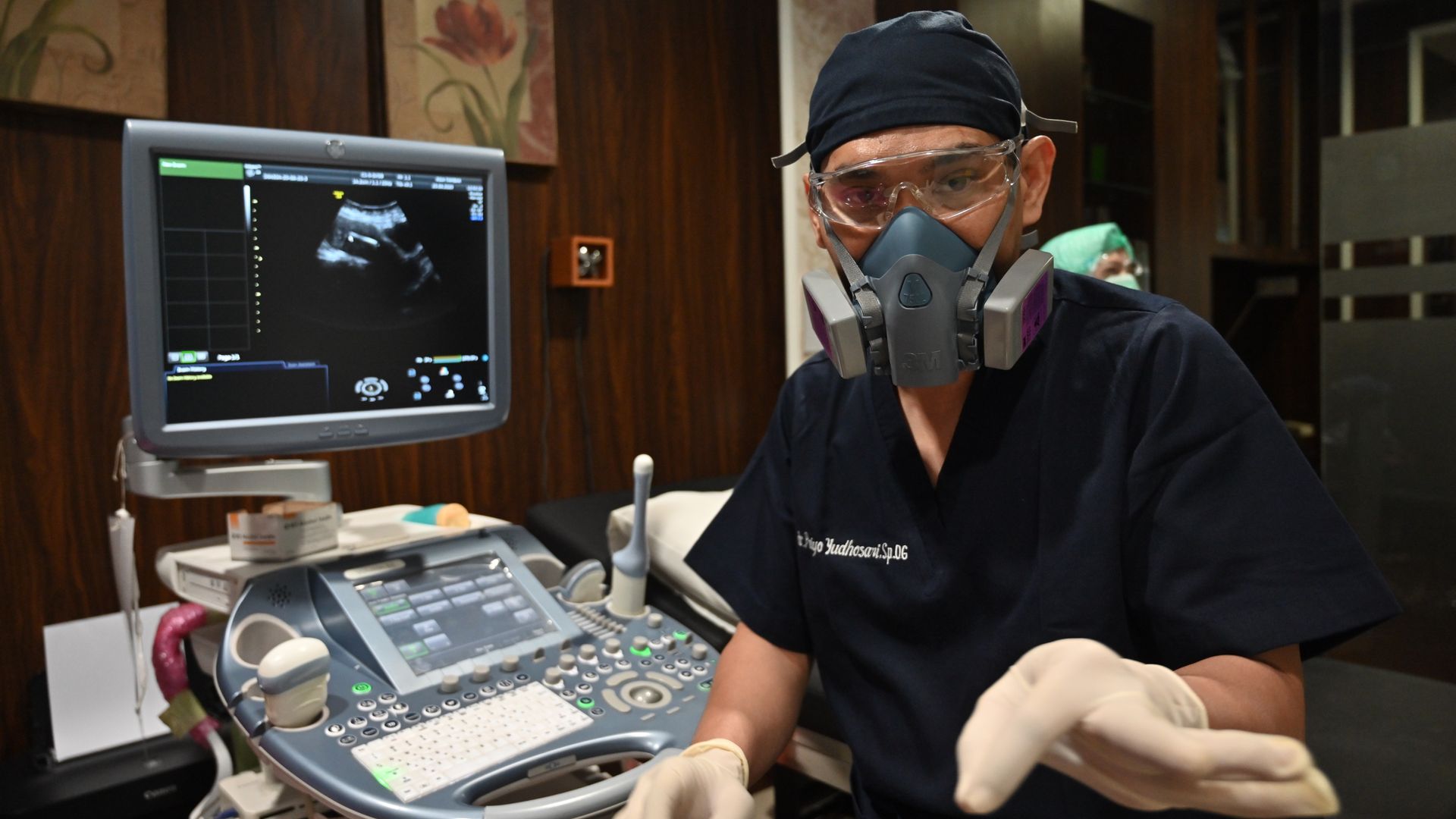
Nearly 12 million women lost access to family planning services including birth control and contraceptives because of the COVID-19 pandemic, the United Nations Population Fund said in a report published Thursday.
Why it matters: The UNPF said the data from 115 low- and middle-income countries shows the disruption for a total of 3.6 months caused by the pandemic over the past year led to 1.4 million "unintended pregnancies."
Multiple states are pressuring the Department of Defense to address its widespread "forever chemical" problem after the Pentagon admitted hundreds of drinking water systems were contaminatedthrough the use of flame-retardant foam at military bases around the country.
Why it matters: As alarm over the health and environmental impact of these chemicals continues to grow, DoD has said that cleaning the pollution and finding the alternative fire-fighting system that Congress has demanded will cost billions of dollars.
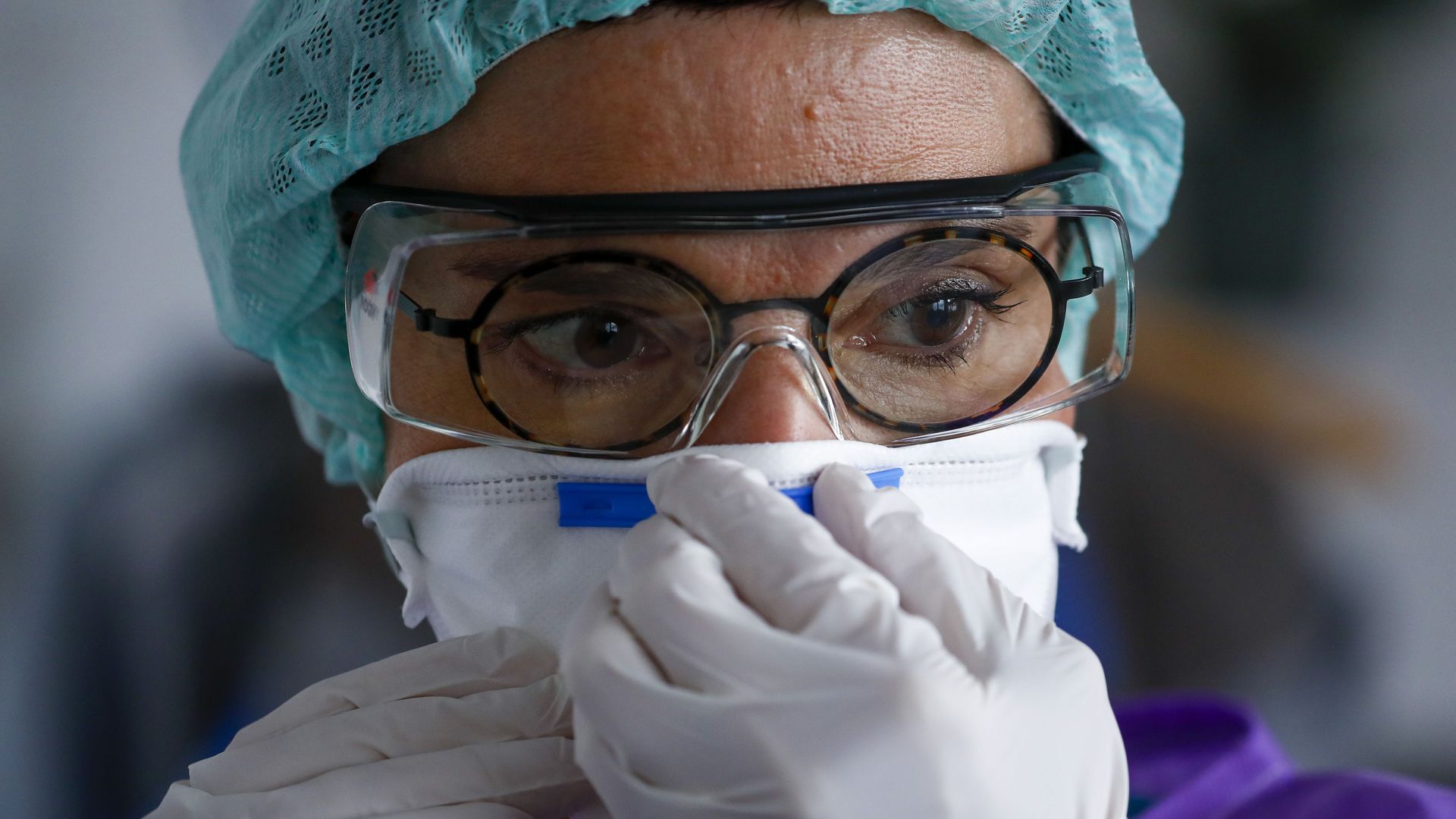
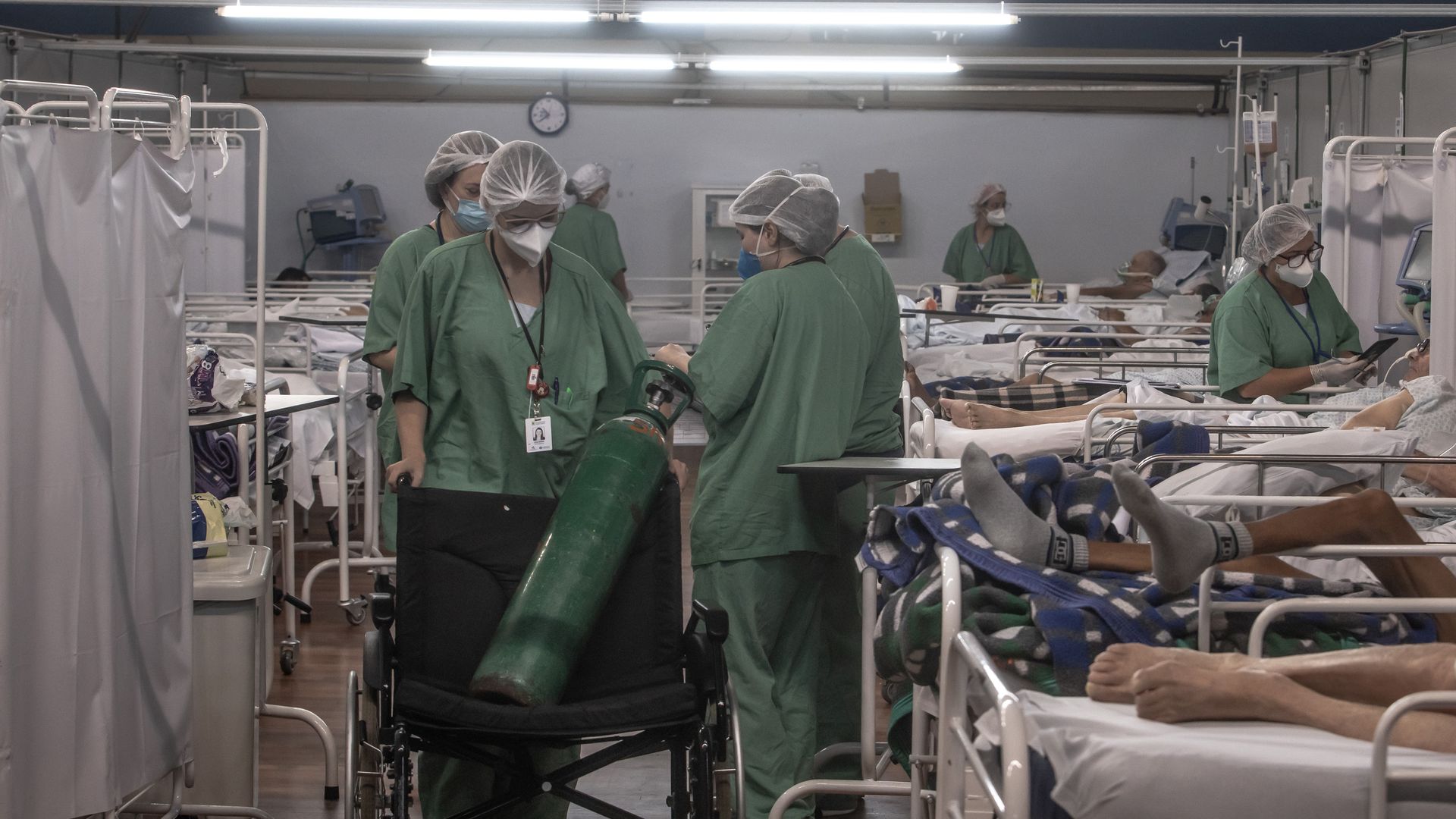
Brazil is facing "overload and even collapse of health systems" because of surging COVID-19 cases, a report by the state-run Fiocruz institute warned Tuesday, as the country set a new daily coronavirus death record.
Driving the news: The institute said over 80% of intensive care unit beds are occupied in 25 of Brazil's 26 state capitals. In Rio de Janeiro, 93% of ICU beds are occupied and Brasília has only 3% available. The cities of Campo Grande (106%) and Porto Alegre (102%) have exceeded capacity.
Alaska will allow anyone in the state over the age of 16 to get the COVID-19 vaccine, Gov. Michael Dunleavy (R) announced Tuesday night, adding the measure is "effective immediately."
Why it matters: Alaska is the first state to allow people under 18 to get vaccinated and the first to remove eligibility requirements.