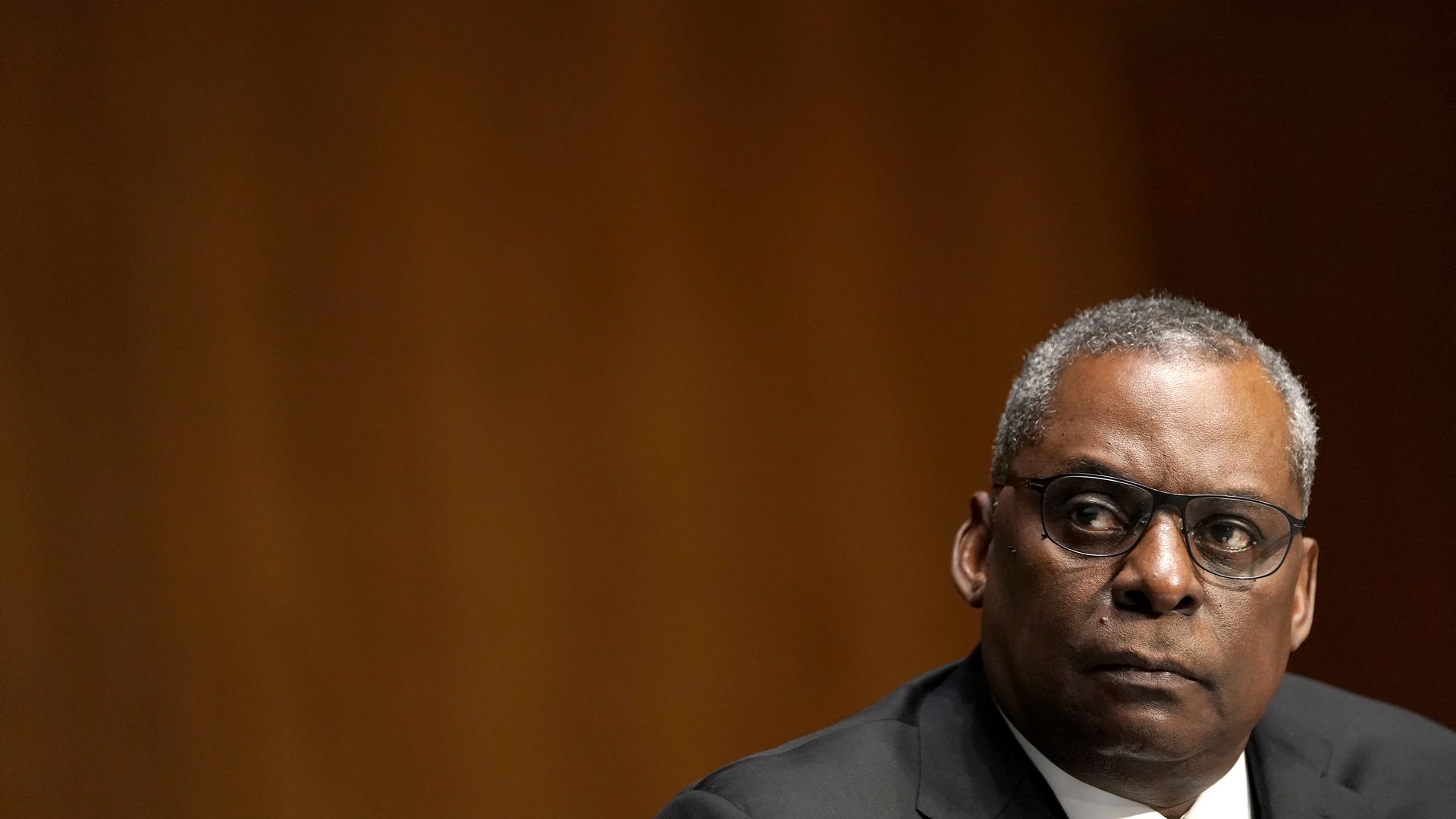
Multiple states are pressuring the Department of Defense to address its widespread "forever chemical" problem after the Pentagon admitted hundreds of drinking water systems were contaminatedthrough the use of flame-retardant foam at military bases around the country.
Why it matters: As alarm over the health and environmental impact of these chemicals continues to grow, DoD has said that cleaning the pollution and finding the alternative fire-fighting system that Congress has demanded will cost billions of dollars.
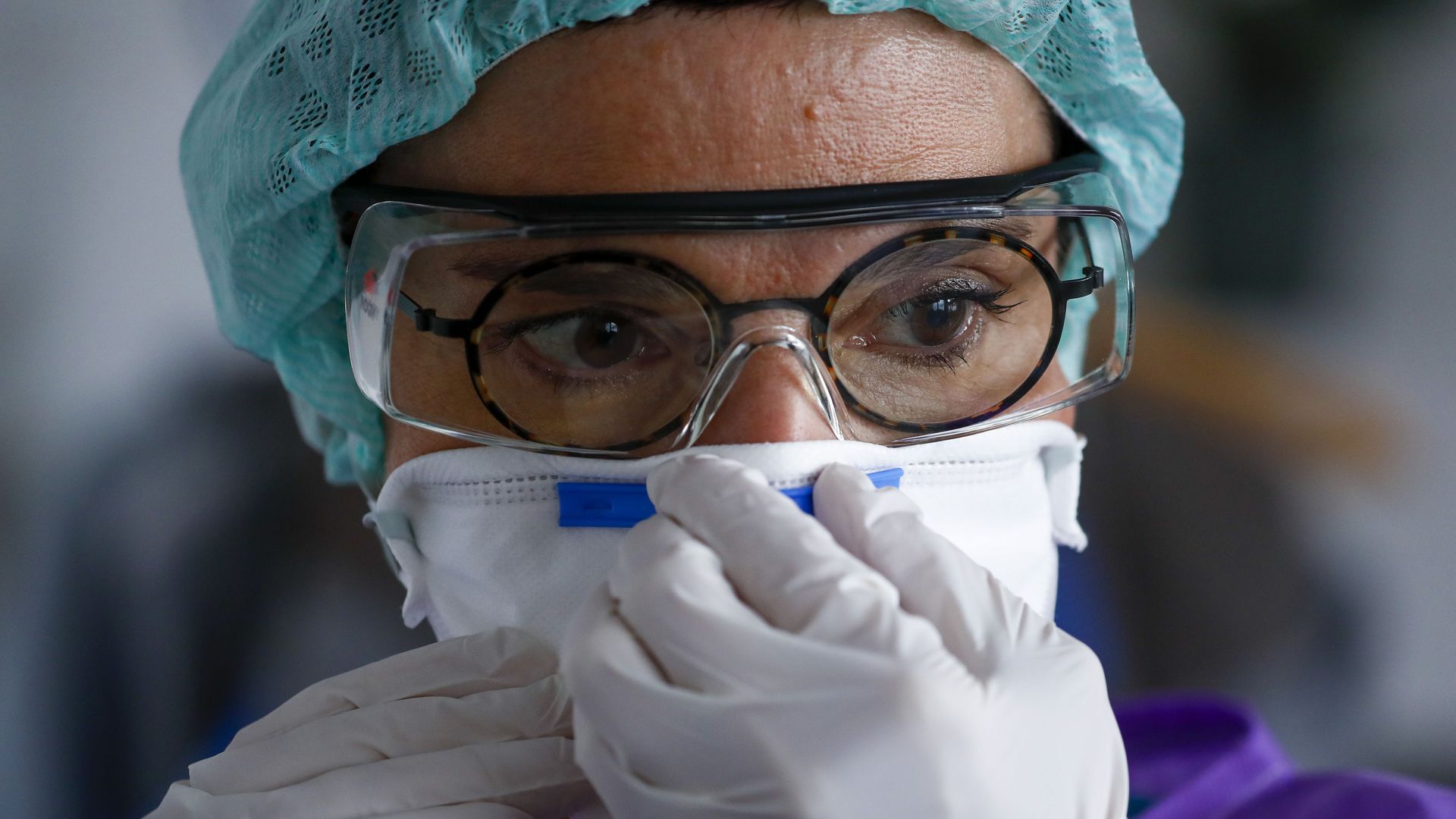
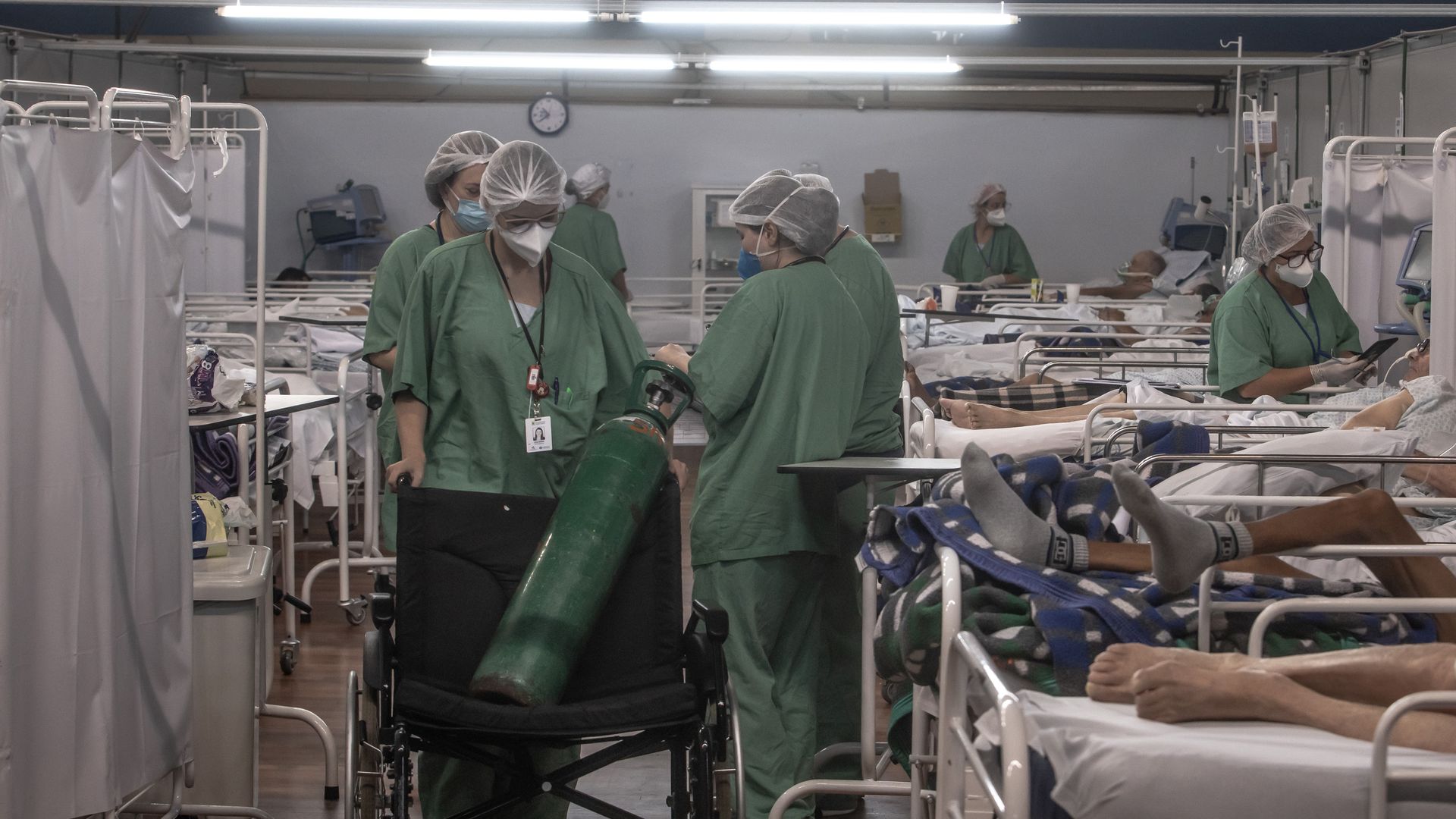
Brazil is facing "overload and even collapse of health systems" because of surging COVID-19 cases, a report by the state-run Fiocruz institute warned Tuesday, as the country set a new daily coronavirus death record.
Driving the news: The institute said over 80% of intensive care unit beds are occupied in 25 of Brazil's 26 state capitals. In Rio de Janeiro, 93% of ICU beds are occupied and Brasília has only 3% available. The cities of Campo Grande (106%) and Porto Alegre (102%) have exceeded capacity.
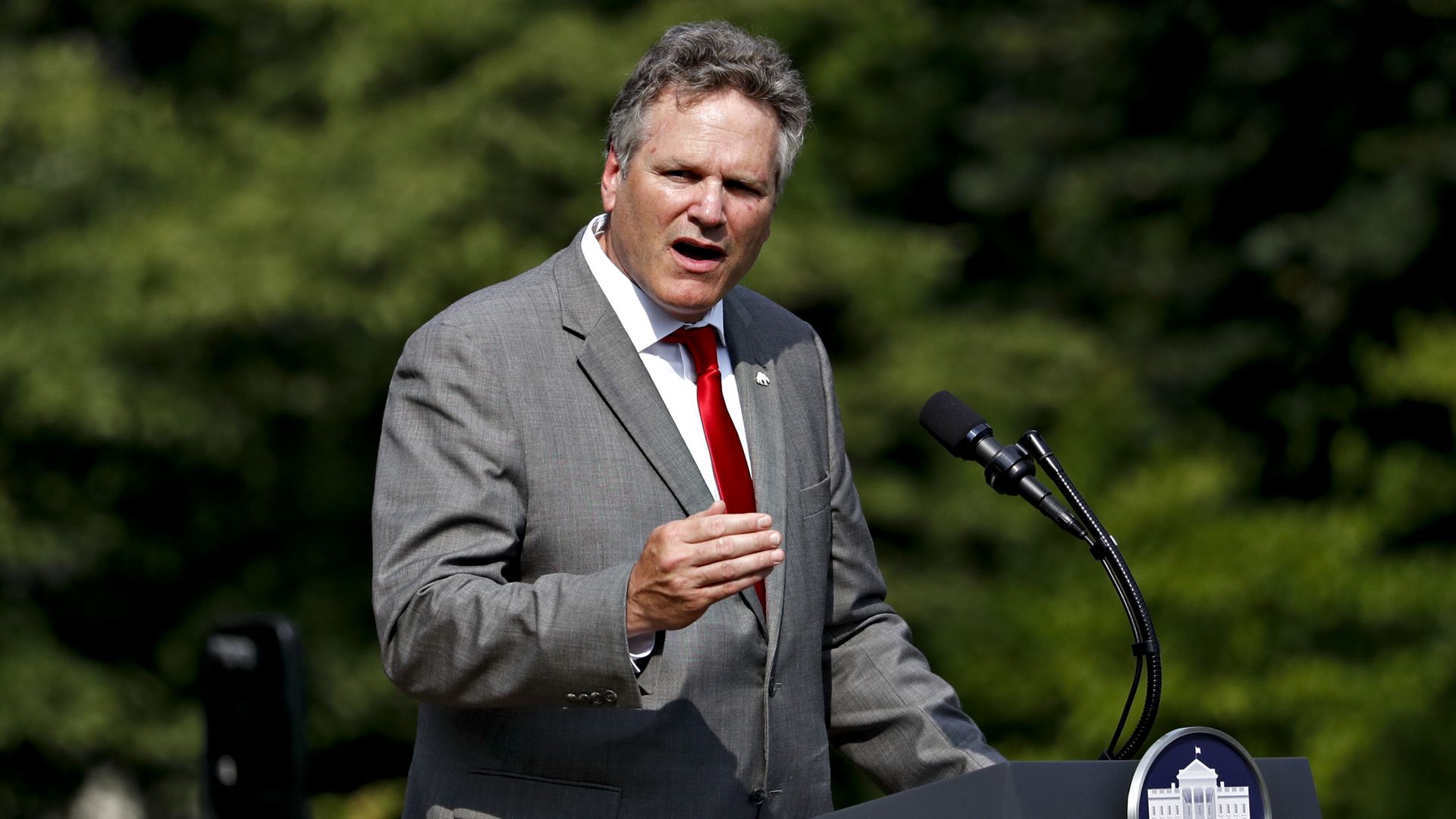
Alaska will allow anyone in the state over the age of 16 to get the COVID-19 vaccine, Gov. Michael Dunleavy (R) announced Tuesday night, adding the measure is "effective immediately."
Why it matters: Alaska is the first state to allow people under 18 to get vaccinated and the first to remove eligibility requirements.
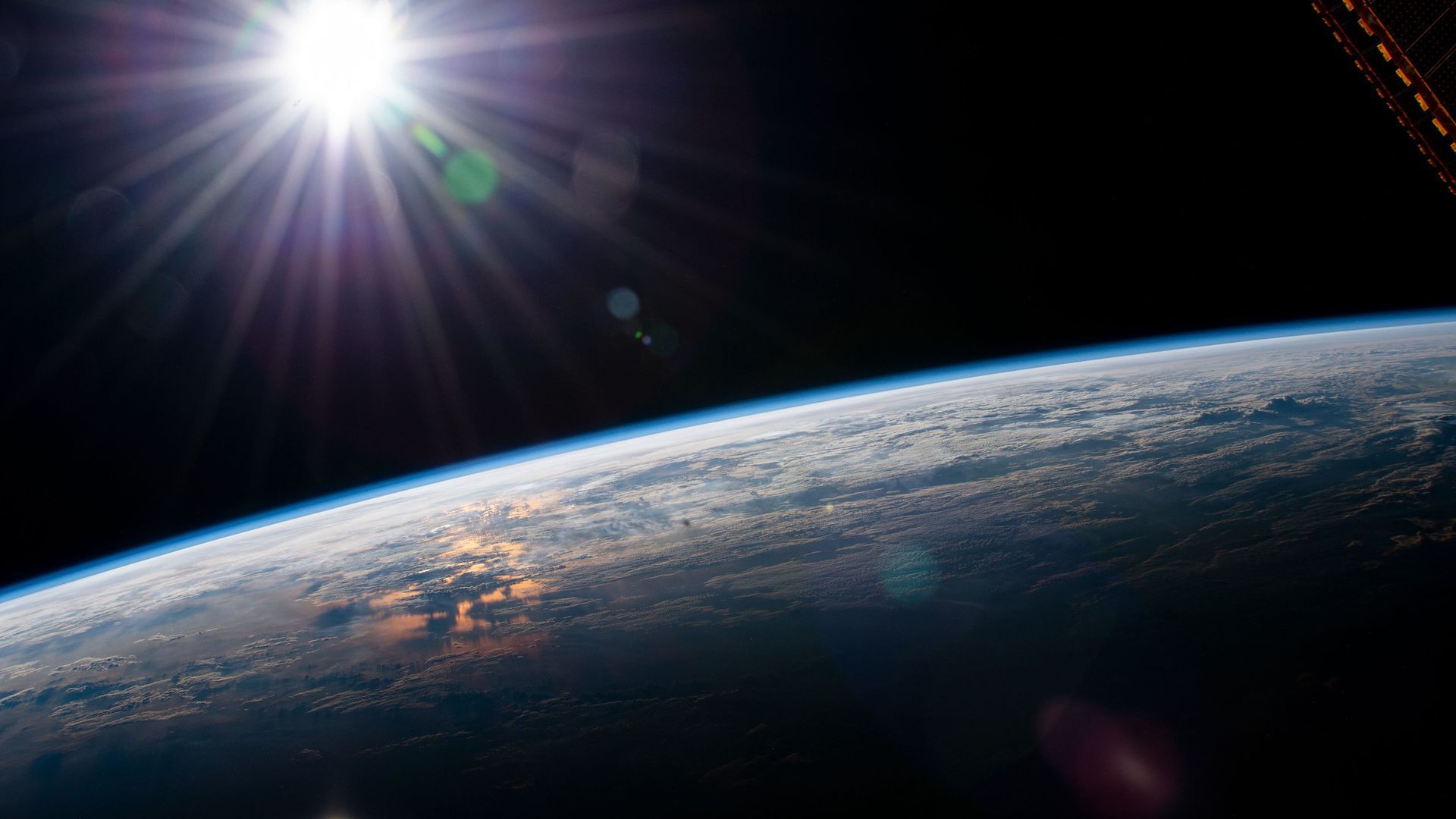
For the first time, scientists spotted a "space hurricane" — a mass of plasma hundreds of miles above the North Pole, raining electrons, not water — using satellite data from 2014.
Why it matters: The new finding could help scientists learn more about how the Sun affects Earth's atmosphere, gathering more details on how space weather might harm satellites and other objects in orbit.
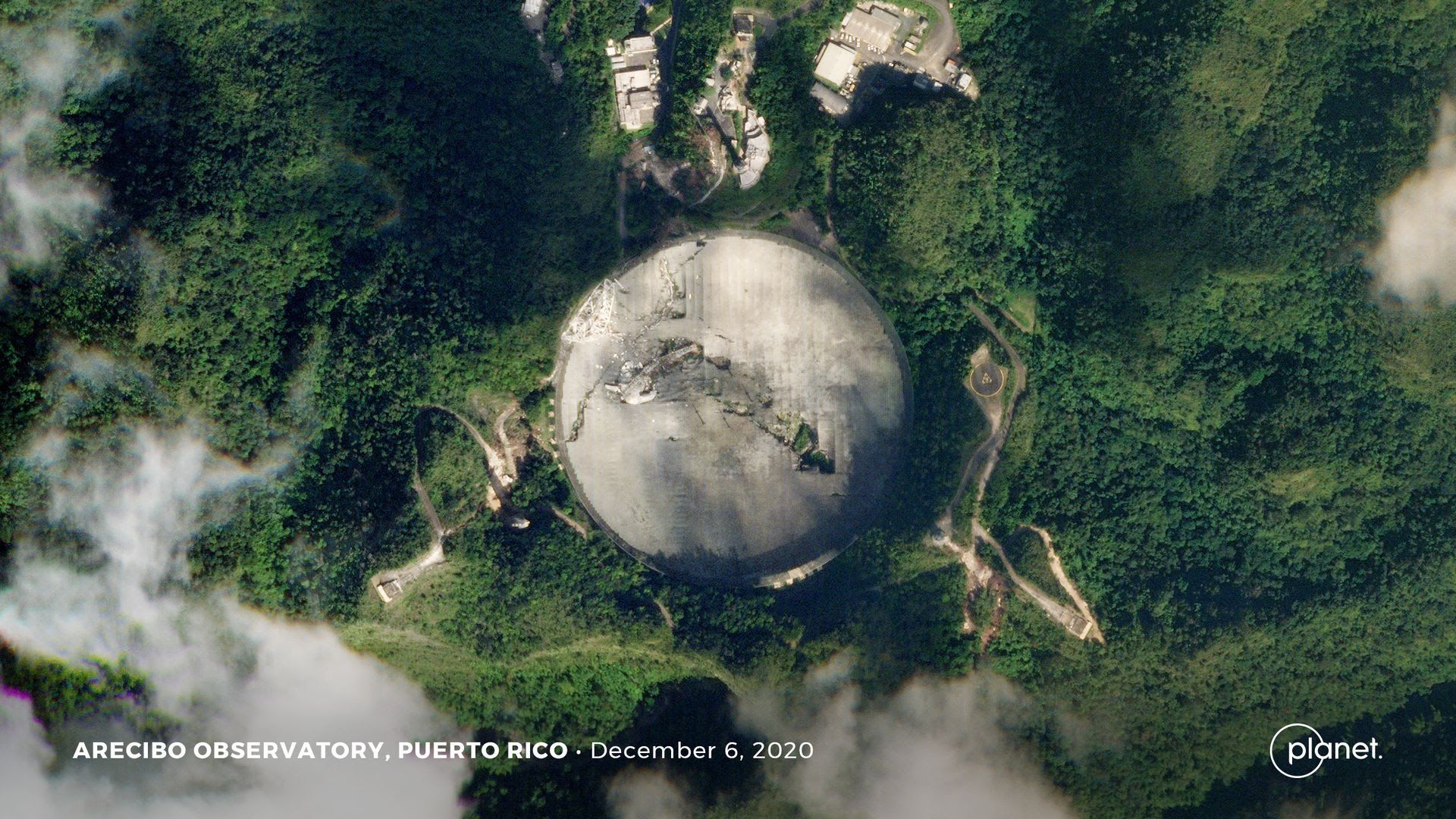
It will take between $30 million and $50 million to clean up the damage caused by the uncontrolled collapse of the Arecibo telescope in Puerto Rico, according to a new report from the National Science Foundation.
Why it matters: The telescope — which collapsed in December 2020 — was key to many scientific discoveries, including the search for life and other planets in the universe, during its decades of use.
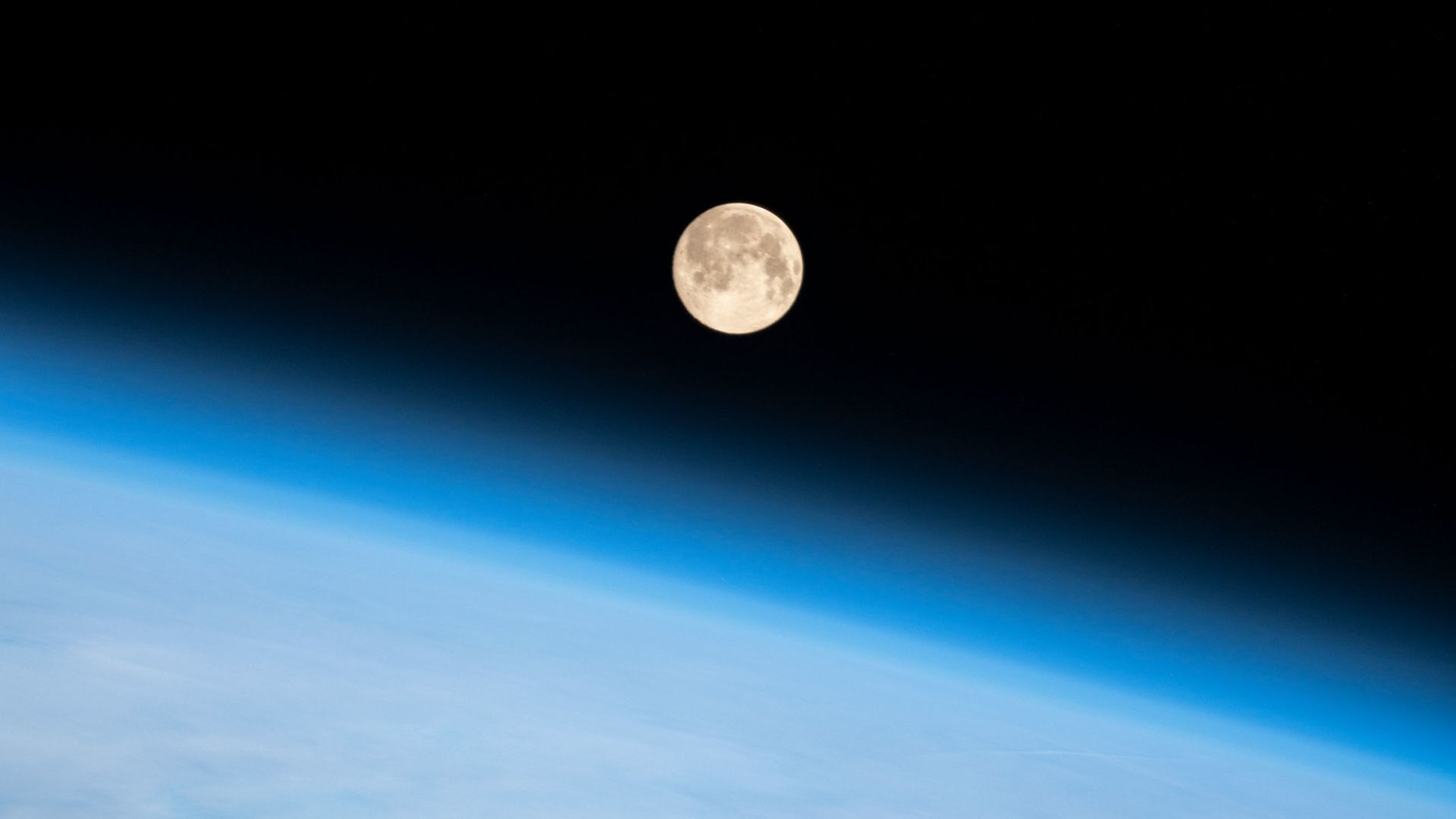
Russia and China today announced that the two nations plan to cooperate to create a scientific research station on the Moon.
Why it matters: Countries are turning their attention to landing people on the Moon in the coming years, and this partnership between China and Russia — a long-time U.S. partner in space — shows just how much the geopolitical landscape in space is changing.
Wealthy private citizens are increasingly becoming the arbiters of who can go to space — and some of them want to bring the average person along for the ride.
Why it matters: Space is being opened up to people who wouldn't have had the prospect of flying there even five years ago, but these types of missions have far-reaching implications for who determines who gets to make use of space and for what.