COVID-19 survivors tend to have a roughly tenfold increase in protection against the virus, according to a government-funded study published Wednesday.
Why it matters: There have been some documented cases of reinfection leading to concern survivors don't gain any immunity. While there remain questions on how much or how long immunity lasts and what the impact of variants will be, this large set of observational data bolsters evidence there's some protection.
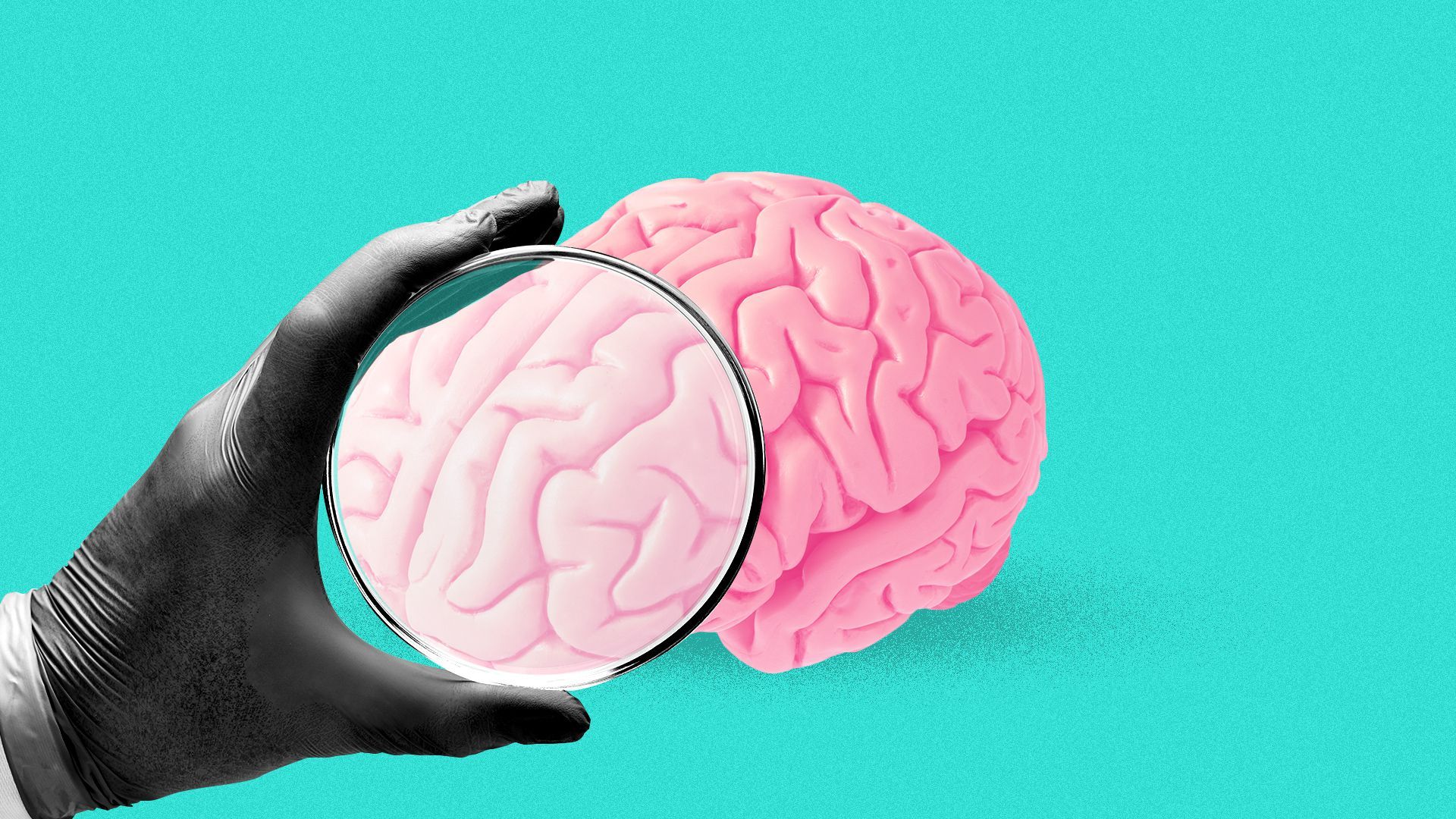
Clumps of brain cells grown in the lab provide a way to study the organ that is central to our species but is largely inaccessible in living people.
Why it matters: Brain-related disorders — from autism spectrum disorders to schizophrenia to Parkinson's disease — are a leading contributor to disability in people around the world. These purposefully grown brain-like tissues, called organoids, have the potential to help researchers better understand them.
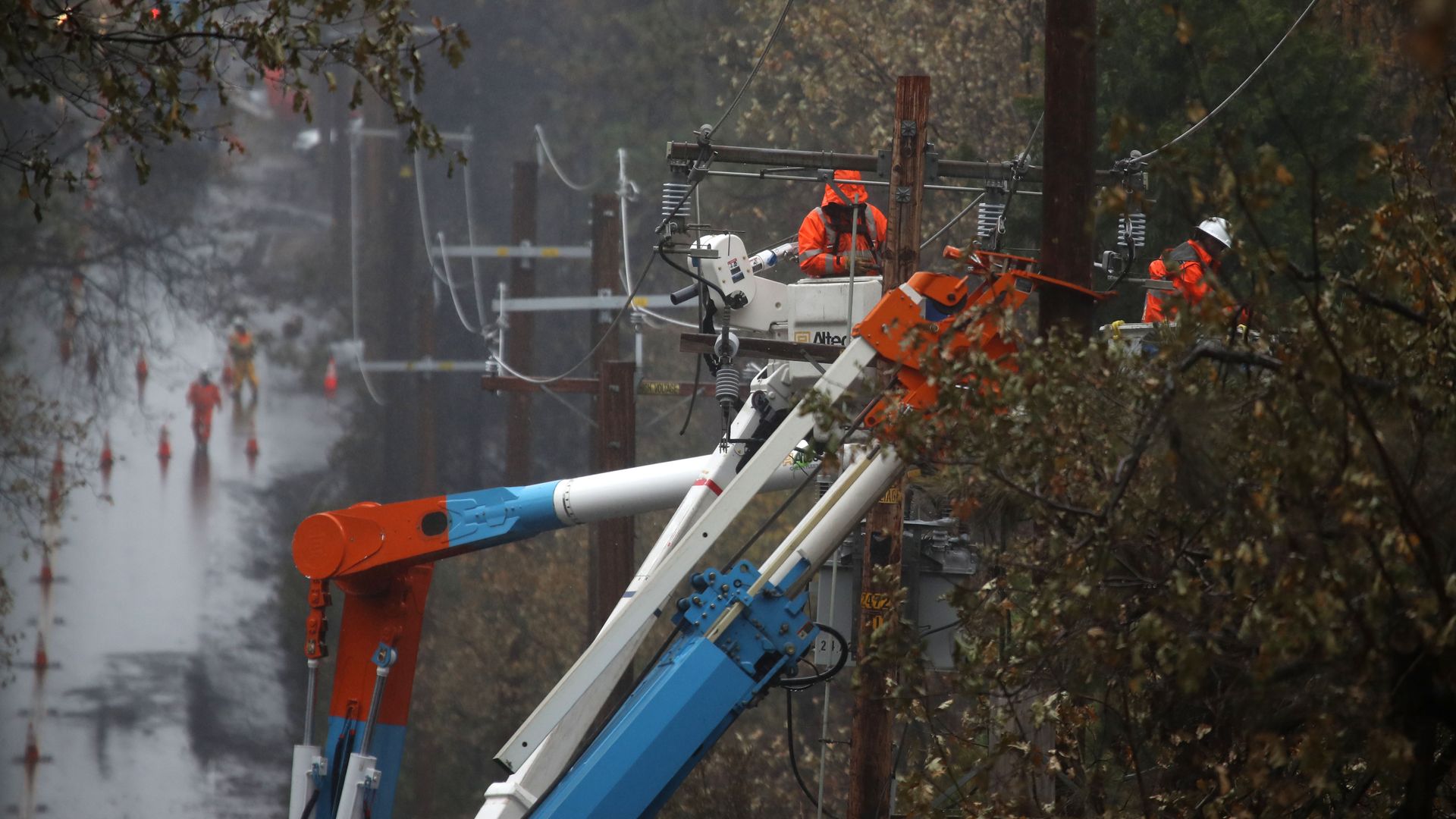
A trust representing over 80,000 victims of deadly Northern California wildfires ignited by Pacific Gas and Electric's (PG&E) electrical grid filed a lawsuit Wednesday against almost two dozen of its former executives for alleged neglect.
Why it matters: The suit, filed in the San Francisco Superior Court, accuses them of "dereliction of duty" by allegedly failing to ensure the equipment would not kill people.
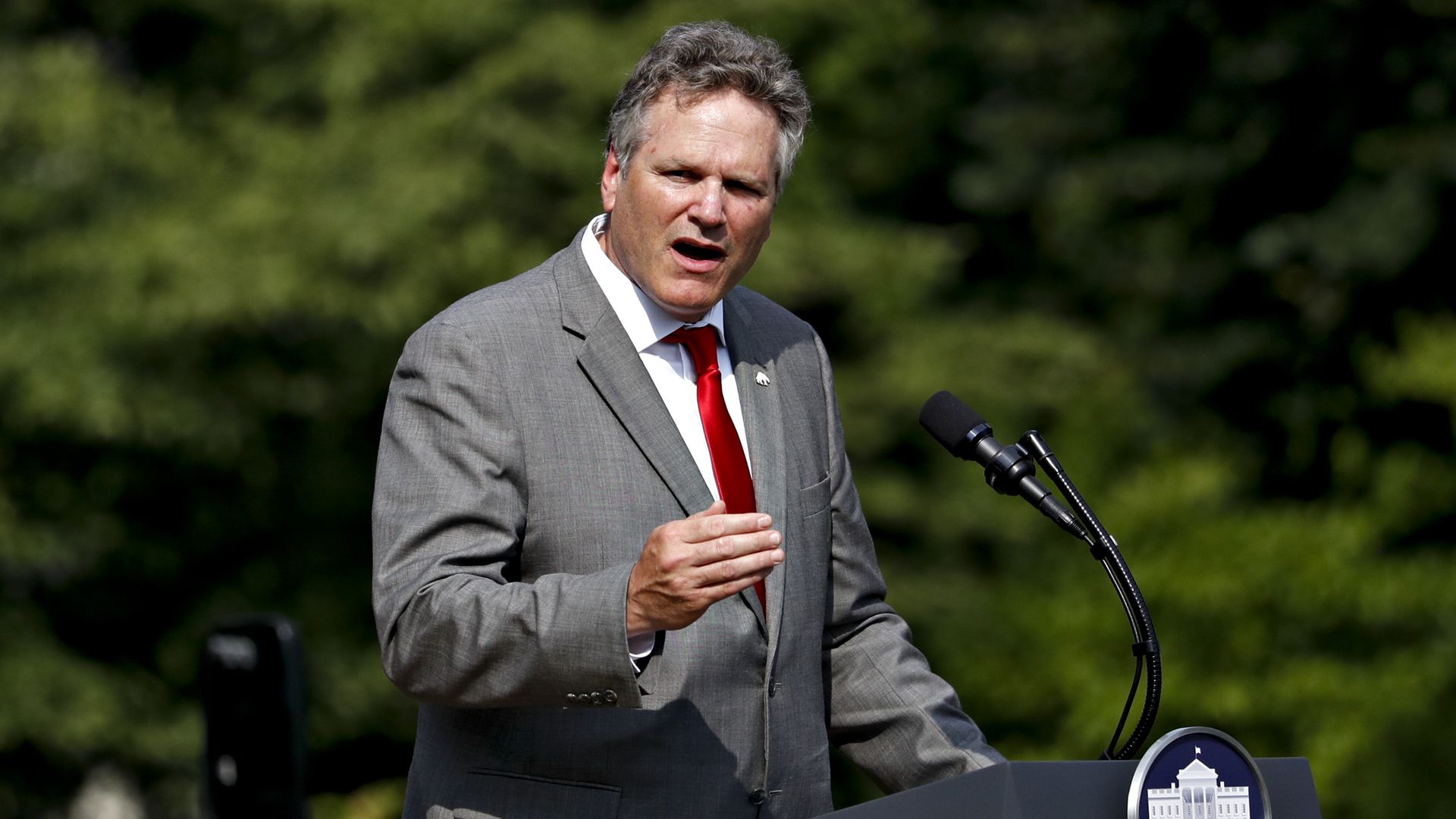
Alaska Gov. Mike Dunleavy (R) tested positive for COVID-19 Wednesday and is isolating at home with mild symptoms, his office announced.
Details: Dunleavy originally got tested after being identified as a close contact to someone who contracted the virus and returned a negative result Sunday morning, per a statement. He still went into quarantine in his home in Wasilla, just north of Anchorage.