A small percentage of people — called superspreaders — may be responsible for a large number of COVID-19 infections, research is starting to indicate.
Why it matters: While there's no method to detect who these people are before they infect others, there are ways to control behaviors that cause superspreading events — a key issue as states start to reopen and debate what types of events are OK.
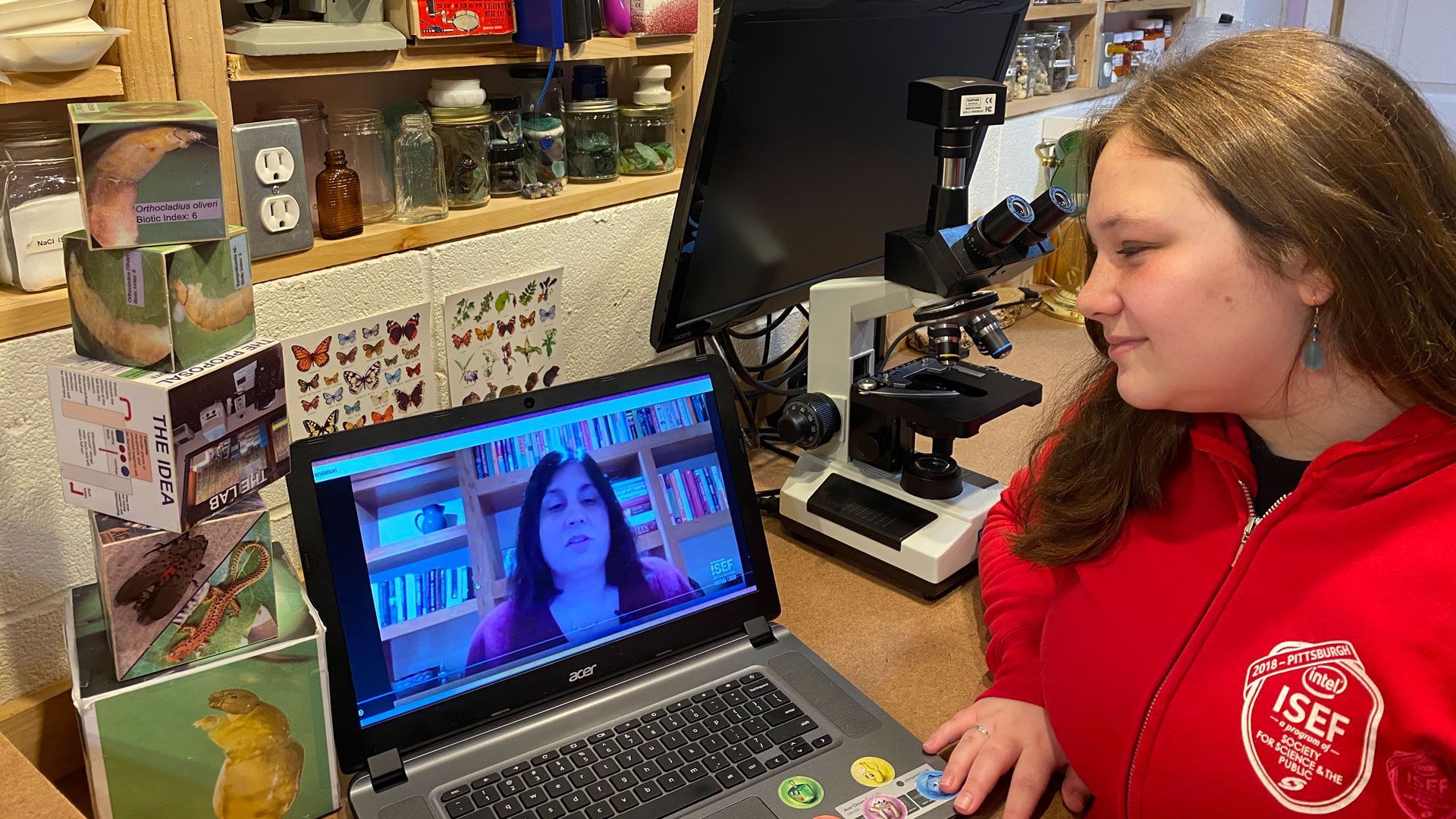
Modern high school science fair projects are a long way from model volcanoes — they can nowfeature DNA sequencing, 3D printers, and other technologies from the pages of scientific and technical journals. But for all the cutting-edge science, most fairs are still held in person — or were, until the coronavirus pandemic forced many to go virtual this year.
Why it matters: Science fairs are the culmination of at least months of work for many high school students and can connect them to lifelong friends and opportunities.
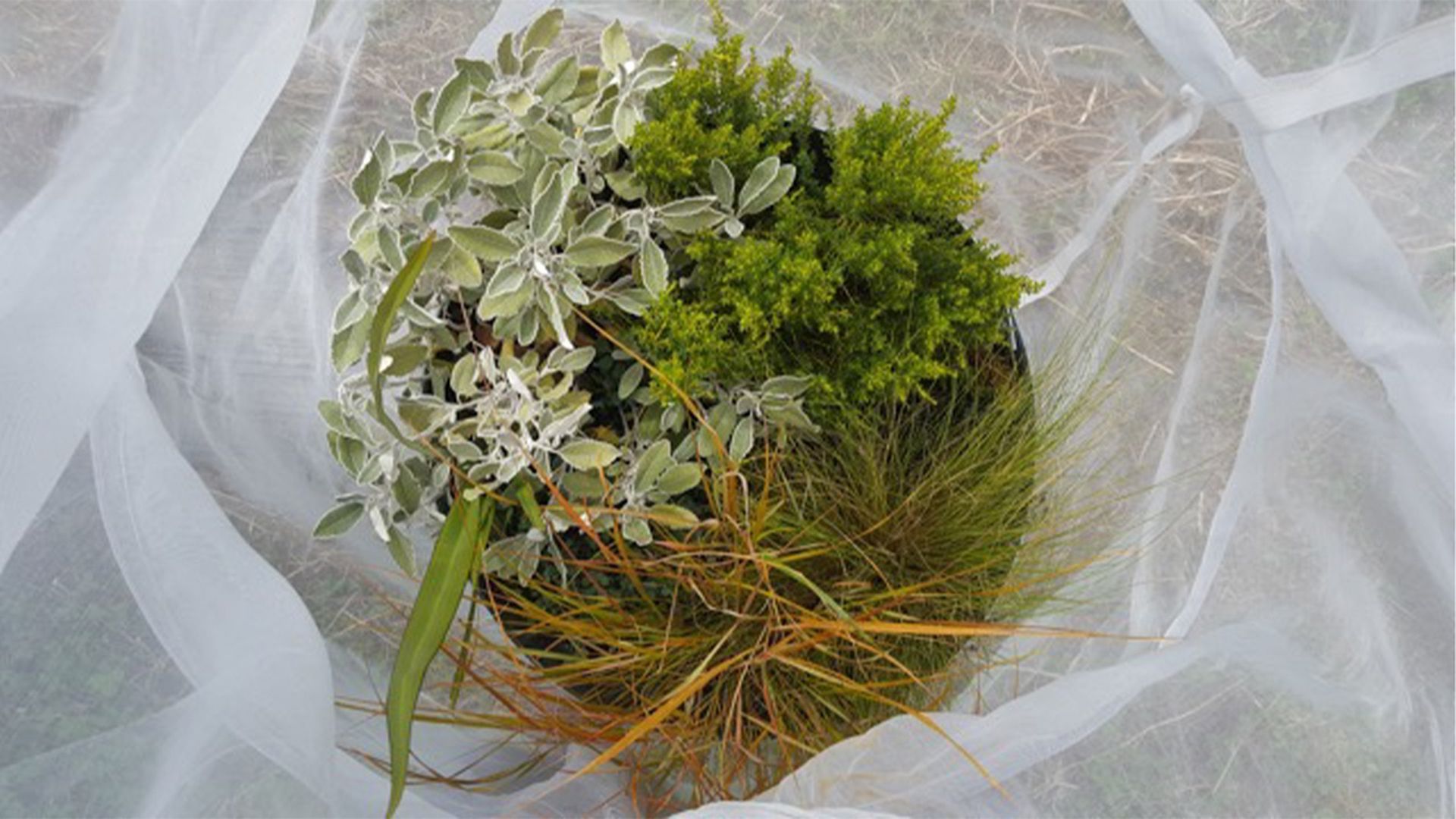
Invasive plants can interact differently with local insects and microbes in the soil, releasing more carbon dioxide into the atmosphere than native plants, according to new research in Science.
Why it matters: The cycling of carbon between the land and atmosphere is a key process in the regulation of Earth's climate and global temperature. Understanding how — and how much — nonnative plants alter that carbon cycle is important for climate forecasting and efforts to restore ecosystems and address climate change.
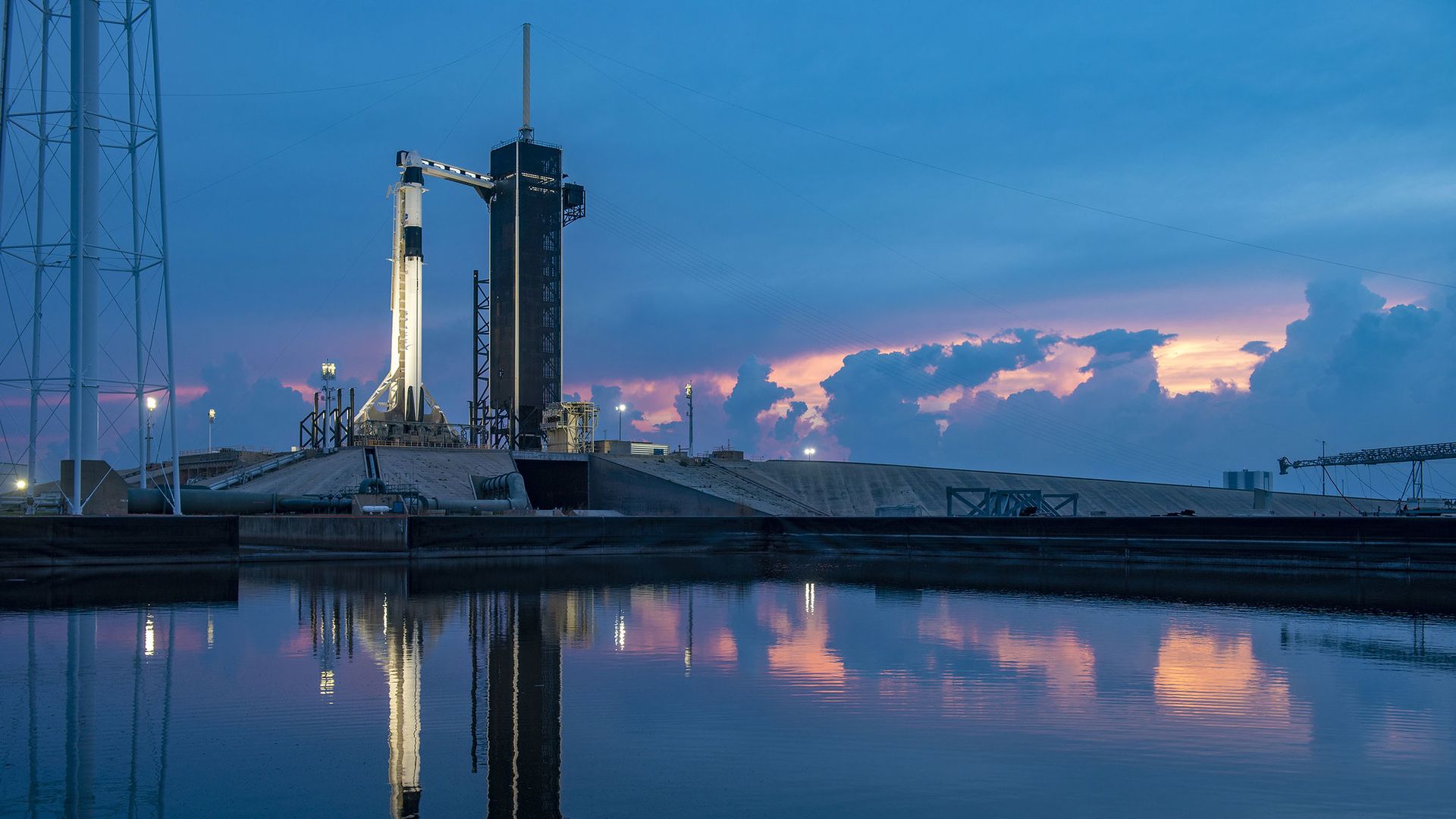
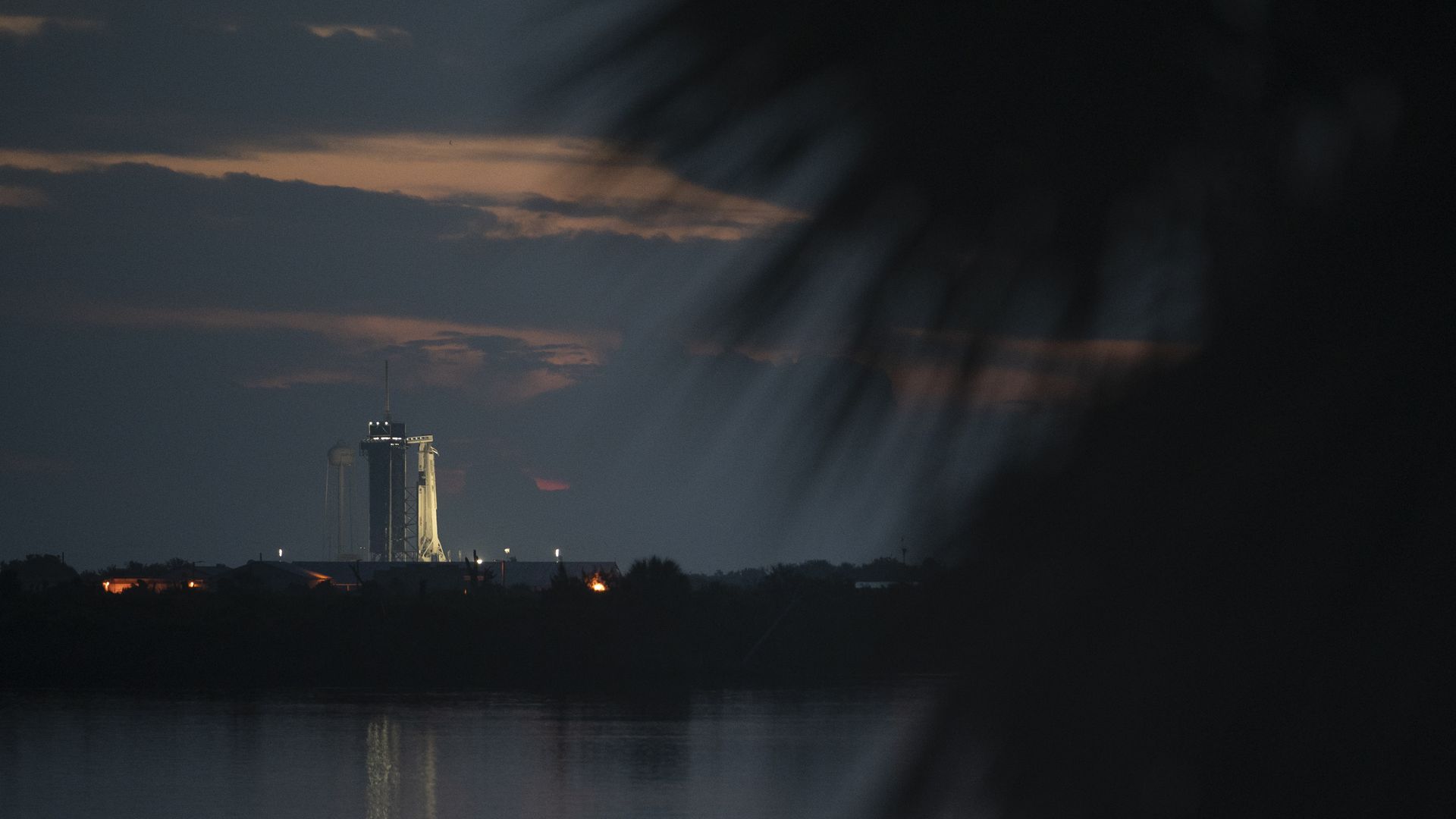
SpaceX's attempt to launch NASA astronauts Doug Hurley and Bob Behnken has been postponed due to weather. They could attempt to launch again as soon as Saturday.
Why it matters: If all goes well, the launch — now expected to happen at 3:22 p.m. ET on Saturday — will mark the first time a private company has successfully launched people to orbit and the first crewed, orbital rocket launch from the U.S. in 9 years.
SpaceX and NASA have postponed the company's first crewed flight from Cape Canaveral because of bad weather. The next launch opportunity could be as soon as Saturday.
Why it matters: If successful, the launch will be the first time a private company has sent people to orbit and the first crewed launch from the U.S. since the end of the space shuttle program in 2011.
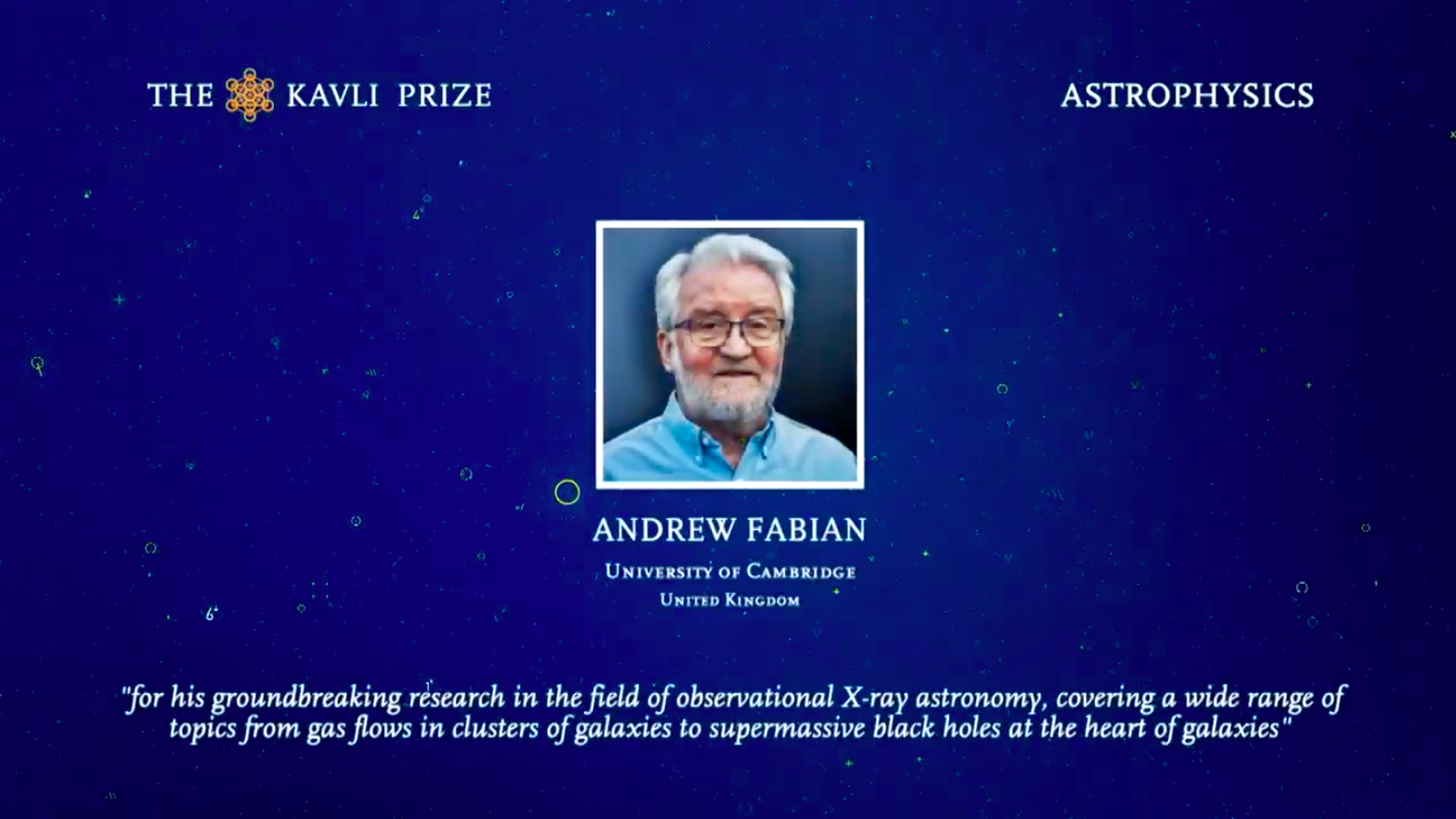
Seven scientists from five countries received the Kavli Prize on Wednesday for their discoveries in astrophysics, nanoscience and neuroscience.
Why it matters: They were rewarded for their research on how black holes interact with galaxies, inventions that made electron microscopes even more precise and the discovery of how temperature and pressure are detected by the body and signaled to the brain.
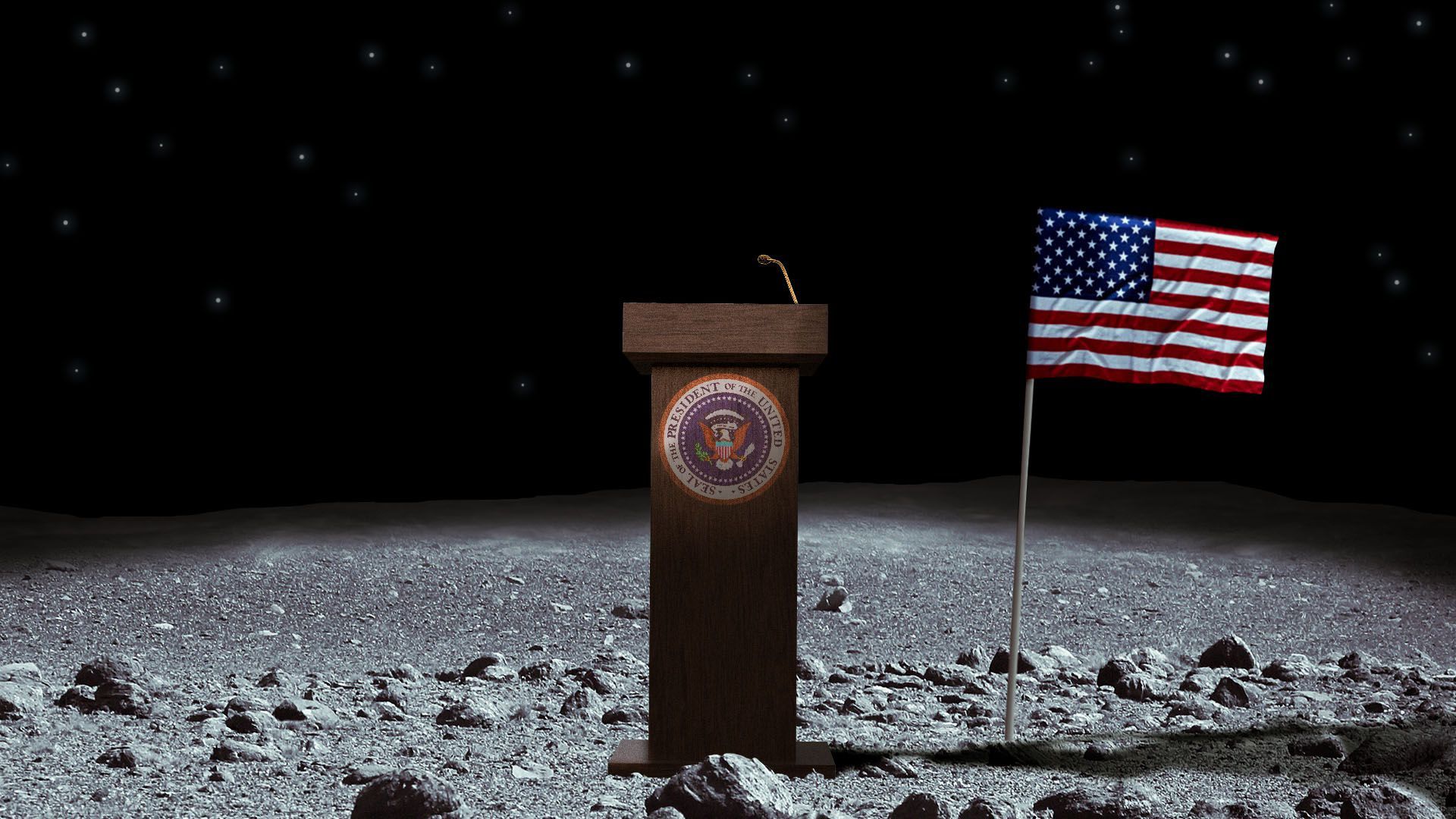
President Trump's exuberance around today's scheduled SpaceX launch — including his decision to travel to Florida to watch — goes beyond a personal fascination with astronauts, rockets, and how to make money and wield power in the next frontier.
The bottom line: There's a presidential election in November, and the U.S. space program enjoys wide support across party lines. It's good politics for Trump, at least for now.