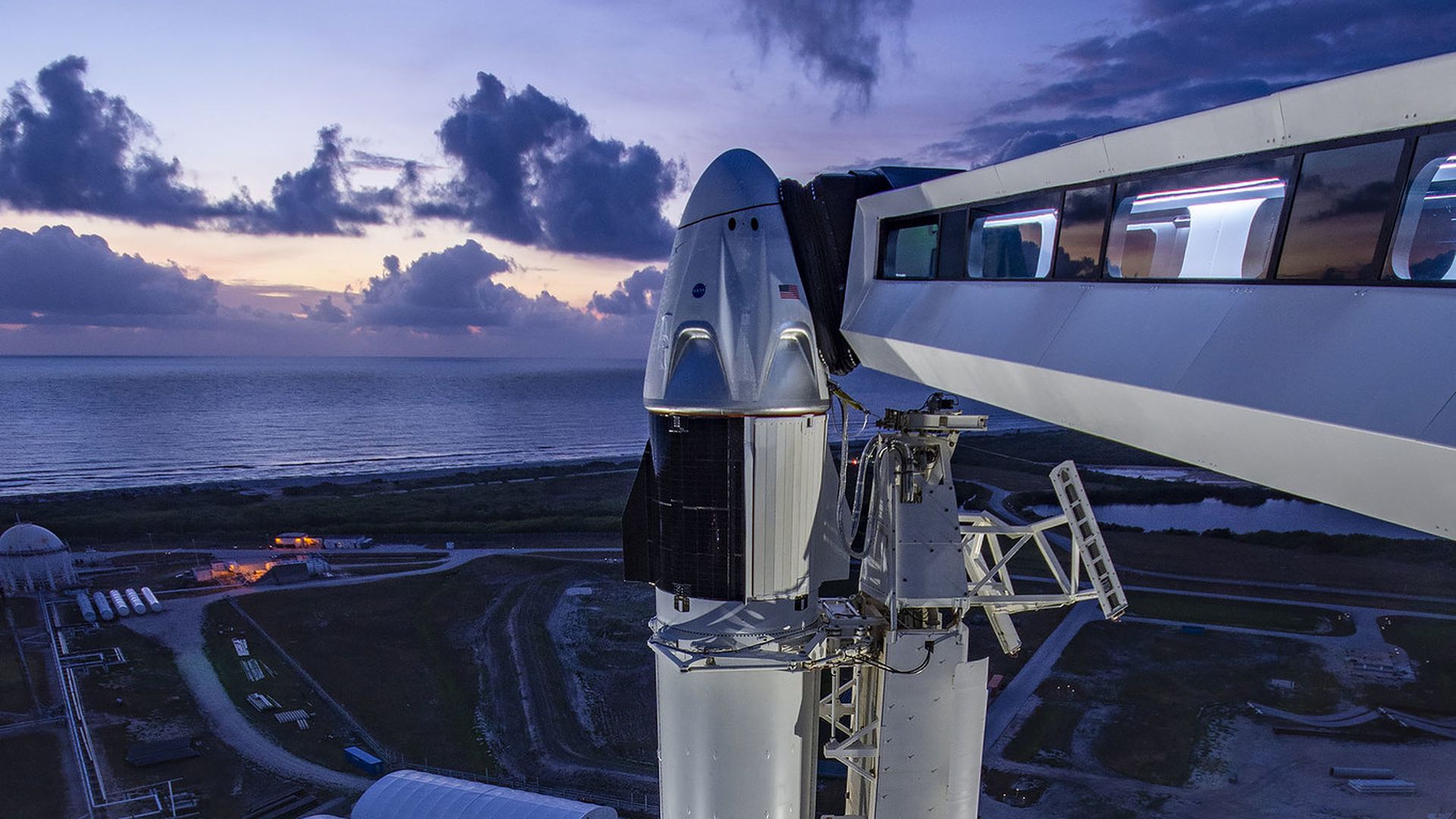
SpaceX plans to attempt to launch NASA astronauts to orbit for the first time on Saturday, if the weather cooperates.
Why it matters: If it works, this launch will mark the first time a private company has sent humans to orbit, and could be the beginning of the end of NASA's reliance on Russia for flights to and from the International Space Station.
A small percentage of people — called superspreaders — may be responsible for a large number of COVID-19 infections, research is starting to indicate.
Why it matters: While there's no method to detect who these people are before they infect others, there are ways to control behaviors that cause superspreading events — a key issue as states start to reopen and debate what types of events are OK.
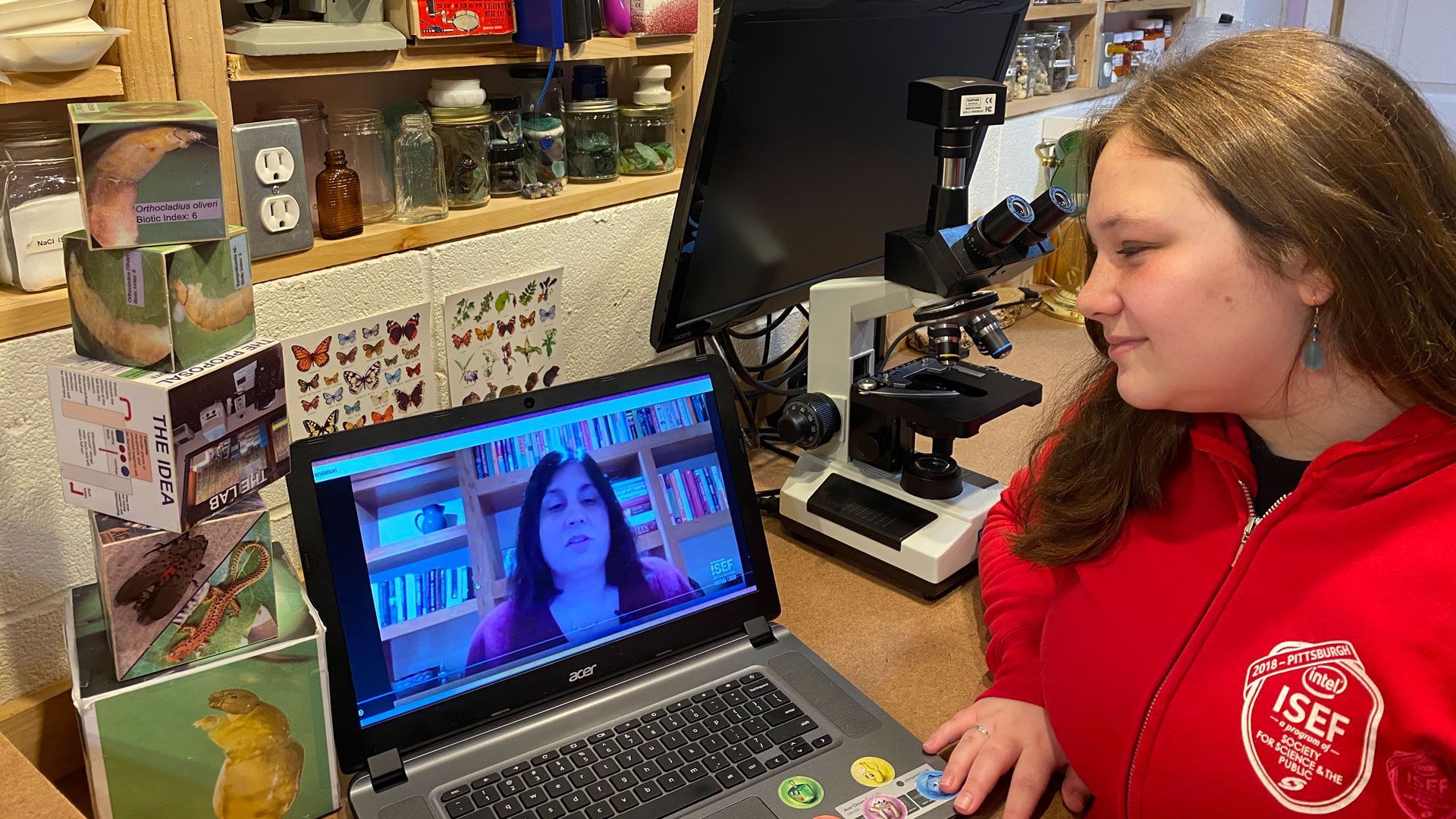
Modern high school science fair projects are a long way from model volcanoes — they can nowfeature DNA sequencing, 3D printers, and other technologies from the pages of scientific and technical journals. But for all the cutting-edge science, most fairs are still held in person — or were, until the coronavirus pandemic forced many to go virtual this year.
Why it matters: Science fairs are the culmination of at least months of work for many high school students and can connect them to lifelong friends and opportunities.
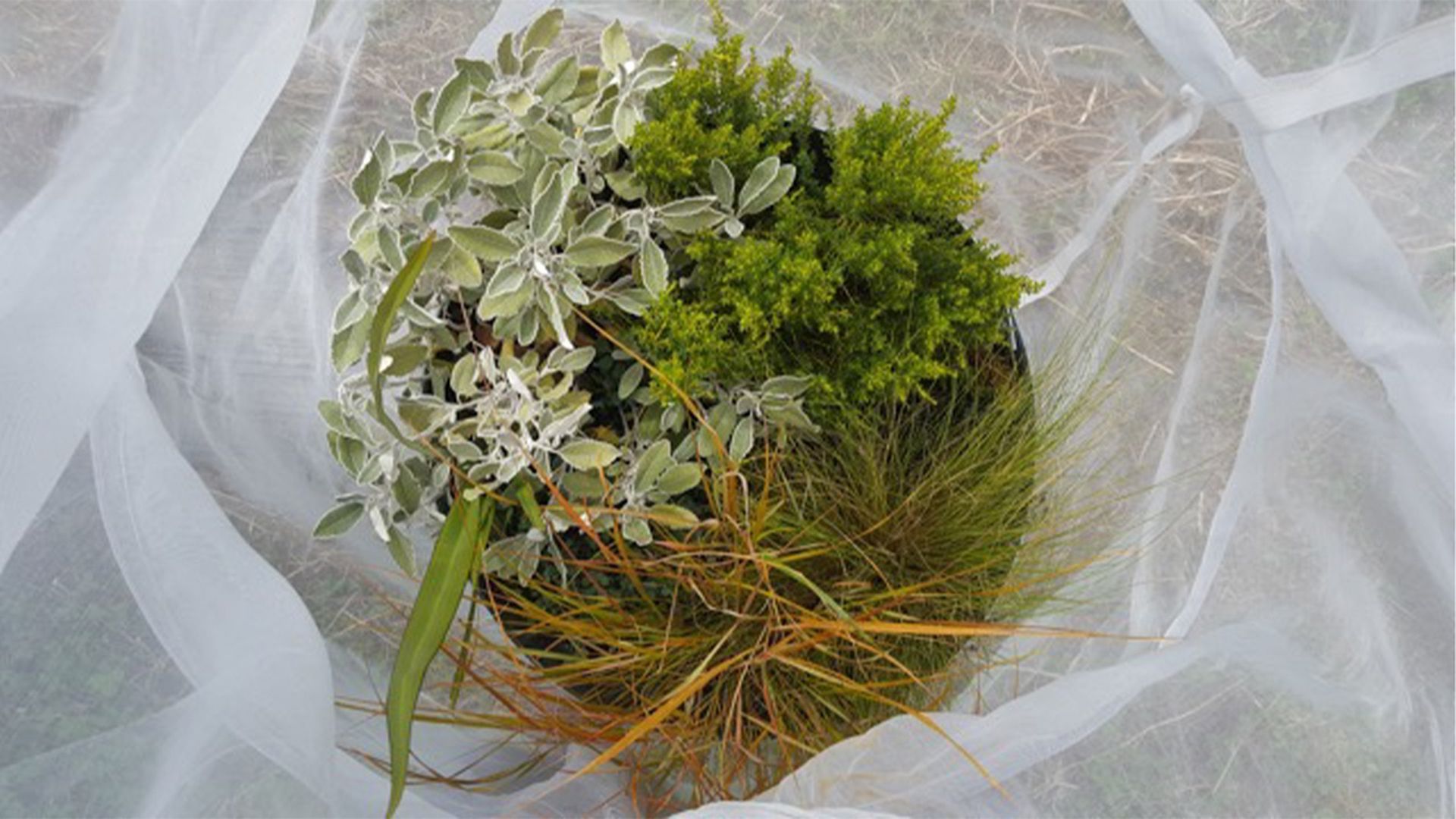
Invasive plants can interact differently with local insects and microbes in the soil, releasing more carbon dioxide into the atmosphere than native plants, according to new research in Science.
Why it matters: The cycling of carbon between the land and atmosphere is a key process in the regulation of Earth's climate and global temperature. Understanding how — and how much — nonnative plants alter that carbon cycle is important for climate forecasting and efforts to restore ecosystems and address climate change.