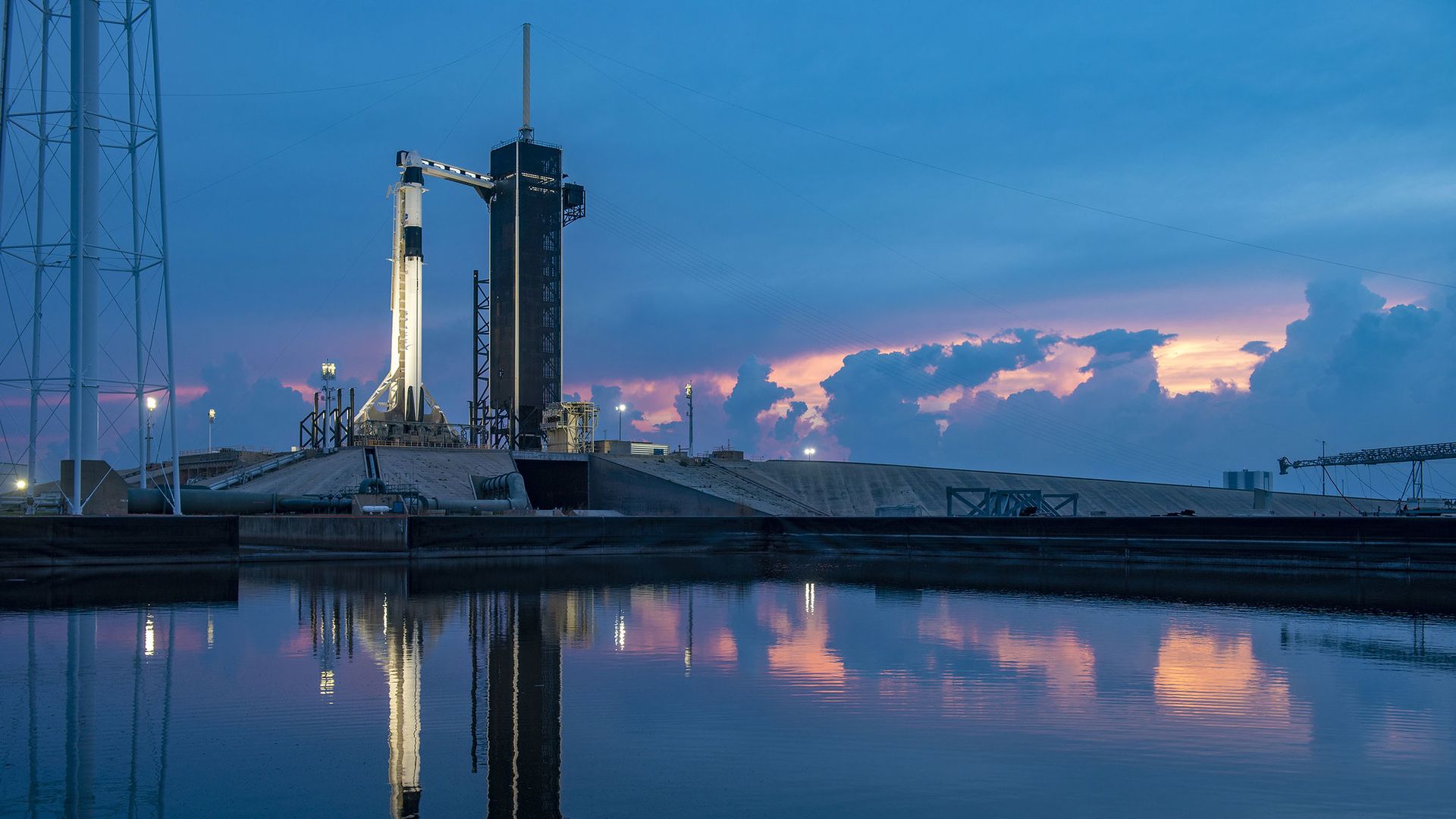
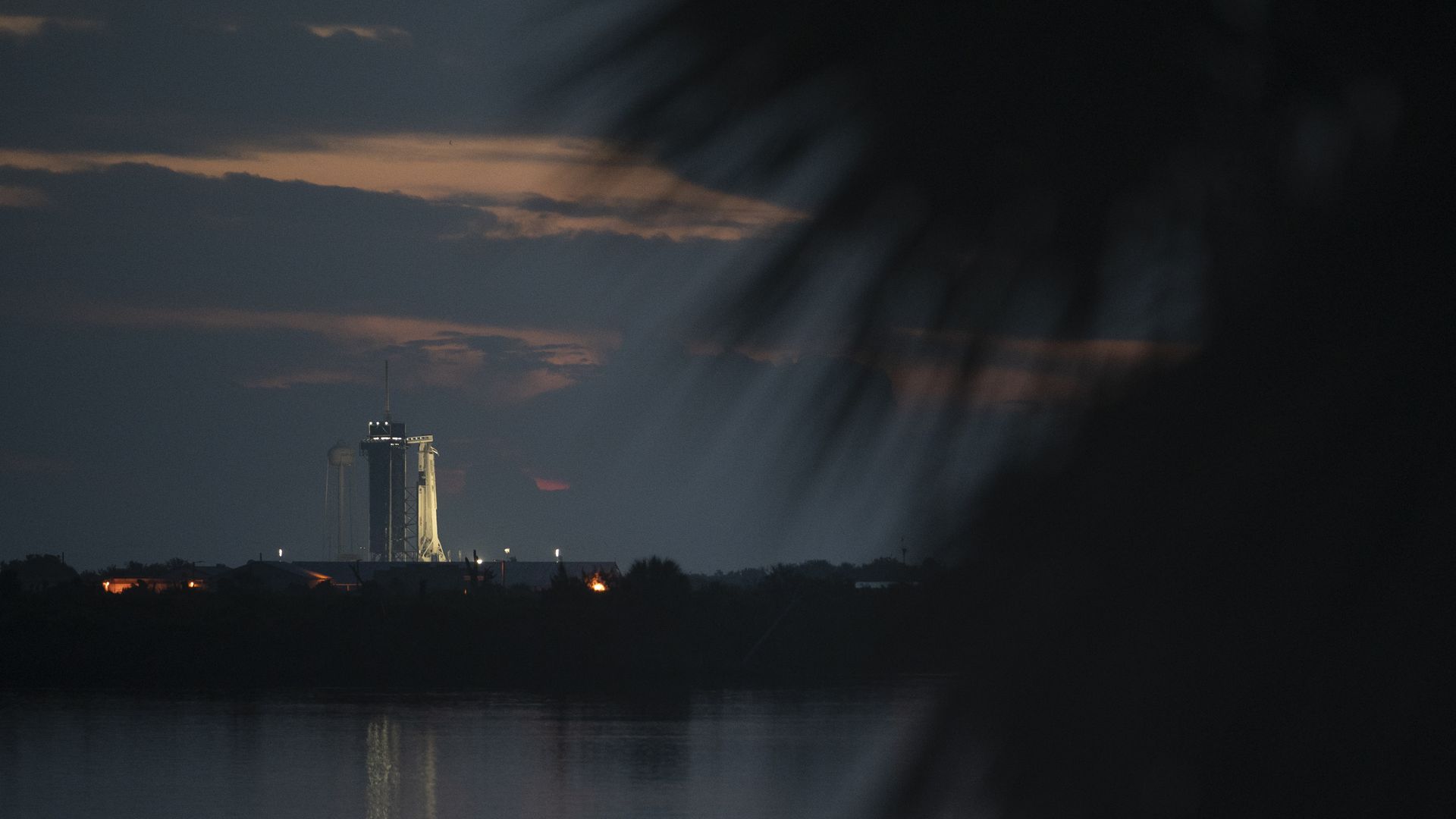
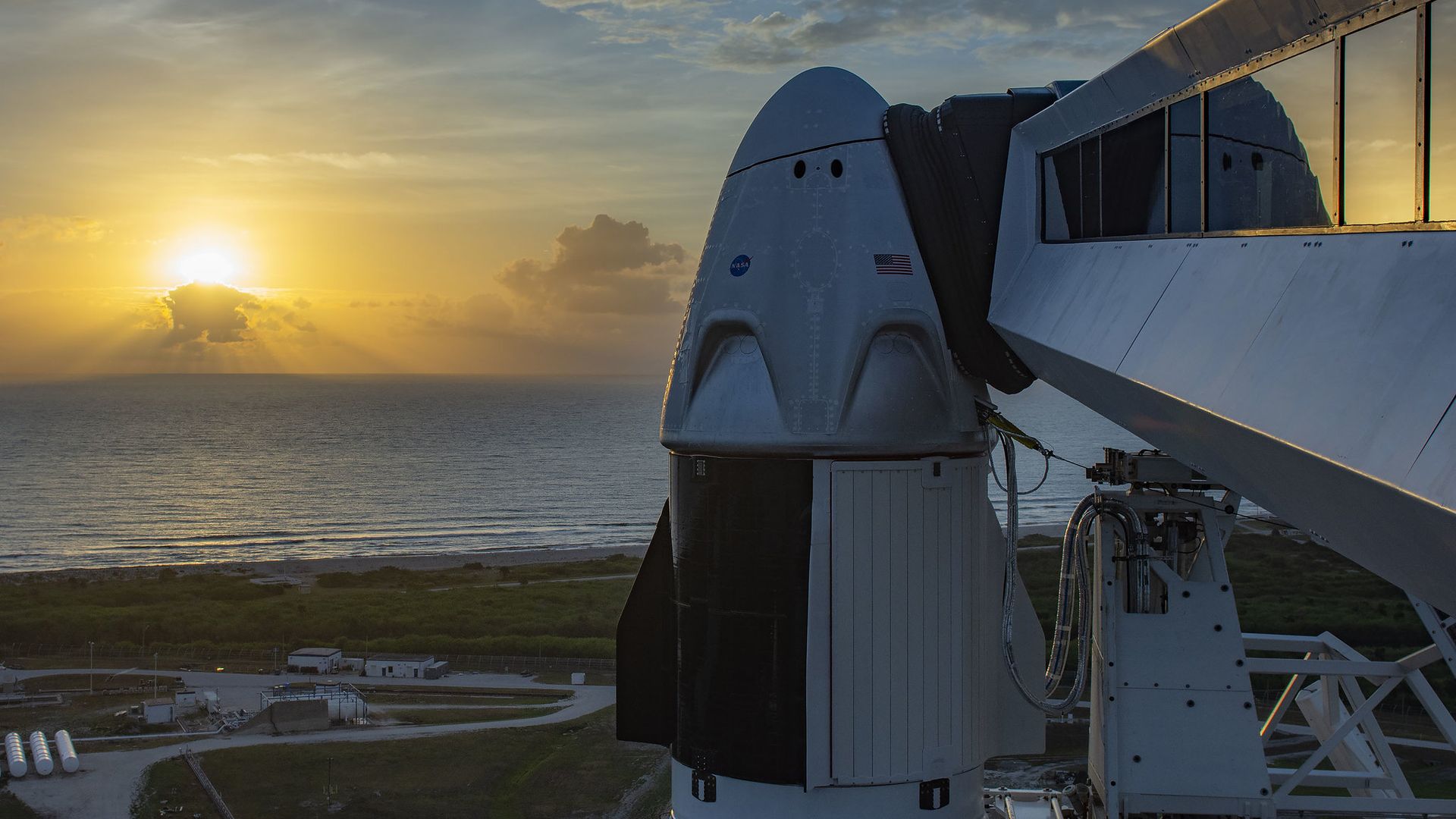
SpaceX's attempt to launch NASA astronauts Doug Hurley and Bob Behnken has been postponed due to weather. They could attempt to launch again as soon as Saturday.
Why it matters: If all goes well, the launch — now expected to happen at 3:22 p.m. ET on Saturday — will mark the first time a private company has successfully launched people to orbit and the first crewed, orbital rocket launch from the U.S. in 9 years.
SpaceX and NASA have postponed the company's first crewed flight from Cape Canaveral because of bad weather. The next launch opportunity could be as soon as Saturday.
Why it matters: If successful, the launch will be the first time a private company has sent people to orbit and the first crewed launch from the U.S. since the end of the space shuttle program in 2011.
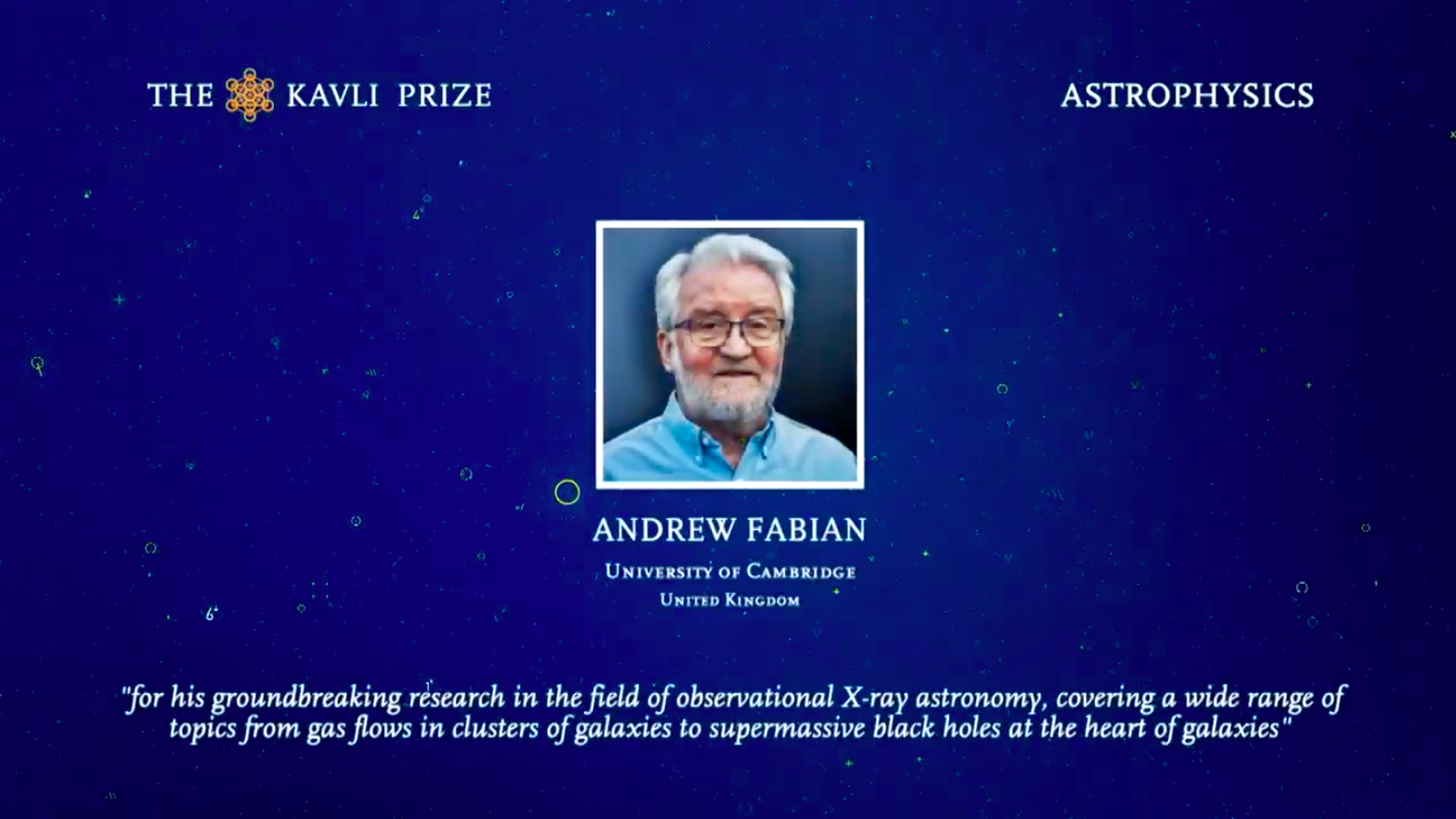
Seven scientists from five countries received the Kavli Prize on Wednesday for their discoveries in astrophysics, nanoscience and neuroscience.
Why it matters: They were rewarded for their research on how black holes interact with galaxies, inventions that made electron microscopes even more precise and the discovery of how temperature and pressure are detected by the body and signaled to the brain.
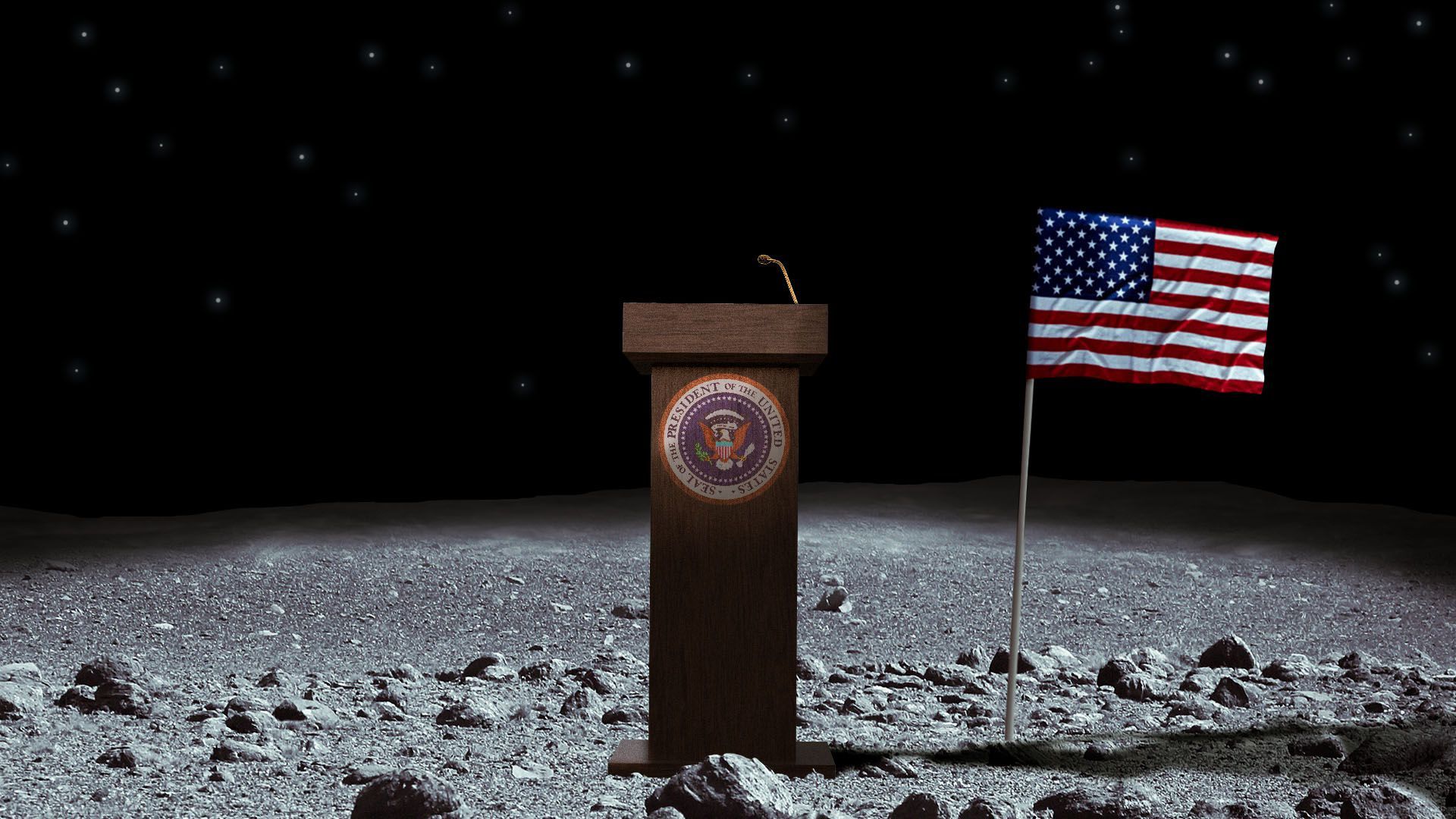
President Trump's exuberance around today's scheduled SpaceX launch — including his decision to travel to Florida to watch — goes beyond a personal fascination with astronauts, rockets, and how to make money and wield power in the next frontier.
The bottom line: There's a presidential election in November, and the U.S. space program enjoys wide support across party lines. It's good politics for Trump, at least for now.
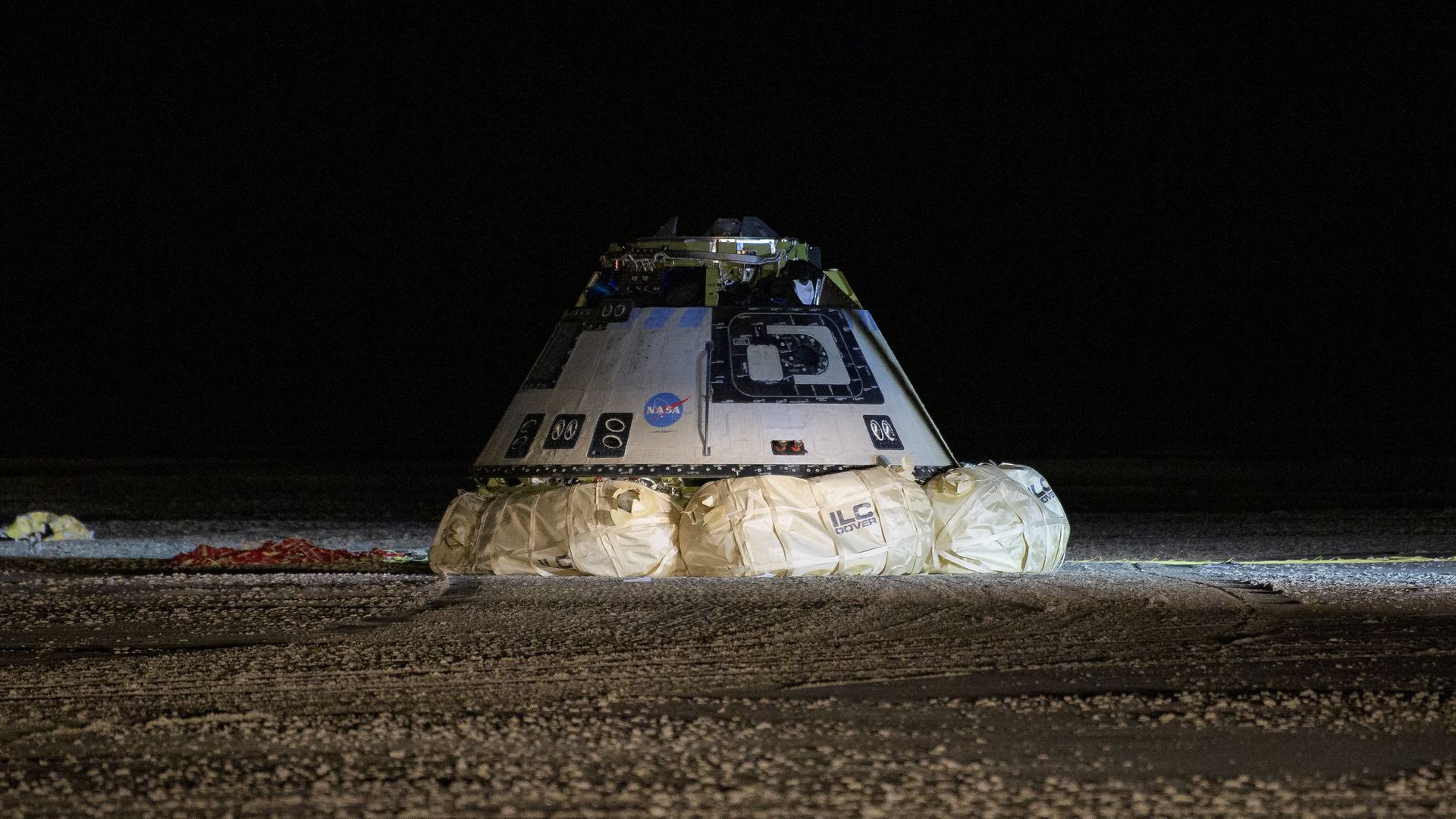
As SpaceX and NASA gear upfor the company's historic crewed launch on Wednesday, Boeing — the space agency's other launch partner — is still waiting in the wings for its crewed debut.
Why it matters: While SpaceX is getting all the glory right now as the first company to make it to the pad to launch astronauts, Boeing has also been working toward the same goal since 2014.
Elon Musk's SpaceX is set to launch its first manned mission Wednesday, ushering in a new era in U.S. space exploration. Dan and Axios space reporter Miriam Kramer discuss the new economy of privately-funded space travel, the future of NASA, and the political ramifications of launching astronauts from U.S. soil for the first time in almost a decade.
When SpaceX stages its first crewed launch on Wednesday, millions of people will likely tune in to watch it live on TV or directly through NASA and SpaceX via livestream.
Why it matters: If all goes according to plan, the SpaceX launch will mark the first time a private company has launched people to orbit, and the first crewed rocket launch from U.S. soil since the end of the space shuttle program in 2011.
SpaceX's first attempt at launching astronauts from American soil this week is a historic moment that will stress the decades-long relationship between the U.S. and Russia in space.
Why it matters: Since the Cold War, the U.S. and Russia have collaborated intimately in space. As the U.S. regains the ability to launch people with its own rockets, the future of Russia's already struggling civil space program — and how the U.S. will collaborate with it — is unclear.
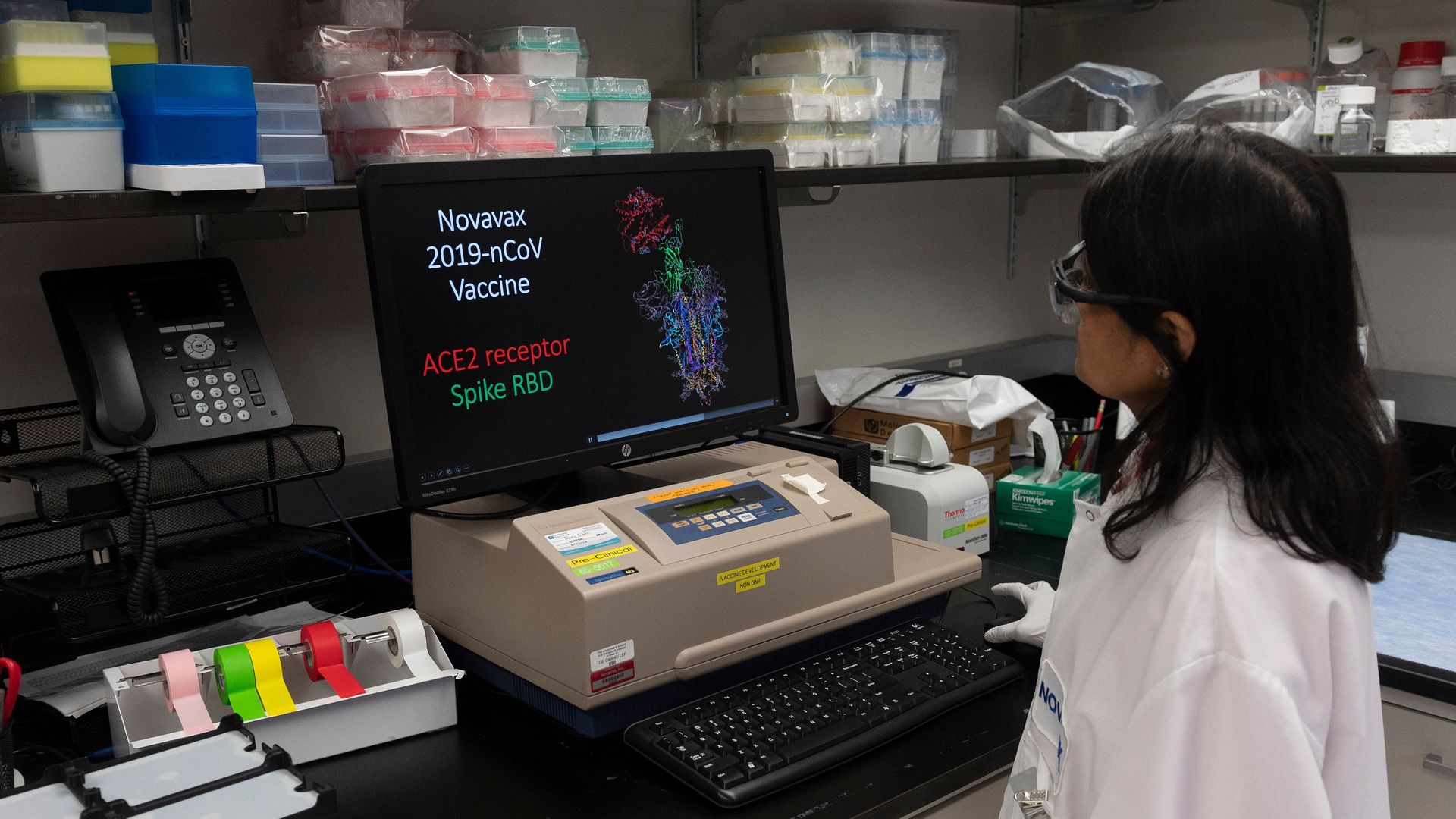
Novavax began clinical trials of a vaccine for the novel coronavirus in Australia on Tuesday, per a statement from the Maryland-based biotechnology firm.
The state of play: 131 volunteers in the Australian cities of Melbourne and Brisbane will undergo injections as part of the study, the company's research chief Gregory Glenn said during a briefing, per Australian Associated Press.