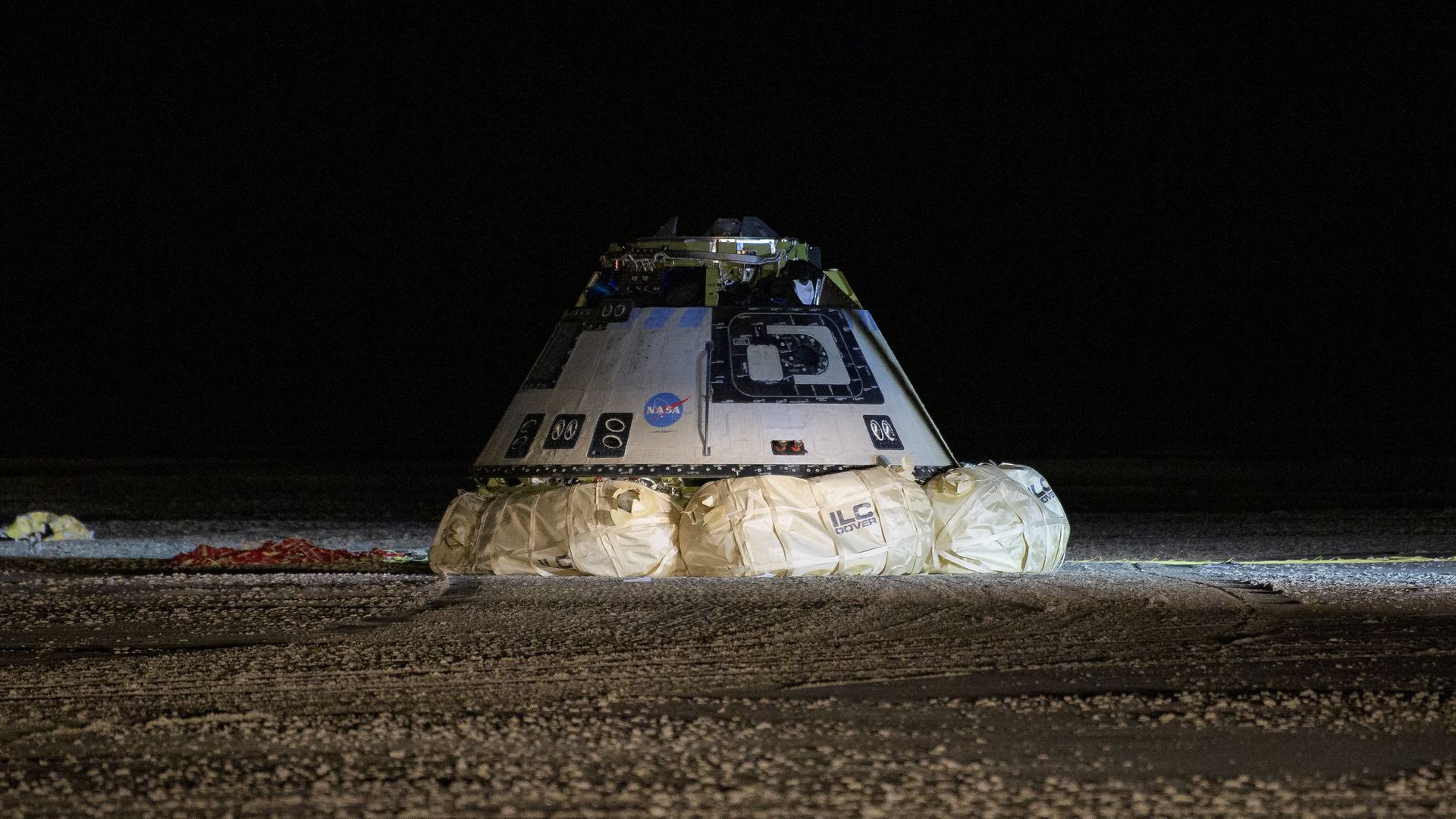
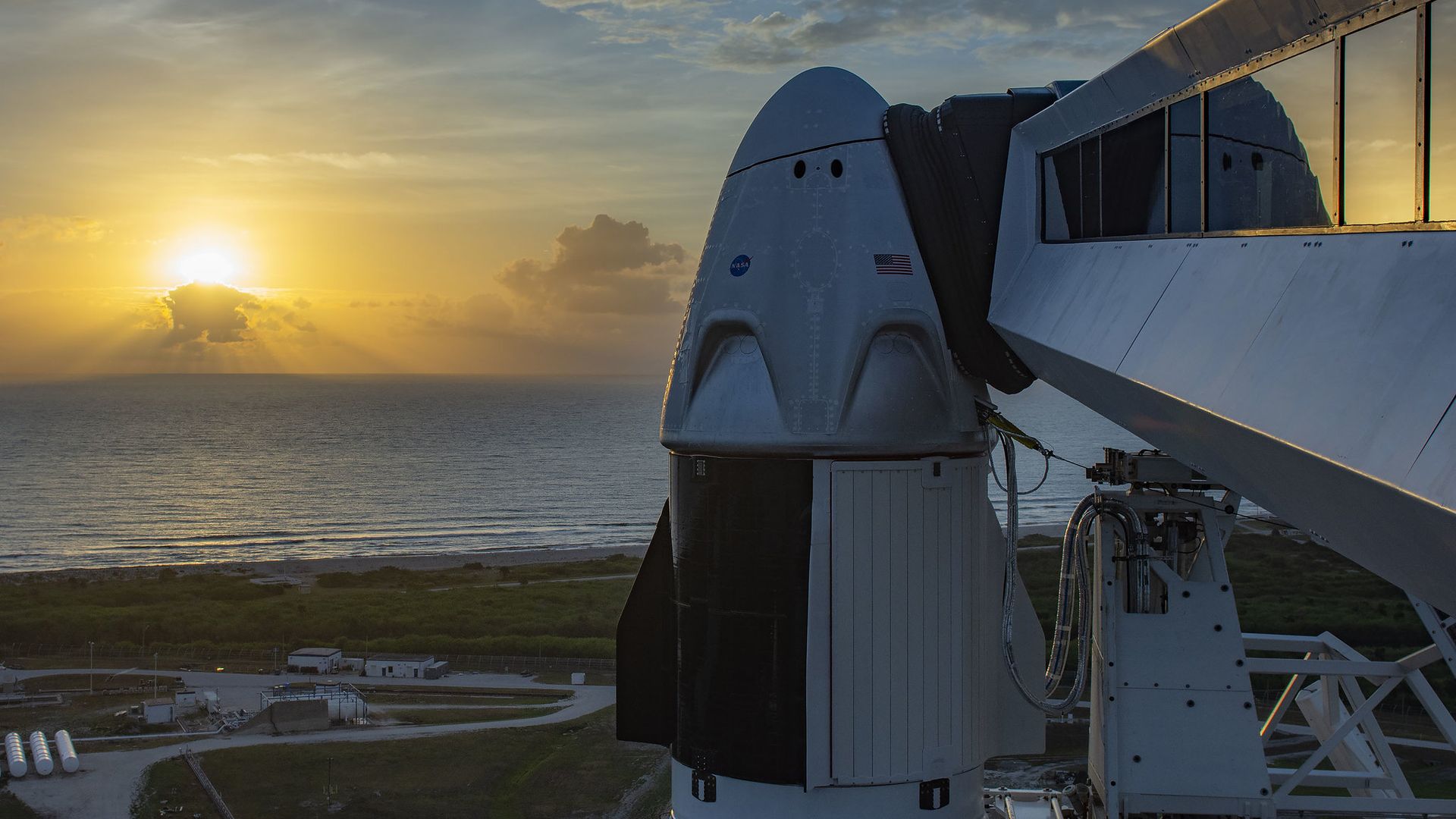
As SpaceX and NASA gear upfor the company's historic crewed launch on Wednesday, Boeing — the space agency's other launch partner — is still waiting in the wings for its crewed debut.
Why it matters: While SpaceX is getting all the glory right now as the first company to make it to the pad to launch astronauts, Boeing has also been working toward the same goal since 2014.
Elon Musk's SpaceX is set to launch its first manned mission Wednesday, ushering in a new era in U.S. space exploration. Dan and Axios space reporter Miriam Kramer discuss the new economy of privately-funded space travel, the future of NASA, and the political ramifications of launching astronauts from U.S. soil for the first time in almost a decade.
When SpaceX stages its first crewed launch on Wednesday, millions of people will likely tune in to watch it live on TV or directly through NASA and SpaceX via livestream.
Why it matters: If all goes according to plan, the SpaceX launch will mark the first time a private company has launched people to orbit, and the first crewed rocket launch from U.S. soil since the end of the space shuttle program in 2011.
SpaceX's first attempt at launching astronauts from American soil this week is a historic moment that will stress the decades-long relationship between the U.S. and Russia in space.
Why it matters: Since the Cold War, the U.S. and Russia have collaborated intimately in space. As the U.S. regains the ability to launch people with its own rockets, the future of Russia's already struggling civil space program — and how the U.S. will collaborate with it — is unclear.
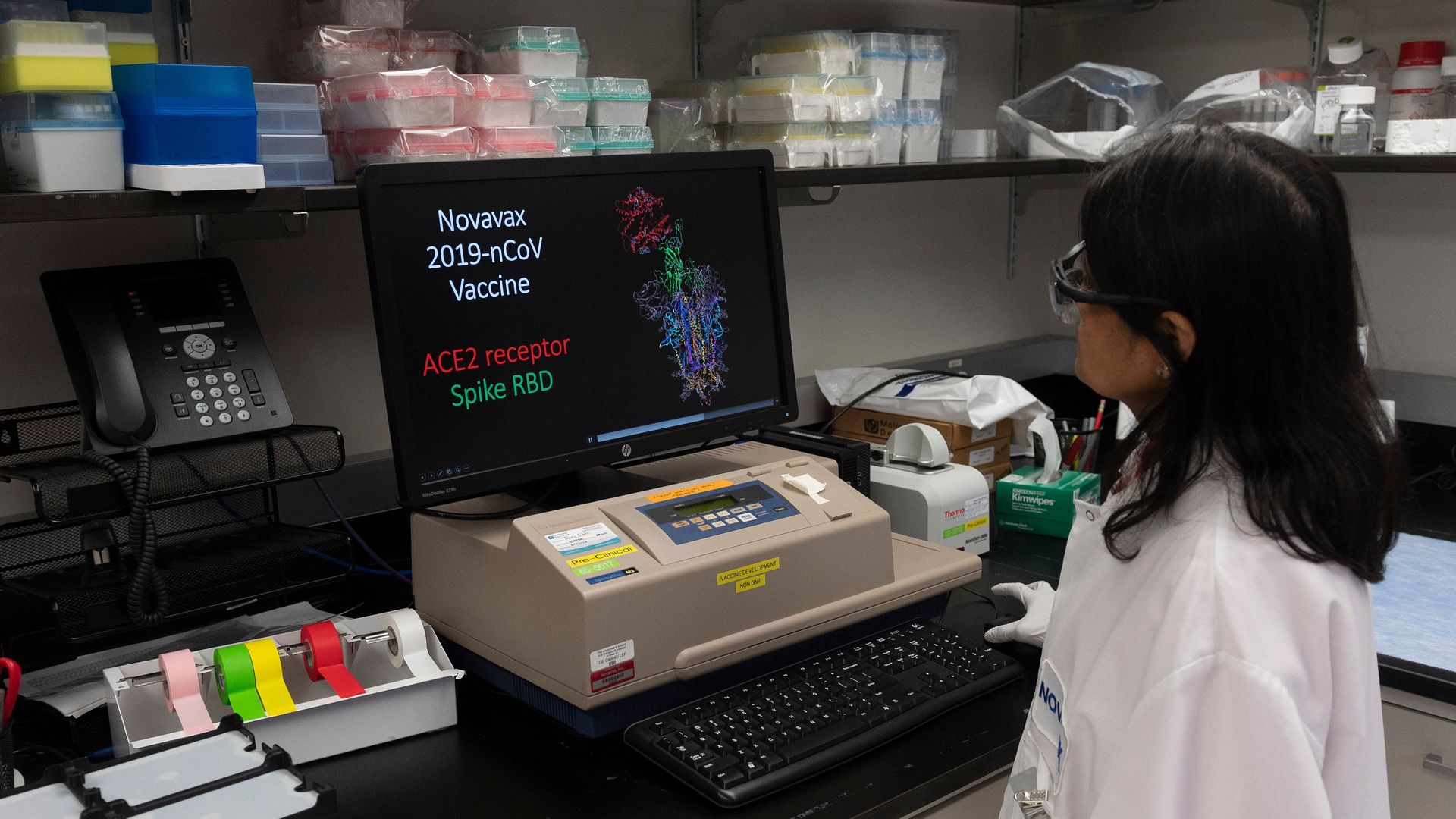
Novavax began clinical trials of a vaccine for the novel coronavirus in Australia on Tuesday, per a statement from the Maryland-based biotechnology firm.
The state of play: 131 volunteers in the Australian cities of Melbourne and Brisbane will undergo injections as part of the study, the company's research chief Gregory Glenn said during a briefing, per Australian Associated Press.
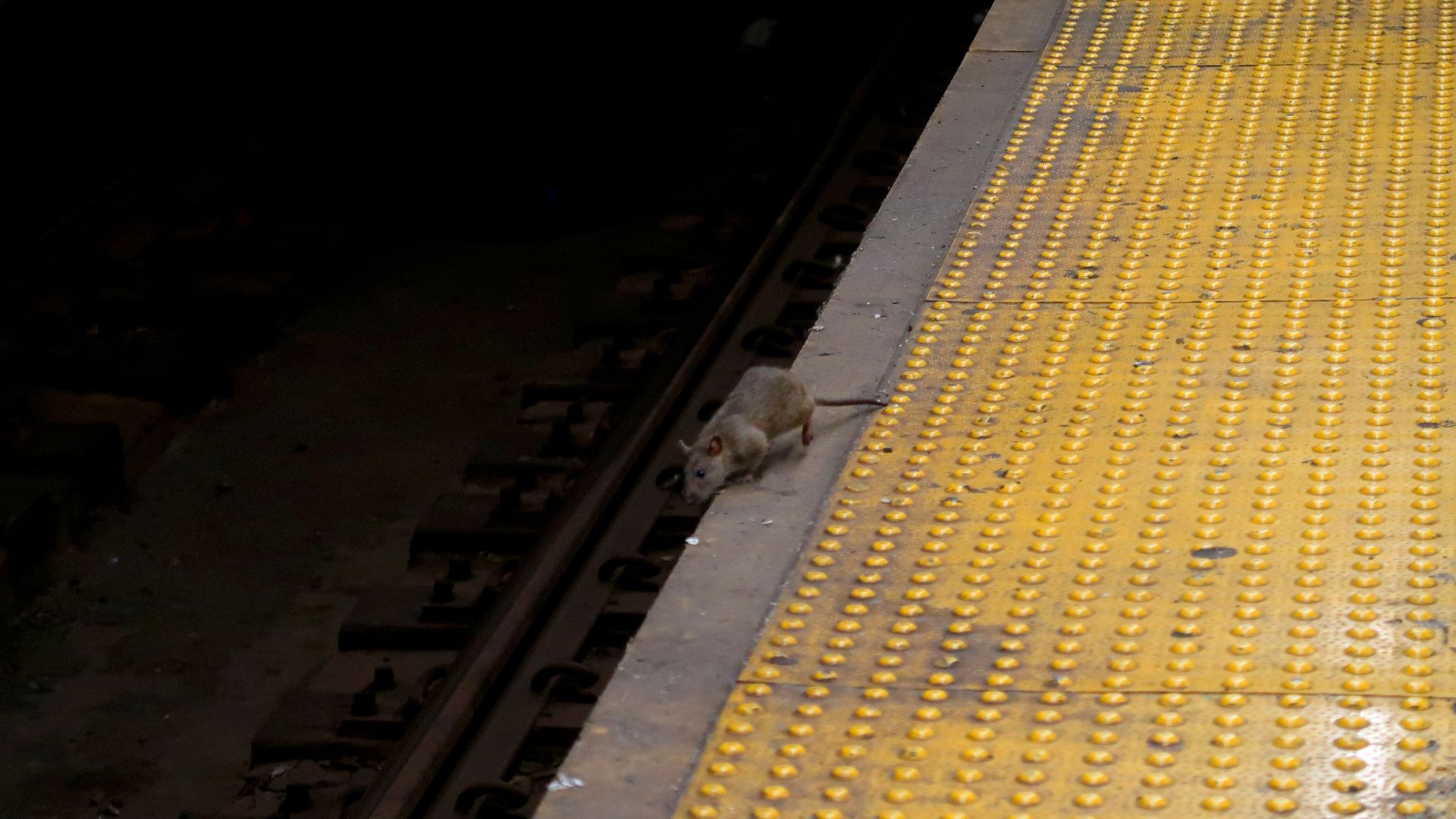
The CDC issued a warning on rats after it received reports of "an increase in rodent activity" in several areas, as the animals search further for food while Americans stay home more during the coronavirus pandemic.
What they're saying: "Community-wide closures have led to a decrease in food available to rodents, especially in dense commercial areas," the CDC said a statement posted to its website.