The big picture: The Bay of Bengal has a devastating history of deadly storms. The most tragic was the Great Bhola Cyclone in November of 1970 — with an estimated 300k-500k death toll that makes it the deadliest tropical cyclone in history.
Scientists hunting for gravitational waves — ripples in the fabric of space and time sent out by cataclysmic collisions — have had a busy month.
The impact: The LIGO and Virgo observatories tasked with detecting these waves began their newest observing run on April 1, and they've already found evidence of 5 possible gravitational wave signals. The observatories are 40% more sensitive following upgrades made since the last observing run ended.
Figuring out whether a planet is habitable will take more than just understanding its orbit. According to a new study in the journal Science, scientists will also need to study a world’s atmosphere, magnetic field and even geological composition in order to really know if it’s capable of hosting life.
The big picture: Researchers have been hunting for habitable exoplanets using space and ground-based telescopes for years, but assessing whether a world can support life or not is difficult.
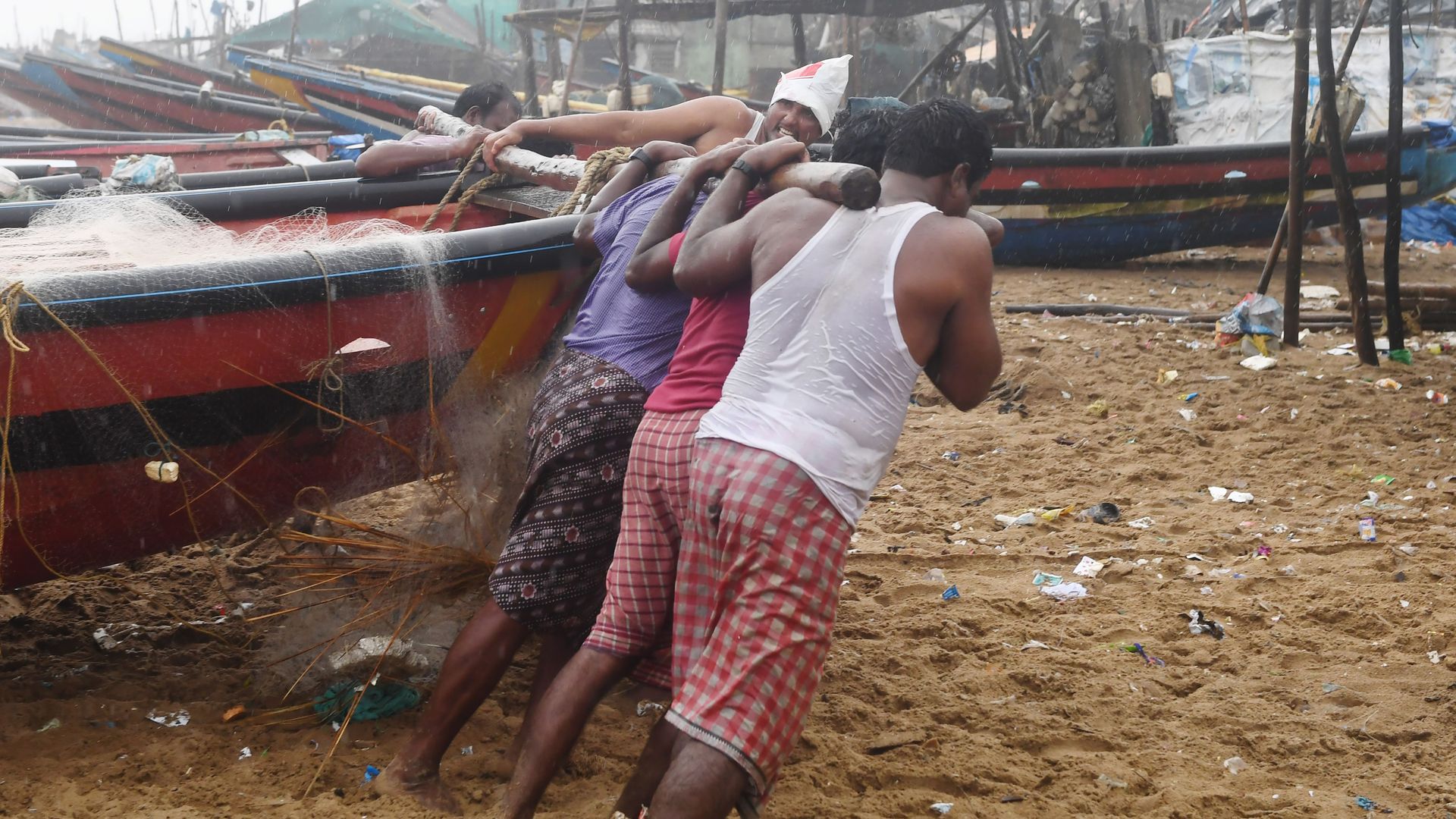
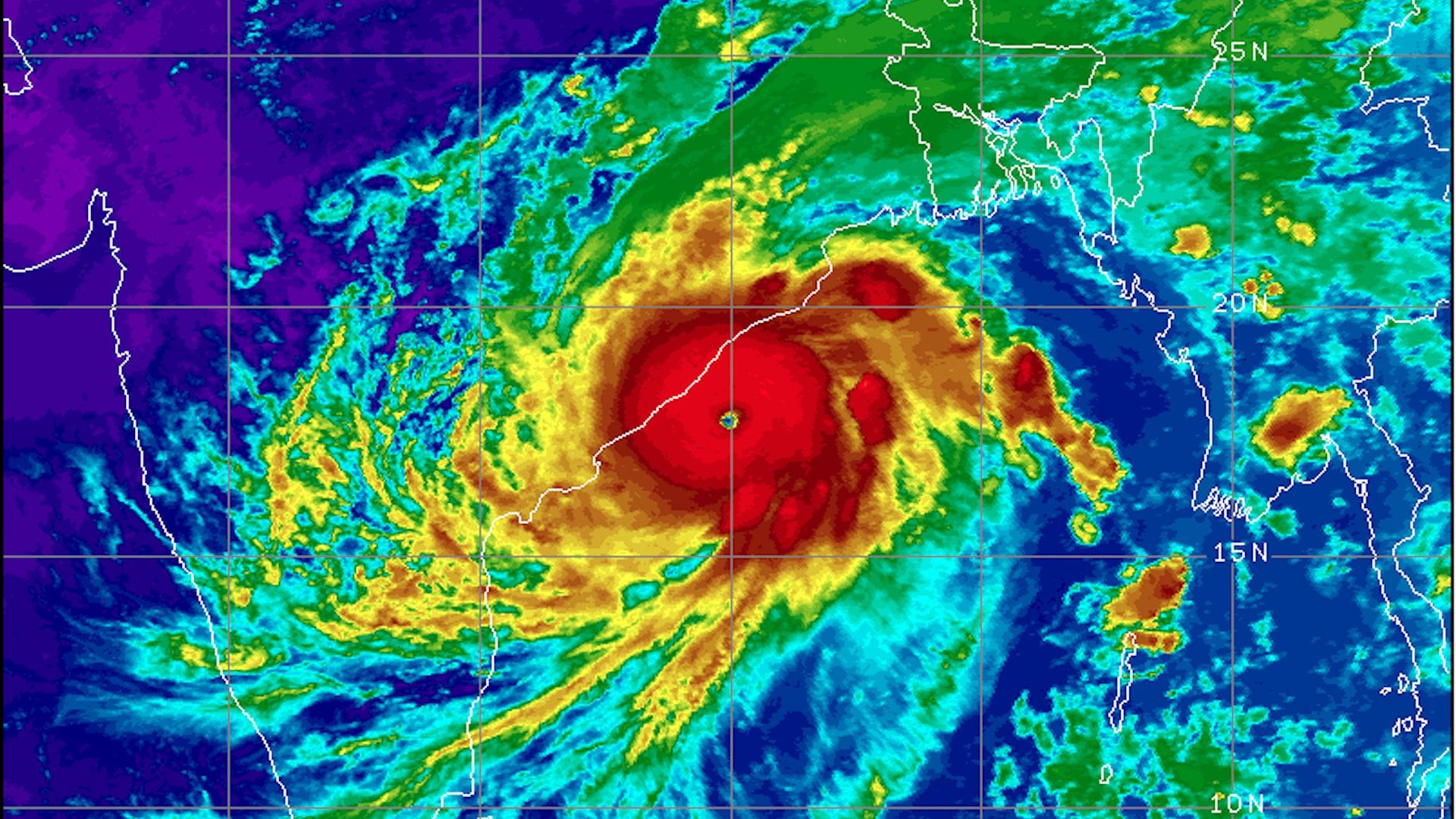
Cyclone Fani intensified into a monstrous, high-end Category 4 storm in the western Bay of Bengal on Thursday as it wobbled closer to the Indian coastline. It is forecast to cross the Odisha coast as a Category 3 cyclone between Gopalpur and Chandbali, near Puri, on Friday, according to the India Meteorological Department (IMD).
The big picture: Based on reporting from the Joint Typhoon Warning Center, Cyclone Fani had maximum sustained winds of 155 mph, along with higher gusts as of Thursday morning eastern time, placing it just below Category 5 status. However, the storm's winds then began to weaken slightly as it interacted with the coastline and an area of slightly cooler ocean waters.
Blue Origin successfully launched (and landed) the 11th uncrewed test of its suborbital New Shepard launch system Thursday in Texas. This was the 5th launch for this particular rocket and capsule.
Why it matters: This most recent launch paves the way for the Jeff Bezos-founded company to launch people to space. According to Blue Origin, those crewed launches could begin as early as the end of the year. Eventually, Blue Origin hopes to fly groups of paying passengers on tourist trips to the edge of space on a regular cadence.
Dan and Axios' Kim Hart discuss how West Coast billionaires have led a revival of Florida's Cape Canaveral area, including what role NASA will play going forward.
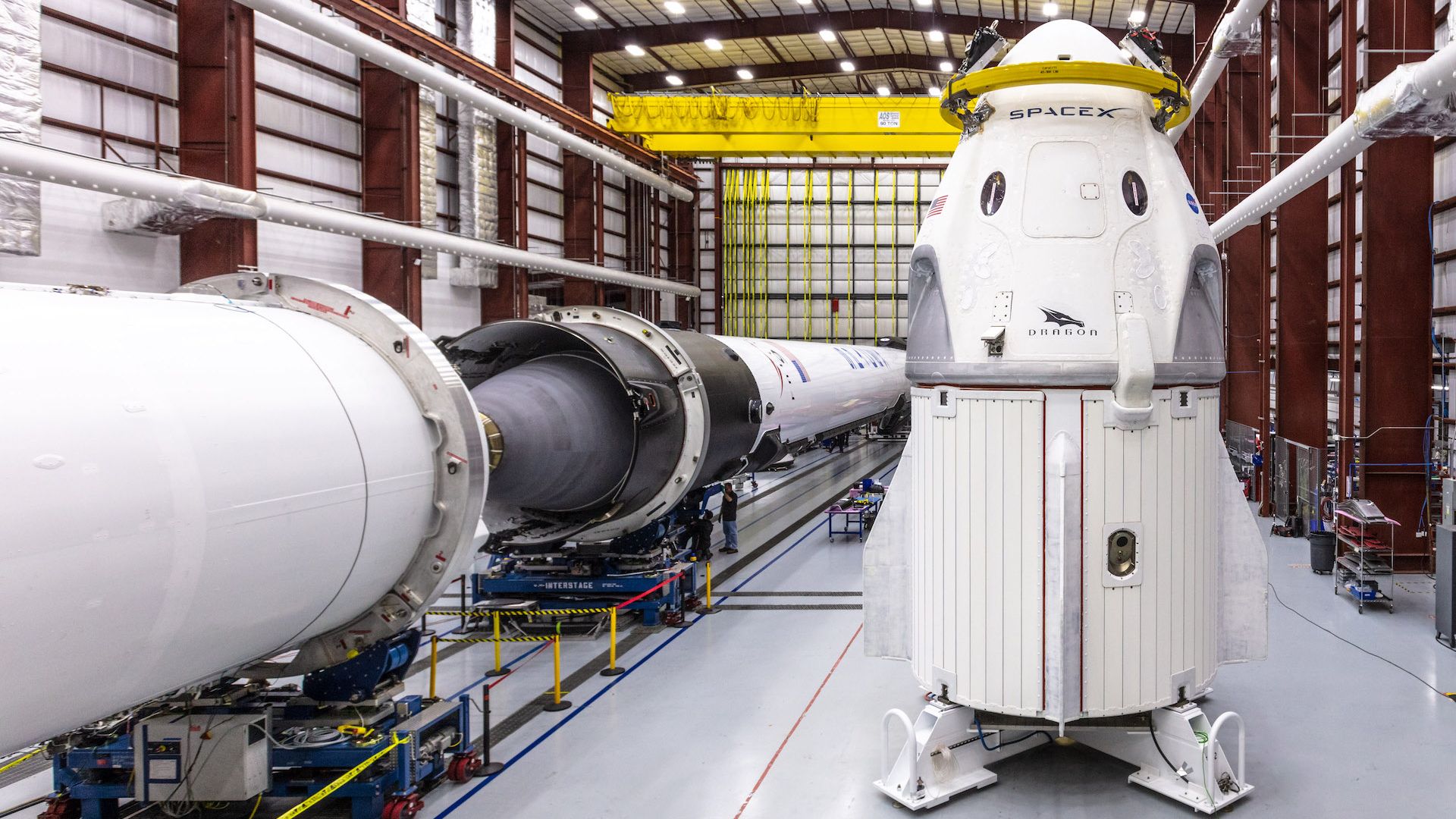
SpaceX confirmed today that its Crew Dragon capsule was destroyed during a ground test of the vehicle on April 20, after its history-making uncrewed flight to the International Space Station in March.
Why it matters: Before this accident, the Crew Dragon was expected to start flying NASA astronauts to and from the space station as early as this summer, ending the space agency's reliance on Russian-made rockets. This mishap throws that schedule into doubt, possibly delaying the return of human spaceflight to the U.S.
CAPE CANAVERAL — Florida’s Atlantic coast is experiencing a resurgence of space enthusiasm, but this time it’s driven by Pacific coast billionaires with thick wallets and brainy entrepreneurs asking for cash.
Why it matters: It’s been 50 years since the launch of Apollo 11 inspired a generation to pursue space travel. But the space shuttle program no longer exists and NASA funding has been slashed, just as renewed global competition raises the stakes.
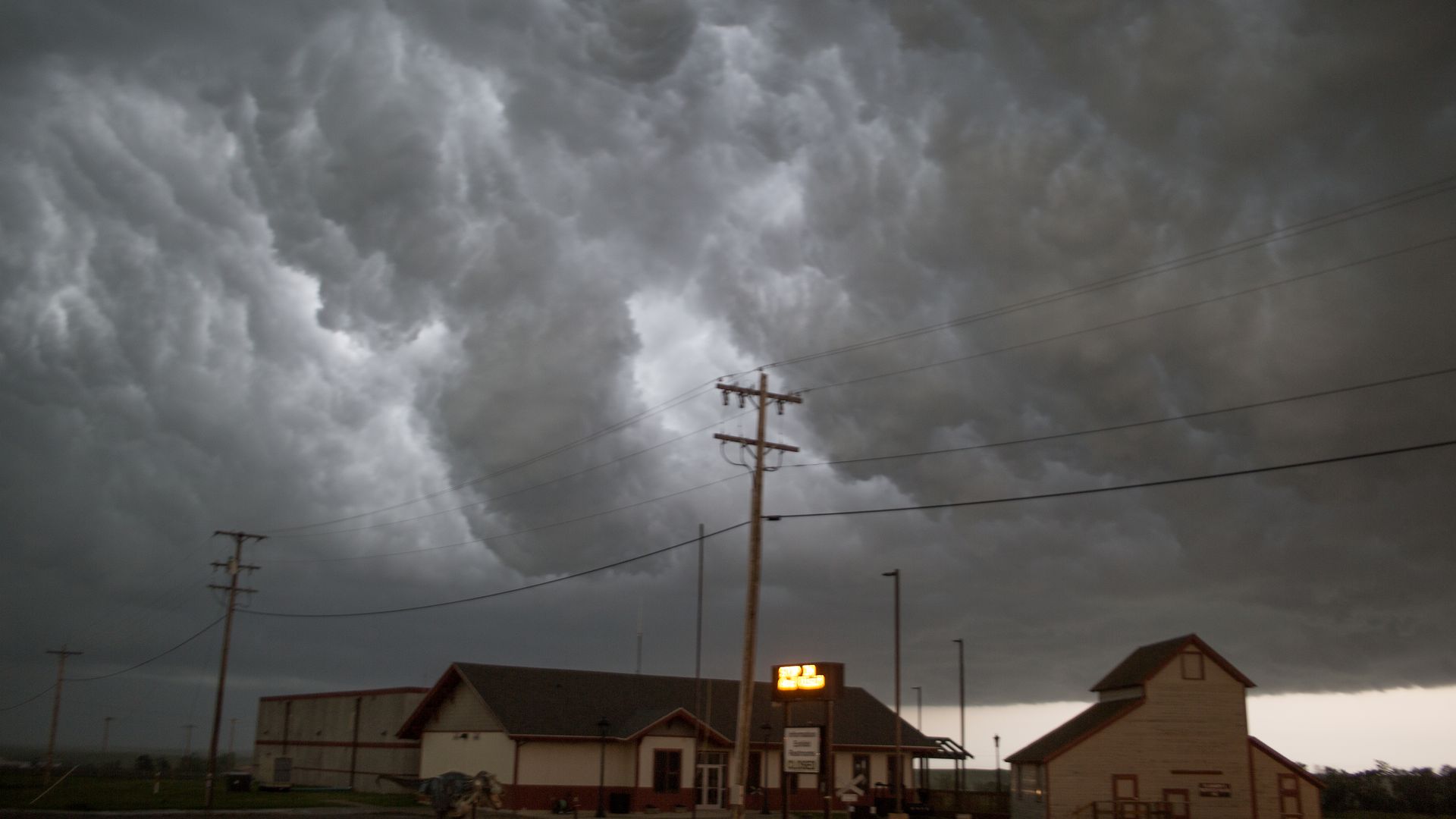
At least 22 reported tornadoes touched down across the southern Plains and South-Central U.S. on Tuesday, as forecasters alert for more potential twisters in Oklahoma, Arkansas, Missouri and parts of Illinois, tearing trees out of the ground, ripping roofs off of homes and knocking down power lines.
Details: According to the National Weather Service, the most severe storms are expected along a 1,000-mile stretch from central Texas to central Illinois, while the greatest risk for tornadoes centers on an area from south-central Oklahoma to southwestern Missouri. The risk of isolated tornadoes, high winds, baseball-sized hail and torrential downpours remains throughout the evening, while severe thunderstorms are likely to expand across the Midwest into Wednesday as a spring storm shifts east.