A new mission concept building on the legacy of NASA’s Cassini spacecraft would study Saturn’s rings, giving us an unprecedented view of the distant world’s most stunning feature.
Why it matters: While Cassini transformed our understanding of Saturn over the course of its 13-year mission, the spacecraft also left the science community with many questions to answer.
What's new: Scientists have figured out what causes the cosmic phenomenon affectionately known as STEVE — a mauve-colored streak that appears farther south than where auroras typically are visible.
Dozens of companies around the world are looking to tap into the market for launching small payloads into orbit. If they succeed, it could reshape the space industry.
Why it matters: Historically, small satellites have hitched rides to space as secondary payloads on large rockets like SpaceX’s Falcon 9. But upstart rocket companies don’t think that small satellites, meant for beaming satellite internet to Earth, for example, should be forced to launch based on the readiness of a larger payload, like a communications satellite.
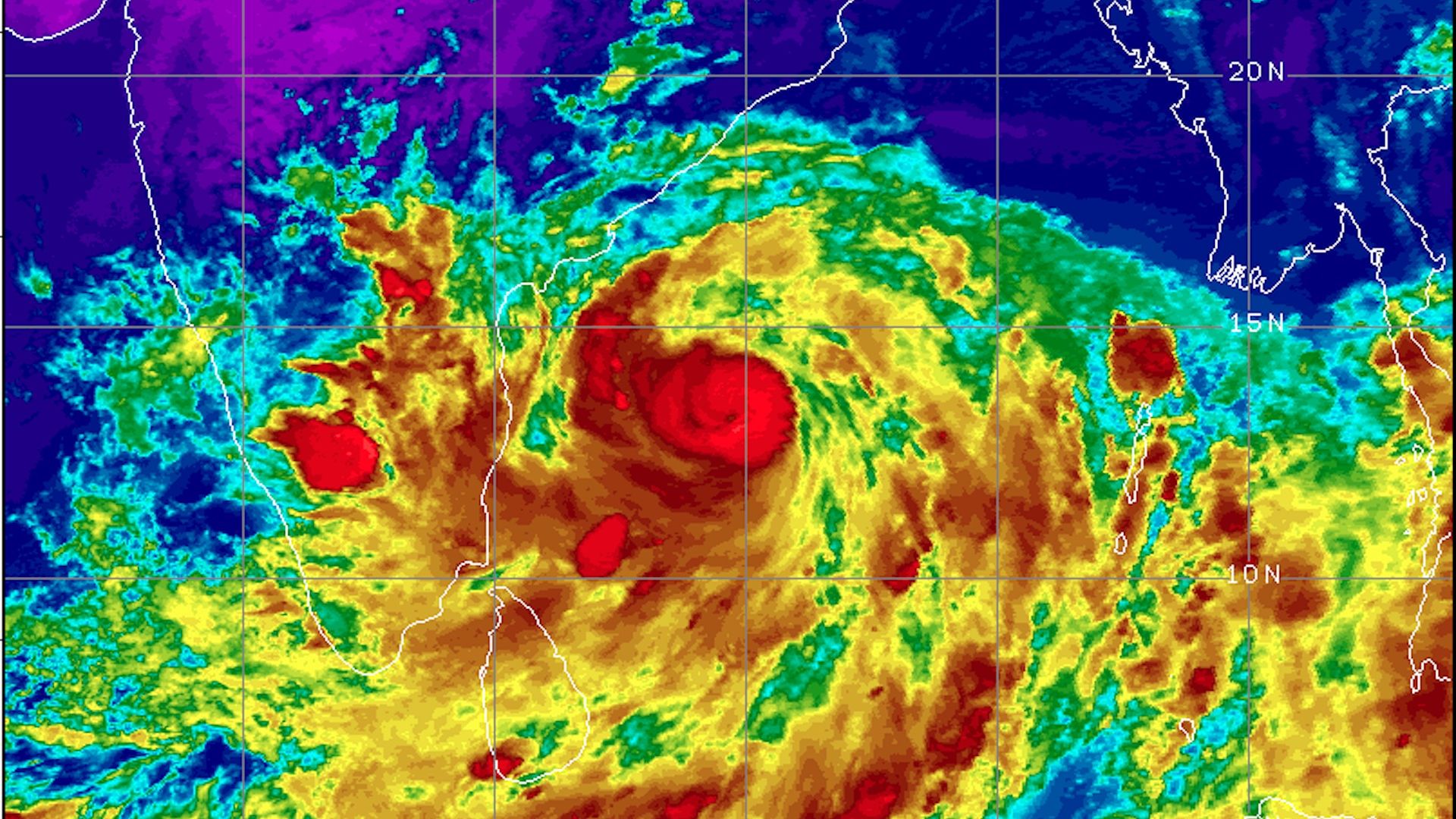
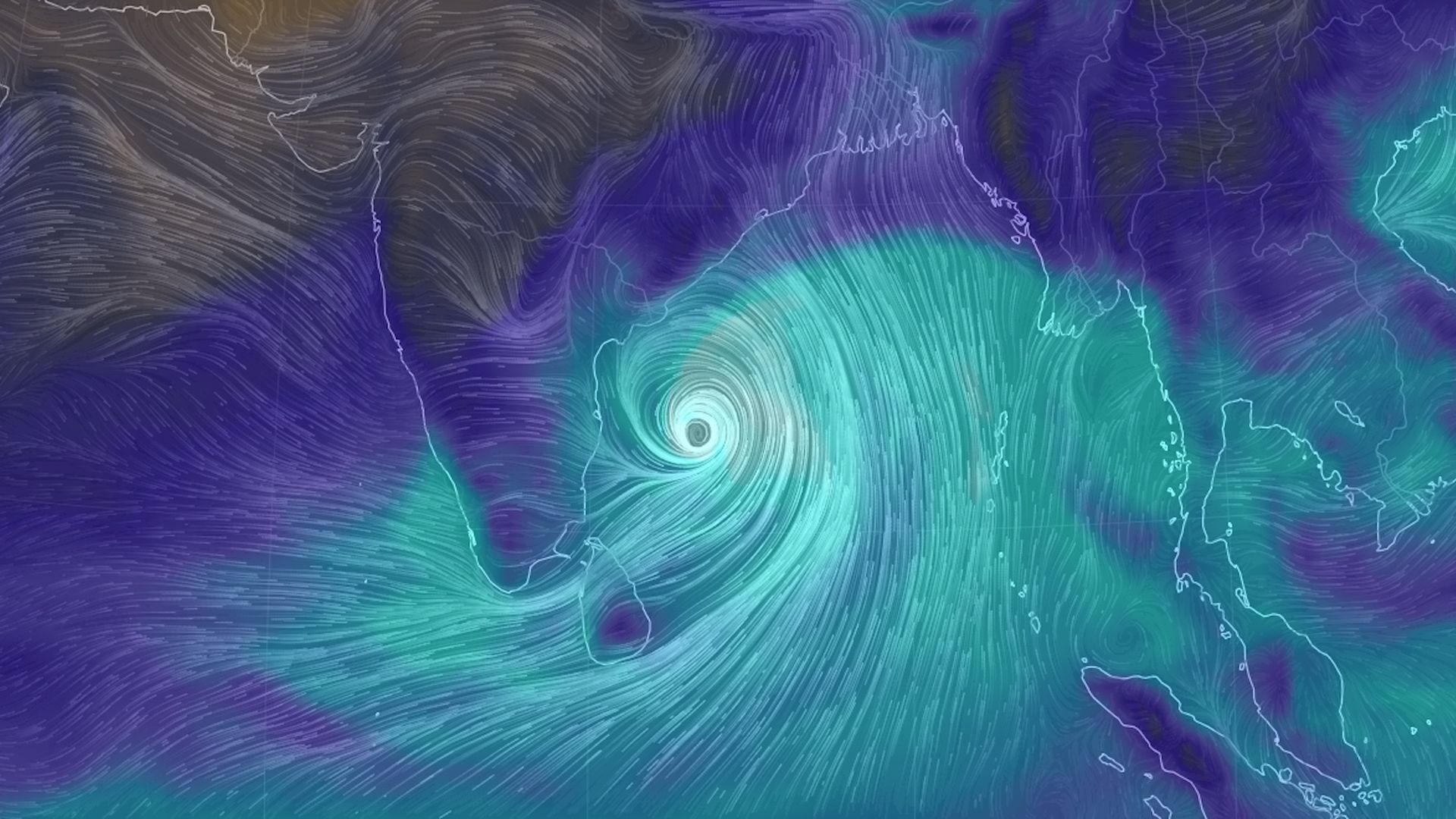
Tropical Cyclone Fani is intensifying over the western Bay of Bengal, and it is forecast to hit somewhere between the Indian states of coastal Odisha and West Bengal as a potentially devastating Category 4 or greater storm as this weekend approaches.
Why it matters: Coastal India as well as neighboring Bangladesh are extraordinarily vulnerable to the range of hazards such storms bring, including high winds, storm surge flooding and inland flooding from heavy rainfall.
Cyclone Fani is growing in strength and moving slowly north toward the Bay of Bengal, where it threatens to turn into a fierce Category 3 or stronger storm before making landfall in northeastern India. After landfall, the storm may spread strong winds and heavy rains into neighboring Bangladesh.
Why it matters: The cyclone threatens to bring heavy rain, strong winds and storm surge flooding to the Indian states of Andhra Pradesh, Odisha and West Bengal, and could parallel the coast for a time — making any wobble toward the east or west highly consequential for where it eventually comes ashore on or about May 3. The Bay of Bengal can support high intensity storms, and this region is extremely vulnerable to the range of hazards from tropical cyclones.