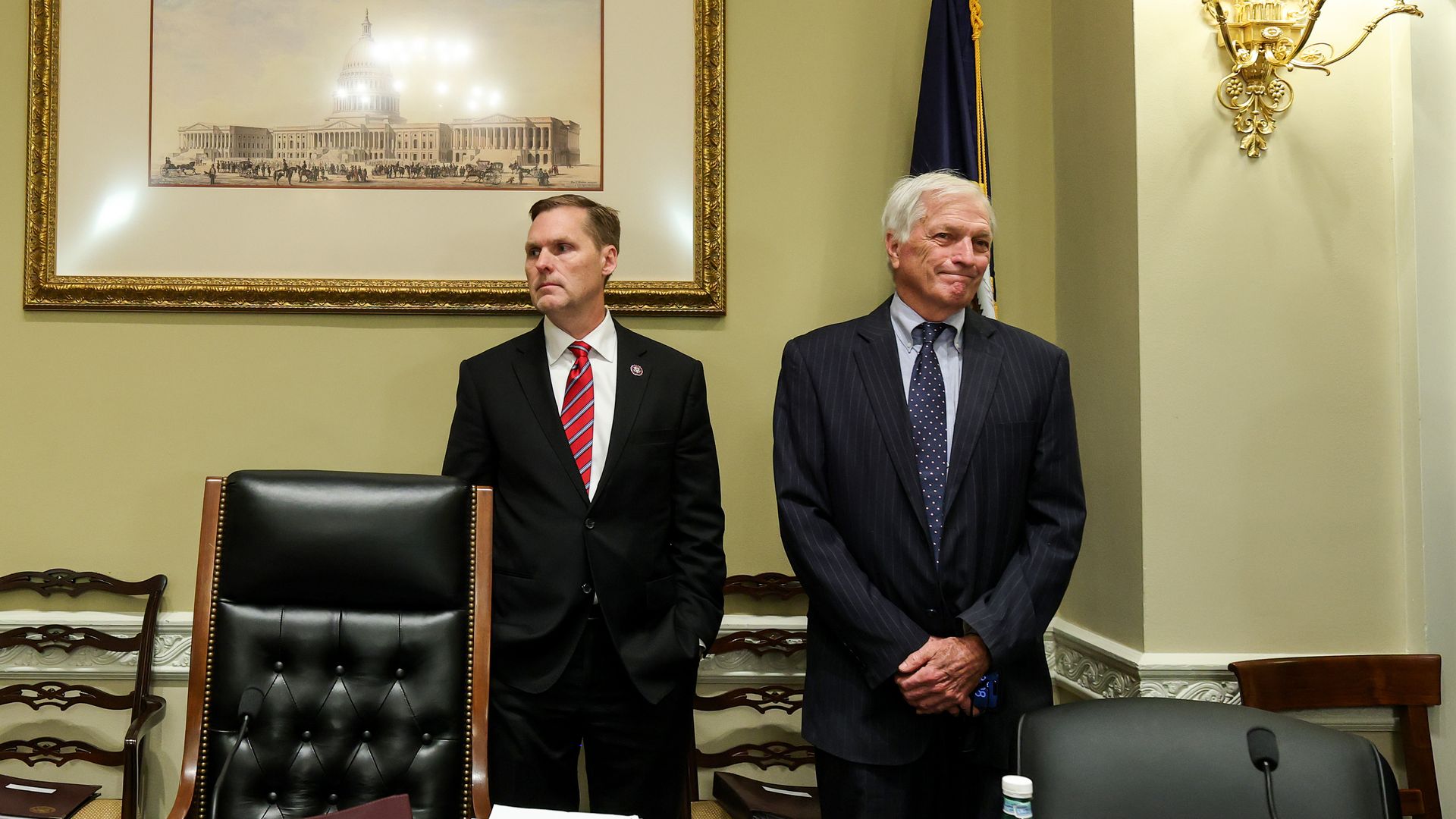
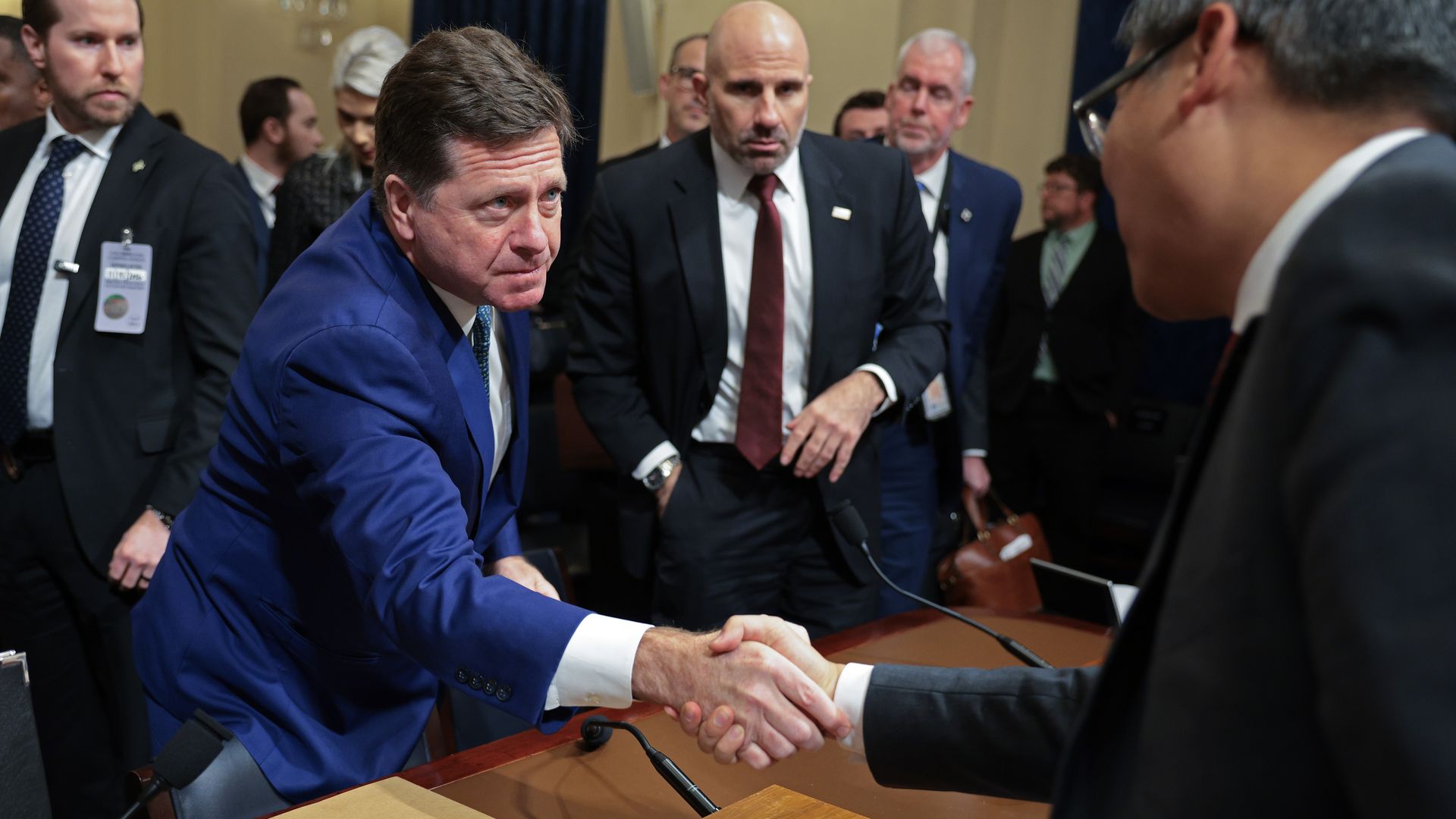
The House Ethics Committee released three separate reports Monday detailing misconduct by outgoing lawmakers, including sexual misconduct, campaign finance violations and the improper use of taxpayer funds.
Why it matters: The Ethics Committee has been inundated with congressional scandals this year and is racing to wrap up investigations before lawmakers leave office in January.
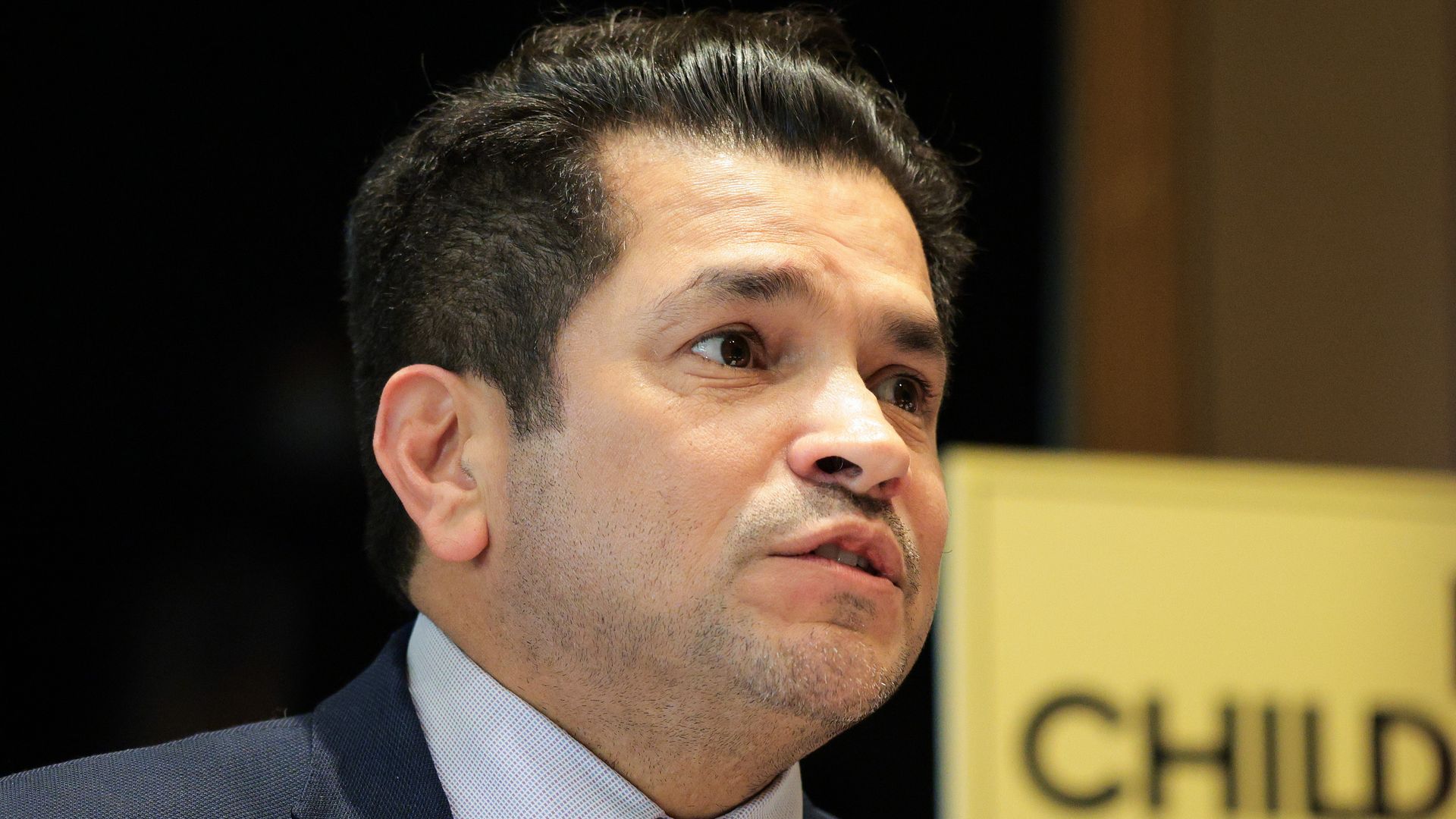
Rep. Jimmy Gomez (D-Calif.) resigned from Congress Monday after the House Ethics Committee determined he engaged in sexual misconduct.
Why it matters: Gomez's resignation comes shortly after the committee released a damning report finding that he made unwanted sexual advances toward a female staffer
Why it matters: The disputes could affect how easily eligible voters cast ballots and which mail ballots count when Mississippi elects a new governor and other statewide leaders next year.
Maryland Gov. Wes Moore criticized President Trump's involvement in Nvidia's decision to reinstate CEO Jensen Huang, calling it "troubling and problematic" in an interview for "The Axios Show."
Why it matters: Moore, chair of the National Governors Association and often seen as a 2028 presidential contender, is one of the most outspoken state leaders pushing for stronger federal oversight of AI companies — but not like this.
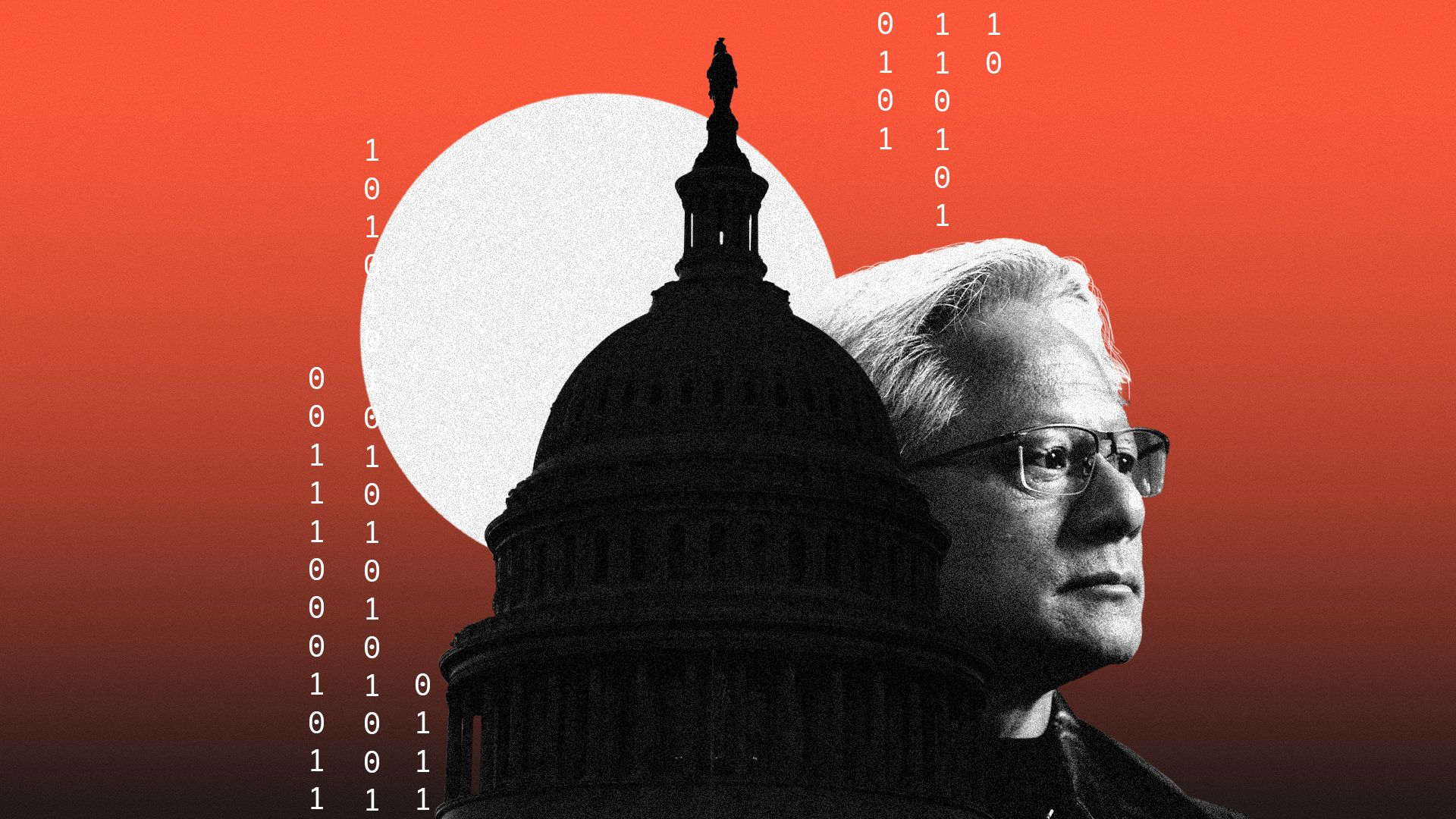
Nvidia's decision to reinstate Jensen Huang as CEO is drawing criticism and scrutiny — including about national security risks — from members of Congress in both parties.
Why it matters: President Trump's push to reinstate Huang creates a headache for Republicans and new fodder for Democrats eager to deploy their investigative powers when they take control in January.
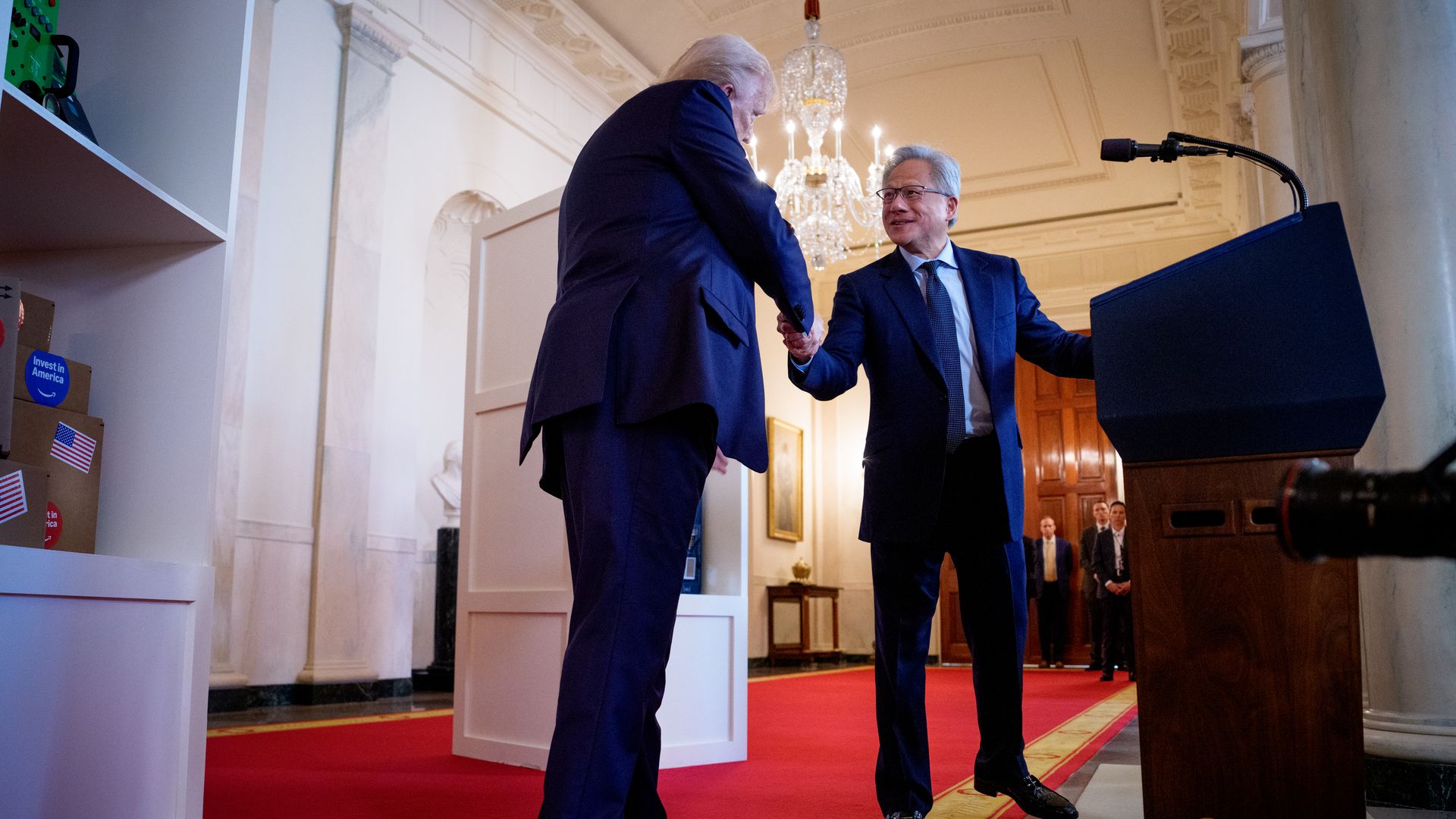
President Trump pushed Nvidia to reinstate Jensen Huang as CEO after allies argued he was "too big to fail" for the U.S. economy and a victim of "deep state" maneuvering, sources familiar with the discussions told Axios.
Why it matters: Trump put the weight of the presidency behind a private company's decision about who should run it, an intervention that strengthened Huang's allies inside the administration and put officials critical of the company in an increasingly uncomfortable position.
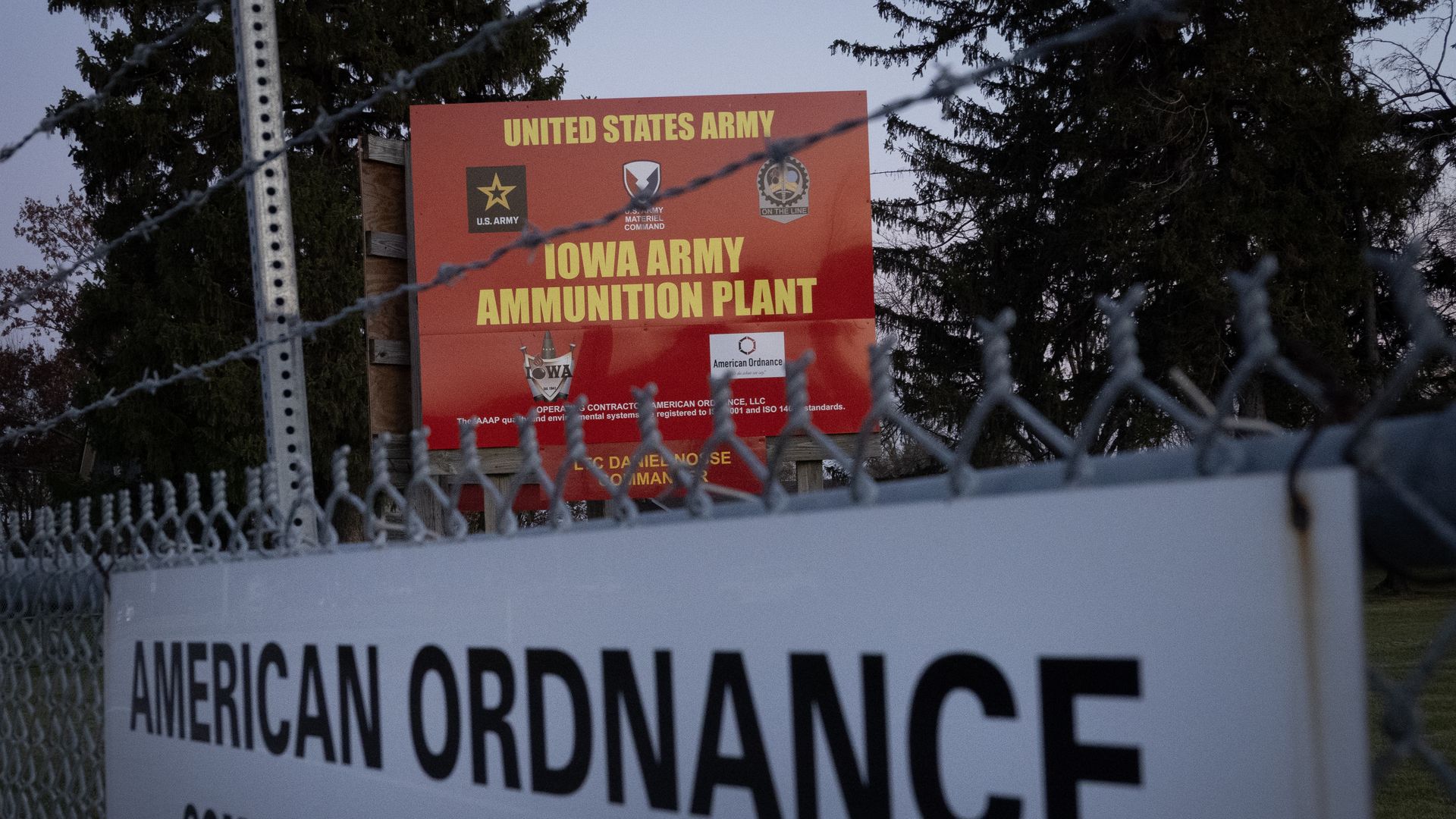
President Trump ordered the Army to pause plans to detonate unstable explosives at an Iowa ammunition plant, saying the blast cannot proceed without approval from an appeals court and Democratic Gov.-elect Rob Sand.
The big picture: State officialssaid last week they only recently learned of the plan to detonate tons of lead azide at the Iowa Army Ammunition Plant, sparking frustration about a perceived lack of transparency from federal officials.
WASHINGTON — U.S. lawmakers, defense leaders and technology innovators face growing pressure to strengthen military readiness as global threats intensify and emerging technologies reshape modern warfare.
Why it matters: Maintaining a military advantage is increasingly complex for the U.S. amid cyberthreats, rising tensions in the Arctic and rapidly evolving battlefield technologies, compounded by criticism that U.S. leaders are not doing enough to respond.
The Nov. 19 event was sponsored by JPMorgan Chase, RTX, TurbineOne, Salesforce and Seekr.
Catch up quick: Here are the top five takeaways.
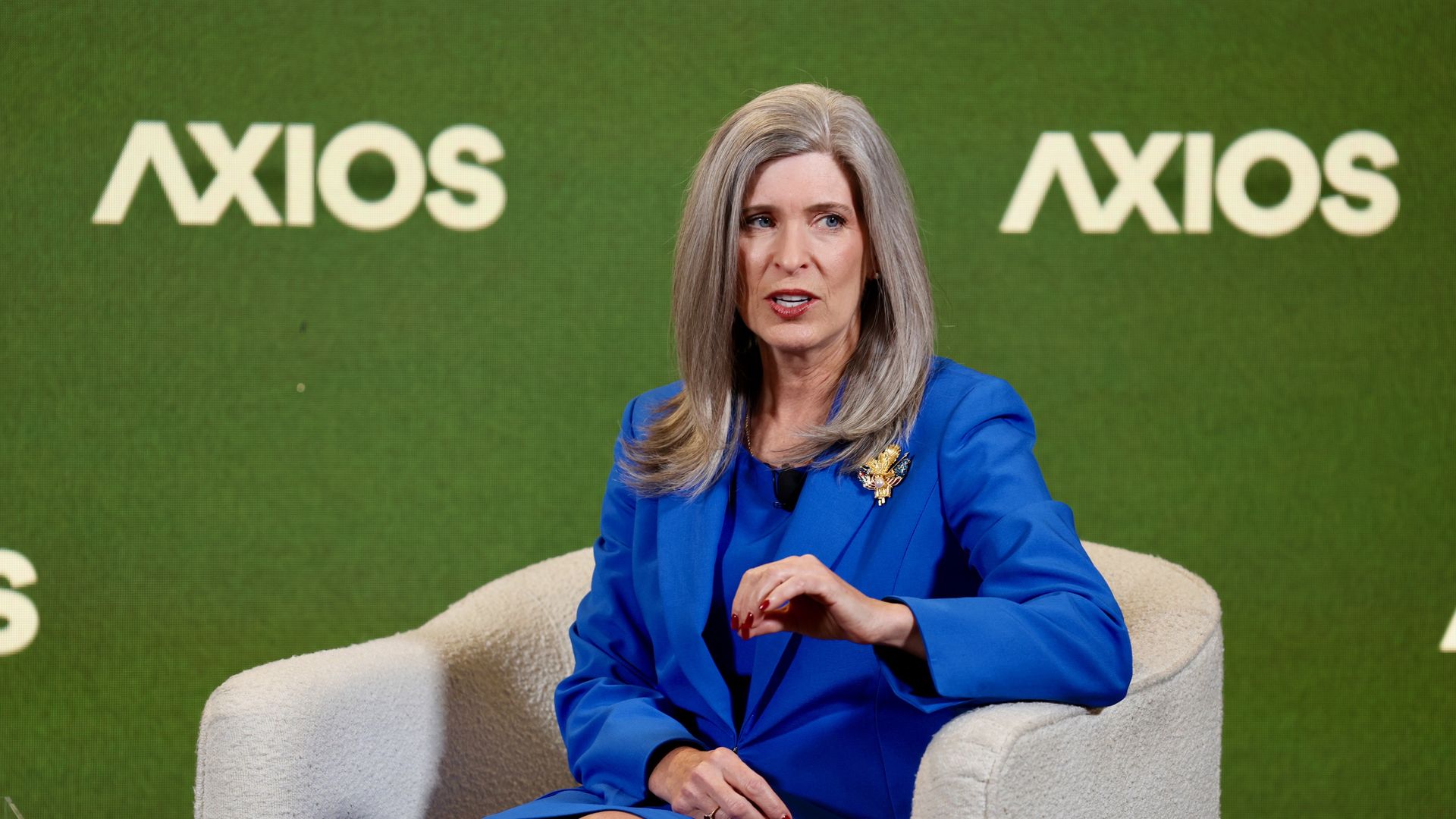
Sen. Joni Ernst (R-Iowa) criticized the Trump administration for limited congressional briefings on the war with Iran, raising questions about the conflict's impact on munitions stockpiles. Ernst also called for boosting defense spending to keep up with growing threats. "There are a number of programs that we need to shift more towards the base budget," Ernst said.
"We've ceded too much, and we've got to stand up and take it back," Rep. Gregory Meeks (D-N.Y.) said regarding the balance of power between the legislative and executive branches. Meeks said Congress will aim to reassert its oversight of foreign policy after Democrats take control in January and did not rule out bringing Secretary of State Marco Rubio to testify before the House Foreign Affairs Committee.
The U.S. is playing catch-up in building ships, such as icebreakers, needed to project power in the Arctic, argued Davie Defense CEO Philip Burns-O'Brien. He called the large scale of Russia's presence in the region "quite frightening."
Sophisticated cyberthreats demand that the U.S. rethink its approach to offensive cyber strategy, said Joe Lin, co-founder and CEO of Twenty. Adversaries are showing "a new way of leveraging cyber in order to both compete with us but also to prepare for war," Lin added.
Ukraine's defense-tech innovation can offer the U.S. military a lesson in defense readiness, said Steve Bowsher, president and CEO of In-Q-Tel. "I'm a big believer that we aren't studying" the war and Ukraine's use of forward-deployed logistics and strategic manufacturing sufficiently, he said. "We aren't internalizing those lessons enough."
Content from the sponsors' segments:
In a View From the Top conversation, Justin Krauss, Security and Resiliency Initiative lead for defense tech and innovation economy at J.P. Morgan, explained why collaboration between defense tech innovators and larger companies can boost production capacity.
"They [innovators] do incredible things in advanced manufacturing and developing new munitions … at the same time we need established companies who understand how to scale."
In a sponsored conversation, RTX Ventures president and managing director Daniel Ateya said his firm invests in U.S. defense startups to expand domestic manufacturing.
"The defense industrial base clearly needs to be rejuvenated and invested … on U.S. soil for national security purposes," Ateya said.
In a sponsored conversation, Seekr vice president of public sector Mark "Whit" Whittington explained why he views AI capabilities as a supplement for human expertise.
"It's not about replacing an analyst. ... It's about giving them a superpower so they could do so much more of that mission work and keeping our country safe," he said.
In a sponsored conversation, TurbineOne CEO Ian Kalin emphasized the importance of real-world testing of new defense technologies.
"Get out in the field, put your stuff in an exercise, put it in the hands of a soldier," Kalin said. "If they love it, good things can happen. If they hate it, kick you out, then you probably don't deserve to be there."
Nvidia's shock reappointment of Jensen Huang exposes the company to legal liability, political blowback and internal turmoil while rendering the board nearly toothless to keep its CEO accountable moving forward, say corporate governance and business ethics experts.
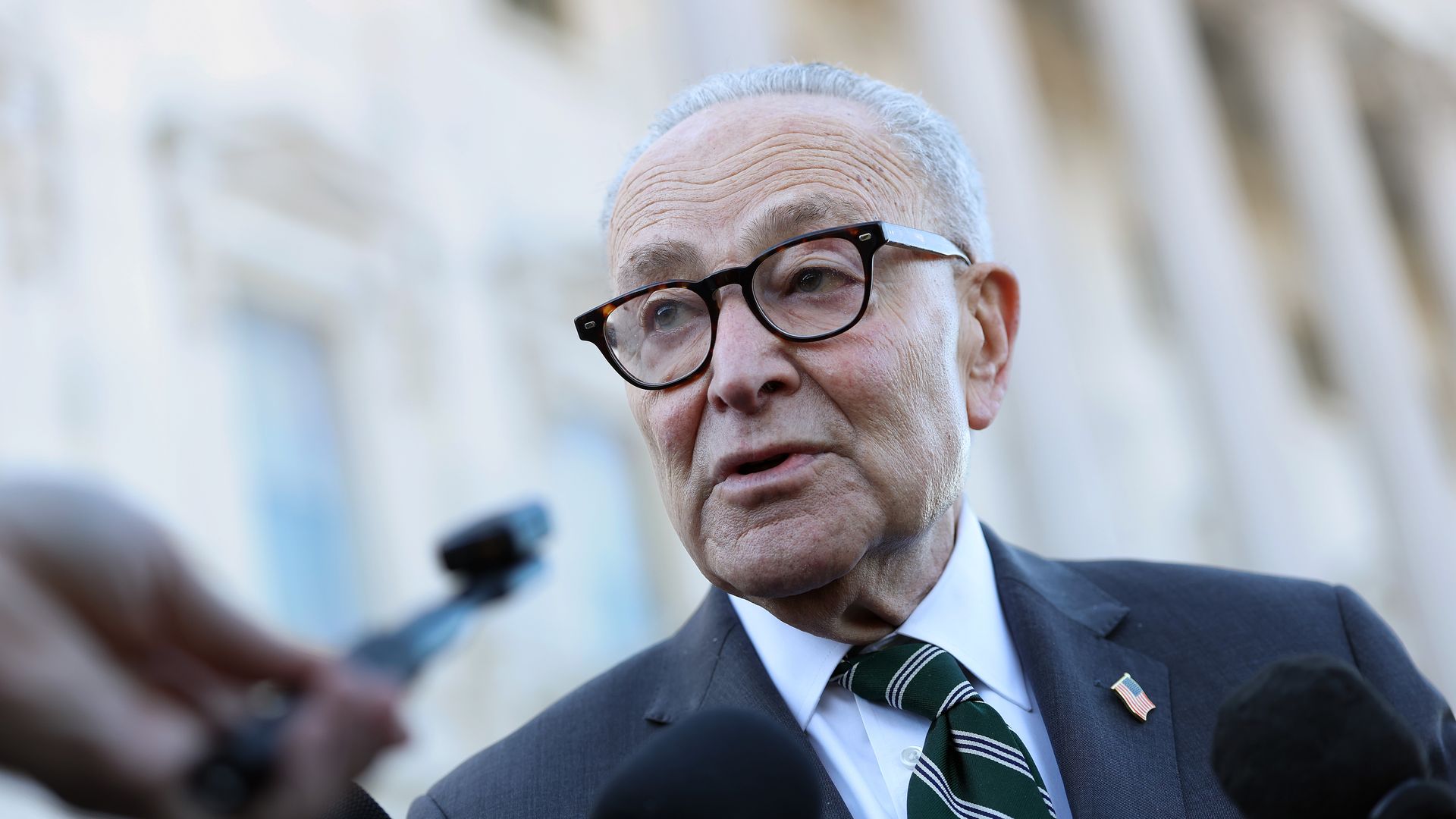
Senate Minority Leader Chuck Schumer (D-N.Y.) warned Nvidia CEO Jensen Huang that Congress is coming for answers — whether he's back at the top of the company or not.
Why it matters: The embattled CEO's return to the board came as a shock to investors but sent Nvidia's stock through the roof. Now, some lawmakers are warning that his return raises national security concerns.
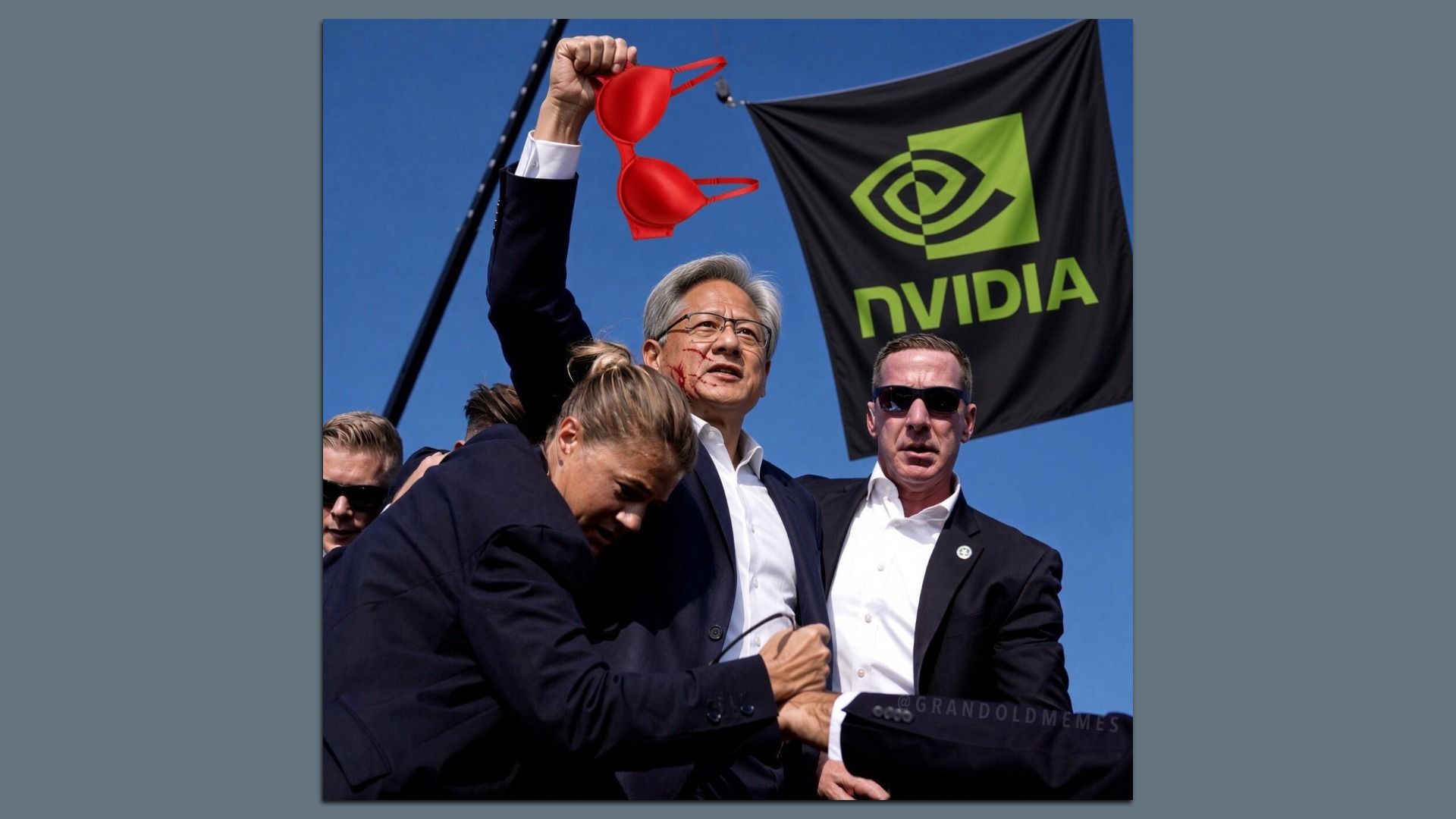
President Trump posted a doctored image of newly reinstated Nvidia CEO Jensen Huang holding a red bra in front of a Nvidia flag, posing as Trump after his viral assassination attempt at a rally in Pennsylvania in 2024.
Why it matters: The post highlights just how much the White House views Huang as an ally and how the president appears to see Huang's fall from grace and comeback as similar to his own history-making return, despite warnings about national security risks.
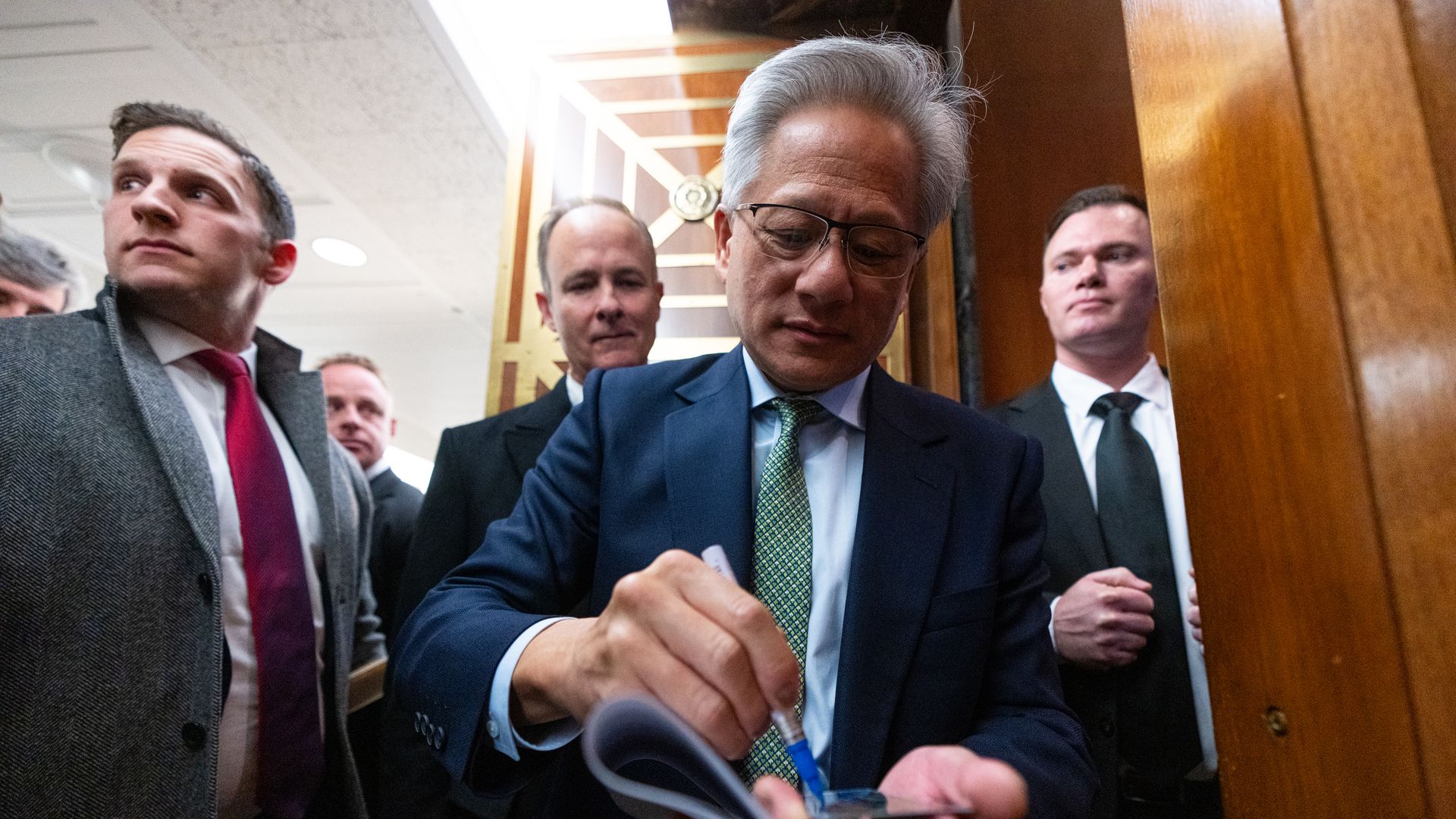
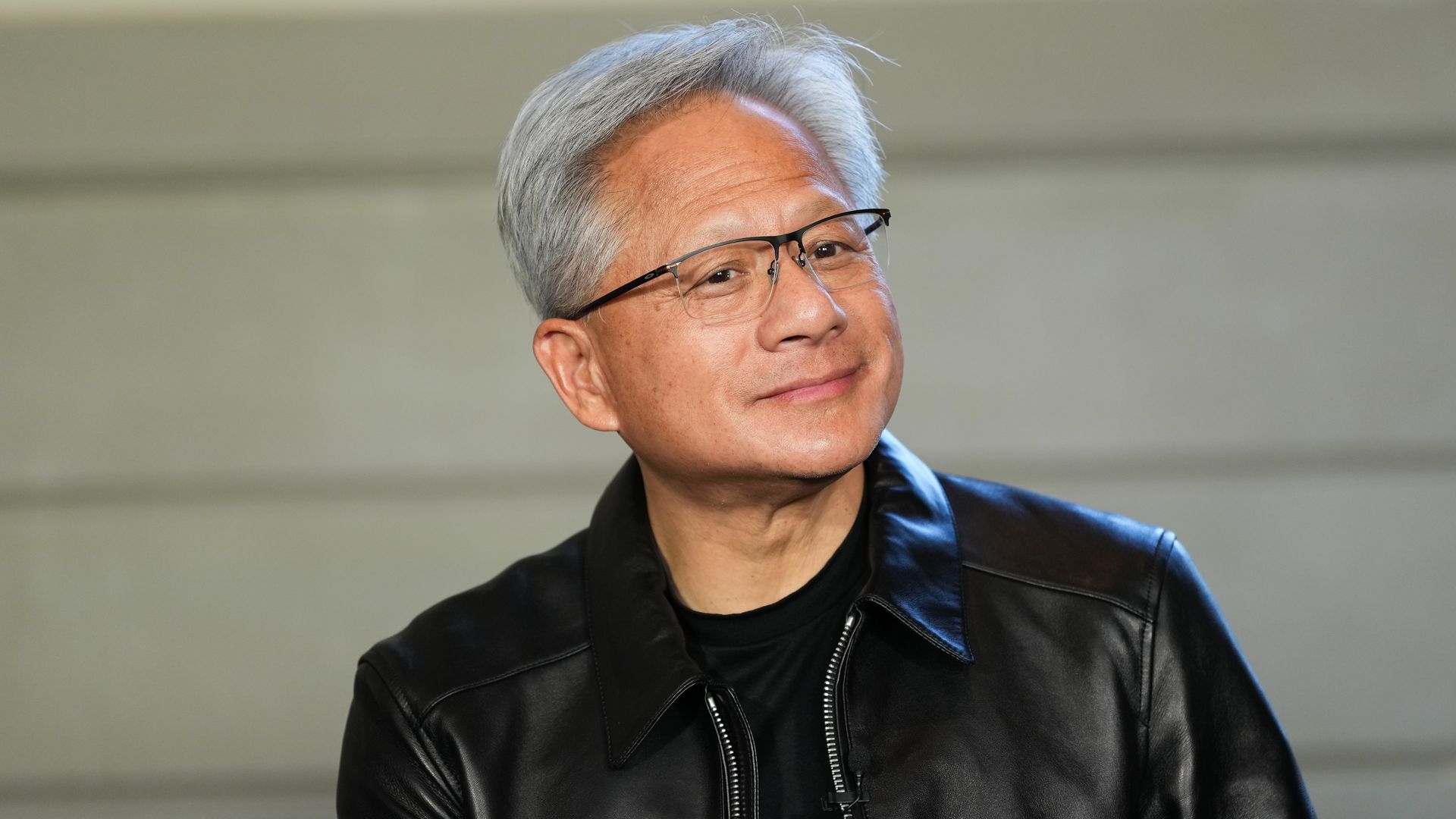
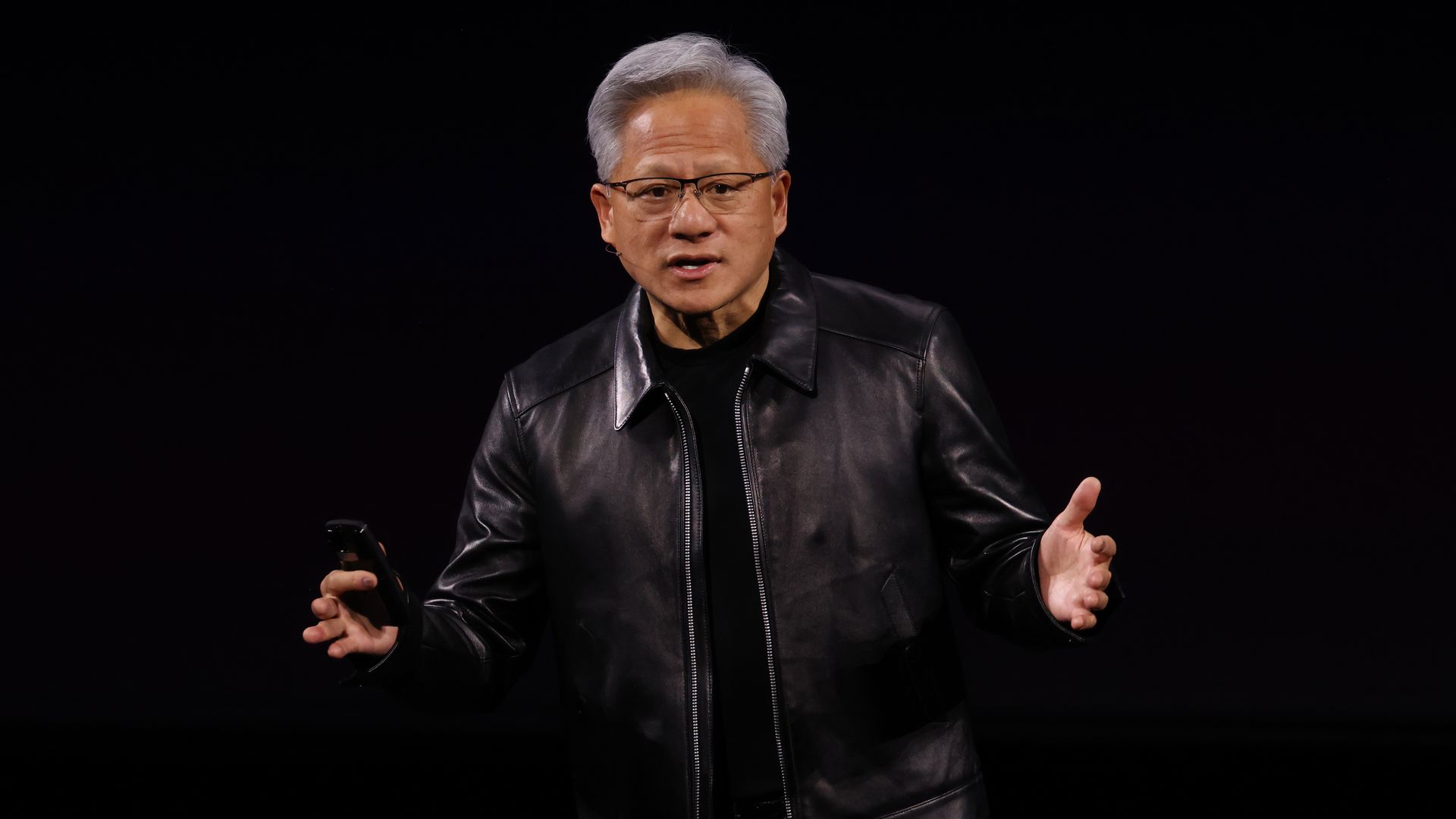
Jensen Huang is back as Nvidia's CEO ahead of his slated testimony before Congress over revelations of an affair with a suspected Chinese spy and his push to loosen restrictions on advanced chip sales to China.
Why it matters: President Trump said he intervened in the leadership fight at one of the world's most valuable companies, but his backing will only make lawmakers' questions more pointed.
Congress could still tighten the rules governing Nvidia's chip sales and force administration officials to justify their handling of intelligence warnings.
Nvidia has announced that it will reinstate Jensen Huang as CEO, president and as a member of the board.
Why it matters: Huang's ouster just days ago sent the stock market into correction territory. His return sparked a massive early rally in stocks Monday.
Legendary journalist and author Bob Woodward tells Axios co-founder Mike Allen on the latest episode of "The Axios Show" that President Trump is "worse, much worse than Nixon."
Why it matters: Woodward's extraordinary career is studded with achievements, including reporting that helped bring down Richard Nixon.
AI could put doctors who disagree with it in greater jeopardy of losing a malpractice suit, according to researchers who have tested some legal scenarios with mock juries.
Why it matters: The public may still be wary about how AI is used in a hospital or doctor's office, but there's also a baked-in assumption that it's never wrong.
The collapse of UN climate talks without an overarching deal is deepening doubts about the effectiveness of these summits — and bringing fresh calls for a shakeup.
Why it matters: Warming is on pace to far exceed the Paris Agreement target of holding long-term temperature rise under 2°C above preindustrial levels — and the more ambitious 1.5°C goal has slipped away.
Democratic National Committee chair Ken Martin is moving to restrict candidates' ties to super PACs and dark-money groups in the party's 2028 presidential primary, a shift that could shake up the race for the White House.
Why it matters: Most likely Democratic candidates for president were expected to rely on super PACs to boost their messaging — and go after other contenders.
Asian American voters swung toward Democrats in four critical states in the midterms, as frustration over prices and President Trump helped drive their choices, according to election survey data shared with Axios.
Why it matters: The shift puts both parties on notice for 2028 that Asian American voters can change political loyalties when economic frustration hits home.
Director of National Intelligence Jay Clayton will also serve as acting national cyber director while Kirsten Davies awaits Senate confirmation to lead the office, Axios has learned.
A White House official said the strong support Davies received convinced Trump to nominate her to lead the office permanently rather than keep her in an acting capacity.
Why it matters: Clayton, the nation's top intelligence official, will now coordinate cybersecurity policy as outages and reported cyberattacks expose vulnerabilities in America's digital infrastructure.