Axios Future of Defense Summit: What leaders say is needed to supercharge U.S. military readiness

Add Axios as your preferred source to
see more of our stories on Google.
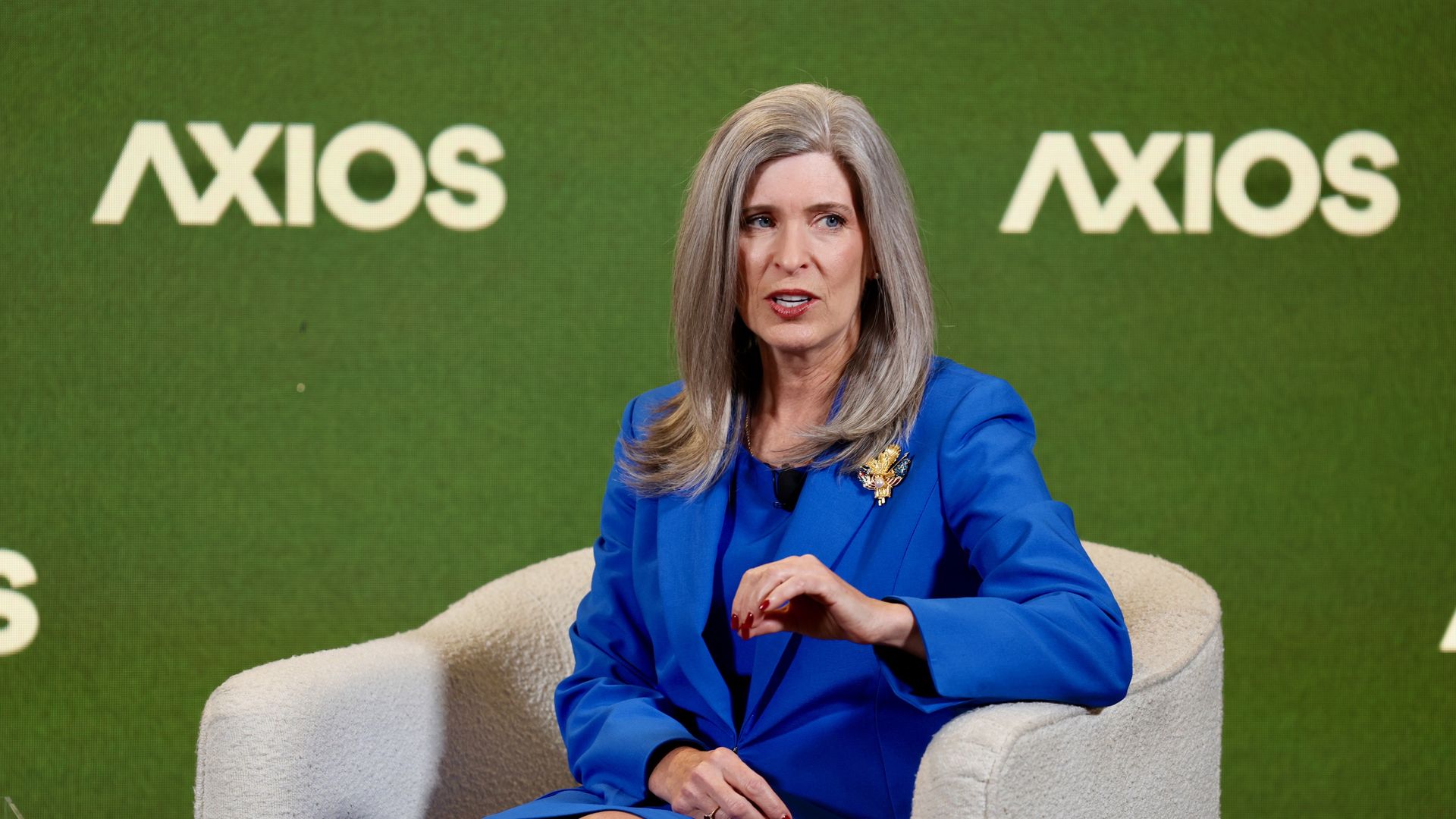
Sen. Joni Ernst (R-Iowa) at the third annual Axios Future of Defense Summit on Nov. 19. Photo: Ralph Alswang for Axios
WASHINGTON — U.S. lawmakers, defense leaders and technology innovators face growing pressure to strengthen military readiness as global threats intensify and emerging technologies reshape modern warfare.
Why it matters: Maintaining a military advantage is increasingly complex for the U.S. amid cyberthreats, rising tensions in the Arctic and rapidly evolving battlefield technologies, compounded by criticism that U.S. leaders are not doing enough to respond.
- The Nov. 19 event was sponsored by JPMorgan Chase, RTX, TurbineOne, Salesforce and Seekr.
Catch up quick: Here are the top five takeaways.
- Sen. Joni Ernst (R-Iowa) criticized the Trump administration for limited congressional briefings on the war with Iran, raising questions about the conflict's impact on munitions stockpiles. Ernst also called for boosting defense spending to keep up with growing threats. "There are a number of programs that we need to shift more towards the base budget," Ernst said.
- "We've ceded too much, and we've got to stand up and take it back," Rep. Gregory Meeks (D-N.Y.) said regarding the balance of power between the legislative and executive branches. Meeks said Congress will aim to reassert its oversight of foreign policy after Democrats take control in January and did not rule out bringing Secretary of State Marco Rubio to testify before the House Foreign Affairs Committee.
- The U.S. is playing catch-up in building ships, such as icebreakers, needed to project power in the Arctic, argued Davie Defense CEO Philip Burns-O'Brien. He called the large scale of Russia's presence in the region "quite frightening."
- Sophisticated cyberthreats demand that the U.S. rethink its approach to offensive cyber strategy, said Joe Lin, co-founder and CEO of Twenty. Adversaries are showing "a new way of leveraging cyber in order to both compete with us but also to prepare for war," Lin added.
- Ukraine's defense-tech innovation can offer the U.S. military a lesson in defense readiness, said Steve Bowsher, president and CEO of In-Q-Tel. "I'm a big believer that we aren't studying" the war and Ukraine's use of forward-deployed logistics and strategic manufacturing sufficiently, he said. "We aren't internalizing those lessons enough."
Content from the sponsors' segments:


In a View From the Top conversation, Justin Krauss, Security and Resiliency Initiative lead for defense tech and innovation economy at J.P. Morgan, explained why collaboration between defense tech innovators and larger companies can boost production capacity.
- "They [innovators] do incredible things in advanced manufacturing and developing new munitions … at the same time we need established companies who understand how to scale."
In a sponsored conversation, RTX Ventures president and managing director Daniel Ateya said his firm invests in U.S. defense startups to expand domestic manufacturing.
- "The defense industrial base clearly needs to be rejuvenated and invested … on U.S. soil for national security purposes," Ateya said.
In a sponsored conversation, Seekr vice president of public sector Mark "Whit" Whittington explained why he views AI capabilities as a supplement for human expertise.
- "It's not about replacing an analyst. ... It's about giving them a superpower so they could do so much more of that mission work and keeping our country safe," he said.
In a sponsored conversation, TurbineOne CEO Ian Kalin emphasized the importance of real-world testing of new defense technologies.
- "Get out in the field, put your stuff in an exercise, put it in the hands of a soldier," Kalin said. "If they love it, good things can happen. If they hate it, kick you out, then you probably don't deserve to be there."
