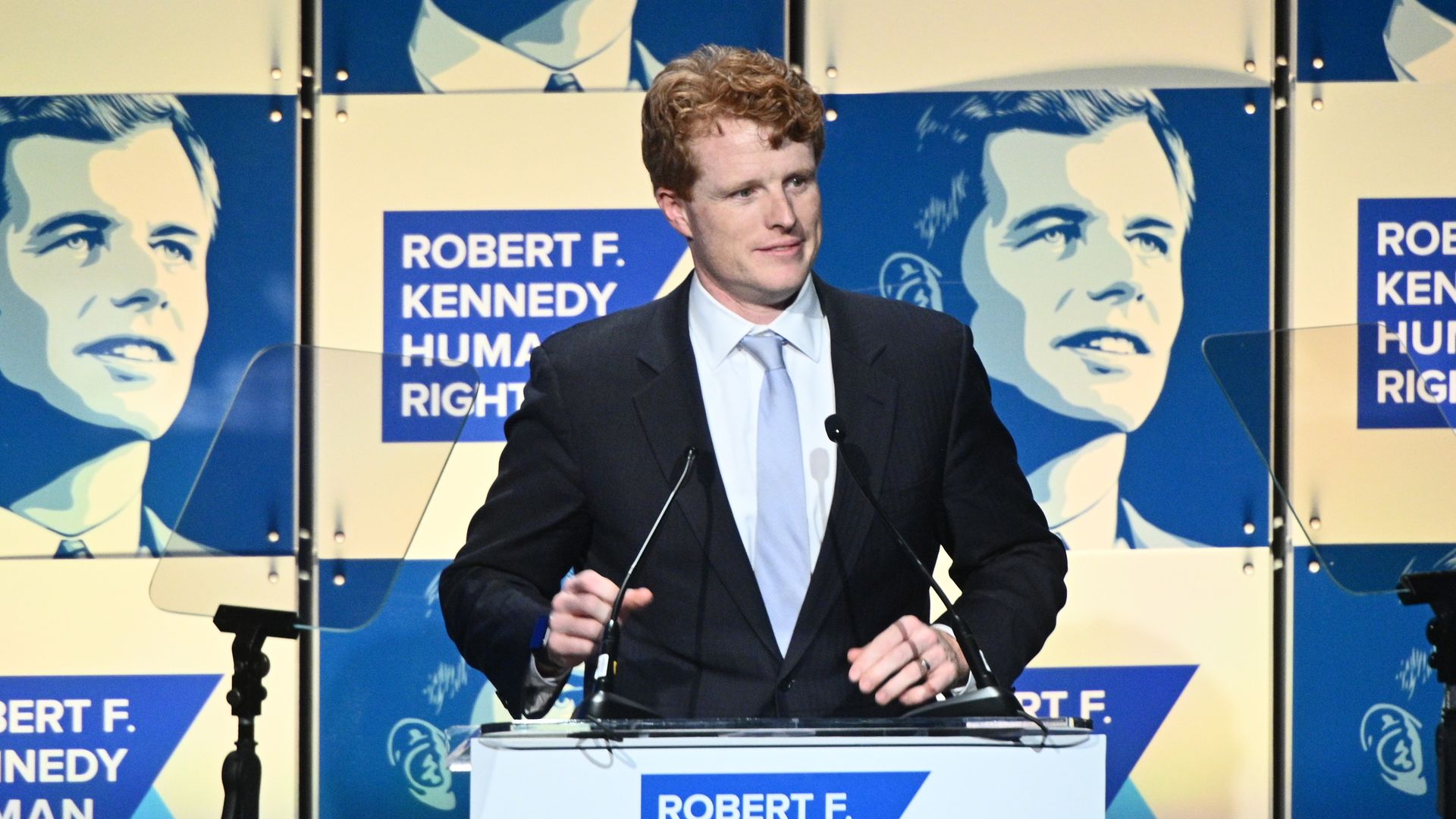
Former Rep. Joe Kennedy III, the grandson of the late Sen. Robert Kennedy, is joining the Poor People's Campaign and will push the Biden administration to focus on anti-poverty efforts.
Why it matters: The grandnephew of President John F. Kennedy is looking to remain in the public eye on matters important to him after he recently lost his bid for the U.S. Senate in Massachusetts.
American labor has long been stratified into blue collar and white collar, although the hues have never shone so brightly as they have during the pandemic.
Axios Re:Cap digs into our changing relationship with work, and what might come next, with Sarah Jaffe, author of a new book titled "Work Won't Love You Back."
Researchers at New York University have released a new study that dispels the allegations made repeatedly by conservative lawmakers and members of the conservative media that Big Tech companies intentionally censor their viewpoints.
Why it matters: For years, Republicans have used unproven allegations of censorship as a threat to regulate tech companies or demonize them as enemies of conservatives.
The American Civil Liberties Union said Monday its national board has elected civil rights attorney Deborah Archer as its new president, making her the first Black woman to lead the 101-year-old organization.
Why it matters: Archer's milestone comes as the ACLU prepares to push policies aimed at promoting racial equality — from fighting police violence to ensuring voting rights.
A House panel is launching an investigation into meatpacking giants JBS, Tyson Foods and Smithfield Foods regarding the coronavirus outbreaks at their plants — plus OSHA's oversight of industry working conditions.
Why it matters: It's among the first congressional inquiries into the meatpacking industry and the spread of the coronavirus among its front-line workers — which researchers say also impacted surrounding communities.
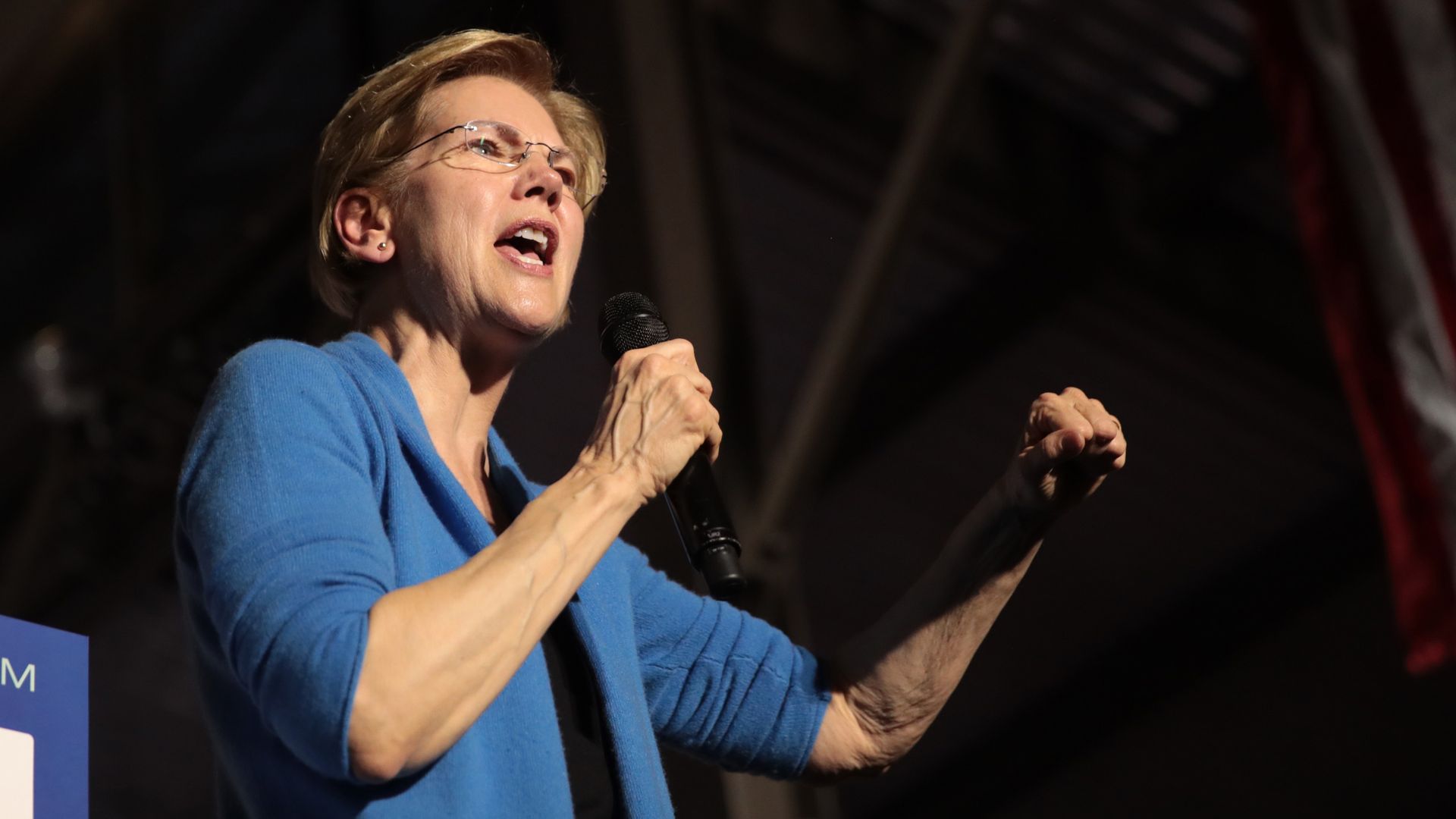
Private equity has once again found itself in the crosshairs of Sen. Elizabeth Warren (D-Mass.), this time for "treating the stock market like a casino."
What she said: Warren's broadside was part of a letter sent Friday to the SEC, asking it to investigate and provide more information on how it plans to address the recent stock market volatility, related to shares of GameStop, et al.
By the numbers: The proposal includes $160 billion in spending toward the direct response to the pandemic, including money for vaccines, testing and tracing, treatment, and medical equipment.
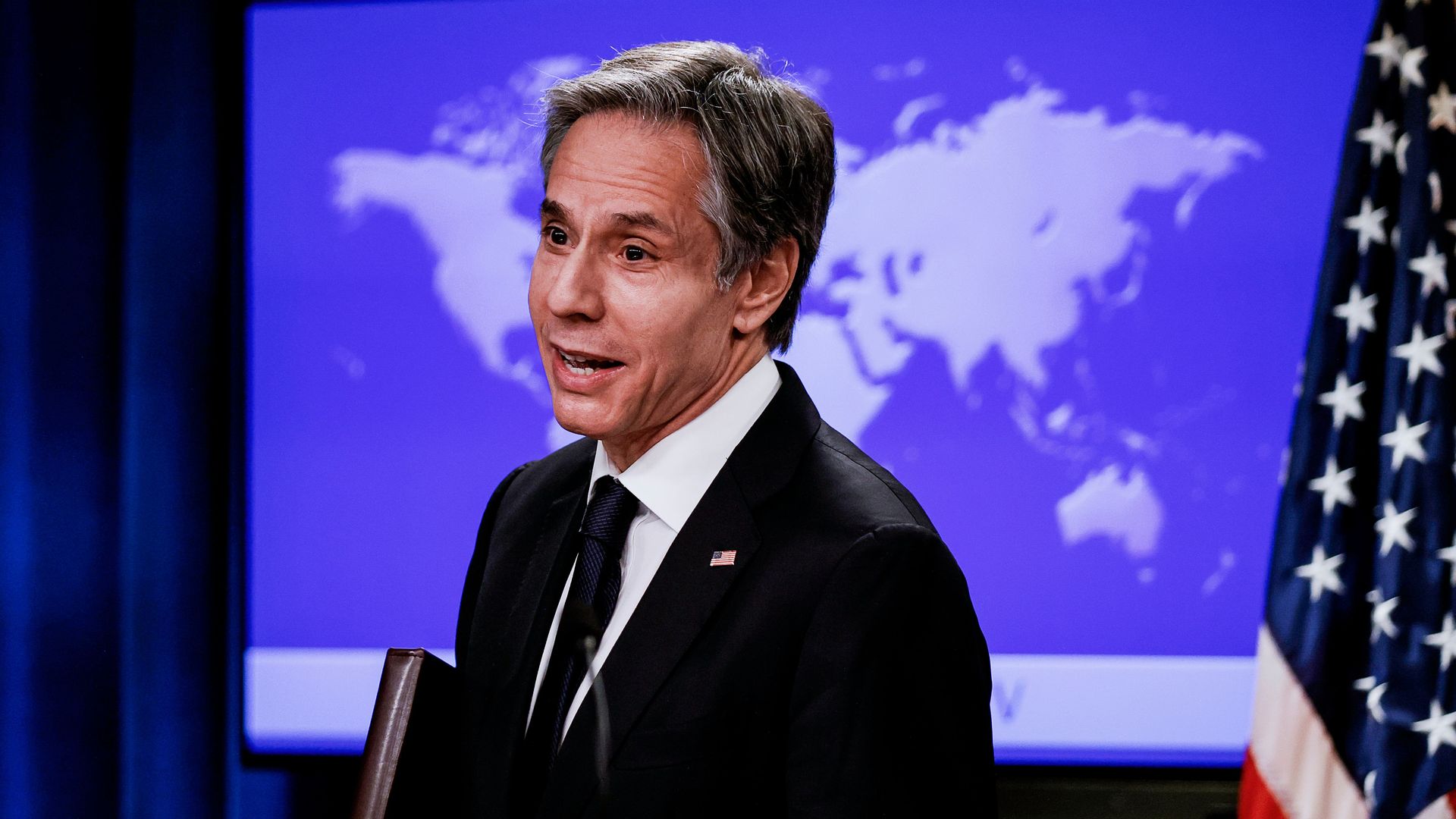
Secretary of State Antony Blinken says the weekend protests and arrests in Russia are about "the frustration that the Russian people have with corruption, with autocracy," in an interview that aired Monday on NBC.
What he's saying: “We are deeply disturbed by this violent crackdown against people exercising their rights to protest peacefully against their government, rights that are guaranteed to them in the Russian constitution."
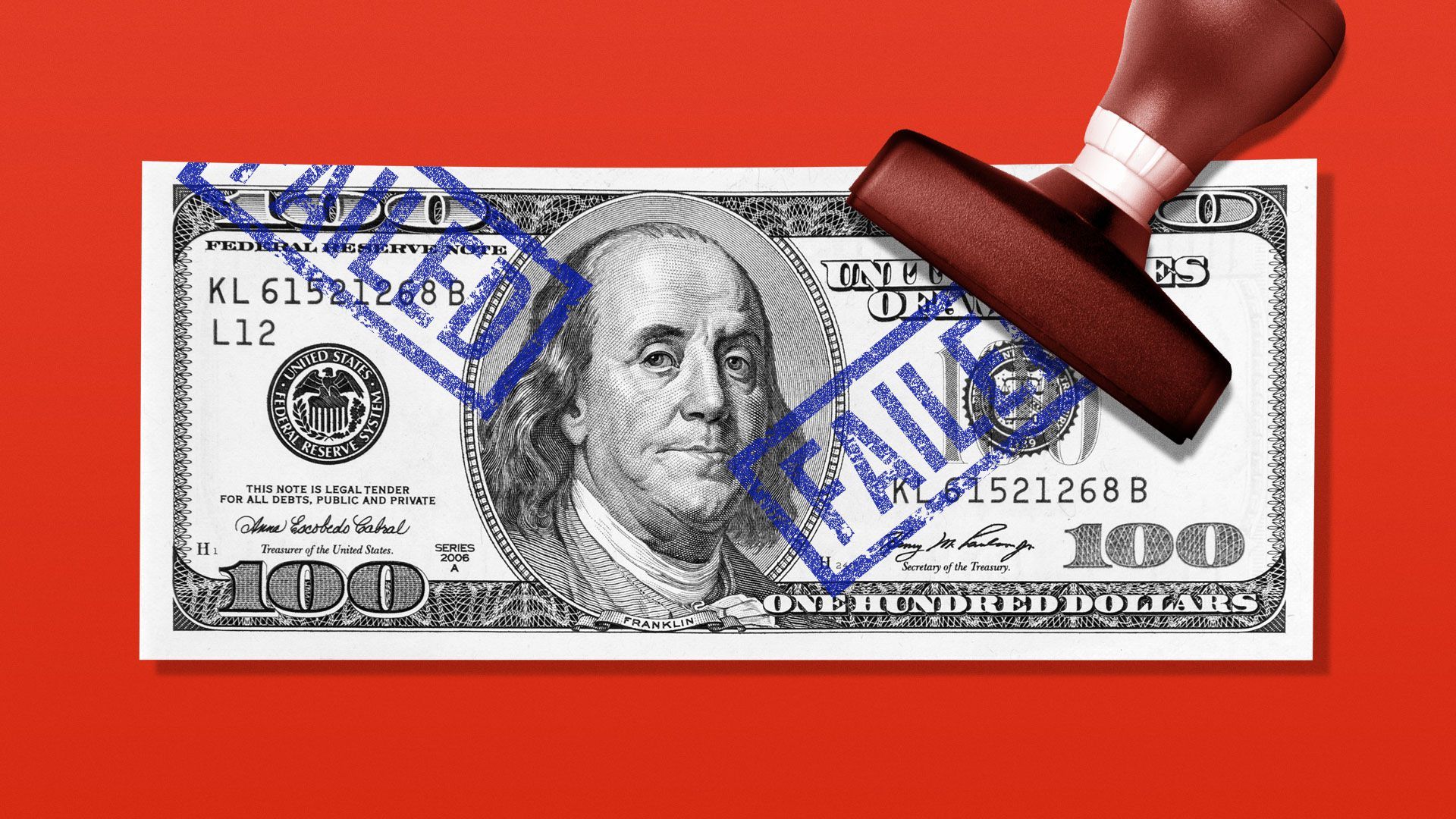
The Biden administration plansto review the phase one U.S.-China trade deal, White House press secretary Jen Psaki said on Friday. Based on publicly available data, it's hard to imagine they'll find anything other than a debacle.
Driving the news: China isn't even close to fulfilling its end of the deal — having come up 42% short of its commitment, Chad Bown, a fellow at the Peterson Institute for International Economics, reported late last week.
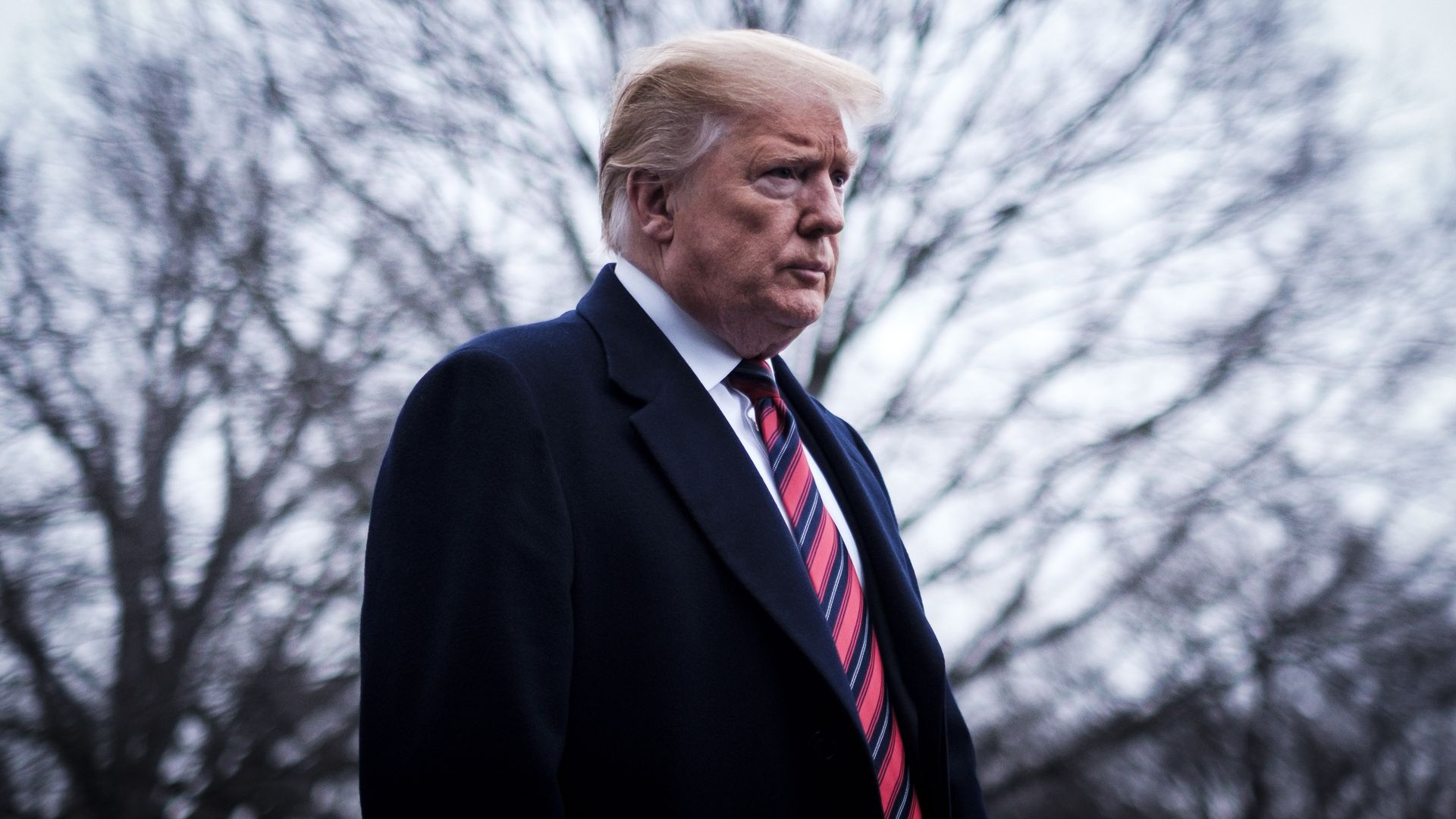
In this episode of How It Happened: Trump's Last Stand, national political correspondent Jonathan Swan reveals the story behind President Trump's break from Attorney General William Barr, who had been deeply loyal and a key bridge between Trump and the Republican establishment.
Swan takes listeners into the room for two explosive, consequential meetings that lead to Barr's resignation.
By examining the breakdown of the relationship between Trump and Barr, Swan shows how Trump began to turn on not just his campaign team, but his most crucial allies in his administration.
Note: This episode contains some explicit language.
Credits: This show is produced by Amy Pedulla, Naomi Shavin and Alice Wilder. Dan Bobkoff is the executive producer. Additional reporting and fact checking by Zach Basu. Margaret Talev is managing editor of politics. Sara Kehaulani Goo is Axios’s executive editor. Sound design by Alex Sugiura and theme music by Michael Hanf.
About this series: The reporting in this series is based on multiple interviews with current and former White House, campaign, government and congressional officials as well as direct eyewitnesses and people close to President Trump. Sources have been granted anonymity to share sensitive observations or details they would not be formally authorized to disclose. President Trump and other officials to whom quotes and actions have been attributed by others were provided the opportunity to confirm, deny or respond to reporting elements prior to publication.
This series was reported by White House reporter Jonathan Swan, with writing, reporting and research assistance by Zach Basu.
Top Trump health officials urged Congress last fall not to give states any additional money for the COVID-19 vaccine rollout, as state officials warned they didn't have the funding they needed, STAT scoops.
Why it matters: The vaccine rollout was ultimately sluggish, and the number of vaccines administered in the first few weeks fell way short of federal projections — partially because states faced a lack of resources.
Ron Steslow, a political strategist who hosted The Lincoln Project's podcast, is launching a new podcast company called Politicology, promising "politics without the blinders."
Why it matters: His venture could capture large audiences seeking to understand America's troubled political undercurrents.
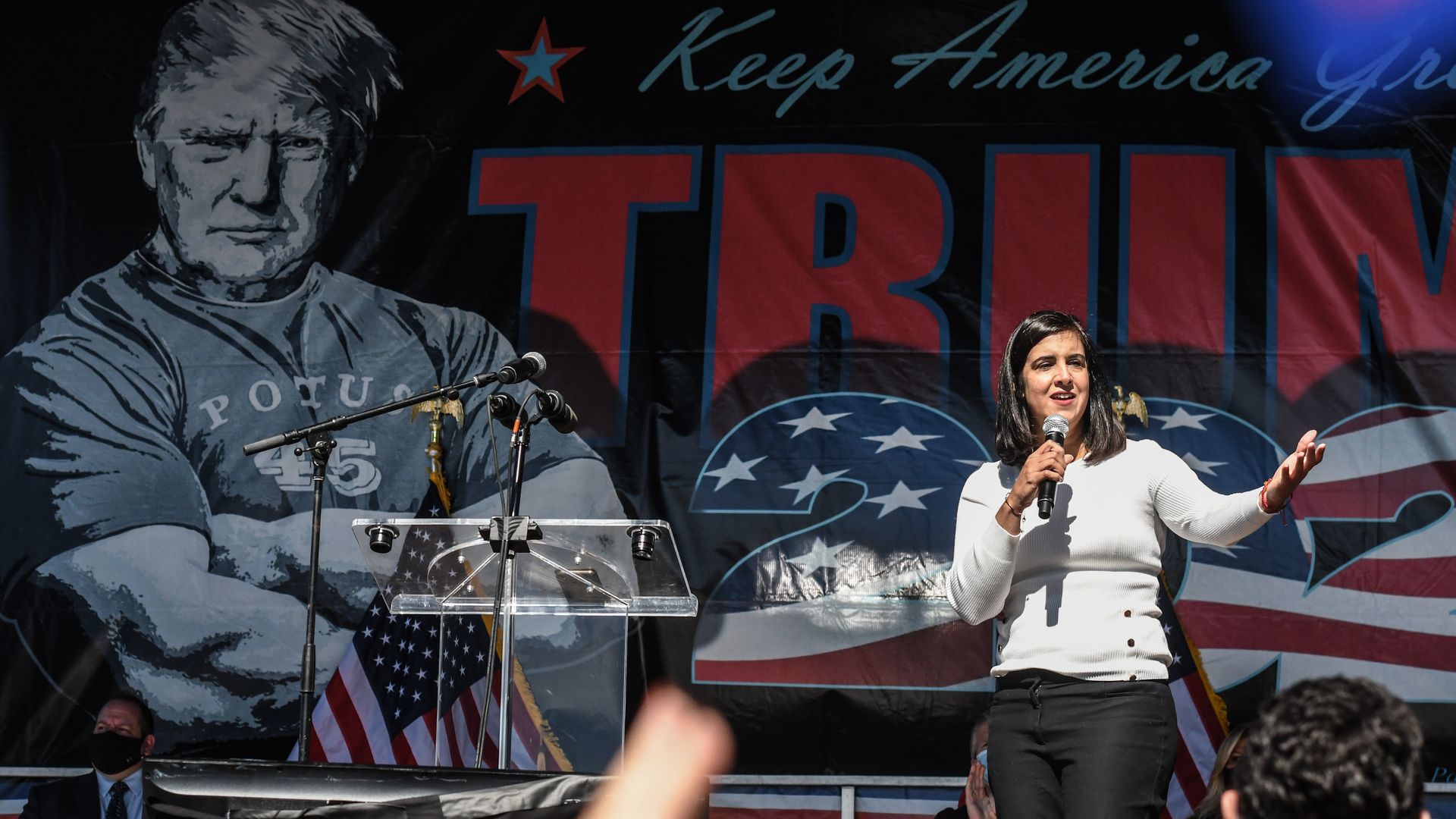
A bipartisan group of New Yorkers is targeting Rep. Nicole Malliotakis in the latest effort aimed at tying pro-Trump Republicans to the Capitol siege.
Why it matters: While Republicans are desperately trying to turn the page on former President Trump’s actions and the deadly events of Jan. 6, Democrats and other Trump opponents plan to keep linking the party to the Capitol insurrection ahead of the 2022 midterms.
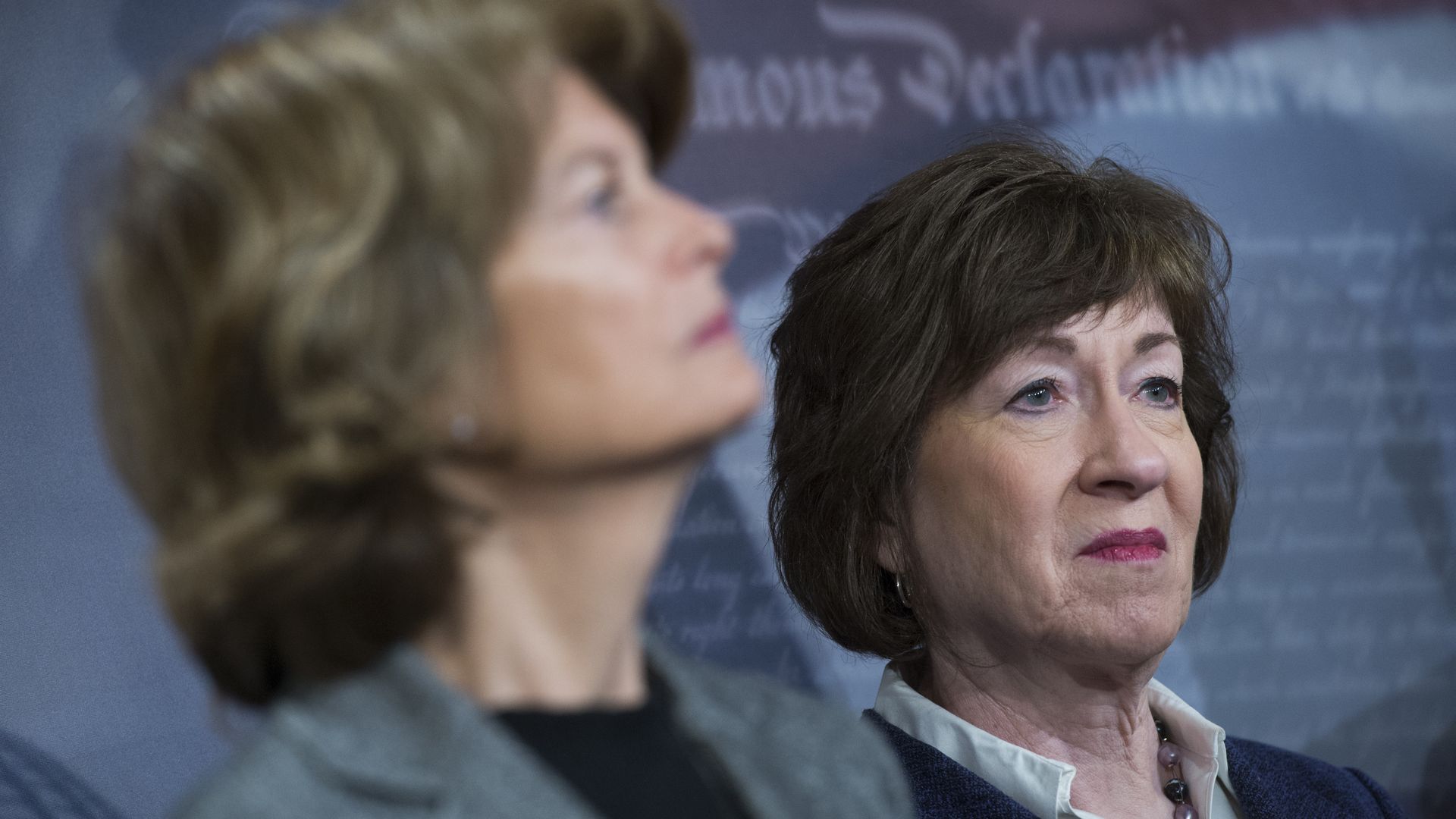
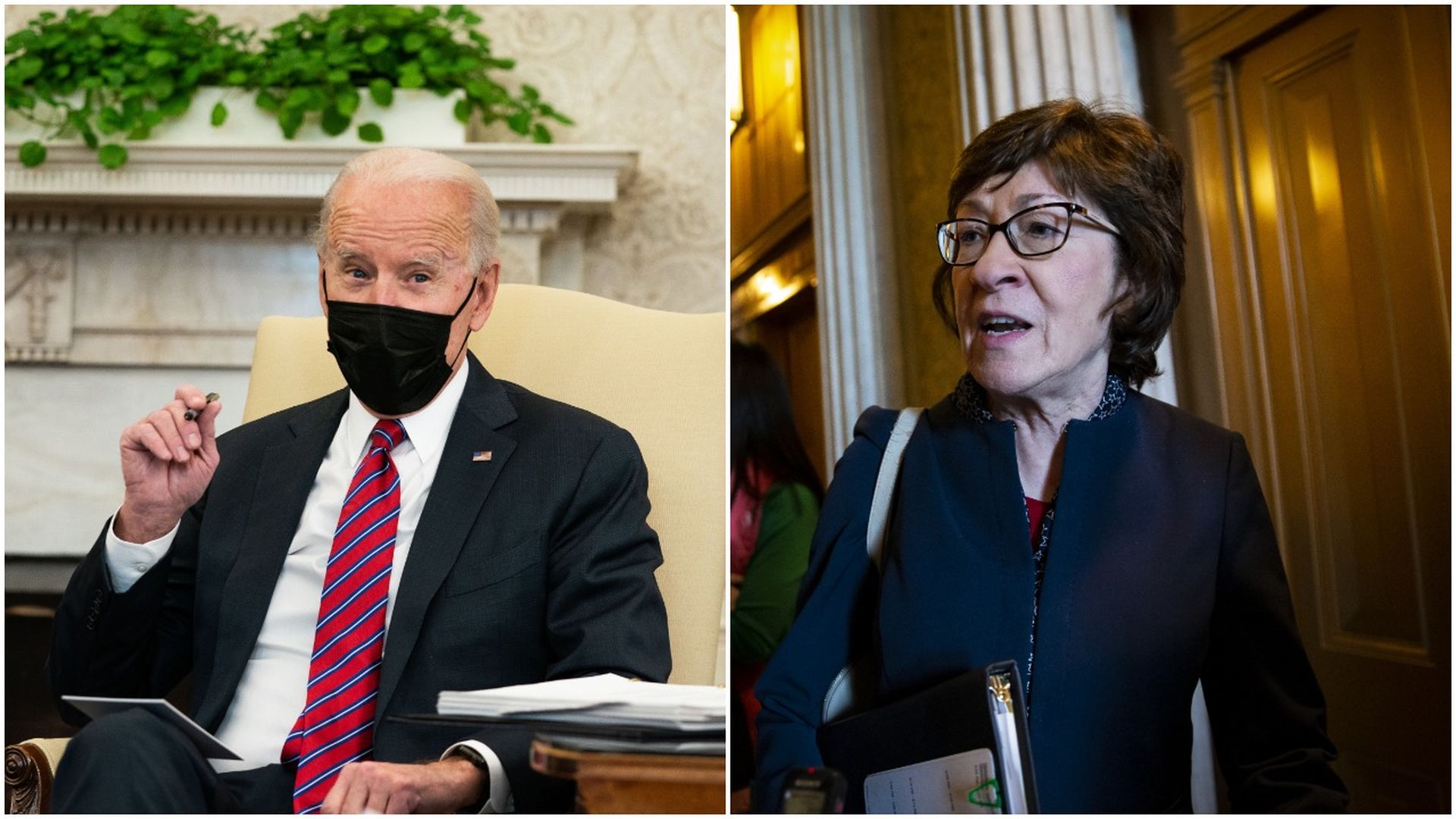
President Biden will on Monday meet at the White House with a group of 10 Republican senators who are seeking a bipartisan deal on coronavirus relief.
Driving the news: White House press secretary Jen Psaki said that after receiving a letter earlier Sunday from the Republicans, led by Sen. Susan Collins, Biden spoke with the Maine senator and invited them to the White House "for a full exchange of views."