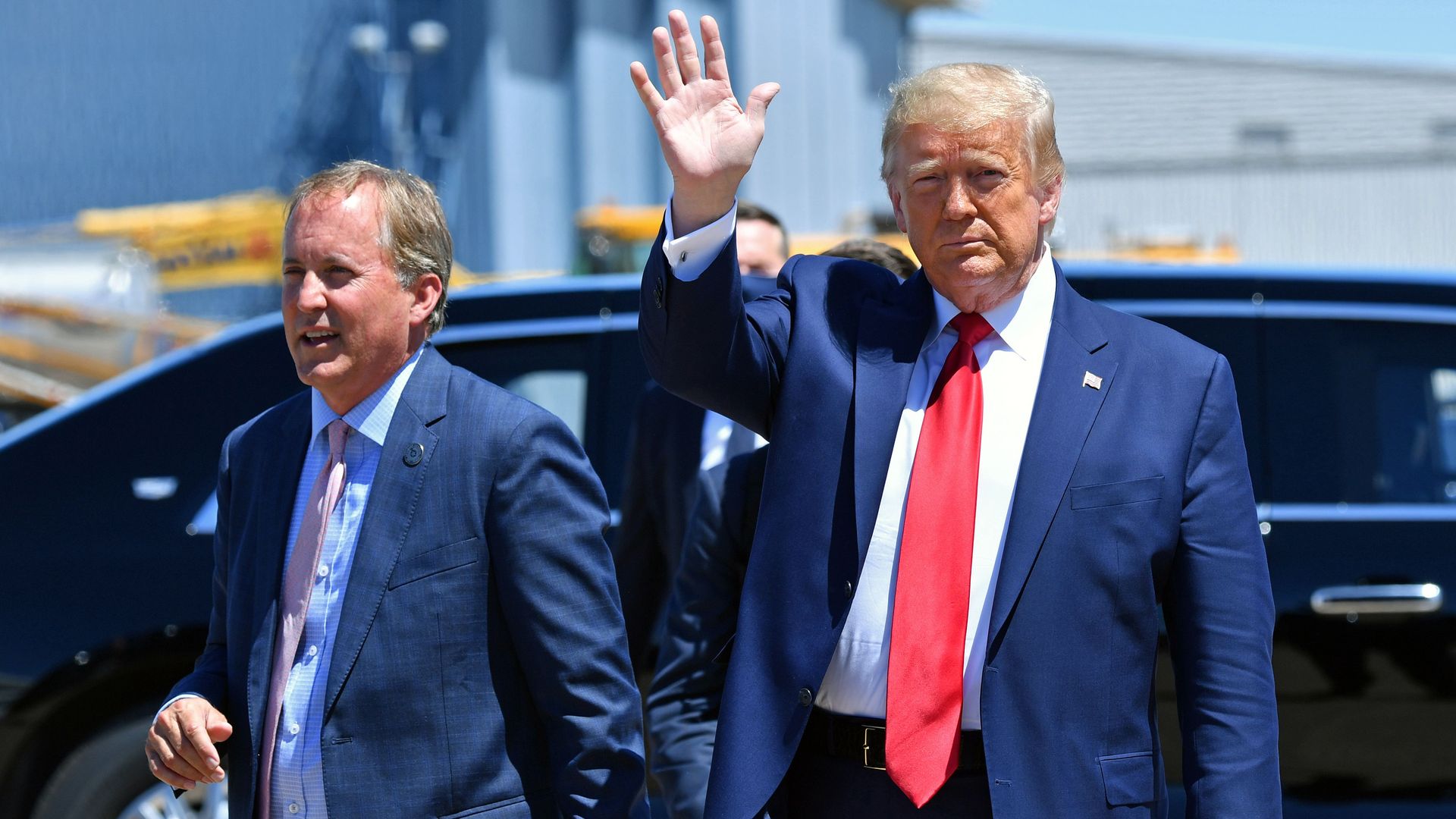
The Supreme Court on Friday rejected a lawsuit filed by Texas Attorney General Ken Paxton that sought to invalidate 10 million votes in four battleground states — Pennsylvania, Georgia, Michigan and Wisconsin — that President Trump lost.
Why it matters: It's the latest and most significant legal defeat for Trump and his allies in their floundering attempt to overturn the 2020 election results. Trump tweeted Wednesday, "We will be INTERVENING in the Texas (plus many other states) case. This is the big one. Our Country needs a victory!"
European Union leaders have agreed to cut net carbon emissions at least 55% from 1990 levels by 2030, European Council President Charles Michel announced on Friday.
The big picture: The agreement eased concerns among Eastern European countries, including Poland, that rely heavily on coal, while putting the EU on a path toward its goal to be climate-neutral by 2050.
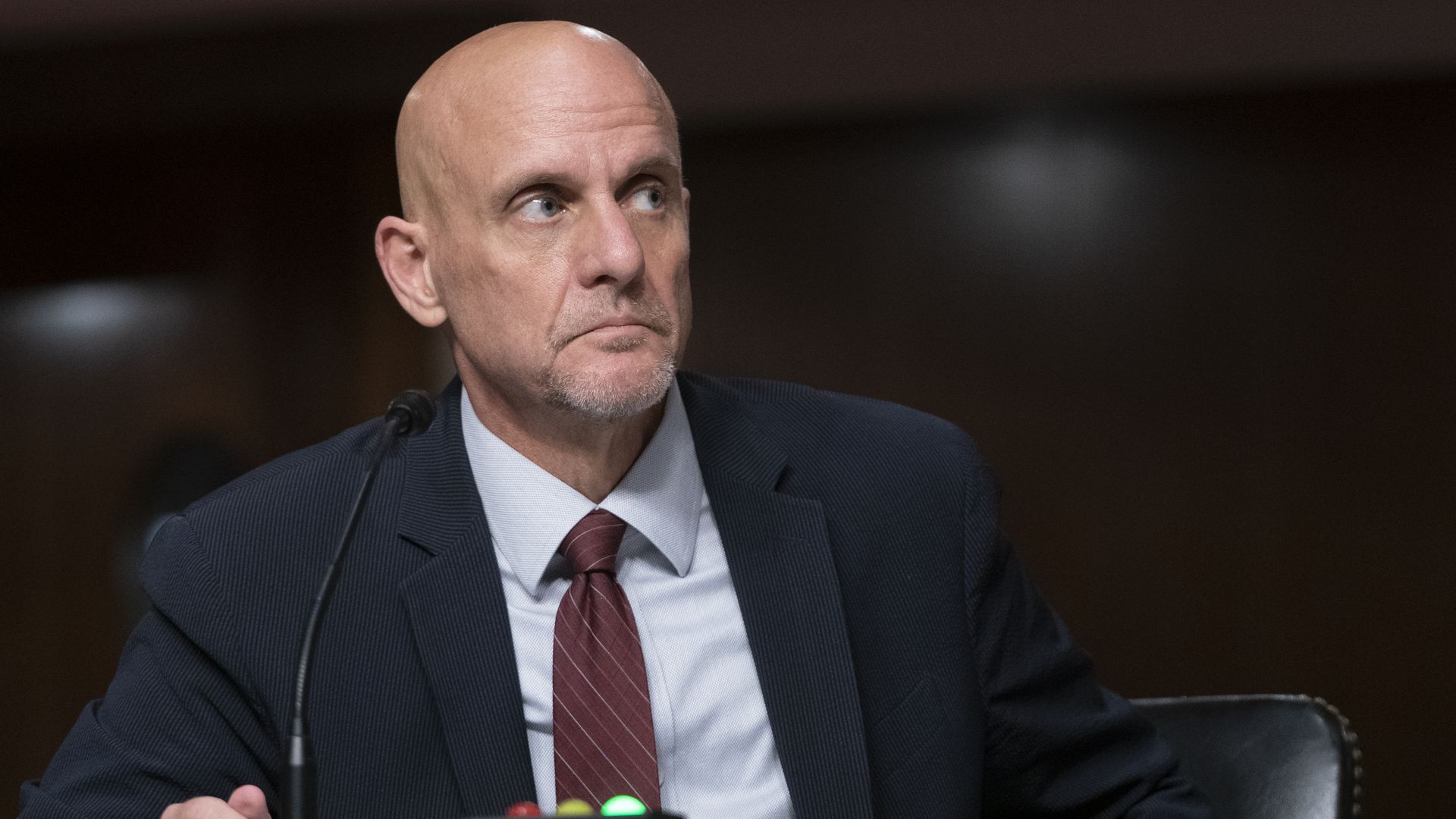
White House chief of staff Mark Meadows hinted to Food and Drug Administration commissioner Stephen Hahn on a phone call Friday that his job security might be in jeopardy as he pushed the FDA chief to approve Pfizer's coronavirus vaccine by the end of the day, according to two sources familiar with the call.
Why it matters: It's one more example of the White House putting political pressure on the FDA to expedite its green light on a coronavirus vaccine.
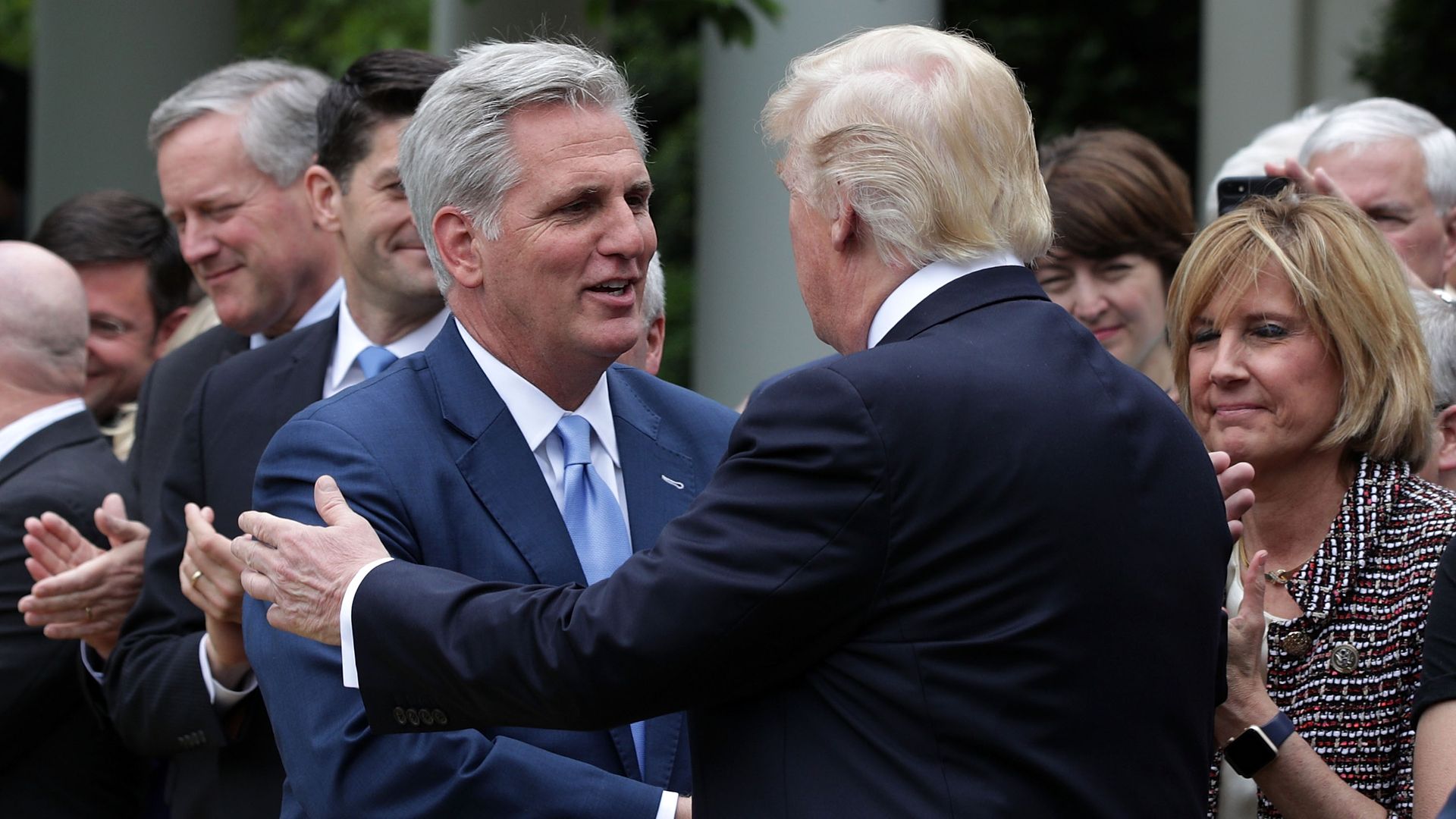
House Minority Leader Kevin McCarthy (R-Calif.) on Friday joined 125 House Republicans in backing the Texas lawsuit that seeks to invalidate the millions of votes in four battleground states that President-elect Joe Biden won.
Why it matters: McCarthy was left off of the original filing on Thursday and would not answer questions about whether he supported the long-shot lawsuit, which has been dismissed by legal experts as doomed to fail. He is now the highest-ranking Republican in Congress to back the suit, which President Trump has called "the big one."
America is in the grips of the worst COVID-19 outbreak since the pandemic began, in terms of infections, hospitalizations and deaths. That means testing is now more important than ever before, and will continue to be a key public health tool even after vaccinations begin.
Axios Re:Cap digs into the past, present and future of COVID-19 testing with Adam Schechter, CEO of LabCorp, one of the country's two largest testing companies.
The Senate passed the National Defense Authorization Act (NDAA) by an 84-13 vote on Friday, defying President Trump's threat to veto the bill if it does not repeal liability protections for social media companies.
Why it matters: Both the House and Senate have now passed the bill by a veto-proof two-thirds majority, though it's unclear if the same number of lawmakers that voted to pass the bill would vote to overturn a Trump veto. Overriding Trump's veto would serve as a rare Republican rebuke to the president in his last weeks in office.
New York City will close indoor dining on Monday in an effort to curb the spread of the coronavirus, Gov. Andrew Cuomo said Friday.
Why it matters: Hospitalizations have continued to increase in New York City, a metric that Cuomo said the state would watch to determine whether tighter restrictions would be necessary. Takeout, delivery and outdoor dining will be allowed to continue.
A fallout between President Trump and Sen. Jim Inhofe (R-Okla.), chairman of the Senate Armed Services Committee, led to the breakthrough that resulted in the Morocco-Israel normalization deal, sources briefed on the matter told me.
Why it matters: Inhofe is Washington's most avid supporter of the Polisario Front — a Sahrawi rebel national liberation movement aiming to end Moroccan occupation of the Western Sahara. He has travelled many times to Algeria for meetings with Polisario leaders.
Another political battle is brewing over how financial regulators and banks deal with the risks of climate change.
Driving the news: Nearly 50 GOP House members this week fired a shot across the Federal Reserve's bow as the central bank increases its focus on climate.
The Trump administration is shattering a gruesome record on its way out, executing more federal prisoners in a matter of months — including two this week — than over the past several decades combined.
Why it matters: President-elect Biden opposes the death penalty and has said he wants to end its use. New U.S. presidents can undo many of their predecessors' actions, but executions are uniquely irreversible.
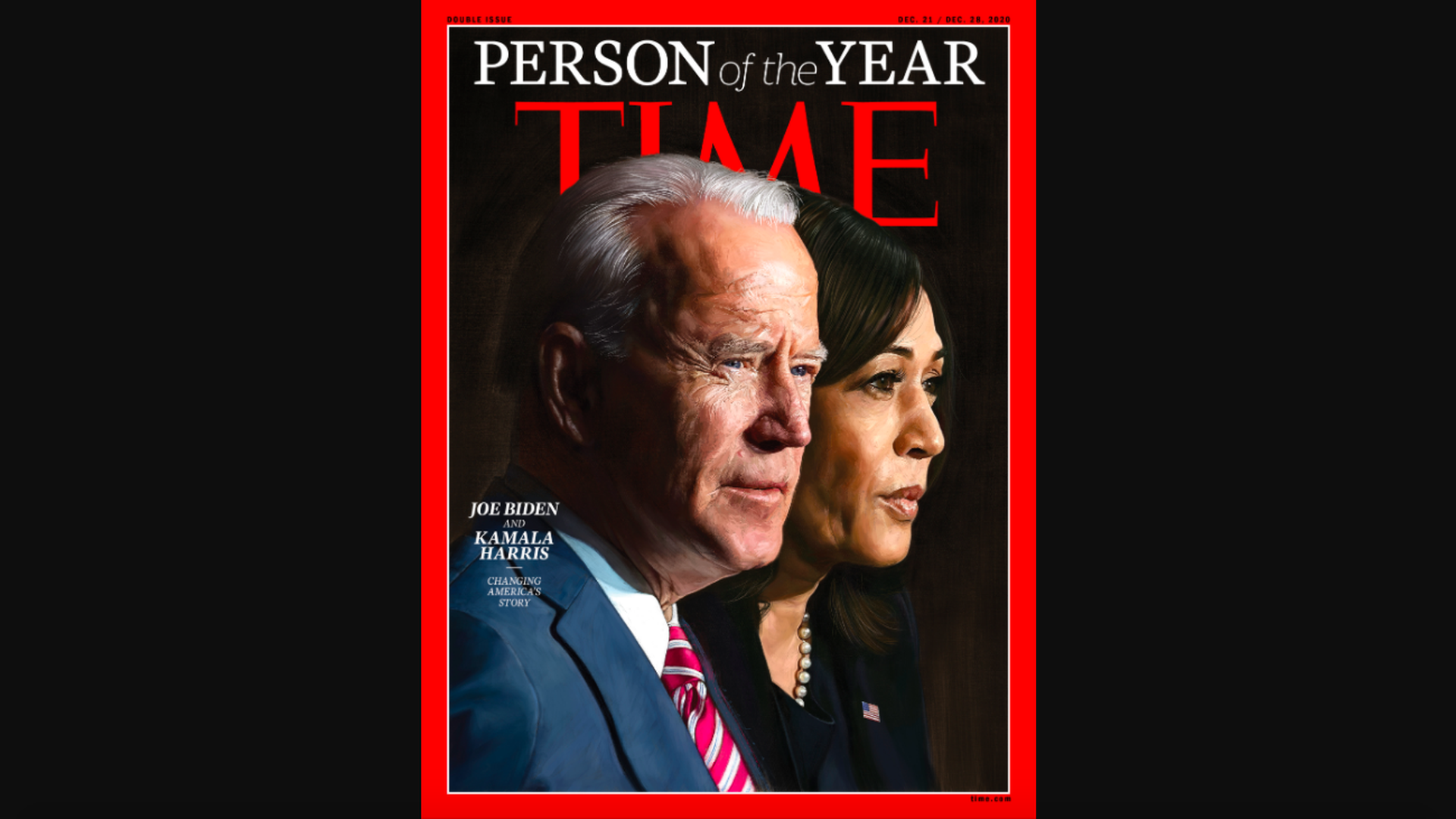
President-elect Joe Biden and Vice President-elect Kamala Harris have been named Time magazine's 2020 Person of the Year, finishing ahead of finalists that included President Trump, frontline health workers and Anthony Fauci, and the racial-justice movement.
Why it matters: Time has picked a Person of the Year every year since 1927, usually selecting "an individual but sometimes multiple people who greatly impacted the country and world during the calendar year."
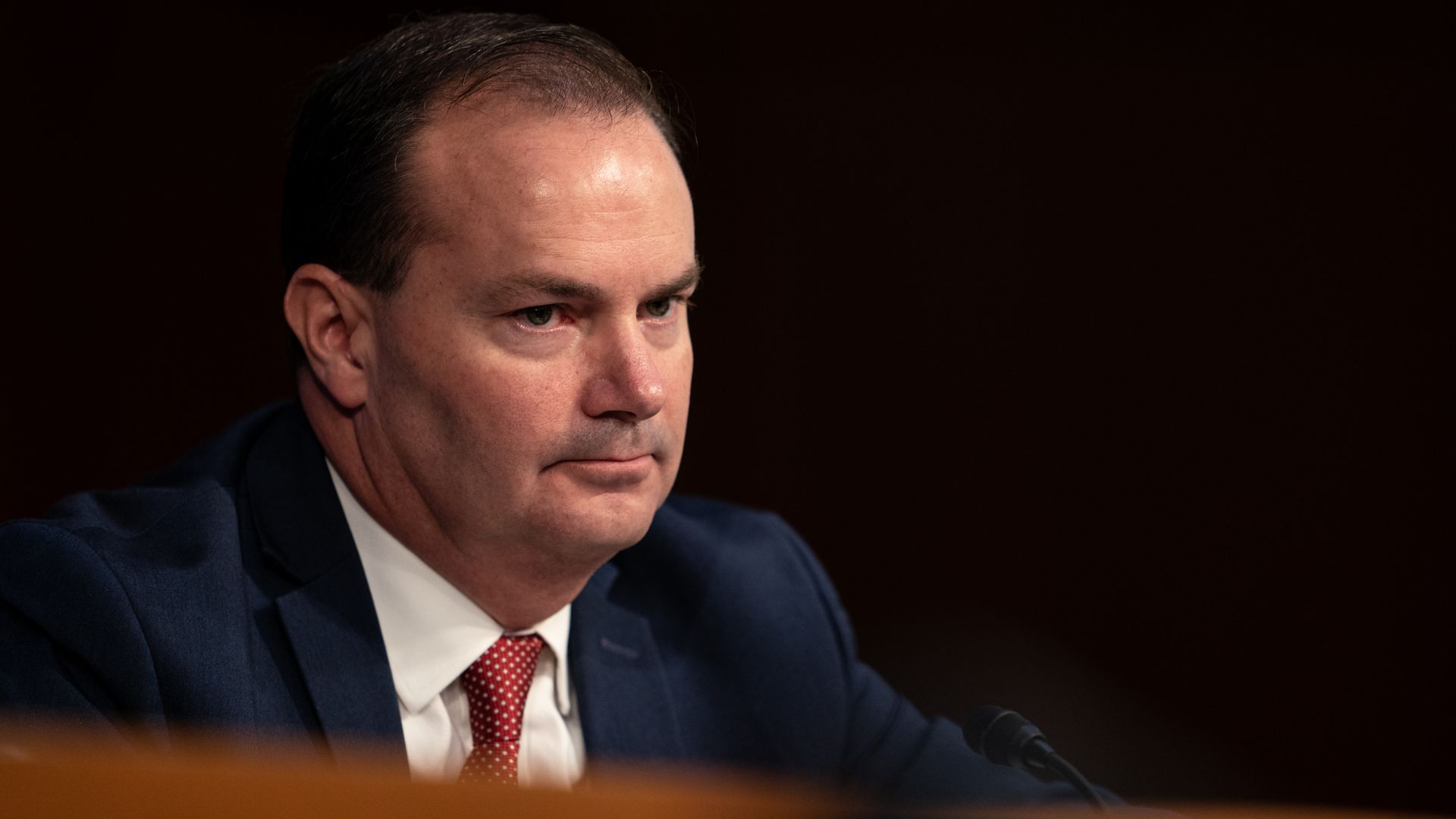
GOP Sen. Mike Lee (Utah) on Thursday blocked legislation to establish a National Museum of the American Latino and American Women's History Museum as part of the Smithsonian Institution.
Why it matters: The Smithsonian Institution operates more than a dozen museums and galleries, but none are dedicated to the contributions and history of Latino Americans and women.
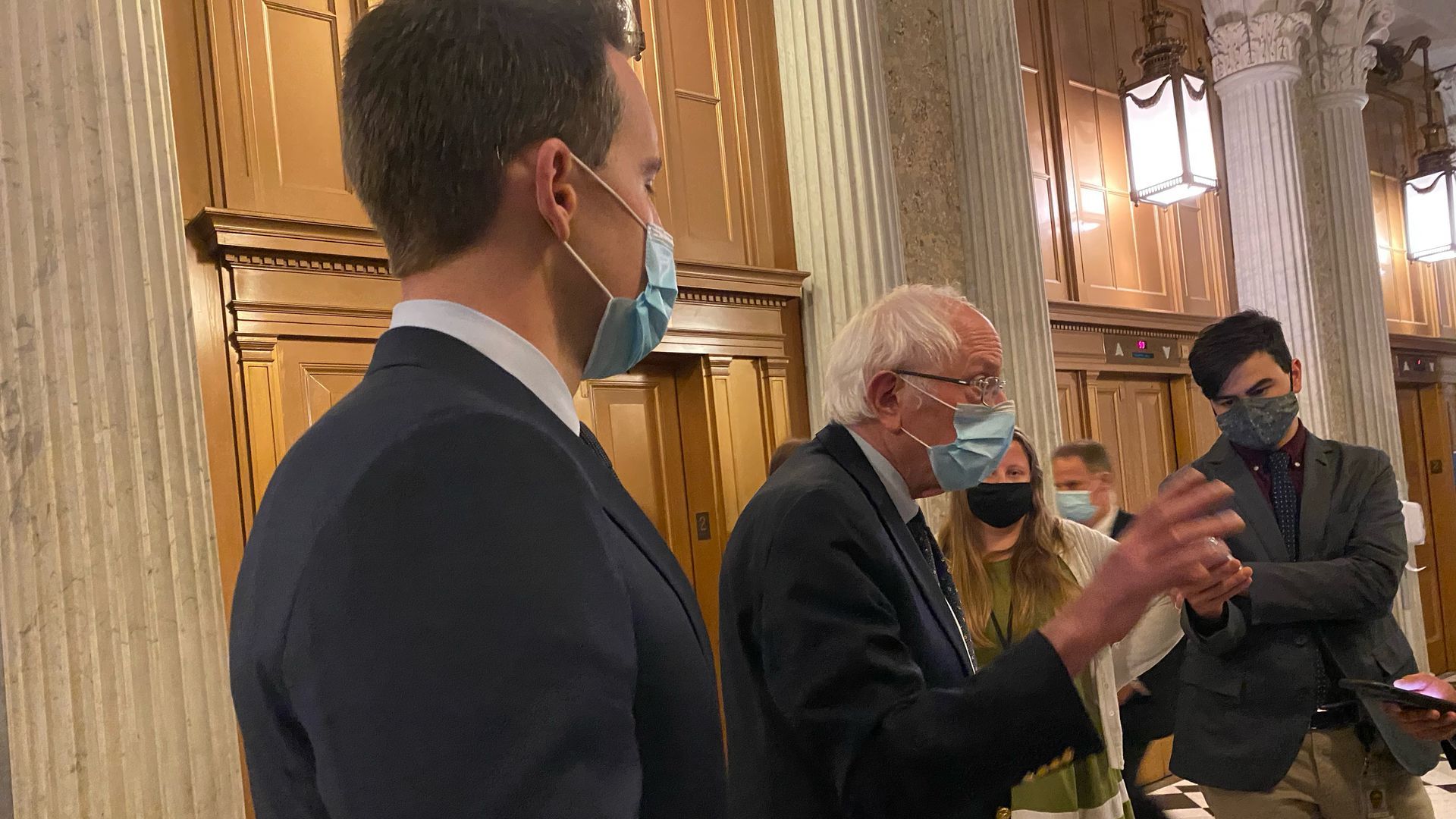
The stimulus' strangest Senate bedfellows? Maybe Bernie Sanders and Josh Hawley.
Driving the news: The push for cash payments as part of more COVID-19 relief has forged an unlikely alliance between the Vermont liberal, 79, and Missouri conservative, 40.
Some of President Trump's advisers are trying to convince him that if he vetoes a defense reauthorization bill that could pass Friday, his fellow Republicans won't sustain it and he'll risk losing credibility with the troops, sources with direct knowledge of the conversations tell Axios.
Behind the scenes: In private conversations, Trump seems to believe Republicans would ultimately bend to his will and support a veto. He argues the bill needs a provision repealing protections for social media companies, but several confidants have tried to persuade him his fellow Republicans don't agree.
Lloyd Austin will begin courtesy calls with Congress next week, but his nomination to be Defense secretary may not even make it out of committee unless Republicans help grant the waiver he needs to hold the job, people familiar with the matter say.
The big picture: While civil rights groups are hailing Austin’s nomination to be the first Black Defense secretary, some Democrats on the Senate Armed Services Committee have already said they oppose the waiver, leaving it up to Republicans to rescue him — and some predict the vote will fail in committee.
President-elect Joe Biden is daring Senate Republicans with Cabinet picks and nominees who have grated on the party but also have flaws that could now give the GOP an easy out for rejecting them.
Why it matters: Familiar faces like Denis McDonough, Tom Vilsack and Neera Tanden may be comfort food for the president-elect’s soul, but they're flashbacks to an era wherein Republicans sought to obstruct Democratic people and policies.