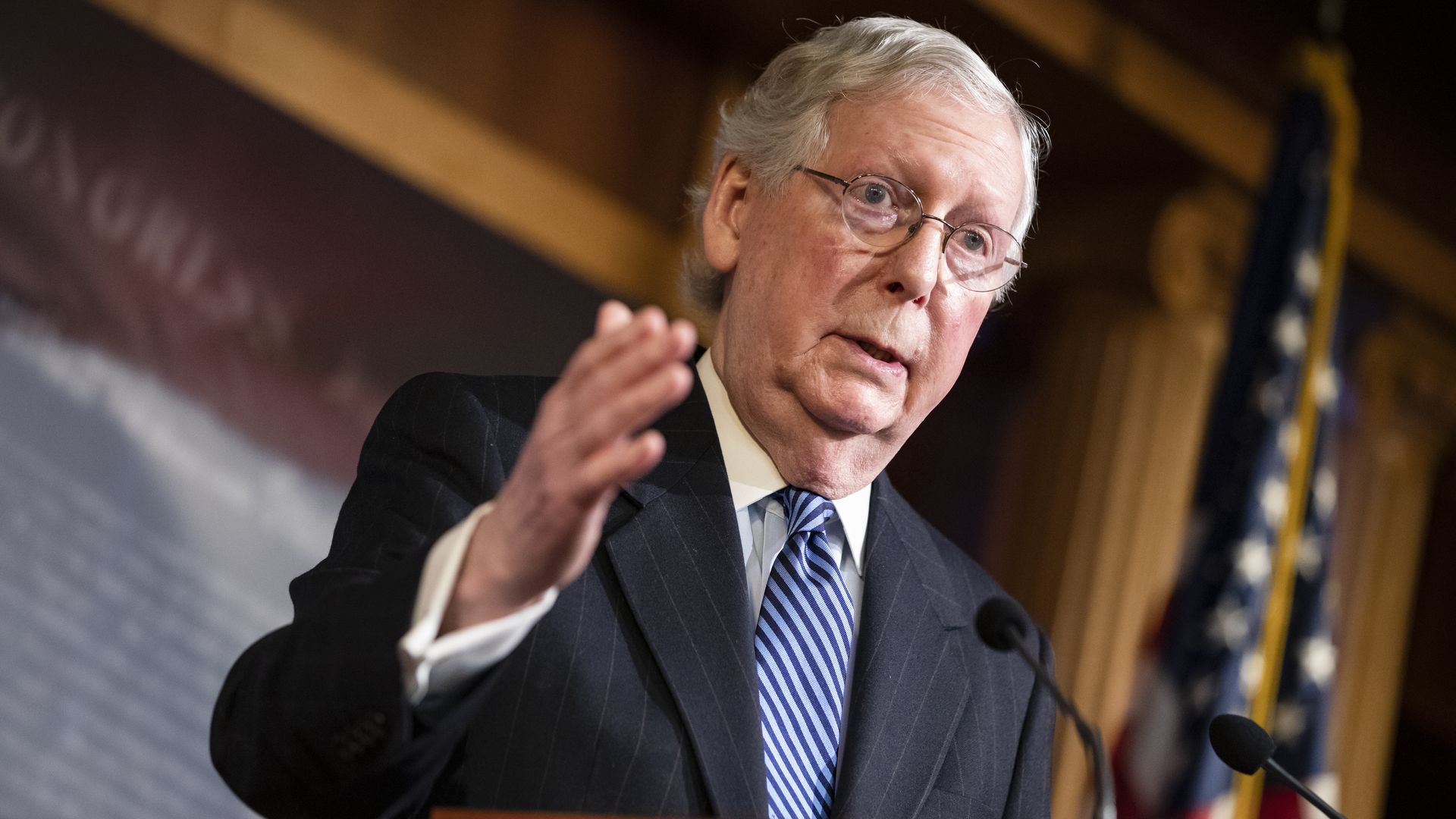
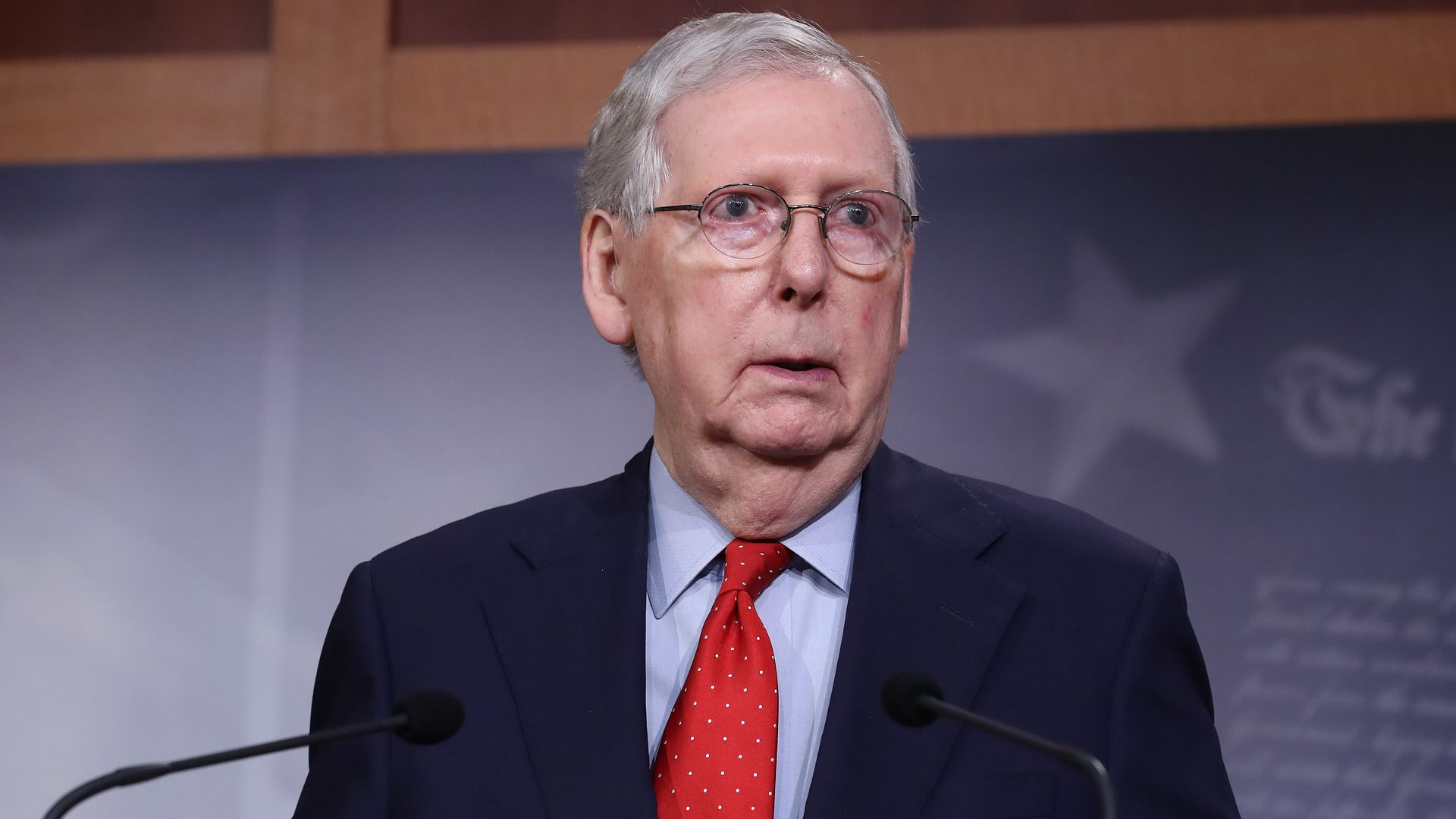
Senate Majority Leader Mitch McConnell told Politico on Monday it is "highly likely" that the next coronavirus response bill will provide aid to local governments, but Congress may tie the funds to limiting employer liabilities amid workers' returns.
Why it matters: Policymakers have expressed concerns about liabilities as businesses reopen amid the coronavirus pandemic. U.S. Chamber of Commerce President Suzanne Clark told Axios last week that employers could face massive liability concerns, calling it "a second economic risk."
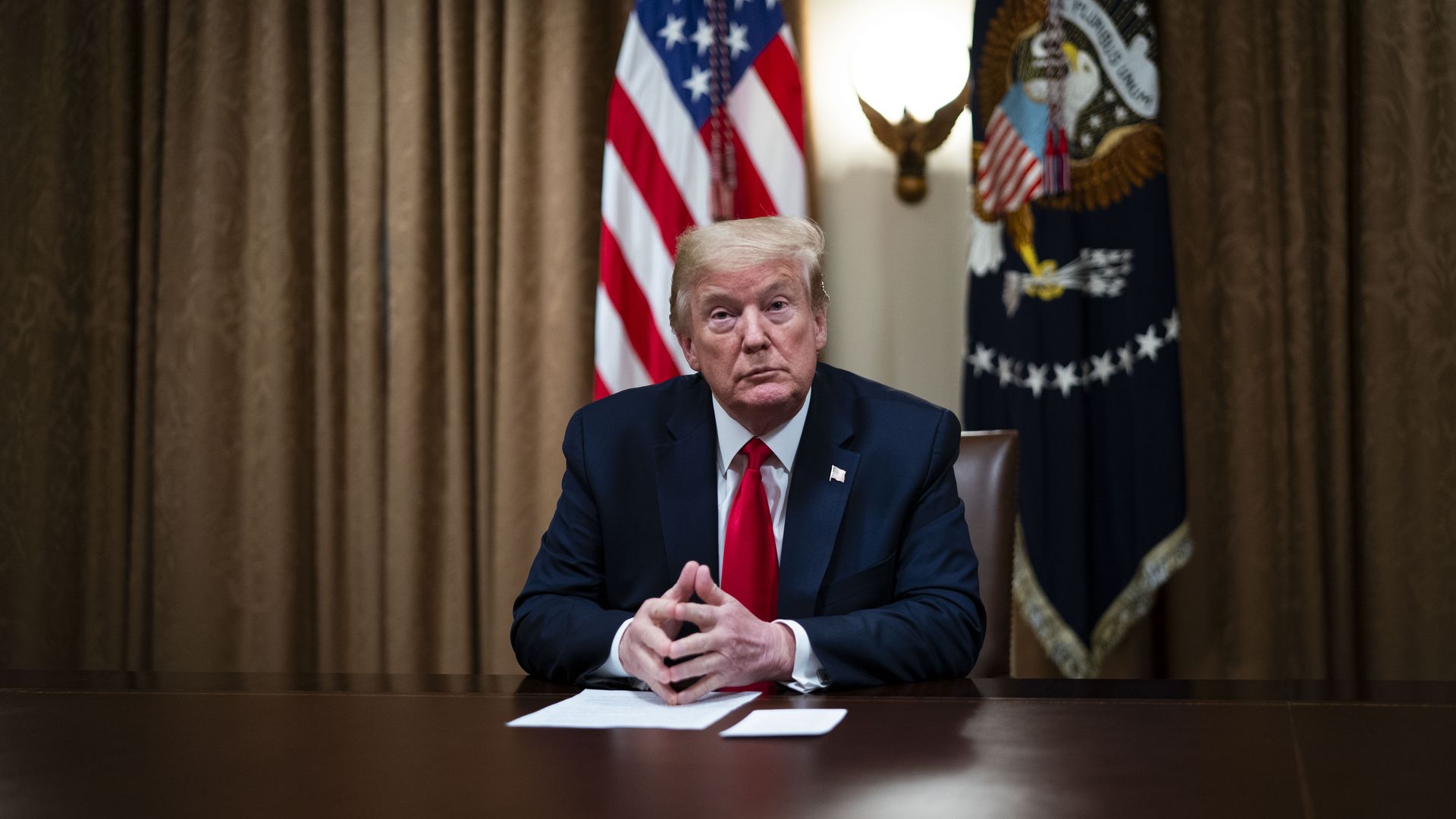
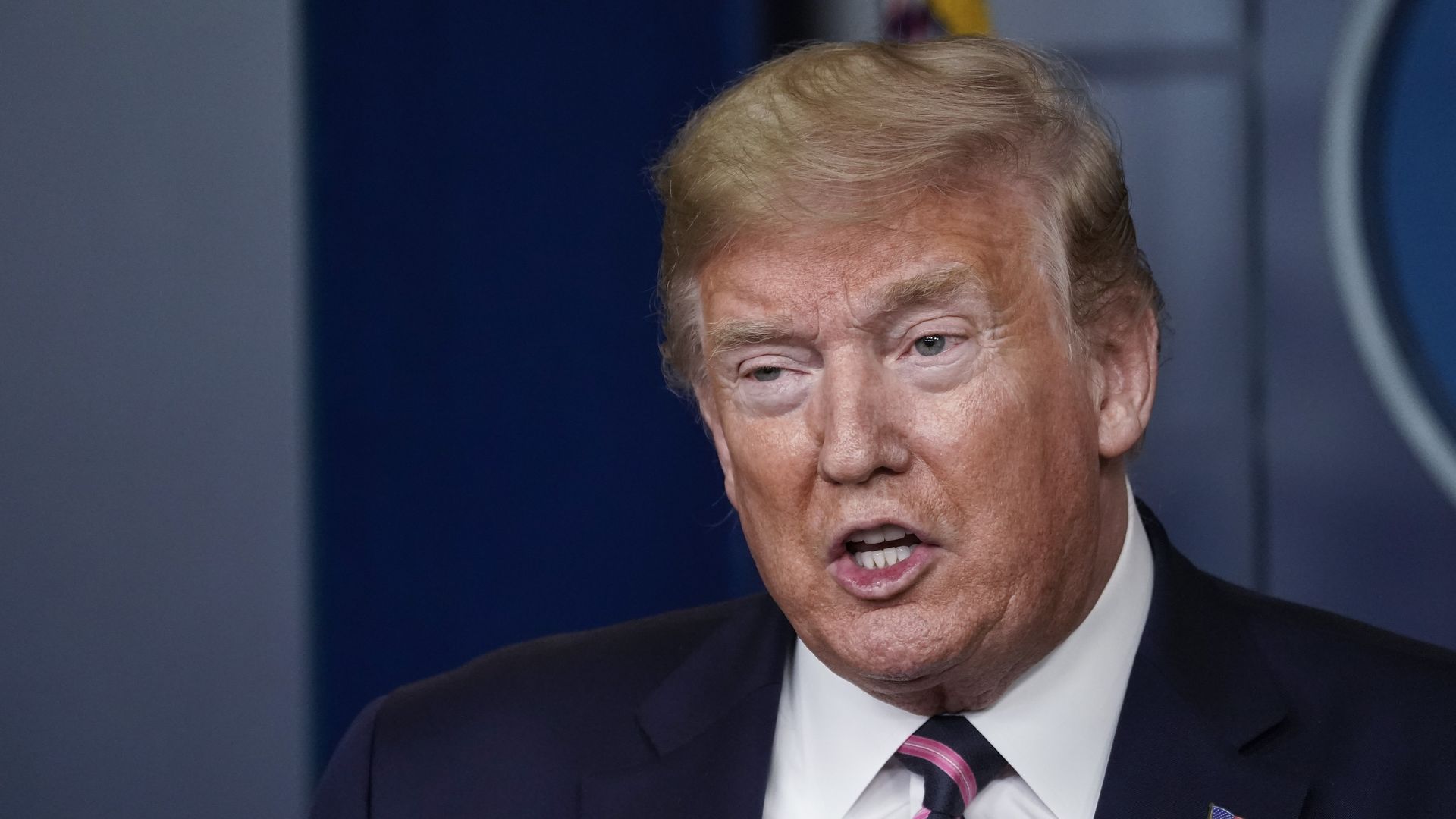
President Trump unveiled two new documents at Monday's coronavirus press briefing — a coronavirus "testing overview" and "testing blueprint" — that lay out how the administration plans to work with state governments and the private sector to expand testing, viewed as critical to reopening the economy.
Why it matters: Governors have urged the federal government to be more involved in expanding testing and coordinating a national strategy, but it’s unclear whether these new documents will allay their concerns.
Right now, there's no public database to see which hospitals and other health care providers have received federal coronavirus bailout funds, but the Department of Health and Human Services is "in the process of establishing a database to disclose the entities that have attested to the receipt of their distributions and the amounts they receive," a spokesperson told Axios.
Why it matters: This is public funding, but today the public can't see where the money is going. Axios has compiled a hospital funding database, based on voluntary financial disclosures, in the interim.
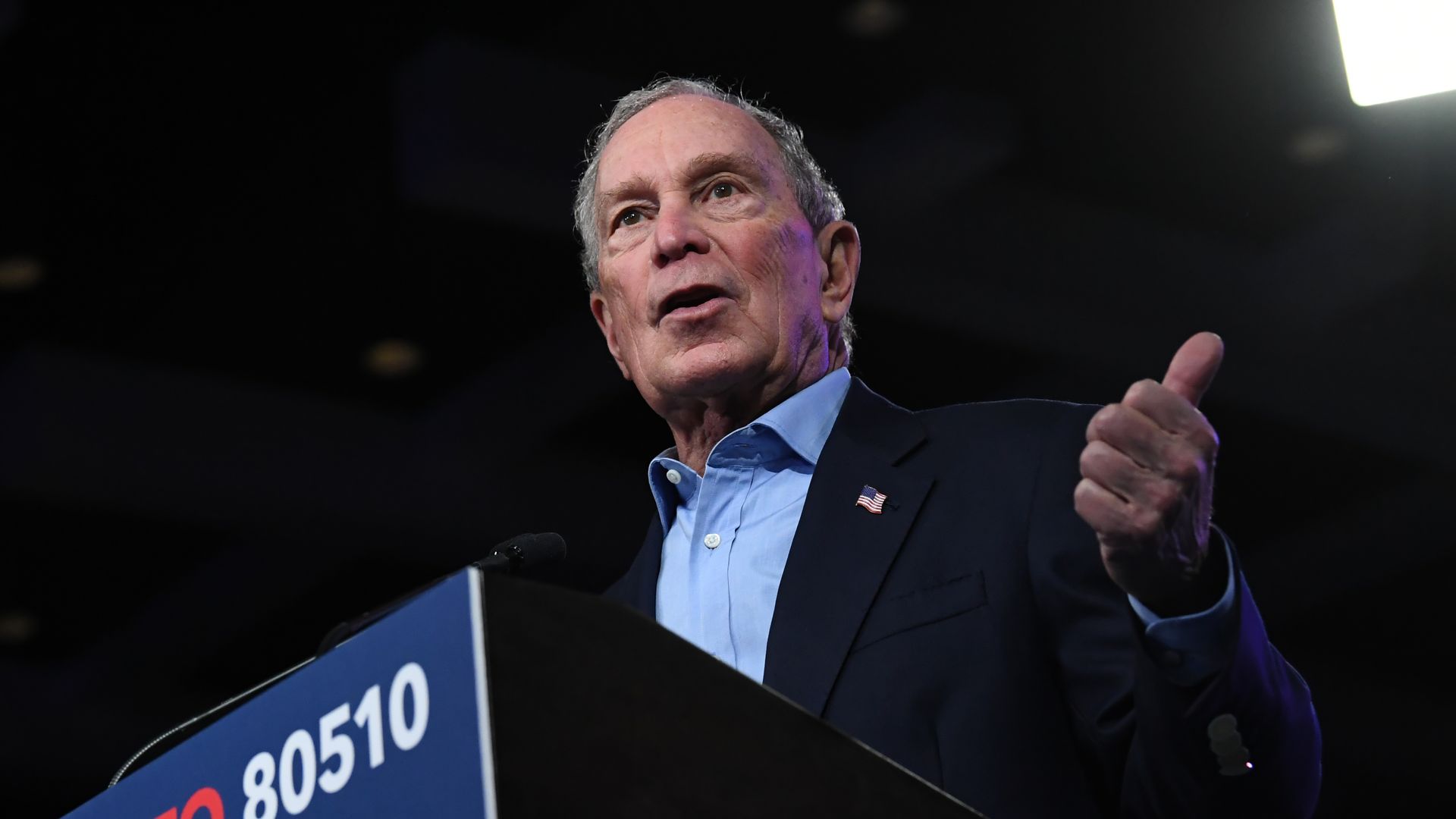
Former campaign staffers of Mike Bloomberg were notified Monday that the cost of their COBRA health insurance will be covered by the campaign through the presidential election, a campaign spokesperson tells Axios.
Why it matters: Bloomberg is facing multiple lawsuits and public scrutiny after he laid off more than 2,000 campaign staffers, despite promises to keep them employed through the November election.
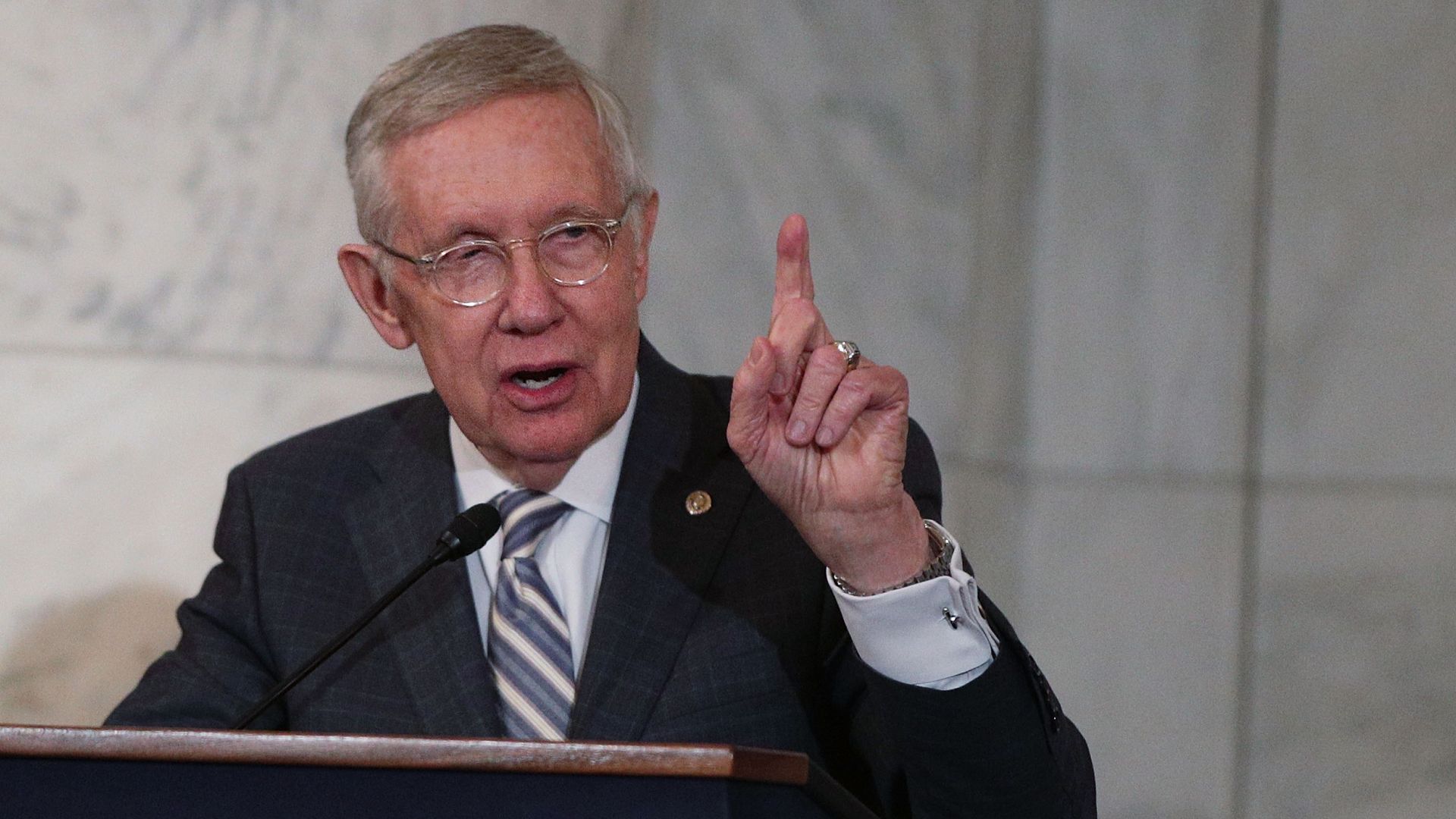
Former Senate Majority Leader Harry Reid tweeted Monday that Americans "deserve to be informed" about UFO information following the Pentagon's official release of three Navy videos showing "unidentified aerial phenomena."
Why it matters: Reid devoted funding in 2007 to a $22 million program to investigate unidentified flying objects. The Pentagon confirmed its existence in 2017.
New York's Board of Elections canceled the state's June 23 Democratic presidential primary on Monday, deciding that the risk of spreading the coronavirus was greater than holding an election with only one contender, the New York Times reports.
Why it matters: This makes New York, which had already delayed the contest from April 28 to June 23, the first state to cancel its primary.
Senate Majority Leader Mitch McConnell confirmed Monday that the chamber will reconvene on May 4 as it begins to consider the next coronavirus stimulus package.
The state of play: The Kentucky Republican said that senators will "modify routines" to continue their work in "in ways that are smart and safe." He argued that it was "essential" for the Senate to return if it was also essential for "doctors, nurses, health care workers, truck drivers, grocery-store workers and many other brave Americans to keep carefully manning their own duty stations."
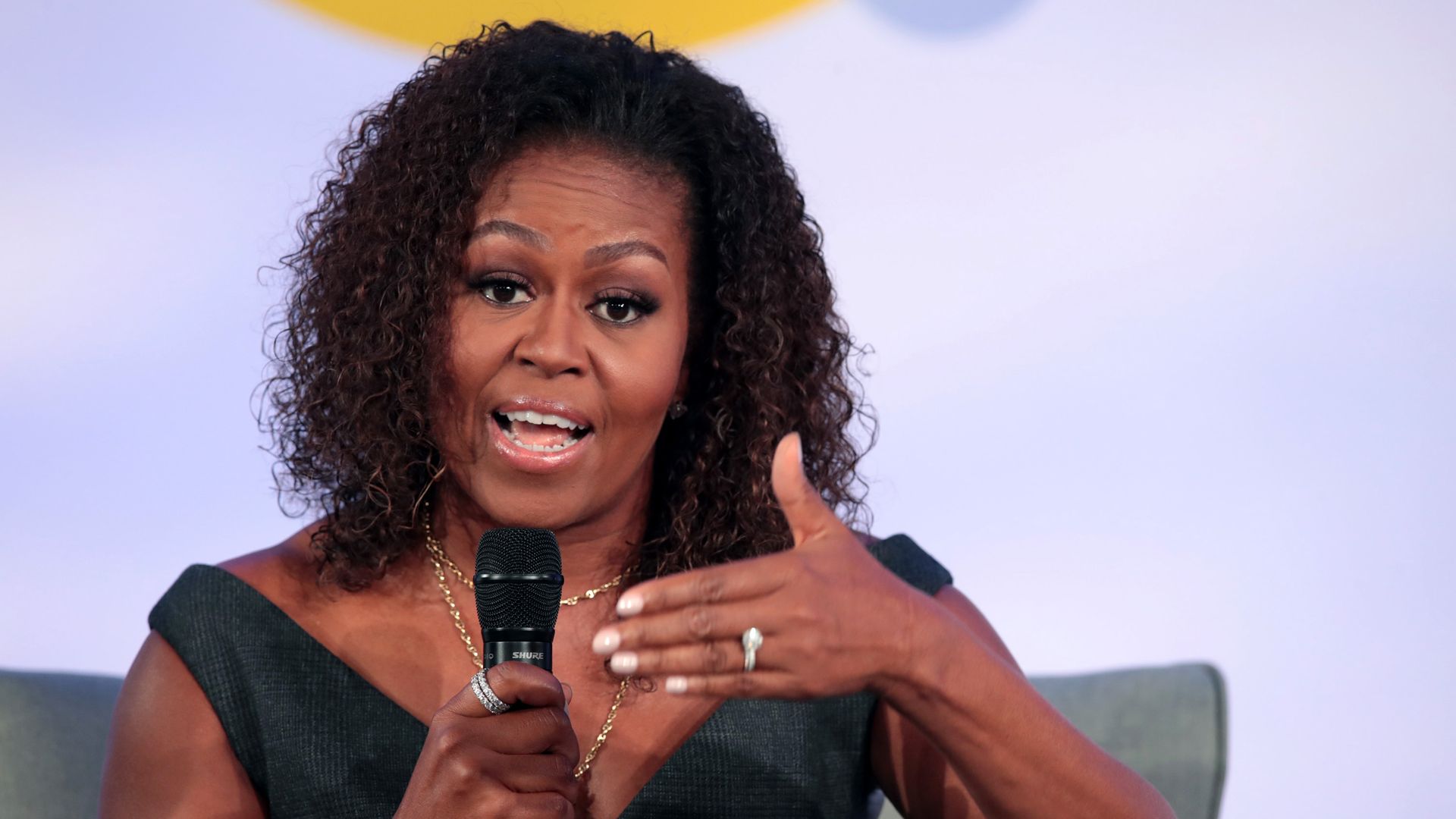
Netflix will debut "Becoming," a new documentary centered on former first lady Michelle Obama, on May 6, the streaming platform announced Monday.
The state of play: The film, which had been kept under wraps and is titled after Obama's 2018 book, recounts her life and follows along on her 34-city book tour.
White House press secretary Kayleigh McEnany tweeted Monday that President Trump will hold a coronavirus press briefing, after announcing earlier in the day that the White House would cancel its scheduled briefing.
What she's saying: "UPDATE: The White House has additional testing guidance and other announcements about safely opening up America again. President @realDonaldTrump will brief the nation during a press conference this evening."
House Speaker Nancy Pelosi told MSNBC Monday that minimum guaranteed income is "worthy of attention" as a policy measure to help Americans deal with the economic fallout from the coronavirus pandemic.
The big picture: Pelosi's comments come as Congress is considering what to include in the next coronavirus stimulus bill. Former presidential candidate Andrew Yang has pitched the idea of giving $2,000 per month to every American for the duration of the crisis, calling it a necessity to ensure that citizens know "that they can feed their families." An aide for the Speaker later clarified to Axios that she was referencing paycheck guarantee proposals.
Editor's note: This article was updated to include a comment from Pelosi's aide.
Former New Jersey Gov. Chris Christie (R) told ABC's "Good Morning America" on Monday that President Trump's frequent and lengthy coronavirus briefings are unlikely to help him politically.
What he's saying: "I think an hour and a half or two hours of anybody every day is not going to be great for their political standing, no matter who they are and what they do."