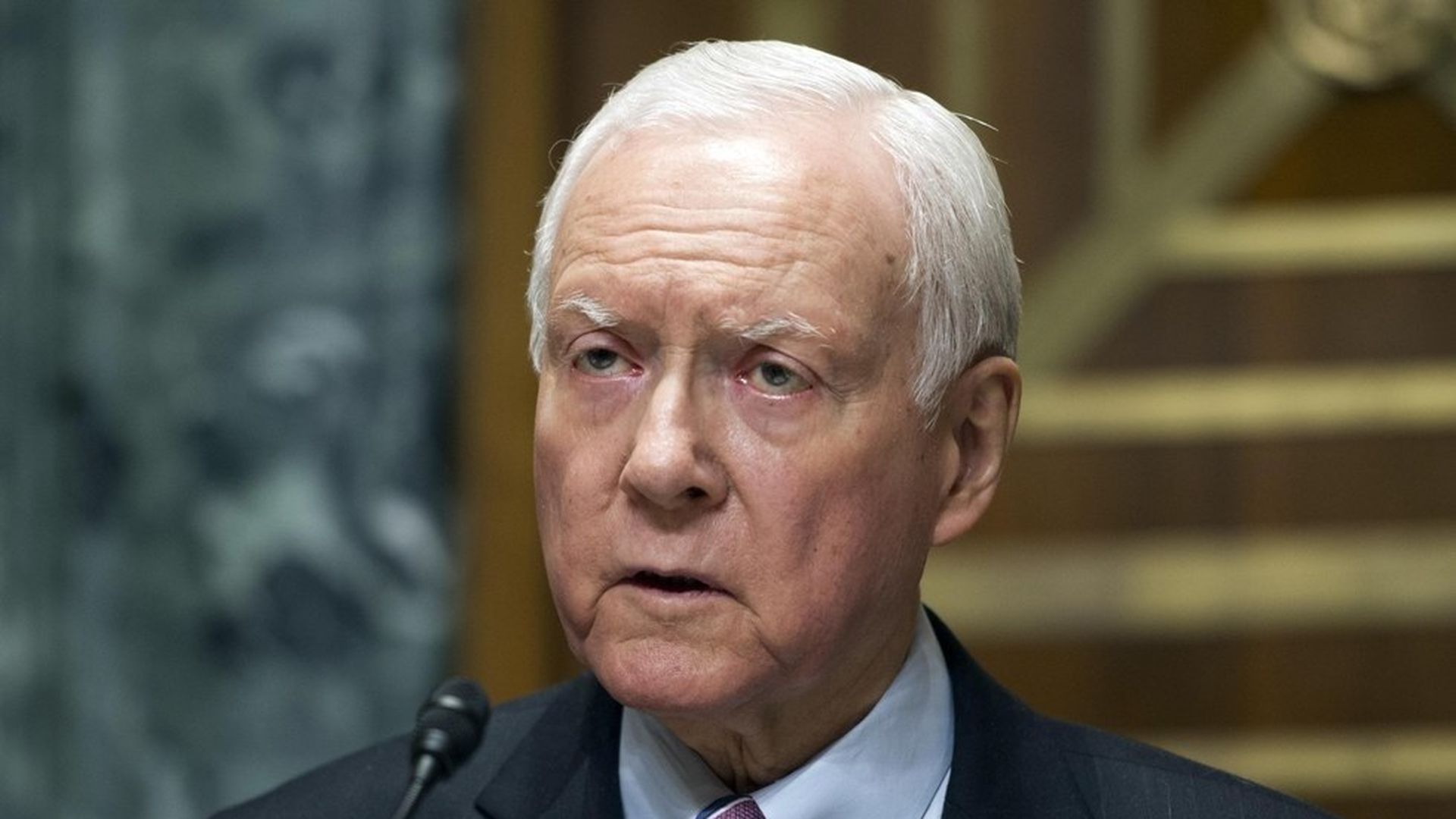
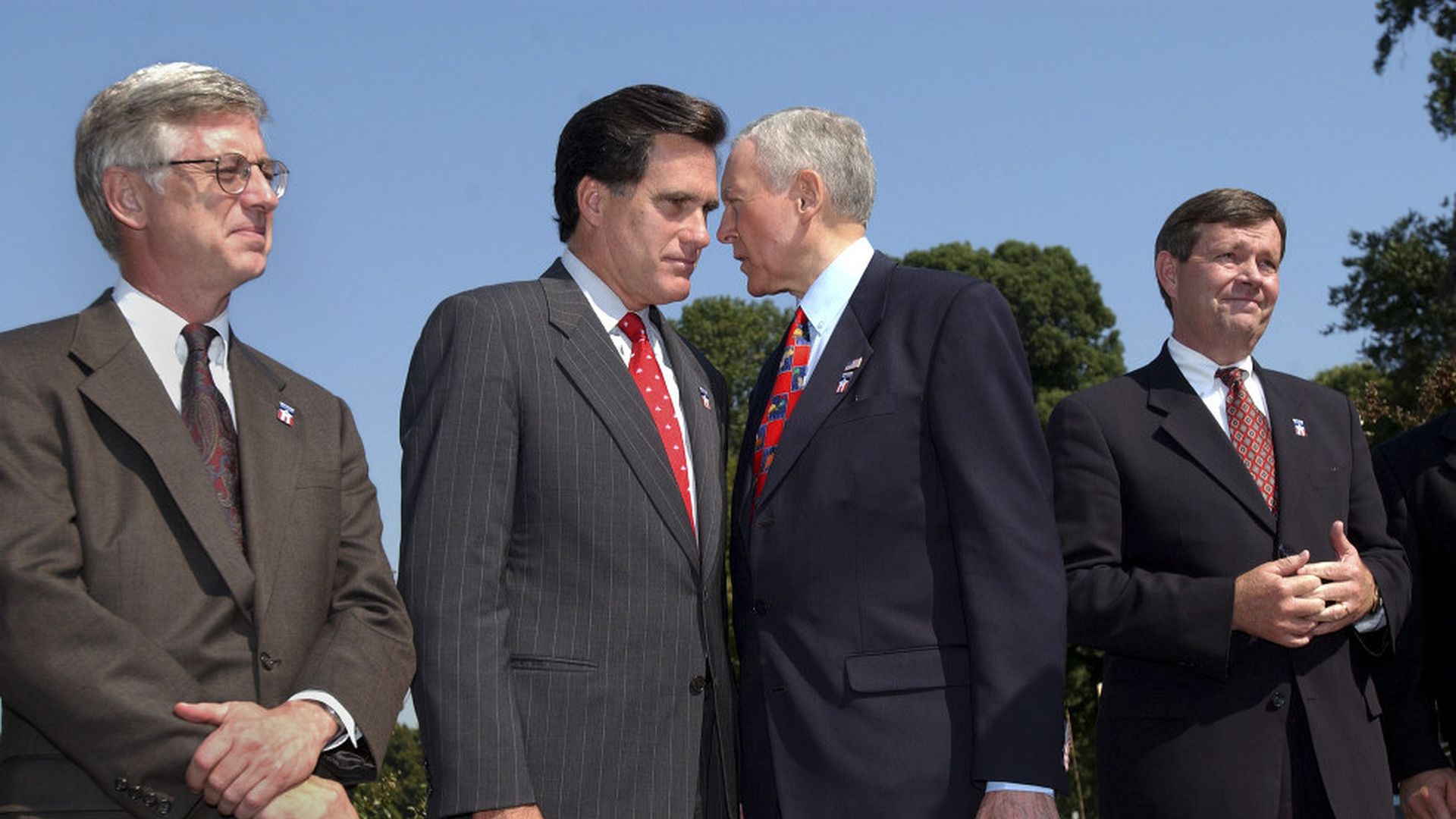
Outgoing Utah Republican Sen. Orrin Hatch on Wednesday said said he would support Mitt Romney if he decides to run for his Senate seat. On Utah's Morning News radio program, Hatch said:
"We haven't spoken in the last few days, but if Mitt decides to run, he knows he'll have my support."
Why it matters: Hatch's retirement, and his support, make it likely that Romney will be in the Senate as of January, 2019 — an outcome President Trump is reportedly far from enthusiastic about.
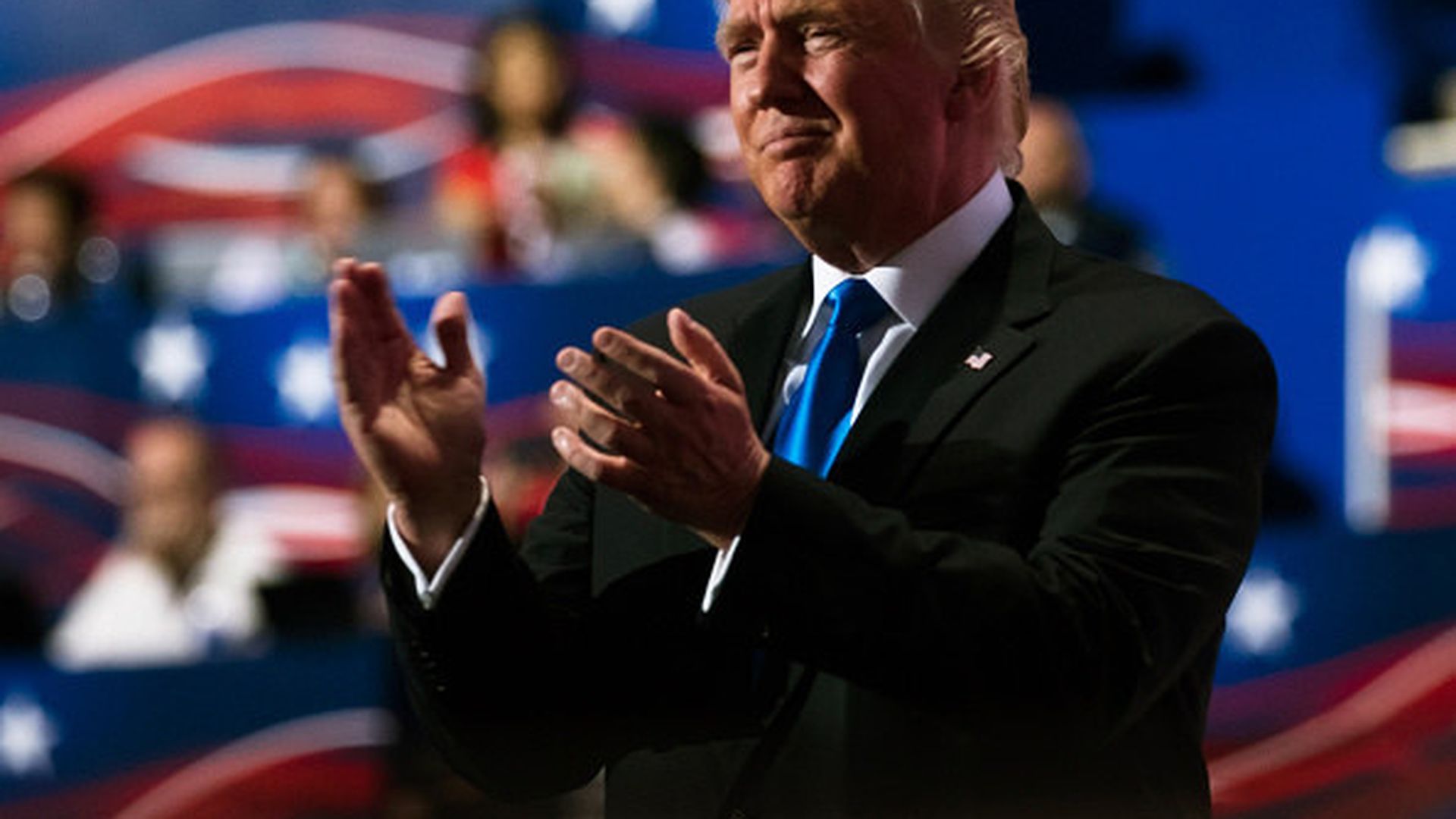
Donald Trump's 2016 plan was never to become president, but rather to become "the most famous man in the world," according to excerpts from Michael Wolff's forthcoming book, published in New York Magazine.
What Trump really wanted: Trump, encouraged by longtime friend and former head of Fox News Roger Ailes, thought that he would emerge from the campaign with "a far more powerful brand and untold opportunities," such as his own Trump Network. "This is bigger than I ever dreamed of," Trump reportedly told Ailes a week before the election. "I don't think about losing, because it isn't losing. We've totally won."
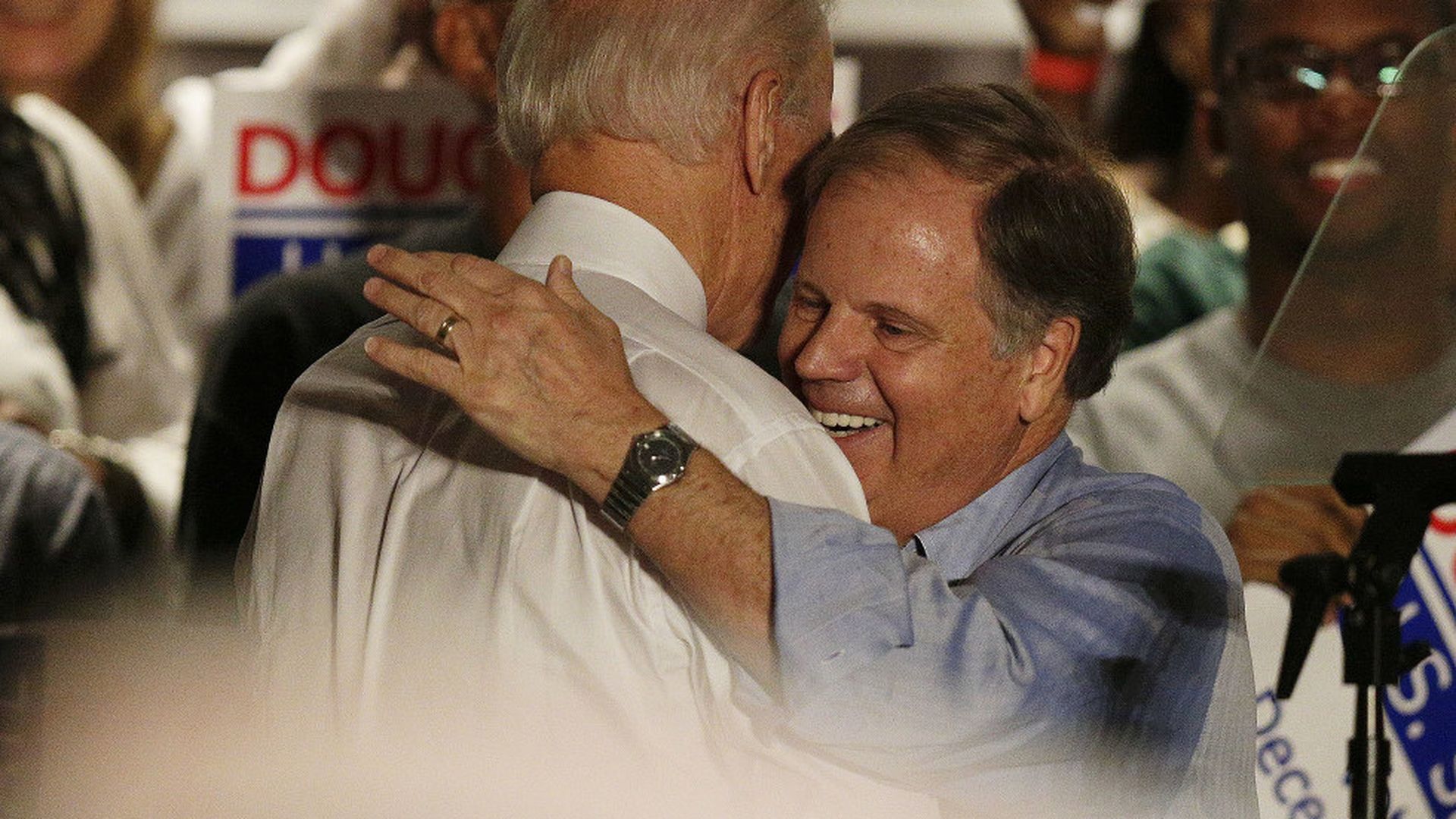
Alabama incoming Democratic Senator Doug Jones will be escorted by Former Vice President Joe Biden to his swearing-in ceremony on Wednesday to take the seat once held by Attorney General Jeff Sessions, WAAY TV reports.
Why it matters: Jones, a former federal prosecutor who notched an upset last month in the deep-red state, is breaking tradition. Typically, a new senator would choose their home-state colleague, but Jones didn't ask Sen. Richard Shelby, per WAAY TV.
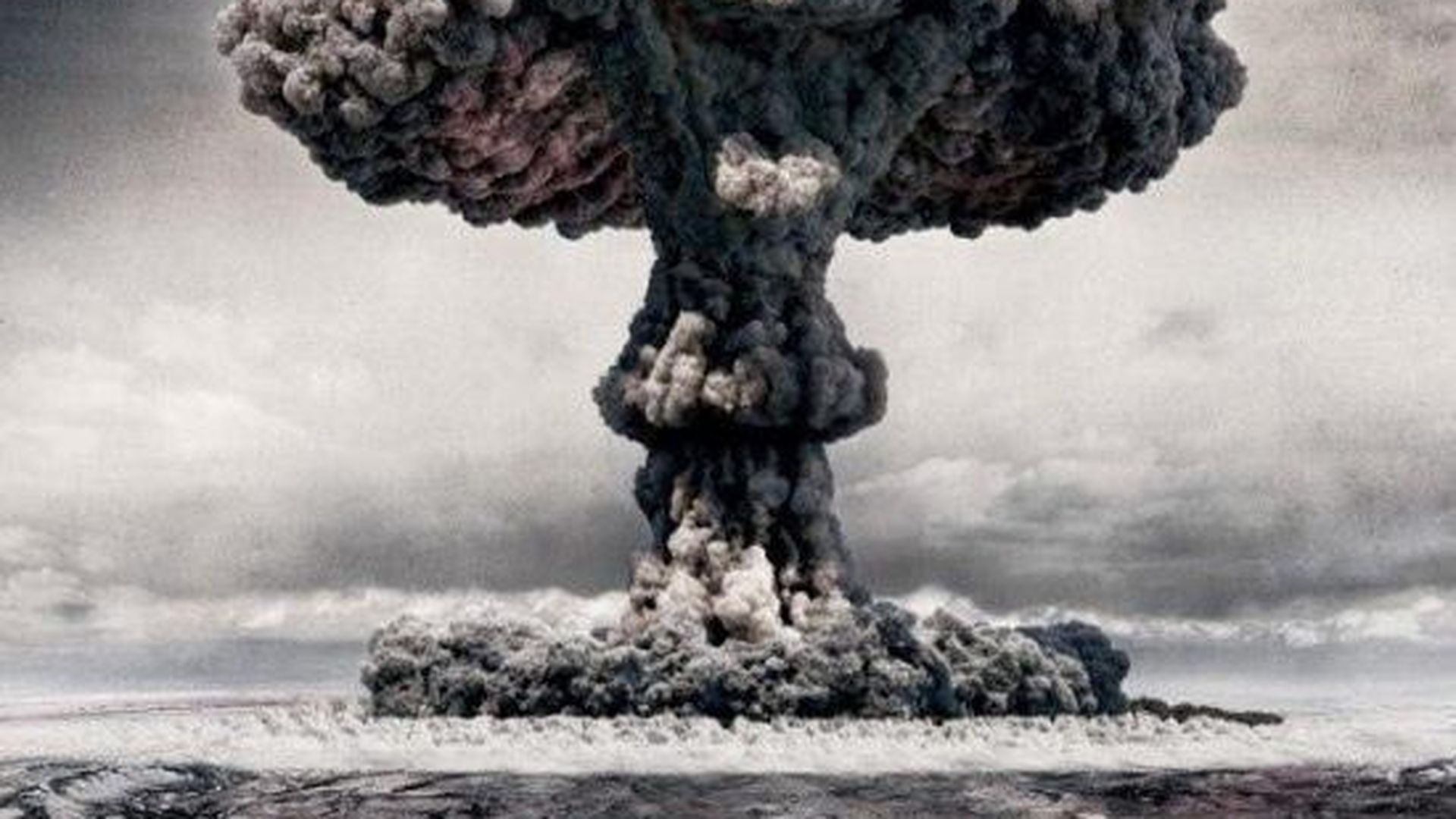
Despite Trump's tweets this week indicating he has a so-called "Nuclear Button" that's "much bigger & more powerful" than Kim Jong-un's are nothing more than flourish. There's not a real "nuclear button" Trump can press — that's just a metaphor for the framework that's used to ultimately launch a nuclear weapon.
The bottom line: There's a "nuclear briefcase," a "black book" and a "biscuit."
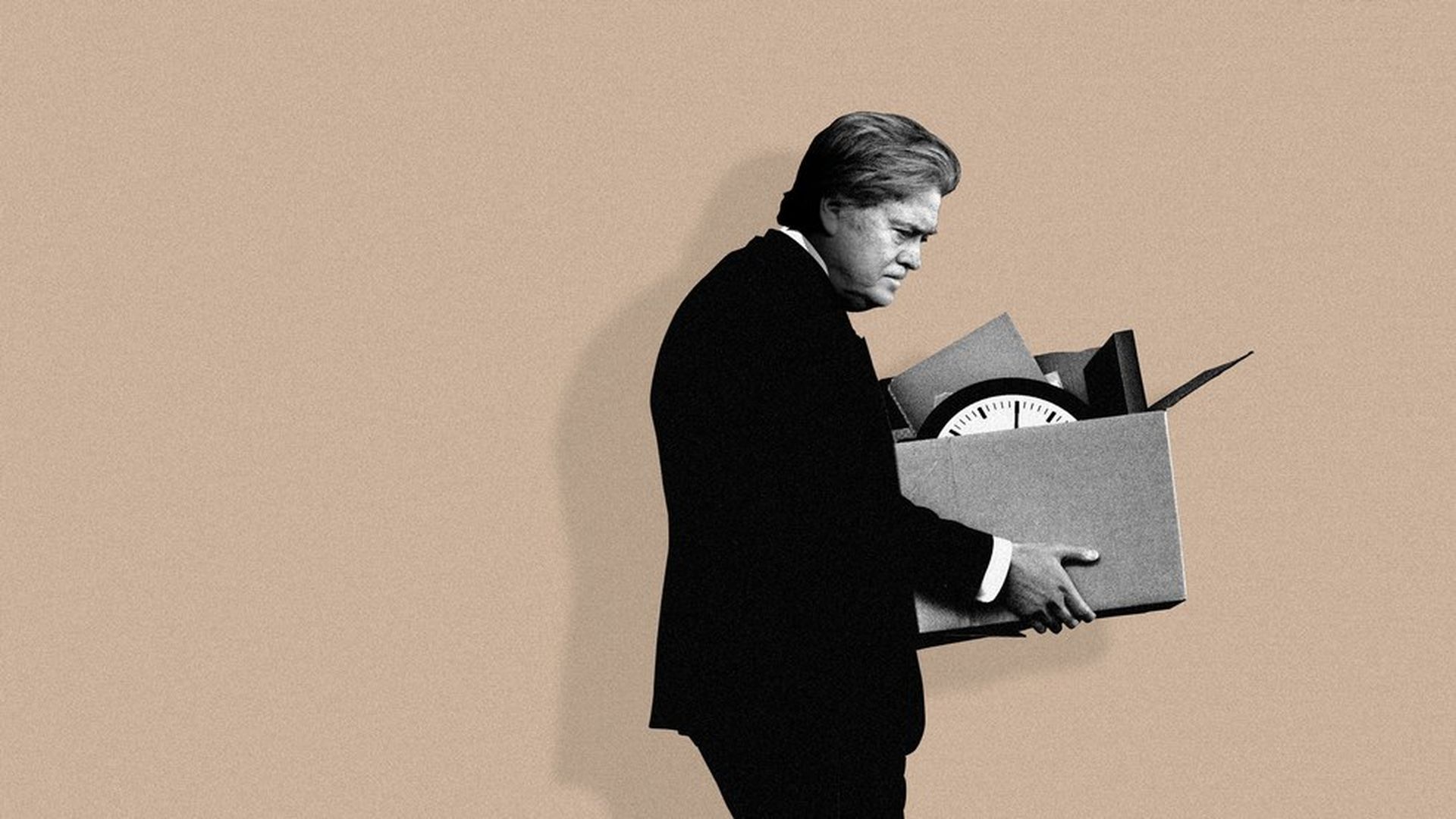
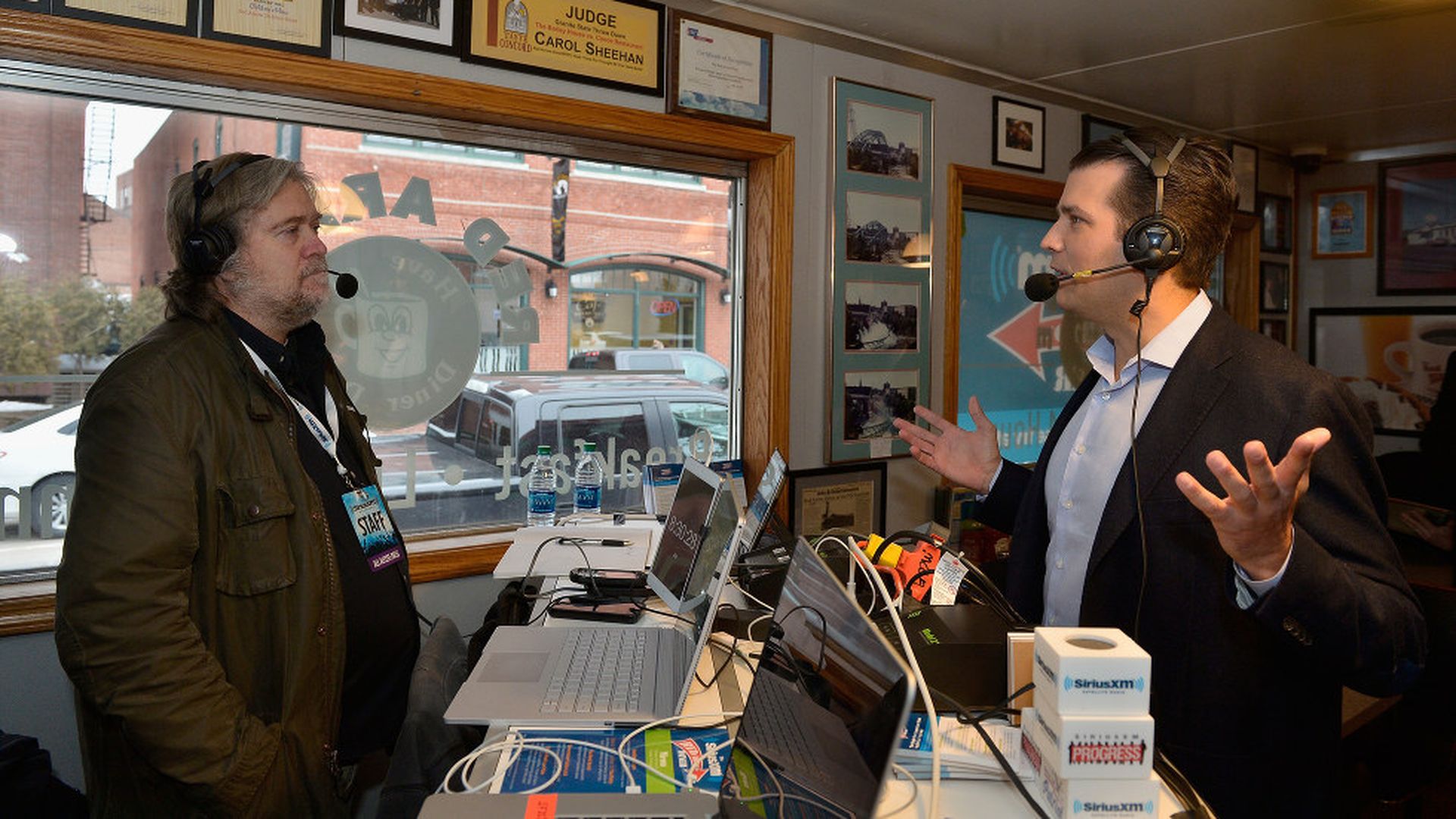
Steve Bannon said the meeting Donald Trump Jr. took with a Russian government lawyer in June 2016 was "treasonous" and "unpatriotic," according to previews in The Guardian from Michael Wolff's forthcoming book about the Trump White House.
"The three senior guys in the campaign thought it was a good idea to meet with a foreign government inside Trump Tower in the conference room on the 25th floor – with no lawyers... Even if you thought that this was not treasonous, or unpatriotic, or bad shit, and I happen to think it's all of that, you should have called the FBI immediately."
Bannon described where he thinks the Mueller probe is headed:
"You realize where this is going…This is all about money laundering…Their path to [expletive] Trump goes right through Paul Manafort, Don Jr and Jared Kushner…It's as plain as a hair on your face."
Bannon's prediction: "They're going to crack Don Junior like an egg on national TV."
The book, Fire and Fury: Inside the Trump White House, is out next week.
Go deeper on the meeting: Trump Jr. was notified before the meeting the Russian lawyer would present information that would be damaging to Hillary Clinton. Jared Kushner and Trump's former campaign chairman, Paul Manafort, also attended the meeting.
The unsurprising announcement by Senate President Pro Tem Orrin Hatch (R-Utah), 83, that he's retiring at the end of this term — and his likely replacement by Mitt Romney, who yesterday changed his Twitter location to "Holladay, UT" — is "another political setback for Mr. Trump," per N.Y. Times' Jonathan Martin:
Why it matters: "Romney's potential ascent is particularly alarming to the White House because the former presidential candidate has an extensive political network and could use the Senate seat as a platform to again seek the nomination."
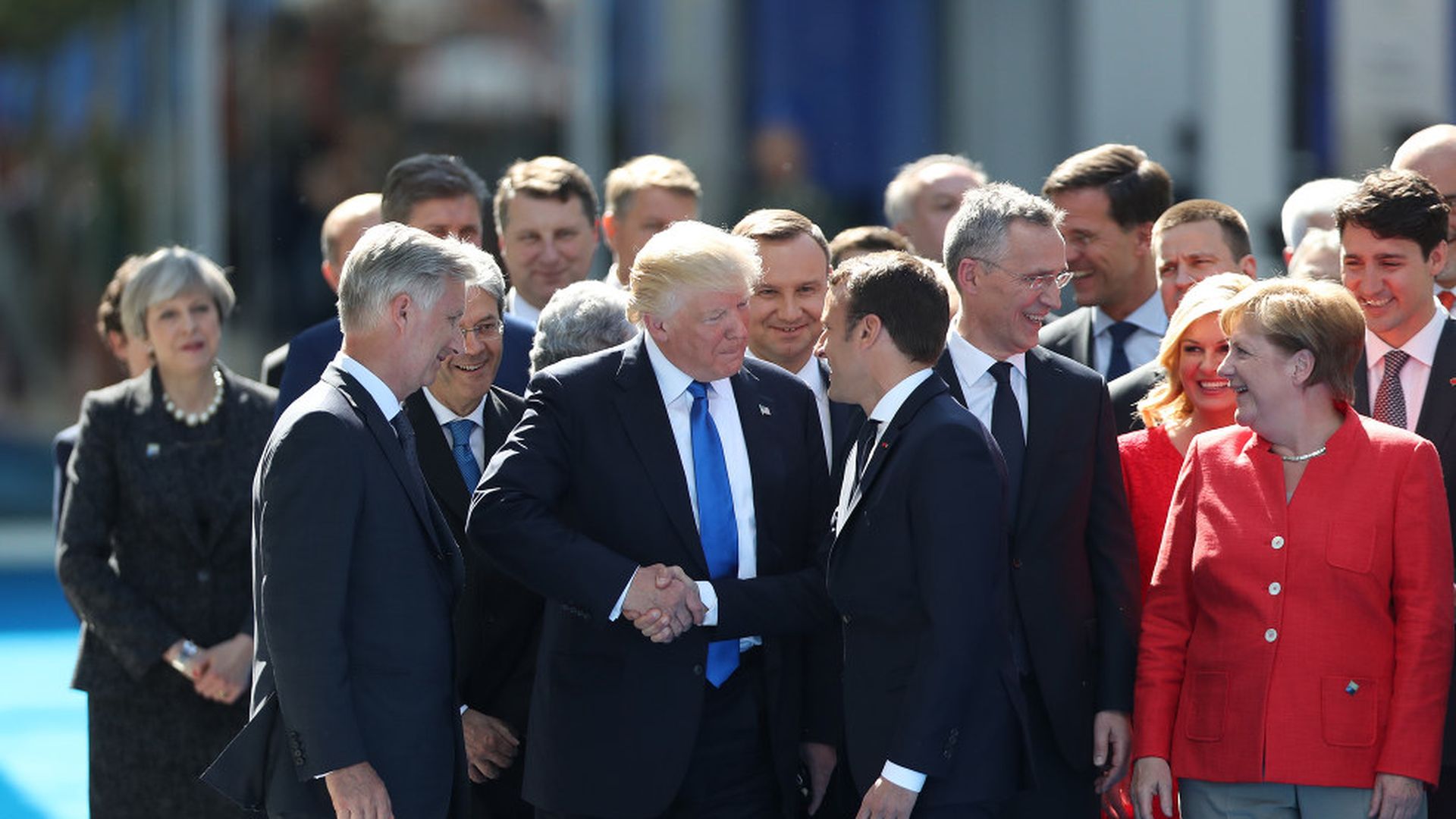
CFR President Richard Haass tells me that the title of his book a year ago, "A World in Disarray," actually understated the situation. Haass is out this week with a paperback edition that includes a new, nine-page Afterword: "Things have become even worse that I had imagined. Disarray is greater than expected."
One highlight: The Trump administration is a significant cause of increased disarray in the world: "Trump is the first post-WWII president to view the burdens of world leadership as outweighing the benefits. The United States has changed from the principal preserver of order to a principal disrupter."
Steve Bannon tells Axios National Political Reporter Jonathan Swan that January will define his Trump's presidency — and is his last, best chance to make good on his most controversial campaign promises.