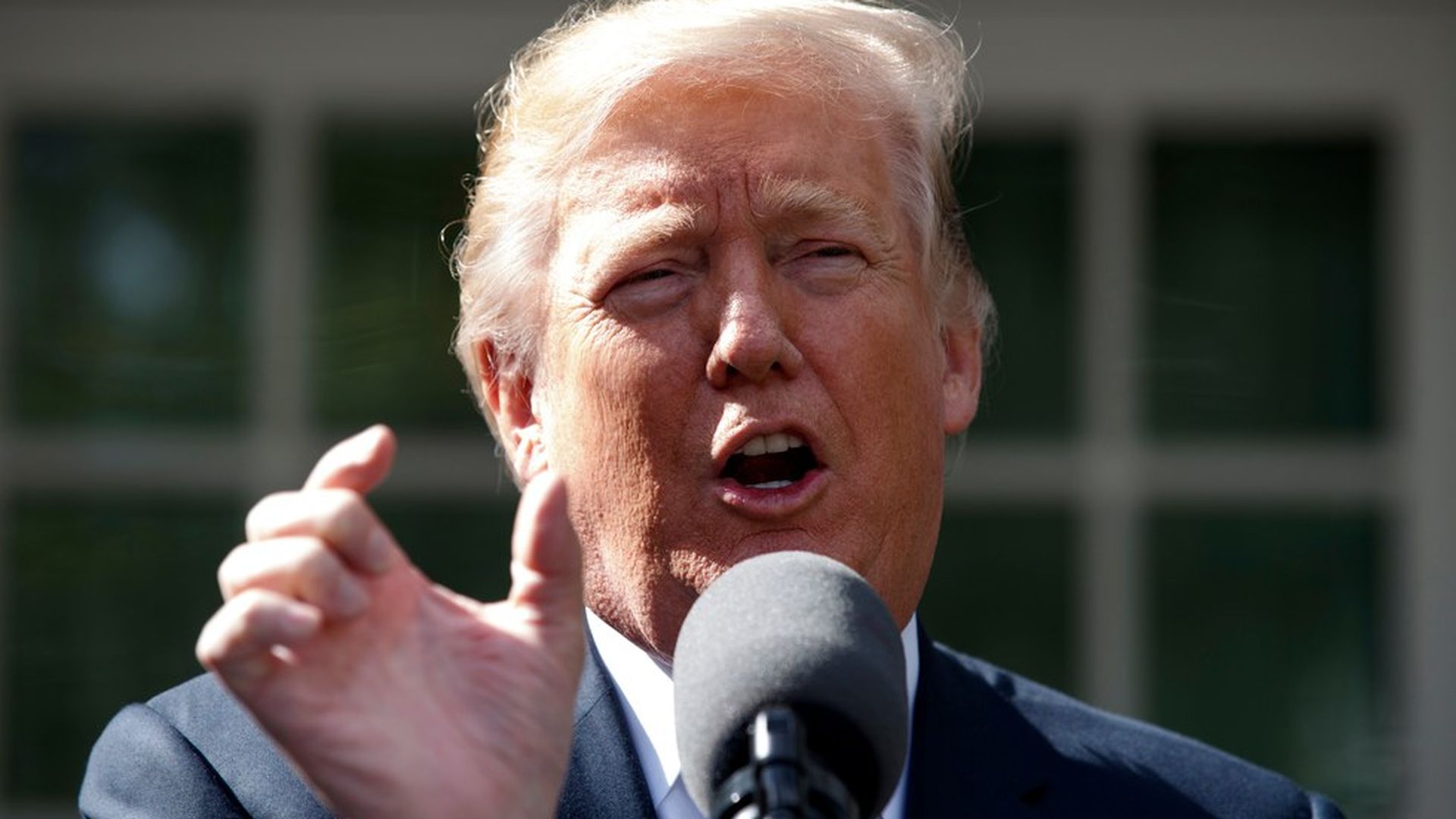
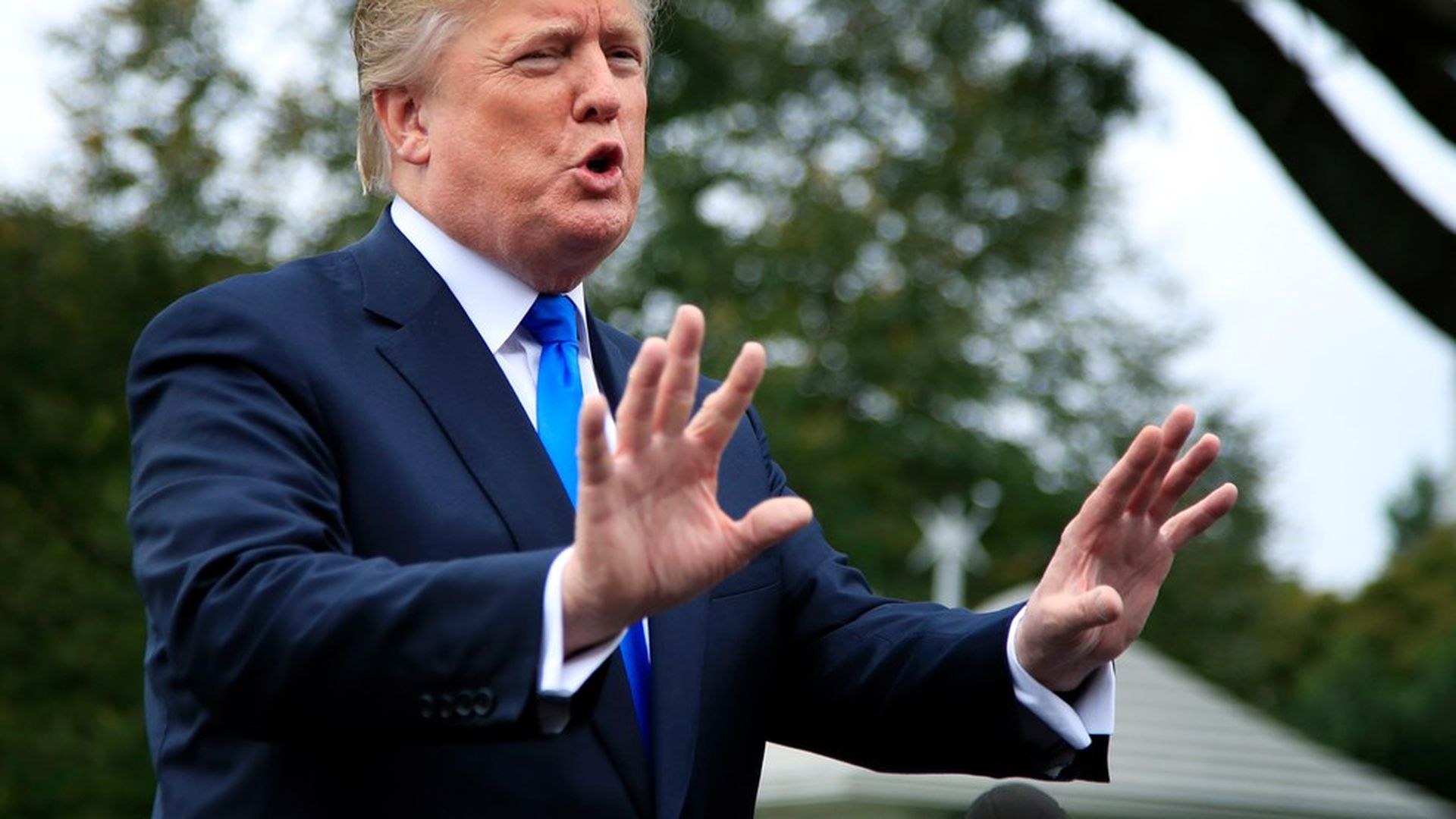
President Trump, asked today about clashes between Iraqi and Kurdish forces in Iraq said: "We don't like the fact that they are clashing. We're not taking sides, but we don't like the fact that they are clashing."
Why it matters: The Kurdish military accused Iranian-backed forces of ramping up the pressure on the Kurds in the region in the first place, per Newsweek. After Trump's decision to de-certify the Iran deal without fully pulling out, Tehran is likely watching the U.S. stance in the region closely. Eurasia Group President Ian Bremmer said Trump's failure to take sides in the dispute could be a "[b]ig green light" for the Iranian government to increase its influence in Iraq.
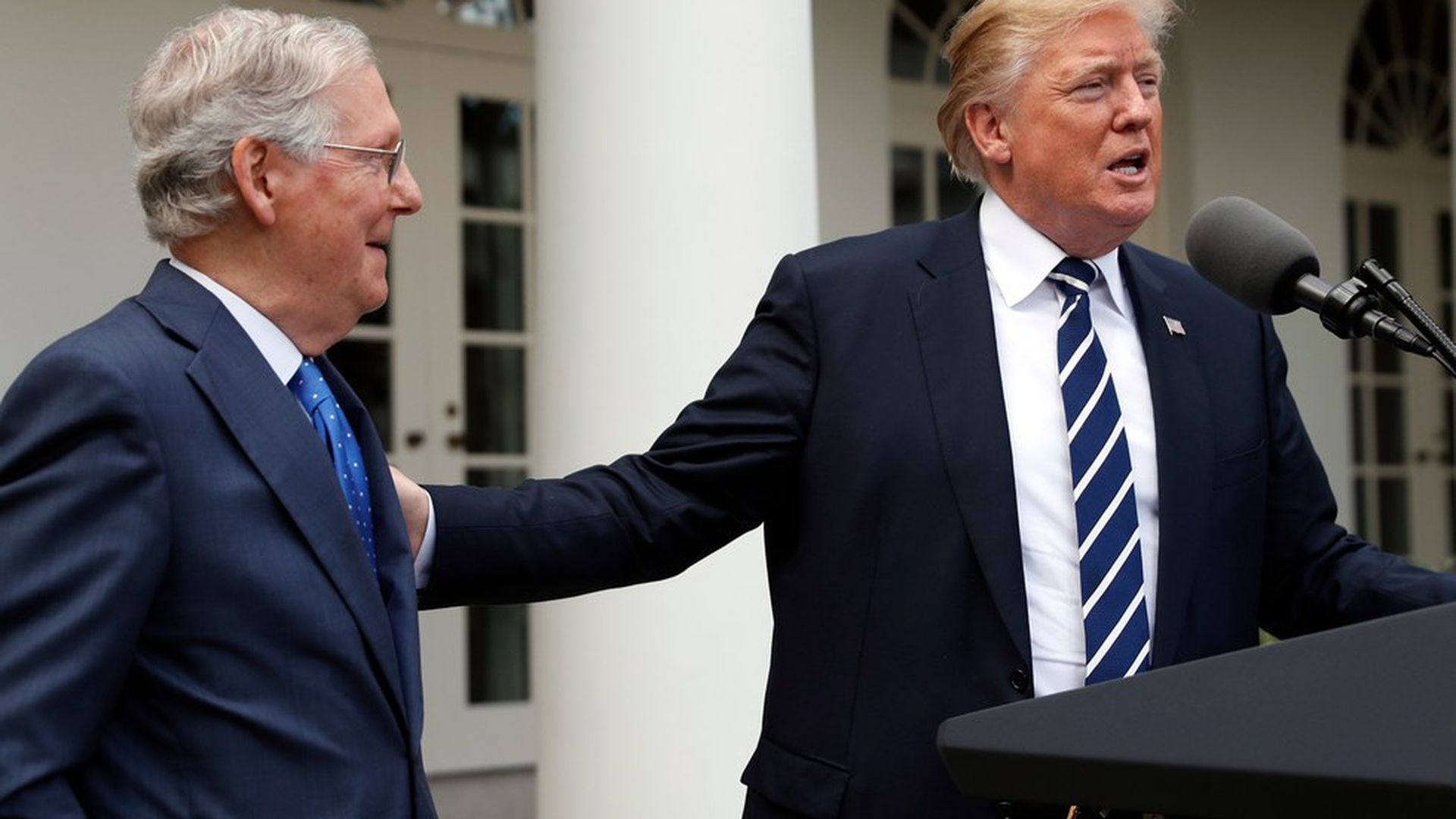
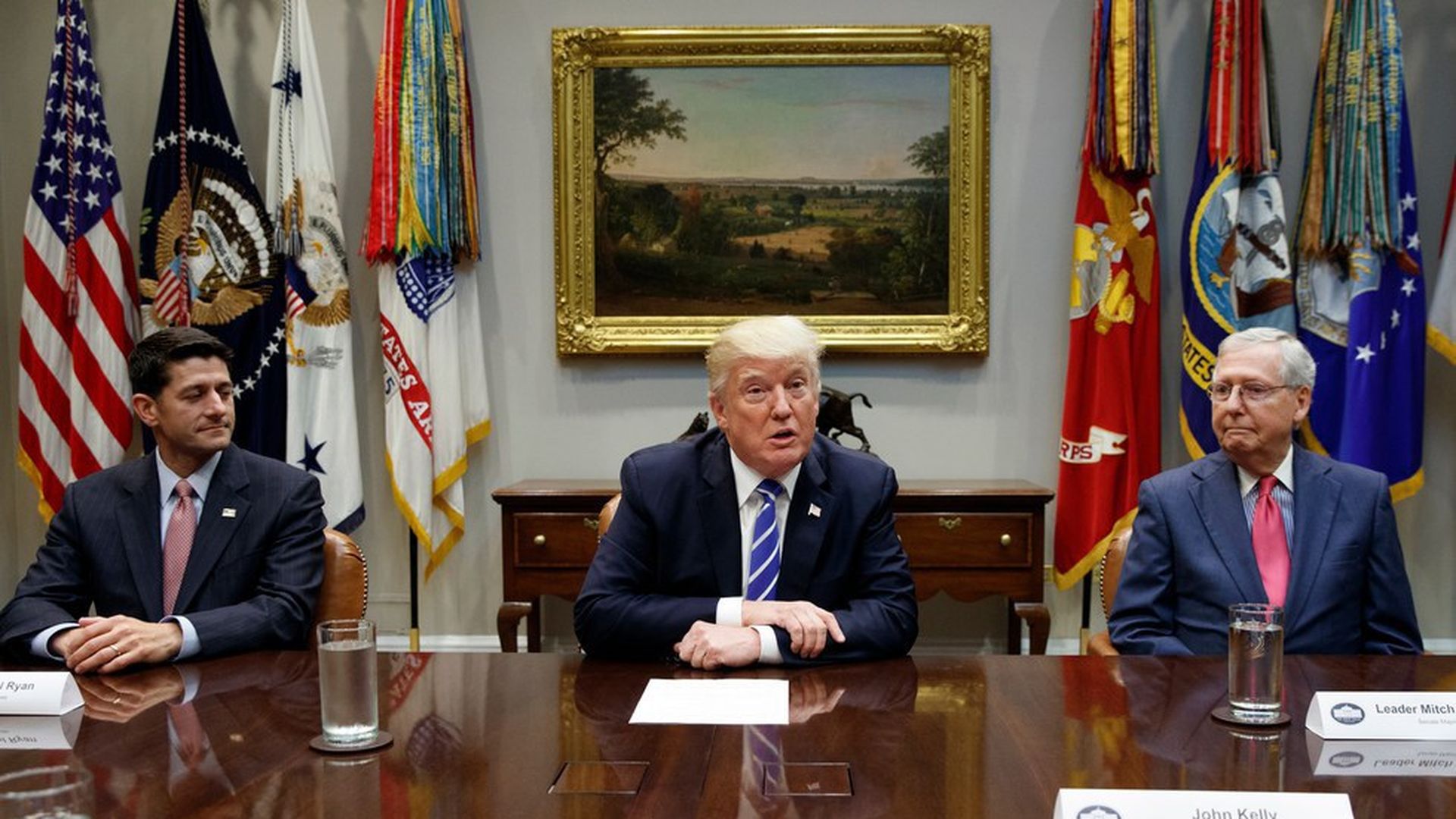
President Trump and Senate Majority Leader Mitch McConnell held a surprise press conference following their lunch meeting at the White House Monday. Trump opened by stating, "McConnell and I have been friends for a long time. We're probably now, despite what you read, closer than ever before."
Why it matters: Trump has repeatedly attacked McConnell, both publicly and in private, for his failure to repeal and replace the Affordable Care Act. This press conference is an effort to show a united front heading into key legislative fights.
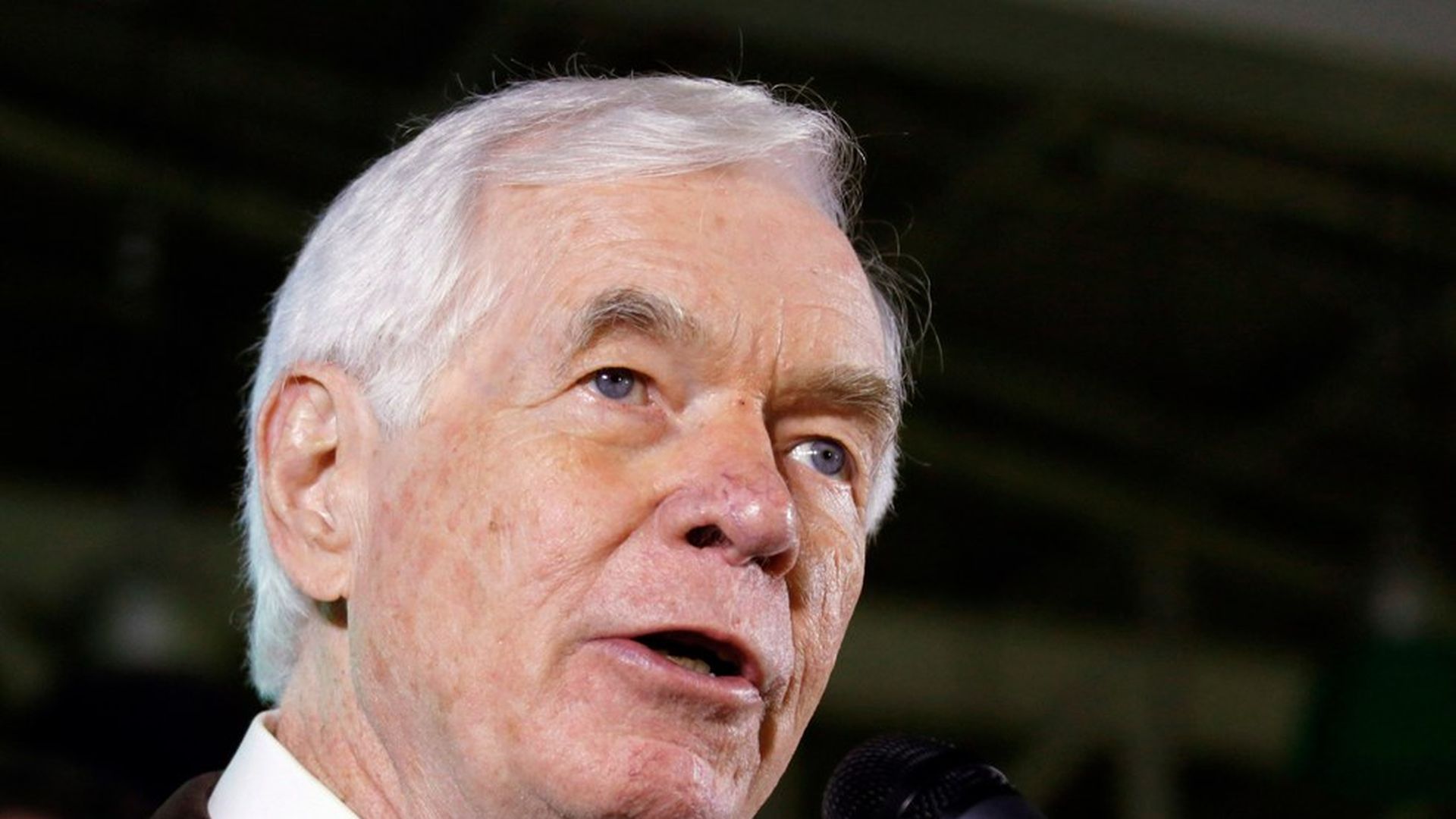
Sen. Thad Cochran's office announced this morning that a urinary tract infection would postpone his planned returned to Washington after a period of illness at home in Mississippi. Cochran's office said he'd be back in the Senate "when his health permits."
Why it matters: The Senate GOP wants to pass a budget resolution this week that would allow its tax plan to pass the chamber with a simple majority. However, not all Senate Republicans are publicly on board with the budget resolution yet, so Cochran's absence will make the expected vote even tighter given the GOP's slim 52-vote majority.
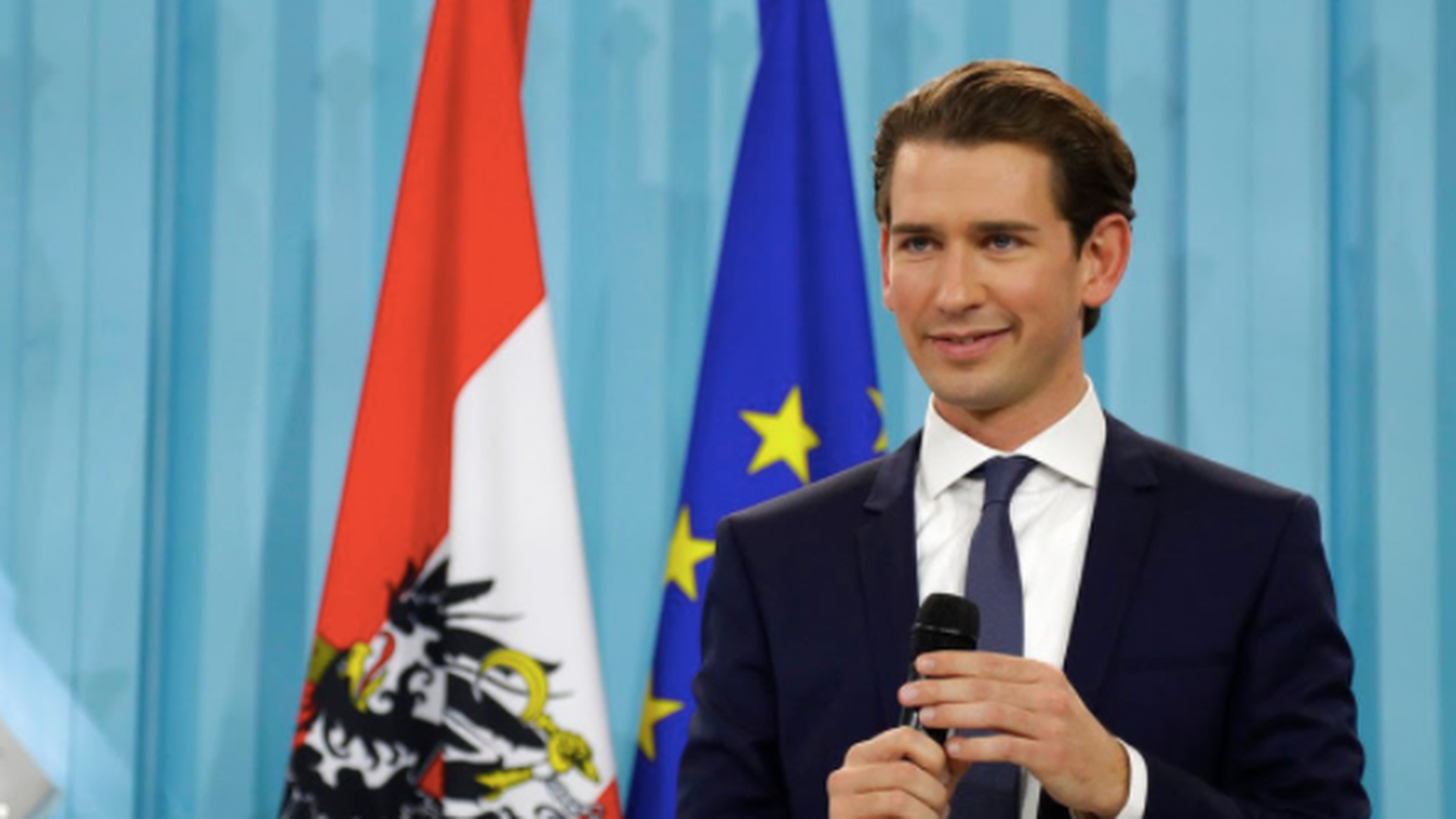
Austria's conservative People's Party, which is center-right but has shifted further right on immigration recently, is set to win the country's general election (at about 31% of the vote) and launch 31-year old Sebastian Kurz as the world's youngest national leader, the BBC reports.
Why it matters: This continues the global tide that produced Brexit and President Trump, and was seen just last month in Germany, with an electoral breakthrough by the far right that stunned Merkel. It also would set Austria to the right after years of centrist leaders in power.
Spending reports that were filed with the FEC Sunday reveal this sharp uptick, which accounted for more than 25% of the campaign's total spending that period, the NYT reports. The campaign and its two joint committees have spent $2.1 million on legal fees this year.
Why it matters: That coincides with the Russian interference probes' escalation, and is nearly twice as much as the campaign spent the three months before.
Apple CEO Tim Cook, Leon Panetta, Madeleine Albright, Univision CEO Randy Falco, Chicago Mayor Rahm Emanuel, New York Mayor Bill de Blasio, and Harvard President Drew Faust are among the founders of the Dream Coalition, urging Congress to protect immigrants who came here as children.
Why it matters:
Speaker Ryan has said he wants to protect "Dreamers," who face uncertainty under the Trump administration. But Congress tends to spin its wheels, and this formidable roster could help prod action.
We've learned that after months of frosty distance, President Trump picked up the phone yesterday and called Senate Majority Leader Mitch McConnell — ahead of a week when they absolutely have to work together on a budget, or risk losing tax reform.
Why it matters: Well-wired Republicans privately think chances for tax cuts are still pretty bleak. If Trump and McConnell are able to patch things up even temporarily, Republicans have a better chance at avoiding an embarrassing legislative shutout that could imperil their majorities.
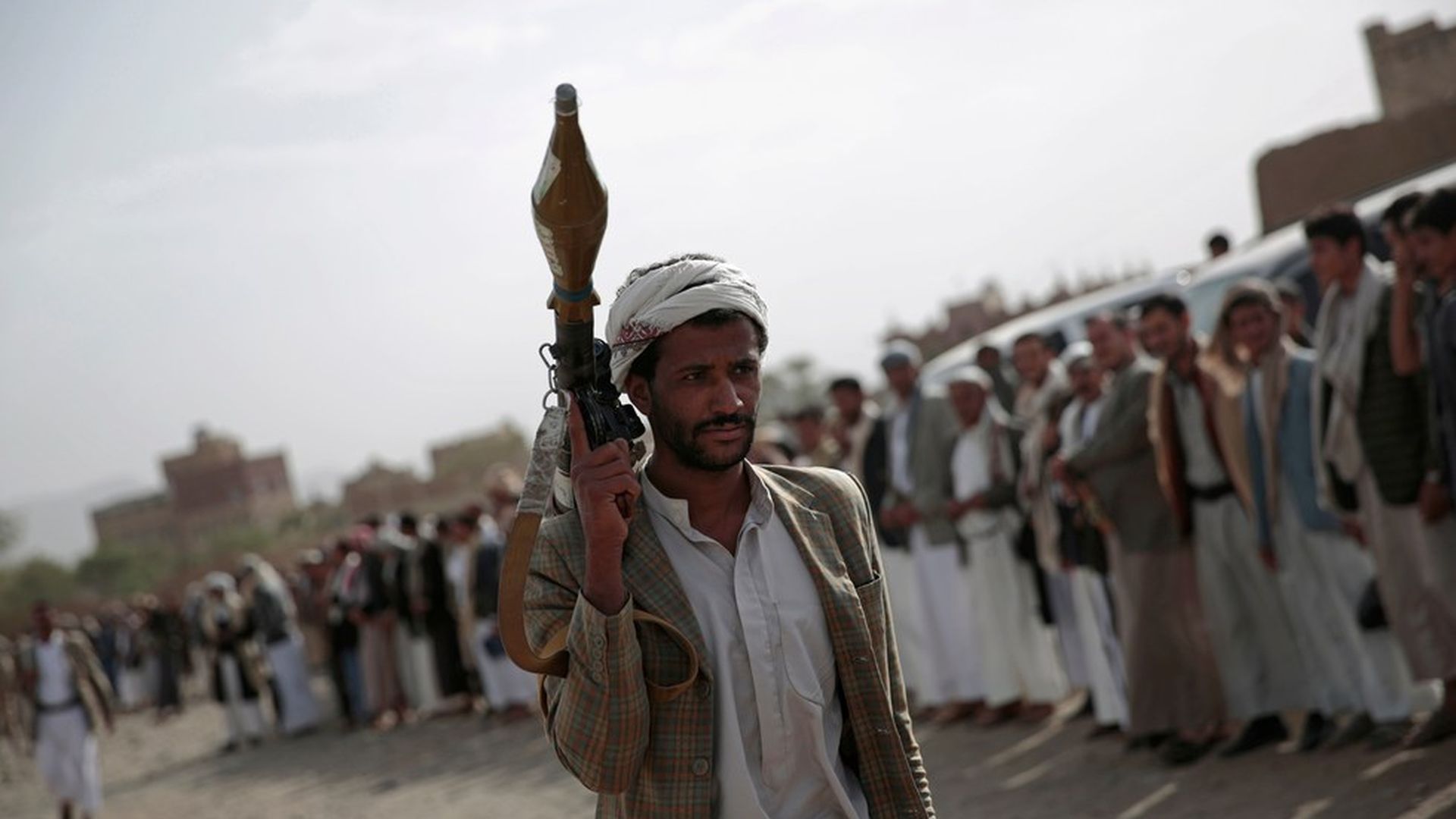
Jamie McGoldrick, U.N. humanitarian coordinator in Yemen, recently told NPR that the war in Yemen has led to "the largest humanitarian crisis in the world." Widespread hunger has contributed to a massive cholera outbreak, per the Guardian, and Saudi-led airstrikes have continuously led to civilian casualties, including children.
Why it matters: The U.S. has backed Saudi Arabia throughout the war in Yemen, and in June the first installment of a $110 billion arms deal with the Saudis was approved after they assured the U.S they were making changes to avoid civilian casualties.